REVIEW · HAMBURG
UNESCO World Heritage – Speicherstadt and Kontorhaus district
Book on Viator →Operated by Stattreisen Hamburg e.V. · Bookable on Viator
Hamburg turns office architecture into street-level drama. This UNESCO walk focuses on Kontorhaus buildings where you can spot the design choices that shaped the Hanseatic city—especially at Sprinkenhof’s courtyards and stairways. I also love how Chilehaus brings you face-to-face with Fritz Höger’s brickwork ideas, including the building people nickname for its delicate, detailed style.
The one drawback to plan around is listening quality outdoors. A couple of guests noted that the soundscape can make the guide hard to follow, and there may not be a mic, so pick a spot closer to the front and bring patience if you’re near busy intersections.
In This Review
- Key highlights
- UNESCO in Hamburg: why Speicherstadt and the Kontorhaus district hit different
- Your 3:00 pm walk plan: meeting point, flow, and how the timing works
- Sprinkenhof: courtyards, facades, and stairway views that make sense of the whole block
- Chilehaus: the brick masterpiece of Fritz Höger and the top you can’t miss
- Messberghof: the round staircase moment and the hard parts you should know
- Internationales Maritimes Museum: finishing at the trade-route anchor
- Price and value: what $21.34 gets you (and why it feels fair)
- Weekdays and stair access: when the 1920s staircase wow actually happens
- Practical tips: how to get more out of the streets (especially when audio is tricky)
- Who should book this UNESCO Hamburg architecture walk
- Should you book it? My honest recommendation
- FAQ
- What is the duration of the UNESCO World Heritage walk?
- How much does the tour cost?
- What time does the tour start?
- Where does the tour meet and end?
- Which stops are included?
- Are staircases part of the experience?
- Can I get a full refund if I cancel?
Key highlights
- UNESCO focus on the Speicherstadt and Kontorhaus district, explained step-by-step
- Sprinkenhof: a major office building with courtyards, facades, and stair highlights
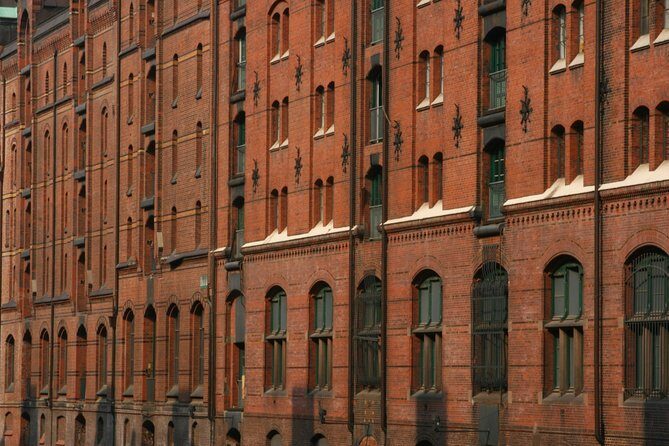
- Chilehaus by Fritz Höger: brick architecture tied to a distinctive nickname, plus classic details to look for
- Messberghof: a Kontorhaus moment with a round staircase and a difficult 20th-century chapter
- Staircases on weekdays: the big vertical wow is only possible during the workweek
- Small-group feel with a max size of 25, running about 2 hours total
UNESCO in Hamburg: why Speicherstadt and the Kontorhaus district hit different
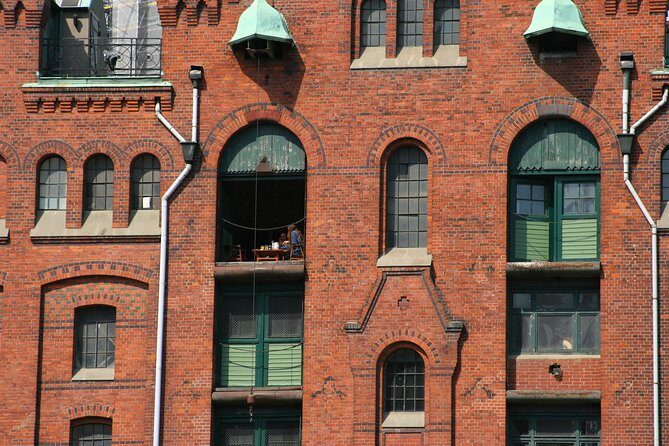
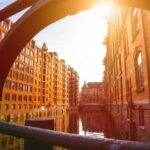
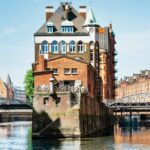
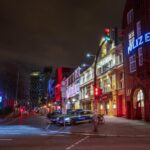
Hamburg built its wealth through trade, and that trade left fingerprints all over the city. The Speicherstadt (warehouses) shows the practical side—goods, logistics, and brick-and-water architecture. The Kontorhaus district shows the business side: early 20th-century office buildings where form wasn’t just decoration. It was branding, efficiency, and status rolled into brick and stone.
What I like about this experience is that it doesn’t treat architecture as museum-only material. You walk the streets and learn how these buildings worked in daily life, then you look closely at how the builders made the whole block feel intentional. You’re also guided through the specific architectural features that make Hamburg’s UNESCO listing feel earned, not staged.
You can also read our reviews of more historical tours in Hamburg
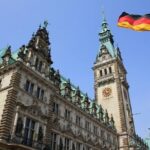

Your 3:00 pm walk plan: meeting point, flow, and how the timing works
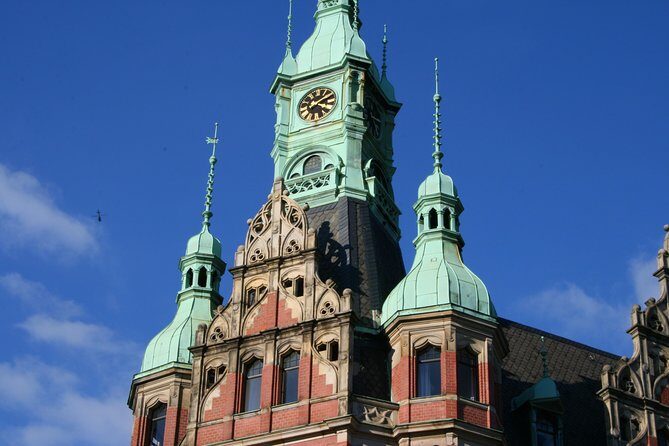
You meet at Jakobikirchhof 8, 20095 Hamburg and finish at the International Maritime Museum Hamburg (Koreastraße 1, 20457). The tour starts at 3:00 pm and runs about 2 hours, with short stops that keep the pace lively.
You’ll move through four main moments:
- Sprinkenhof (a longer visual stop)
- Chilehaus (the iconic one)
- Messberghof (another Kontorhaus angle)
- The Internationales Maritimes Museum Hamburg building from the outside
Most of the time, you’ll be outside looking up, then you’ll get access for the interior architectural look at specific points. Because the walking segments are short, this tour works well when you don’t want a full-day commitment, but you do want more than a quick photo stop.
Also, you get a mobile ticket, it’s near public transportation, and service animals are allowed. The group is capped at 25, which helps keep the experience manageable.
Sprinkenhof: courtyards, facades, and stairway views that make sense of the whole block
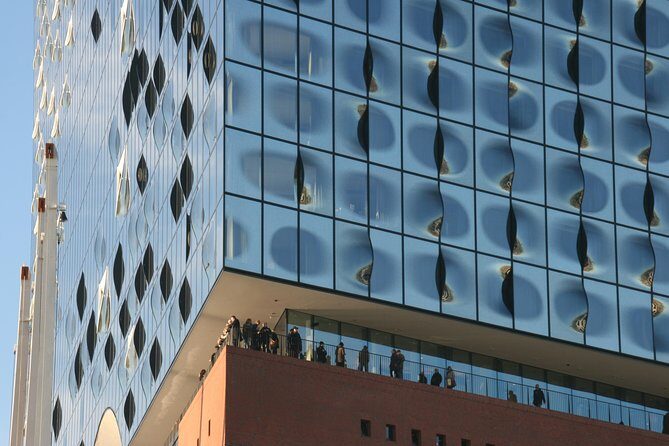
Sprinkenhof is the first big impression. It’s described as the largest office building there, and it earns that title with impressive courtyards, staircases, and facades. You get about 10 minutes here, and the admission ticket is free, which matters because it keeps the visit smooth instead of turning it into a ticket-hunt.
In practical terms, Sprinkenhof is the stop where you start learning the building logic. Courtyards aren’t just pretty voids; they control light and air in dense office blocks. Staircases matter because office life is vertical—people move up and down all day, and early office architecture had to handle crowds before modern elevators became the default everywhere.
When you’re there, look for how the courtyard frames sightlines. Also notice how the stair areas feel designed, not accidental. Even if you’re not an architecture nerd, you’ll start to understand how these places tried to feel orderly and impressive to clients.
Chilehaus: the brick masterpiece of Fritz Höger and the top you can’t miss
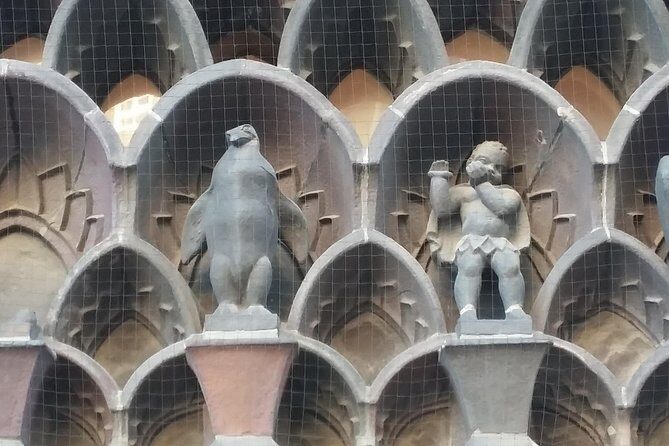
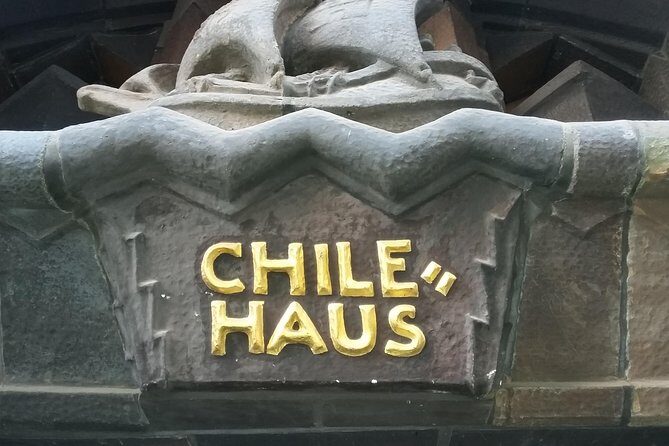
Then you hit Chilehaus, one of the world-famous Kontorhaus landmarks. This is the stop with the striking “top,” and it’s tied to architect Fritz Höger, who earned the nickname Klinkersticker because of his filigree-style approach with brick.
You only get about 10 minutes here, but that’s the right amount of time for Chilehaus. It’s more about the big visual hits than museum-style lingering. The “right now” tip: stand where you can take in the building’s silhouette first, then move closer to catch the detail later. If you only do one, do the silhouette. It’s the quickest way to feel why this building became a reference point.
One useful detail to watch for is the ship-like feel people associate with the design—some guides even bring you toward the “prow” area so you can see how the shape reads like motion. Even without a deep explanation, once you spot that metaphor, the whole building starts to click.
Messberghof: the round staircase moment and the hard parts you should know
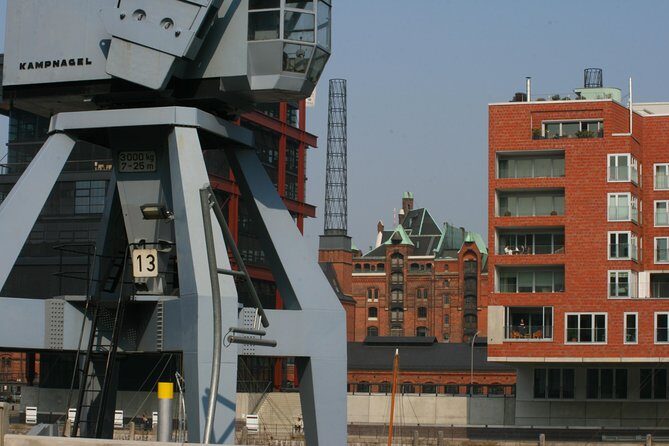
Next is Messberghof, another Kontorhaus stop with a round staircase and a story that turns darker. The building’s history includes turbulence during the time of National Socialism in Germany, and your guide connects the architecture to that context.
You get about 10 minutes, and again the admission is listed as free. The short time is enough if you treat it as a “place-and-story” visit: look at the staircase form, then let the guide connect why that kind of building mattered. Round staircases are visually distinctive, but in office architecture they also signal organization, flow, and design confidence.
Because the topic includes a difficult period, it helps to keep your expectations respectful and adult-focused. You’re not going to be “entertained” by this stop. You’re going to leave with a clearer understanding of how political forces and business spaces can overlap.



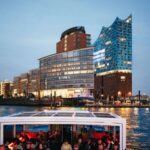
Internationales Maritimes Museum: finishing at the trade-route anchor
The tour ends outside the Internationales Maritimes Museum Hamburg. You’ll see the building from the outside with about 5 minutes for this stop. Admission here is not included, but that’s fine because the value is mostly the visual finish and the thematic tie-in.
It’s a smart ending point. You started with office buildings designed to serve commerce, and you close near a museum that fits Hamburg’s identity as a maritime trading city. Even if you don’t go inside, standing there as the final chapter helps the architecture feel connected to the city’s real engine: shipping, ports, and global exchange.
Price and value: what $21.34 gets you (and why it feels fair)
At $21.34 per person for about 2 hours, this tour is priced like a focused walking experience rather than a long sightseeing day. Here’s the value angle that matters:
- You pay for the guide’s explanations and the structured route.
- The key building stops at Sprinkenhof, Chilehaus, and Messberghof are listed as free admission.
- The maritime museum is only a quick exterior look and doesn’t add ticket cost.
So your money goes primarily toward interpretation and access to architectural spaces that are otherwise easy to overlook. And because the group is capped at 25, you’re not paying for a tiny bus ride with lots of time wasted in transit.
One more timing clue: tours like this are often booked in advance, and the average booking window here is 23 days. If you’re traveling during a high-demand week, that’s your nudge to reserve early.
Weekdays and stair access: when the 1920s staircase wow actually happens
The tour promises a key experience: breathtaking staircases of office buildings from the 1920s, but with one rule—it’s only possible on weekdays. That’s a big deal, because it changes the whole quality of the tour. On a weekday, you get the “walk + look + vertical architecture” combo. On the wrong day, you might end up with less interior access than the title-style promise leads you to expect.
So if you care about seeing staircases rather than only facades, plan your day around the weekday schedule. If your dates are tight and you’re going on a weekend, ask ahead what access will be available, and set your expectations accordingly.
Practical tips: how to get more out of the streets (especially when audio is tricky)
Because the tour happens outdoors and through active city corners, you can’t expect quiet. One critique mentioned that it could be hard to hear the guide and that there wasn’t a mic. Even if your experience ends up fine, it’s smart to plan for the worst.
Here’s what helps:
- Stand nearer the guide, especially at louder crossings.
- If you’re sensitive to noise, position yourself where you’re not facing away from the speaker.
- Use the short stop times to your advantage: take a “wide first” look, then a closer look while the guide explains the details.
This is also the type of tour where a clear pace matters. When groups get larger, you can lose the thread at street corners. Since the group is capped at 25, you’re already starting from a good place. Still, keep your own attention sharp—architecture changes fast when you move.
Who should book this UNESCO Hamburg architecture walk
This tour is a great match if you:
- Want a 2-hour format that still covers multiple big landmarks
- Like architecture with a working-world angle, not just pretty buildings
- Care about the specific Kontorhaus styles tied to the Hanseatic city story
- Enjoy learning through short stops where the guide points out what to see next
It can also work for families in general, but the best fit is for people who can handle short walking segments and focused explanations. If you dislike city walking or need constant audio comfort, you might prefer a different format (for example, something indoor-heavy).
Should you book it? My honest recommendation
Book it if your main goal is understanding Hamburg through its office architecture: Sprinkenhof’s courthouse-like courtyards, Chilehaus’s brick silhouette and Höger’s design nickname, and Messberghof’s staircase shape connected to the reality of 20th-century events. The access to 1920s staircases on weekdays is the kind of detail that makes a tour worth it, not just a stroll.
Skip or at least temper expectations if you’re extremely sensitive to audio outdoors or you’re traveling on a weekend when interior stair access may be limited. In that case, still consider going, but treat it as a street-and-facade architecture tour rather than a full “inside stair” experience.
FAQ
What is the duration of the UNESCO World Heritage walk?
The tour lasts about 2 hours.
How much does the tour cost?
It costs $21.34 per person.
What time does the tour start?
It starts at 3:00 pm.
Where does the tour meet and end?
It meets at Jakobikirchhof 8, 20095 Hamburg, Germany, and ends at International Maritime Museum Hamburg, Koreastraße 1, 20457 Hamburg, Germany.
Which stops are included?
You’ll see Sprinkenhof, Chilehaus, Messberghof, and the Internationales Maritimes Museum Hamburg from the outside.
Are staircases part of the experience?
Yes. The tour includes staircases in office buildings from the 1920s, but this access is only possible on weekdays.
Can I get a full refund if I cancel?
Yes. You can cancel up to 24 hours in advance for a full refund. If you cancel less than 24 hours before the start time, the amount paid is not refunded.