REVIEW · DACHAU
Dachau Memorial Public Tour
Book on GetYourGuide →Operated by Travmonde OÜ · Bookable on GetYourGuide
Dachau is history you can’t skim. This 5-hour public tour in Bavaria focuses on Dachau Memorial Public Tour, the first Nazi camp opened in 1933, and shows how a system meant for political prisoners became a forced-labor camp with more than 200,000 inmates over 12 years.
I especially like how the tour is organized around the camp’s day-to-day mechanics: guards, prisoners, and the routines that made cruelty feel ordinary. I also like that you’ll have an English live guide leading you through heavy topics like medical experiments and the fate of Roma prisoners, then connecting it to survivor perspective and liberation.
One possible drawback: there’s evidence of real-world snags with timing or meeting details. At least one booking reportedly faced conflicting information and trouble reaching anyone with guide location or contact info, so you’ll want to confirm instructions before you head out and arrive early at the Fish Fountain in Marienplatz.
In This Review
- Key things to know before you go
- Dachau Memorial: why this first Nazi camp still matters
- The 5-hour public tour flow: daily life, guards, and prisoner experience
- Medical experiments on helpless prisoners: what you’ll be taught to understand
- Roma prisoners’ fate: hearing the stories that often get skipped
- Survivor tales and liberation: moving from horror to survival
- Price and value: is $126 for 5 hours fair?
- Meeting at Munich’s Fish Fountain: how to reduce stress
- Who this Dachau memorial tour fits best
- Should you book this Dachau memorial public tour?
- FAQ
- How long is the Dachau Memorial public tour?
- What language is the tour offered in?
- How much does the tour cost?
- Where is the meeting point?
- What is included in the price?
- Is food and beverage included?
- What topics does the tour cover?
- Is there free cancellation?
- Can I reserve first and pay later?
- When can I start the tour?
Key things to know before you go
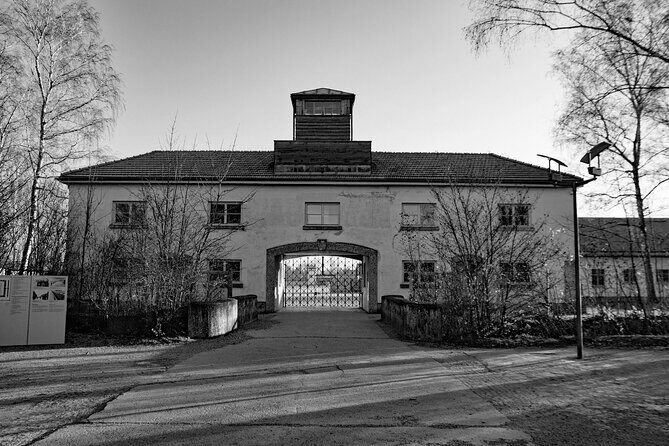
- You’re looking at the first Nazi camp in Germany, opened in 1933 and later expanding into forced labor.
- The tour tackles how the camp worked, including daily life and the roles of guards and prisoners.
- Expect specific discussion of medical experiments, aimed at helpless prisoners.
- Roma victims are not treated as an afterthought, and their stories are included in the tour narrative.
- Survivor accounts shape the experience, giving you a human lens on resilience and survival.
- One transport piece is bundled: the ticket for public transport is included, which helps simplify getting from Munich to the site.
Dachau Memorial: why this first Nazi camp still matters
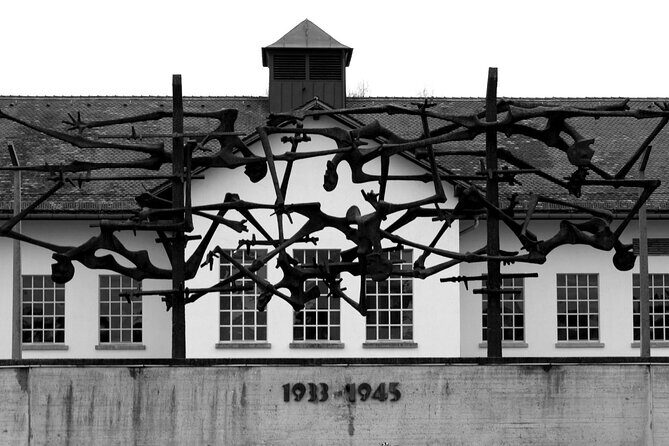
Dachau opened in 1933 as the Nazis’ first concentration camp in Germany, and it started with political prisoners. Over time, it shifted into a forced-labor system—and in its 12 years of operation it held over 200,000 inmates.
What makes this tour more than a history lesson is the emphasis on how the system functioned. You’re not just hearing dates; you’re walking through the logic of terror: what life looked like for prisoners, how authority was exercised, and how the camp became a training ground for future brutality.
The facts alone are staggering. Dachau is described as an “academy of terror,” and sources tied to the tour context note that around 40,000 people from 34 nations were killed before liberation in 1945 by the American army.
You can also read our reviews of more tours and experiences in Dachau.
The 5-hour public tour flow: daily life, guards, and prisoner experience
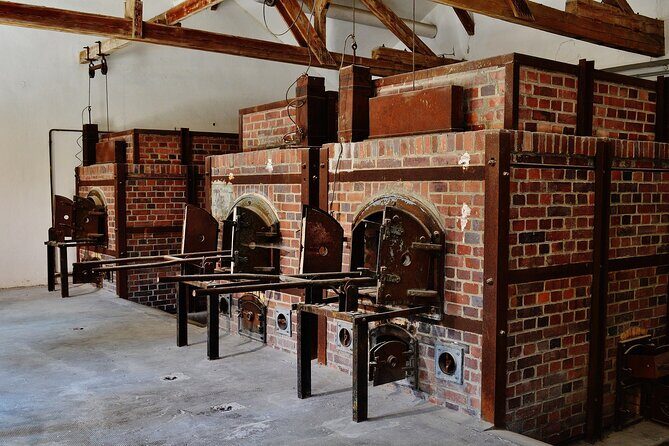
This is a 5-hour public guided tour in English, so it’s long enough to cover the big story arcs without feeling like a quick bus stop photo-op. The focus is built around the camp’s internal dynamics, not only the most infamous images.
You’ll hear about the early purpose of the camp and how it evolved. That matters, because Dachau wasn’t a static place—it developed, expanded, and adapted as Nazi control tightened across Europe.
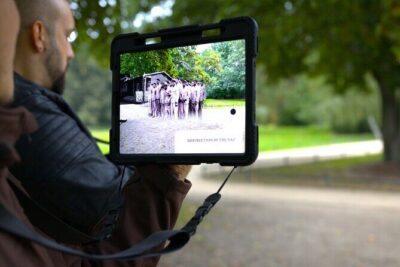
A key part of the experience centers on daily life in the camp: how prisoners lived under constant surveillance, and how guards and the camp structure enforced obedience. Even without walking past every physical detail (some are more about memorial interpretation than sightseeing), the goal is clear: help you understand how routine cruelty was made sustainable.
Why that’s valuable for you: if you tend to understand atrocities as one-time events, this framing helps you see them as systems. Systems are what people build—and that’s why the story remains relevant.
Medical experiments on helpless prisoners: what you’ll be taught to understand
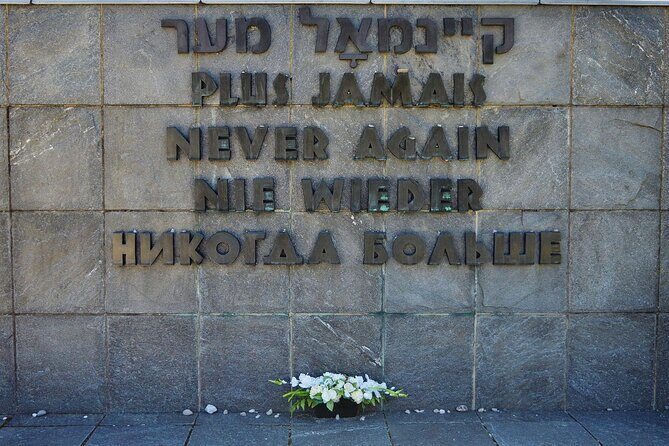
One of the most specific themes included on this tour is the gruesome medical experiments carried out against helpless prisoners. This isn’t vague. The tour is explicitly designed to explain that part of Dachau’s history as part of the wider machine of abuse.
If you’re worried about how the information will feel, plan for emotional weight. This section is the kind of subject that can make your brain want to shut off. The best way to handle it is to slow down and let the guide’s structure carry you: the tour isn’t asking you to absorb everything at once, it’s asking you to understand what happened and how it was enabled.
Practical tip: wear comfortable shoes and take short breaks when you need them. In memorial settings, your pace is allowed to be human. You don’t need to race through the story to respect it.
Roma prisoners’ fate: hearing the stories that often get skipped
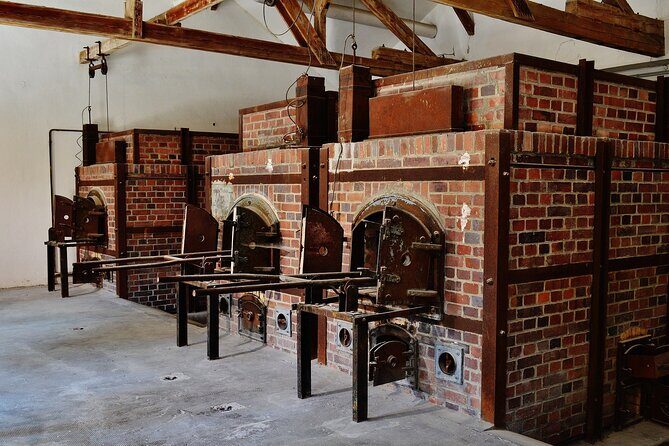
The tour also includes the dread fates of Roma prisoners, with their stories treated as part of the core narrative rather than a side note. That’s important because even when people know about concentration camps generally, specific victim groups can get lost in broad summaries.
What I like about this inclusion is that it pushes you to see Dachau as not only a political-punishment site but part of a larger Nazi persecution program. The guide’s approach (as described in the tour themes) is meant to bring those individual identities back into the picture.
Why it matters: learning who was targeted—and how—helps you connect the camp to the wider history of forced removal, racial ideology, and state violence. You leave with a fuller map of the suffering, not a narrow slice.
Survivor tales and liberation: moving from horror to survival
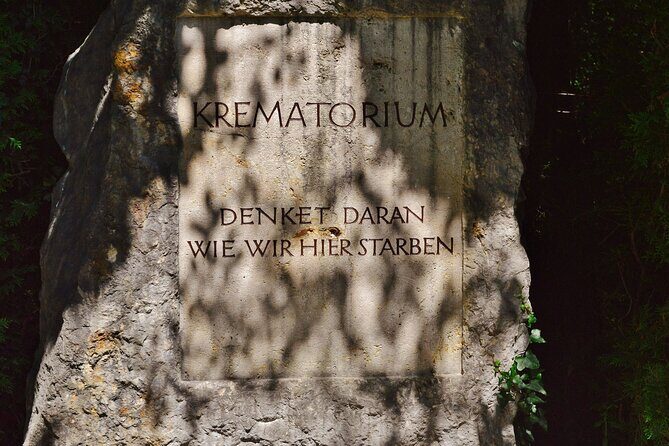
A memorial tour can sometimes get stuck in grim details. This one is designed to include survivor gripping tales and the human perspective on resilience.
That doesn’t make the topic lighter. It does something else: it gives your brain an anchor. You’re able to hold two truths at once—what people endured, and how some people survived long enough to testify.
The provided context also links Dachau’s end to liberation in 1945 by the American army. Having that endpoint matters because it frames the story as part of a timeline with consequences, not a permanent exhibit with no meaning behind it.
Price and value: is $126 for 5 hours fair?
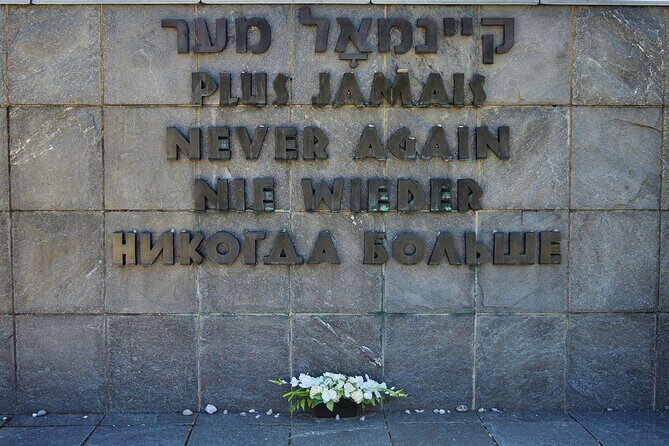
At $126 per person for a 5-hour public tour, you’re paying for a live English guide and a bit more than “just access.” The package includes:
- a local professional guide on the public guided tour
- a ticket for public transport
- an online payment processing fee
What that means for you: the price isn’t only about interpretation time. It also includes the practical cost of getting there from central Munich. If you were planning to buy transit separately, bundling it into the tour can make the overall value feel more sensible.
What’s not included is also clear: no food and beverages. For a 5-hour memorial visit, that affects your planning. Bring water if you can, or plan to buy something afterward near where you’ll be returning. Budgeting for a meal is part of the real cost.
Also note the tour timing is flexible by availability (you’ll check starting times). If you’re trying to line this up with other Munich plans, pick a departure time that doesn’t force you to rush your day.
Meeting at Munich’s Fish Fountain: how to reduce stress
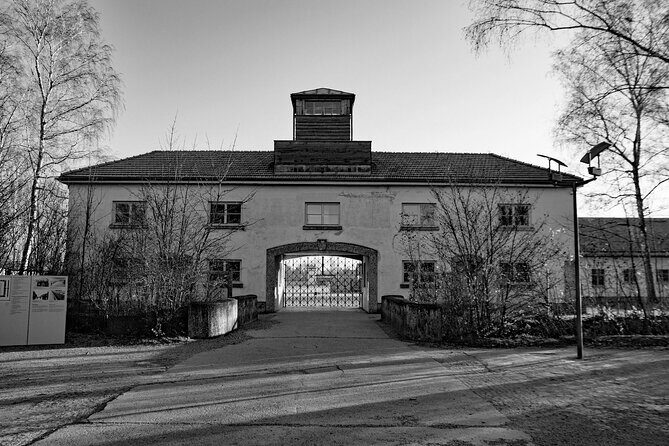
The meeting point is at the Fish Fountain, Marienplatz 8, 80331 München, Germany. Since the tour includes a public transport ticket, you should expect some transit between Munich and the memorial site.
Here’s where I’d be cautious. One past booking reportedly had serious trouble because of conflicting information and an inability to find the guide’s location or contact details. You can’t fix the past, but you can protect your day.
My practical approach if you book this:
- arrive early enough to breathe before you depart
- keep your confirmation details handy on your phone
- double-check the exact meeting instructions before you leave your hotel
It’s a small effort that can save a lot of time when the day is already emotionally intense.
Who this Dachau memorial tour fits best
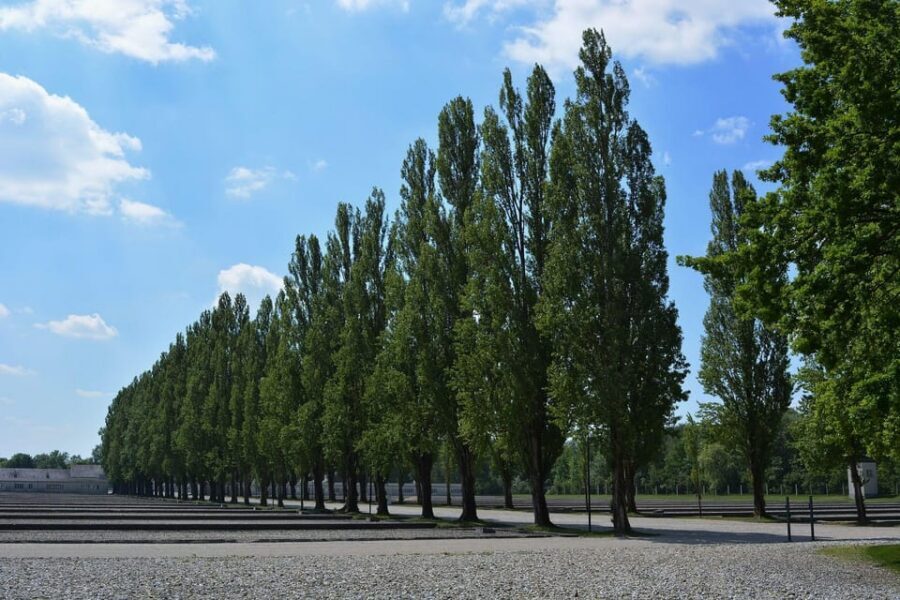
This is best for you if you want more than a passive walkthrough. The tour’s structure—daily life, guards and prisoners, medical experiments, Roma victims, and survivor perspective—works well for travelers who like clear themes and guided explanation.
It’s also a good fit if you’re in Munich and want a guided option with English support. Not every memorial experience offers that, and language matters when you’re dealing with careful, difficult history.
You might pause before booking if you’re extremely schedule-sensitive or you hate any uncertainty around meeting details. The included transit and fixed meeting point help, but the record of at least one “it never happened” type of issue suggests you should take confirmation seriously.
Should you book this Dachau memorial public tour?
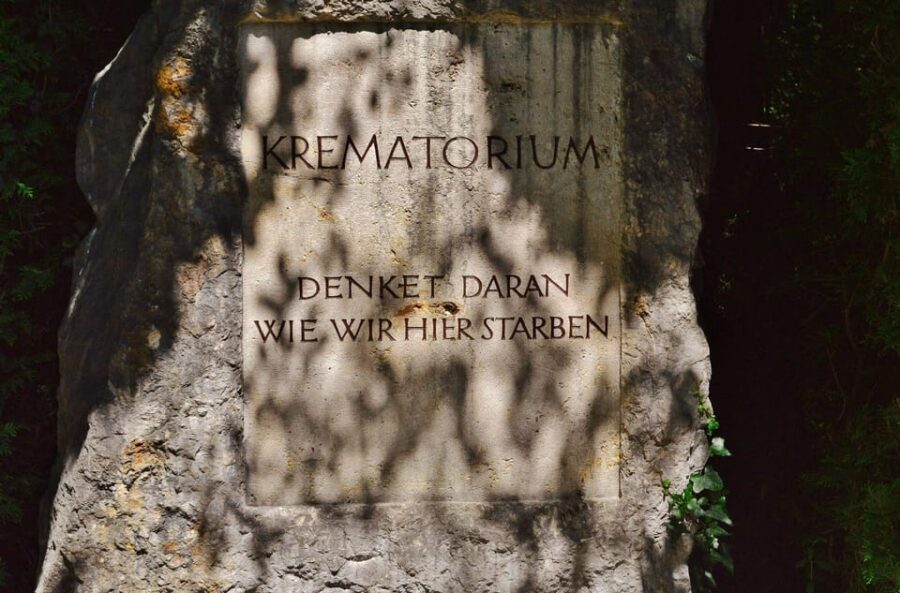
I’d recommend booking only if you’re willing to do two things: show up prepared and give the guide the room to guide. Dachau is a site where the quality of interpretation matters, and the tour’s topic mix—daily camp dynamics, medical experiments, Roma prisoners, and survivor testimony—hits the major themes you’d want covered in a single 5-hour visit.
If you do book, treat it like a serious appointment. Confirm the meeting details ahead of time, arrive early at the Fish Fountain in Marienplatz, and plan your food situation since nothing is included.
If that level of prep sounds annoying, consider an option with more consistent field logistics. But if you want an English guided approach that connects facts to human survival, this tour can be a meaningful use of your time.
FAQ
How long is the Dachau Memorial public tour?
The tour duration is 5 hours.
What language is the tour offered in?
The live tour guide is English.
How much does the tour cost?
The price is $126 per person.
Where is the meeting point?
Meet at the Fish Fountain, Marienplatz 8, 80331 München, Germany.
What is included in the price?
Included are a local professional guide on the public guided tour, a ticket for public transport, and an online payment processing fee.
Is food and beverage included?
No, food and beverage are not included.
What topics does the tour cover?
The tour covers Dachau’s dark history, daily life including guards and prisoners, medical experiments on prisoners, the fate of Roma prisoners, and survivor perspectives on resilience.
Is there free cancellation?
Yes. You can cancel up to 24 hours in advance for a full refund.
Can I reserve first and pay later?
Yes. The option is reserve now & pay later, so you can book your spot and pay nothing today.
When can I start the tour?
The tour runs on starting times based on availability, and you can check availability to see those times.