REVIEW · BERLIN
The Memorial Tour: Visit to Sachsenhausen Concentration Camp (licensed guide)
Book on Viator →Operated by Birchys Berlin Tours · Bookable on Viator
A camp visit turns facts into memory. This small-group Sachsenhausen Memorial tour goes beyond reading— you walk the original camp grounds with a licensed guide in English.
I really like the way the guide’s commentary ties the surviving buildings to how the Nazi regime worked, from the routine systems to the punishments. Guides such as Paul, Aaron, and Stephen are specifically called out for clear explanations, patience with questions, and keeping the group feeling steady.
One caution: this is heavy. You should be ready for a lot of walking on uneven ground and for cold, exposed stretches outdoors—bring real walking shoes and dress for wind and weather. Also, you may need an ABC ticket (extra) if you don’t already have one.
In This Review
- Key things that make this tour worth your time
- Why Sachsenhausen is more than a somber stop
- Getting there from Berlin without losing your morning
- Price and what you actually get for $41.12
- The camp route: what you’ll see, and why each stop matters
- Tower A: entering the main camp space
- The roll-call area: routine as terror
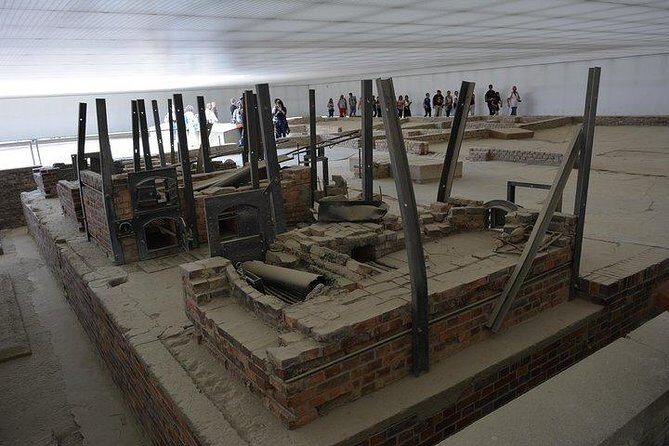
- Pathology building, infirmary, and the mortuary cellar
- Station Z: the execution facility purpose-built for punishment
- Exhibition in the former camp kitchen
- SS and Gestapo prison areas: captivity with a different face
- Former prisoner barrack block: living space as a weapon
- The guide experience: storytelling that keeps the facts straight
- Walking time, weather, and comfort planning
- Who should book this tour (and who should think twice)
- Should you book the Sachsenhausen Memorial tour?
- FAQ
- How long is the Sachsenhausen Memorial tour?
- What time does the tour start?
- Where do we meet for the tour?
- Is the tour offered in English?
- What’s the tour price?
- What parts of the visit are included in the ticket price?
- Do I need an ABC ticket for public transport?
- Is food and drinks included?
- How big is the group?
- Is it refundable if plans change?
Key things that make this tour worth your time
- Original structures, not a fast pass: you see major preserved areas that help you visualize daily control and terror.
- A tight group size (max 15): less crowding means more chances to ask questions.
- Tower A and the roll-call setup: you get the purpose and flow of the camp, not random facts.
- Station Z and the SS/Gestapo prison areas: punishment spaces are explained in context.
- Time to regroup and breathe: bathroom breaks and short pauses keep the pace humane for a tough subject.
- English-led guidance with solid Q&A: the best parts are how the guide answers your questions on the spot.
Why Sachsenhausen is more than a somber stop
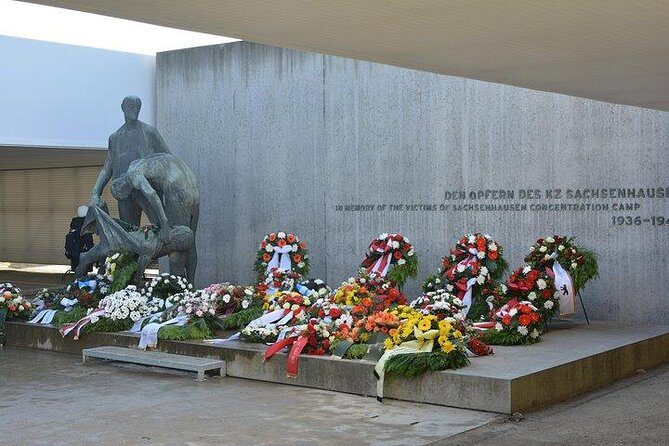
Sachsenhausen sits about 30 km north of Berlin, in the Oranienburg area. Even when you know the broad story of the Third Reich, standing in the preserved areas makes it harder to stay at a distance. This tour is built to help you connect dates and ideologies to physical places—tower, gates, roll-call spaces, detention cells, and sites tied to punishment.
I like that the tour doesn’t treat the memorial like a box-checking exercise. The structure of the visit pushes you to understand how the camp system functioned: control through routines, humiliation through confinement, and brutality carried out with deliberate purpose. That’s where a licensed guide earns their keep. You’re not just looking; you’re decoding what you’re looking at.
Also, the group stays small. With up to 15 people, it’s easier for the guide to keep track of the mood and answer questions without rushing. For a topic that can feel overwhelming, that matters.
You can also read our reviews of more guided tours in Berlin



Getting there from Berlin without losing your morning
The meeting point is outside Hopfingerbrau, Ebertstraße 24, 10117 Berlin—next to the Brandenburg Gate area. The tour starts at 10:00 am and returns to the same meeting point.
In practice, the trip out to the memorial takes you north into Oranienburg’s outskirts. A public-transport approach is commonly described, including a train option (RE5 has been mentioned), followed by a walk to the camp grounds. That walk is not huge, but it’s real—one account notes about a mile, and another mentions a longer walk if you miss a connection.
A few things to do for a smoother day:
- Plan to arrive early so you’re not late to the briefing.
- Wear shoes you can trust on outdoor paths.
- Bring layers. One group note describes shifting weather, from sunny/cool to overcast with wind.
If you want a stress-free start, this is a good choice because the tour includes direction from the first meeting moment. And since it’s offered in English, you won’t be stuck piecing together the story in translations.
Price and what you actually get for $41.12
This tour costs $41.12 per person and runs about 5 hours.
Here’s how the value stacks up. The core experience includes:
- Entry/admission to the Sachsenhausen memorial grounds
- A guided route through the key sites (about 3 hours on the site, with the admission ticket included)
- A licensed guide and interpretation in English
- A mobile ticket
What’s not included is equally important to know:
- Food and drinks
- Bus fare / transit costs you may need in addition to your own travel pass
- An ABC ticket may be required if you don’t already have one; if so, it’s listed as €4.70 per person, and the guide is happy to help with that
If you’re trying to budget, this is one of those tours where the base price is only the beginning. The memorial day includes transit and time outdoors, and you’ll want to factor in a meal or snacks you can carry. Still, considering you’re paying for a licensed guide and admission tied to a focused route, the pricing feels fair for what you get.
The camp route: what you’ll see, and why each stop matters
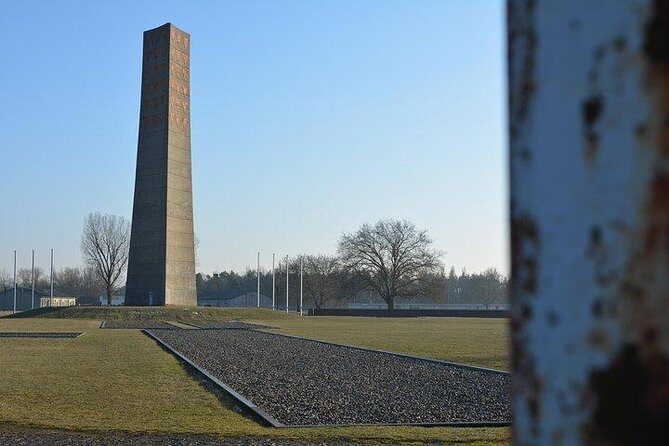
This is the part that makes Sachsenhausen different from a generic overview. The visit is designed around major preserved sites, so you see the system in parts, then you start to understand the whole machine.
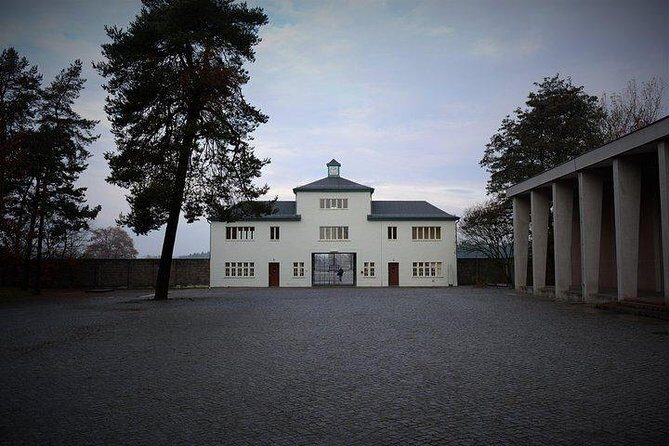
Tower A: entering the main camp space
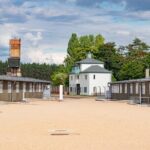
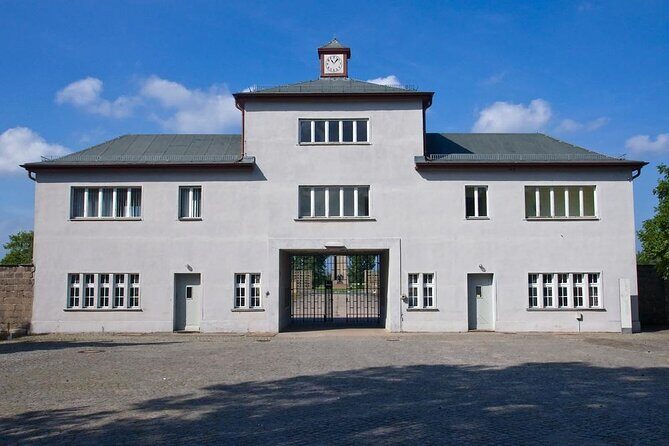
The route begins with Tower A, which functions like a gateway into the main camp compound. Seeing this early helps you understand one of the memorial’s most chilling lessons: surveillance and control weren’t accidental. They were built into the camp design and into the daily rhythm.
Even if you’ve read about “control,” Tower A gives you a physical reference point. It’s easier to grasp why prisoners lived under constant observation, and why public routines like roll call carried such weight.




The roll-call area: routine as terror
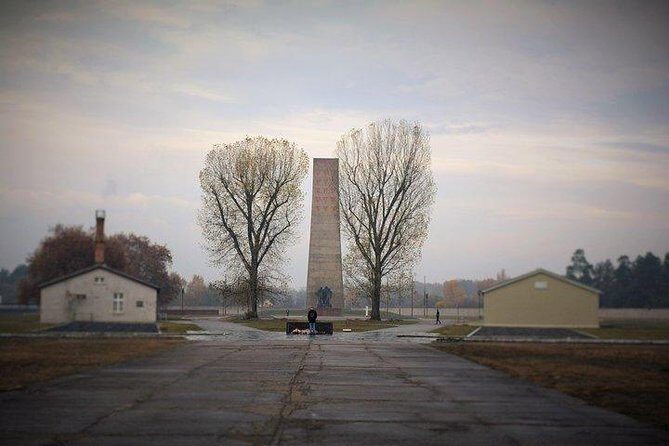
Next comes the roll-call area. This is where the camp’s daily structure becomes visible. Roll call wasn’t only about counting people. It was about power—forcing bodies into synchronized stillness, turning time into discipline, and making the camp’s hierarchy feel inescapable.
With a guide’s commentary, roll call also becomes a lens for everything else. You start to see how the regime used schedules and visibility as tools of domination.
Pathology building, infirmary, and the mortuary cellar
Then you’ll move through medical-adjacent spaces: the pathology building, infirmary buildings, and the mortuary cellar. This segment is hard. It also carries meaning, because it shows how the machinery of the camp reached beyond forced labor and confinement.
When a guide explains these rooms in context, the stops stop being “just rooms.” They become part of a system—one that treated human suffering as something to process, manage, and hide.
Station Z: the execution facility purpose-built for punishment
Station Z is the execution facility built for that grim work. This is one of the most emotionally intense parts of the tour. The value here isn’t sensationalism; it’s clarity about purpose and function.
A licensed guide helps you hold two ideas at once: this was local to Sachsenhausen, but it also reflects a broader Nazi pattern of punishment and elimination carried out through established mechanisms.
Exhibition in the former camp kitchen
You’ll also pass through the former camp kitchen area for an exhibition. This is a crucial shift. It’s a reminder that the camp wasn’t only built for terror; it was run like an operating system that included feeding, staffing, and logistics—even when those systems were cruel and exploitative.
This stop often helps people connect the dots between daily survival conditions and the broader goals of the regime.
SS and Gestapo prison areas: captivity with a different face
The tour includes the SS and Gestapo prison sections. This is where the story of camp custody becomes more specific. Different authorities meant different methods, and captivity could shift from administrative control to direct brutality.
With the guide’s explanation, you learn to read what you’re seeing: who held power here, and how detention was used to crush resistance, enforce compliance, or erase targeted people from the Nazi worldview.
Former prisoner barrack block: living space as a weapon
Finally, you’ll see a former prisoner barrack block. This is where the camp’s human scale lands. You feel how constrained space becomes a tool—how comfort is removed, how privacy disappears, and how even shelter becomes part of the punishment.
It’s the kind of stop that can make you pause. If you’ve come for history, this is where history turns into something you can picture.
The guide experience: storytelling that keeps the facts straight
The biggest praise across accounts is simple: the guide does the heavy lifting so you don’t have to. The tour isn’t only about walking; it’s about understanding.
What stands out in the comments is:
- Strong explanations with room for questions
- A calm approach that helps you feel comfortable, even when the content is brutal
- Guides like Paul, Aaron, and Stephen described as friendly, attentive, and ready to answer on the spot
One practical note: a small number of people mentioned that guide clothing was casual, so you might not instantly recognize them by appearance. That’s minor, but it’s worth scanning the meeting point area for the tour group and any visible identification.
Also, this is a day where group pacing matters. A good guide keeps you moving, but not in a sprint. The tour route includes time to take in exhibits and to handle basic needs without derailing the schedule.
Walking time, weather, and comfort planning
This is not a “sit in the bus and listen” tour. The pace expects walking for several hours across outdoor and indoor spaces. The memorial grounds involve transfers, uneven paths, and time outdoors during parts of the route.
Plan like this:
- Bring walking shoes (you’ll be glad you did)
- Add a layer or two for wind—Sachsenhausen can feel exposed
- If you’re sensitive to heavy topics, give yourself permission to take short pauses and breathe when needed
This tour is also listed as accessible for those with limited mobility. Still, because it’s a walking-focused route, it’s wise to be honest about your comfort level before you go. If you need a low-mobility day, ask the operator what to expect for your specific needs.
Who should book this tour (and who should think twice)
This tour fits best if you want:
- A focused, guided visit to major Sachsenhausen sites
- Clear context about how the Third Reich used concentration camps
- A small-group day where you can ask questions
It may be a rough fit if you:
- Don’t handle emotionally heavy historical topics well
- Struggle with multi-hour walking and outdoor exposure
- Prefer a more casual, unscripted experience without a structured route
That said, the small group size is a real benefit. If you want the experience to feel respectful and personal instead of crowded, this format helps.
Should you book the Sachsenhausen Memorial tour?
I’d book it if you’re planning a Berlin trip and you want a guided day that uses the site itself to explain the Nazi camp system. The price is reasonable for an English-led, licensed guided route with admission included, and the small group size makes the explanations easier to follow when the topic is intense.
I’d think twice if walking or emotional intensity is a major issue for you. This place is designed to confront you with what happened. If you’re ready for that, the guide-led route gives you the context that helps the visit make sense instead of feeling like random stops.
If you do book, bring your patience, good shoes, and a willingness to listen. This tour’s value is in how the route turns buildings into understanding.
FAQ
How long is the Sachsenhausen Memorial tour?
It runs about 5 hours in total.
What time does the tour start?
The start time is 10:00 am.
Where do we meet for the tour?
You meet outside Hopfingerbrau on Ebertstraße 24, 10117 Berlin (next to the Brandenburg Gate area).
Is the tour offered in English?
Yes, it’s offered in English.
What’s the tour price?
The price is $41.12 per person.
What parts of the visit are included in the ticket price?
Entry/admission is included, and a ticket for about 3 hours at the site is included as part of the experience.
Do I need an ABC ticket for public transport?
You may need an ABC ticket if you don’t already have a travel pass. The listing notes €4.70 per person for the ABC ticket, and guides are happy to help.
Is food and drinks included?
No. Food and drinks are not included.
How big is the group?
The tour has a maximum of 15 travelers.
Is it refundable if plans change?
Yes, free cancellation is available up to 24 hours in advance for a full refund.