REVIEW · STUTTGART
Stuttgart: Stuttgart Wine Museum Wine Tasting
Book on GetYourGuide →Operated by Stuttgart-Marketing GmbH · Bookable on GetYourGuide
A one-hour wine lesson in Stuttgart? Yes. This tasting at the Stuttgart Wine Museum pairs three regional wines with an expert explanation of local viticulture, and it feels like a smart warm-up for your weekend. I especially like the focus on how grapes are grown and why certain varieties matter here. The only real catch is that the tour is German only, so non-German speakers may miss parts of the story.
You’ll sit down, taste your way through the Stuttgart region, and snack as you go. The wine lineup changes weekly, so you’re not just doing a repeat of the same pours. Still, because it’s one short session, it’s best if you go in ready to taste and learn, not ready for a long wine crawl.
In This Review
- Quick hits from the Stuttgart Wine Museum tasting
- Stuttgart Wine Museum: a relaxed tasting with real grape context
- What you’ll taste: white, red, and rosé with weekly rotation
- The snack pairing: salami, olives, cheese cubes, and bread
- Learning in a German-only setting: plan how you’ll follow along
- Price and value: what $31 buys you in one focused hour
- Who this Stuttgart wine tasting suits best
- Timing it right: a smart pre-dinner plan in Stuttgart
- Should you book Stuttgart Wine Museum Wine Tasting?
- FAQ
- How long is the Stuttgart Wine Museum wine tasting?
- How many wines will I taste, and how much is each pour?
- What snacks are included?
- Is the tour in English?
- What types of grapes or wines might be included?
- Is it suitable for children?
- What do I need to bring?
Quick hits from the Stuttgart Wine Museum tasting
- Viticulture-first learning: you get facts about how the grapes and vineyards work, not just trivia
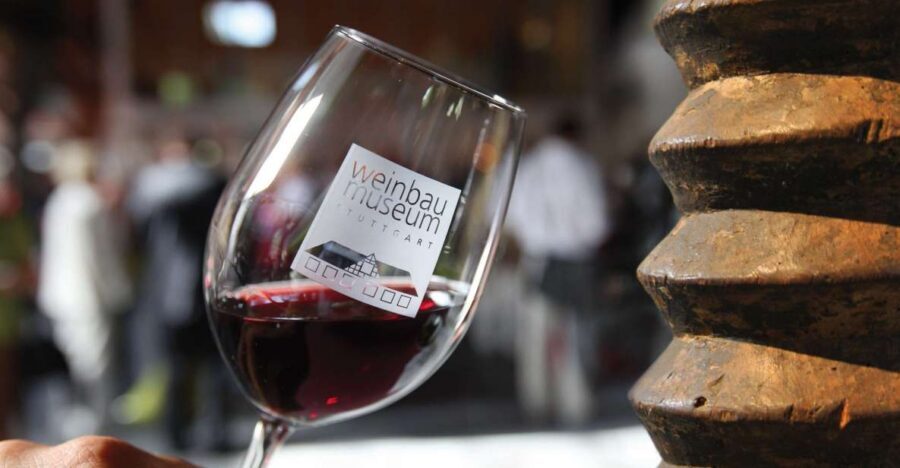
- Three 0.1 l pours each week: one glass each of white, red, and rosé
- Wines rotate by season and selection: expect different grape choices from week to week
- Snack pairing that stays simple: salami, olives, cheese cubes, and bread to keep everything balanced
- German-language wine expert: great if you speak German, limiting if you don’t
Stuttgart Wine Museum: a relaxed tasting with real grape context
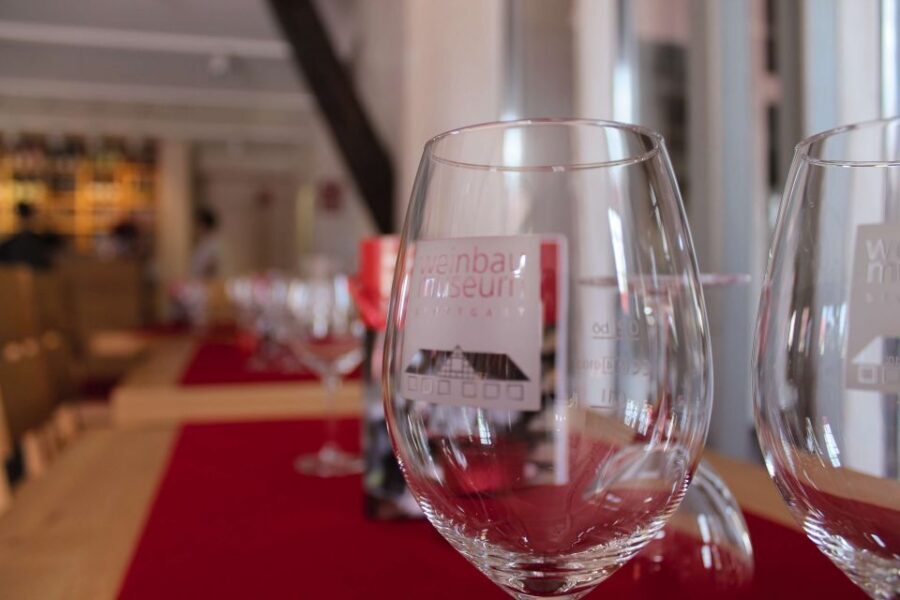
Stuttgart is one of those German wine cities where you can feel the seriousness about vines, even when you’re not surrounded by vineyards. This tasting inside the Stuttgart Wine Museum keeps it friendly and human-sized. The format is built for a calm evening: arrive, meet your wine expert, and move through three wines with explanations as you taste.
What works well here is that the learning isn’t theoretical. You’re not just shown a label and told to be impressed. You taste first, then the expert connects what you’re noticing to grape varieties and regional growing conditions. That’s why the experience earns such strong feedback for information about wine cultivation, and for the museum and its surroundings as part of the atmosphere.
Another plus is how social it feels without being chaotic. You’re sharing the table with other people, working through the same three wines, and eating the same snack set. It’s an easy way to start your weekend in Stuttgart without turning it into a full-day production.
One thing to note: you should plan for this to be a short, concentrated session. It’s listed at one hour, so you’ll get a good intro, but you won’t walk out with a master sommelier skill set. If you want that, you’d pair this with a longer wine-focused activity later.
You can also read our reviews of more food & drink experiences in Stuttgart



What you’ll taste: white, red, and rosé with weekly rotation
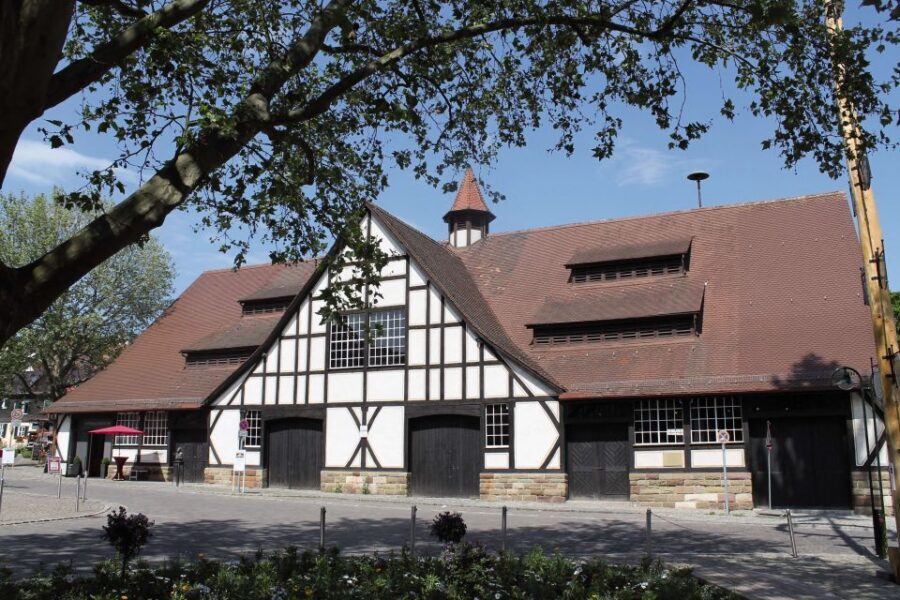
The core of the tasting is straightforward and generous for the time you have. Each session includes three regional wines, with 0.1 l for each: one white, one red, and one rosé. The selection changes weekly, so if you’re visiting multiple times or comparing dates, you won’t be stuck tasting the same trio.
Where it gets interesting is the range of grapes you can encounter. The tasting covers Stuttgart-region varieties that can run from crisp and tangy to darker and spicier. From the information provided, you may come across options like Riesling, Pinot Gris, and Lemberger. That trio alone gives you a taste map: something bright and acidic, something more textured, and something with a warmer, spicier profile.
The expert is there to connect each wine to what you’re tasting and what makes it typical for the area. That matters because wine can feel mysterious if you only rely on your palate. With the guidance, you start to build a mental checklist: acidity, fruit style, spice level, and how the grape variety tends to behave in Stuttgart.
If you’re the type who likes to learn as you go, this weekly rotation is a big advantage. You can book a date that fits your schedule and still feel like you’re getting something specific to that week rather than a canned script.
The snack pairing: salami, olives, cheese cubes, and bread
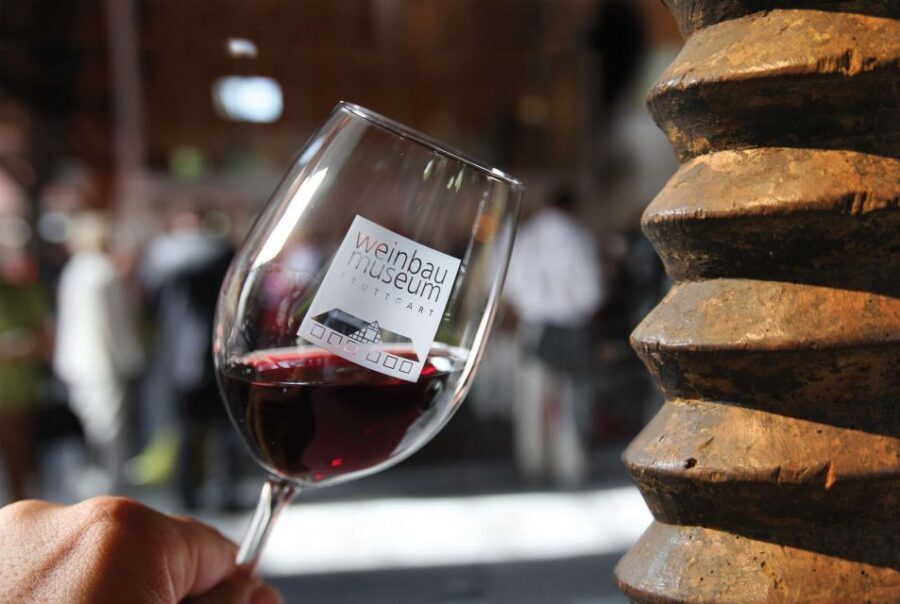
Wine tastings sometimes forget the food part. This one doesn’t. Along with your three pours, you get a small snack spread designed for simple pairing: salami, olives, cheese cubes, and bread.
In practice, this helps your tasting a lot. A little salt and fat from the cheese and salami can smooth out sharp edges in a white wine, while bread gives you something neutral between sips. Olives add a briny note that can make you pay attention to the savory side of the red or rosé instead of only the fruit.
You don’t need to figure out where to eat first or worry about holding out until dinner. It’s a tidy package that keeps the evening comfortable, especially because the event is only one hour long.
If you have food allergies, you’ll want to check with the operator directly before booking, since the exact ingredients beyond these items aren’t listed here. But for most people, this snack selection is the practical kind: it’s enough to stay happy, not so much that you feel overly full during the tasting.
Learning in a German-only setting: plan how you’ll follow along
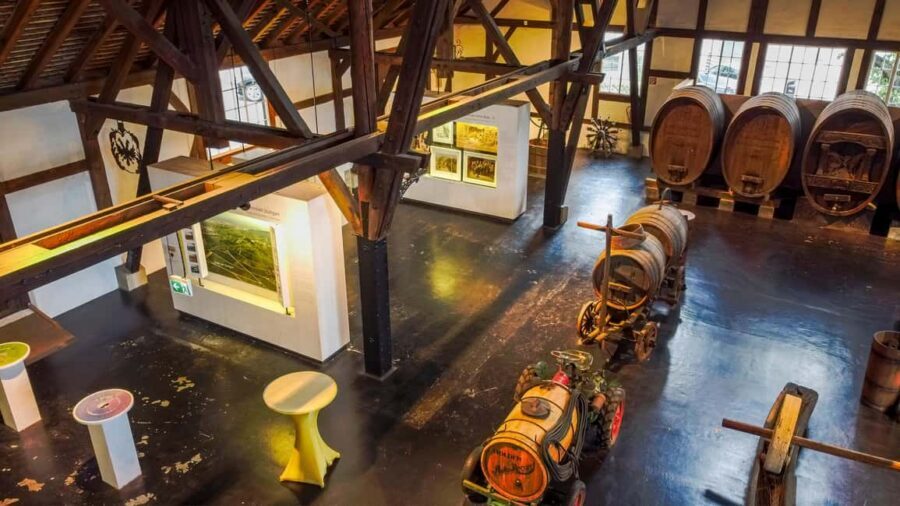
Here’s the main consideration, and it’s worth treating seriously: the tour is in German only. That’s not a deal-breaker for everyone, but it does shape how much you’ll get out of it.
If your German is basic, you can still taste and compare the wines. You’ll likely recognize some grape names like Riesling or Pinot Gris, and you can use the wines themselves as the anchor. But the explanations about viticulture, background on wineries, and how the region’s grapes fit together may be harder to fully track.
If you do speak German comfortably, you’re in a sweet spot. The format is ideal for learning because the expert ties sensory impressions to grape varieties. That kind of live explanation is hard to replicate with a written guide or a phone app during a quick tasting.
So my practical advice: book it if you can handle German wine talk, or pair it with a little pre-reading about the main grape varieties you expect in Stuttgart. If you can’t do either, consider asking a friend to tag along who can translate, or treat it as more of a taste experience than a deep lesson.
Price and value: what $31 buys you in one focused hour
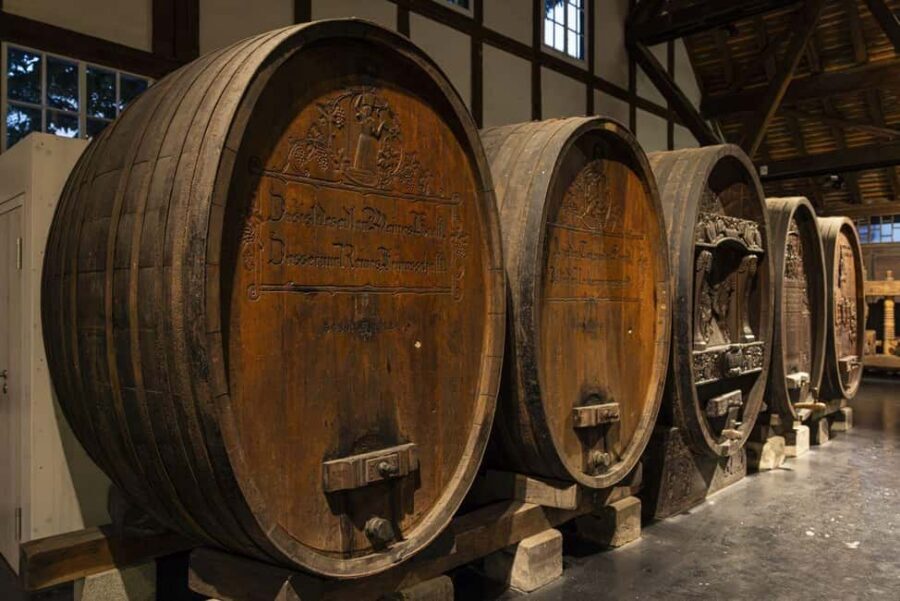
At $31 per person for a one-hour tasting, you’re paying for three things: wine, a small food pairing, and an expert-led guided explanation.
Is it expensive? Not really, for what you get, especially because you’re not just tasting one wine. You’re getting three (white, red, rosé), and each is a proper pour amount at 0.1 l. That’s a meaningful tasting flight, enough to compare styles and build impressions.
The snack set also adds value. Salami, olives, cheese cubes, and bread are simple, but they make the tasting more enjoyable and more balanced than drinking wine on an empty stomach.
The expert component is the real differentiator. A tasting becomes worth it when you leave with clearer understanding, not just pleasant sips. The ratings show that the strongest part of the experience is the information—especially around wine growing and the background of the museum and surrounding area—which is exactly what you’d want at this price point.
One more value angle: this is a weekly option. Since the selection changes, you’re less likely to feel like you wasted money on a routine itinerary item. You can schedule it before dinner or as your first stop when you want something low-stress but still culturally on point.
You can also read our reviews of more museum experiences in Stuttgart



Who this Stuttgart wine tasting suits best
This is a good fit if you want a short, guided start to your Stuttgart weekend. It’s especially suitable for:
- People who like wine education without a formal class
- Visitors who enjoy comparing grape varieties and styles
- Anyone who wants a calm, social evening that doesn’t require planning a whole food-and-wine route
It’s less suitable if you need everything in English. Because the tour is German only, non-German speakers may find it harder to follow the explanations, even though tasting itself is still possible.
Also, it’s not suitable for children under 18, so plan it as an adult-focused activity.
Timing it right: a smart pre-dinner plan in Stuttgart
One of the best things about the one-hour format is how easily you can plug it into a day. Treat it like your warm-up act. Taste, learn, snack, then head out for dinner with more context in your head.
Because the wines are region-focused and the session includes background on wineries and local viticulture, you’ll likely find it easier to order wine afterward. Even without becoming a wine nerd overnight, you’ll start thinking in categories like grape style and typical flavor patterns.
If you’re planning other Stuttgart sights, this tasting works as a light anchor rather than a time sink. You don’t need a full afternoon free, and it doesn’t drain your energy the way longer tours can.
If you’re visiting with friends, it’s also a good group activity: you all share the same tasting flight and can compare impressions immediately after.
Should you book Stuttgart Wine Museum Wine Tasting?
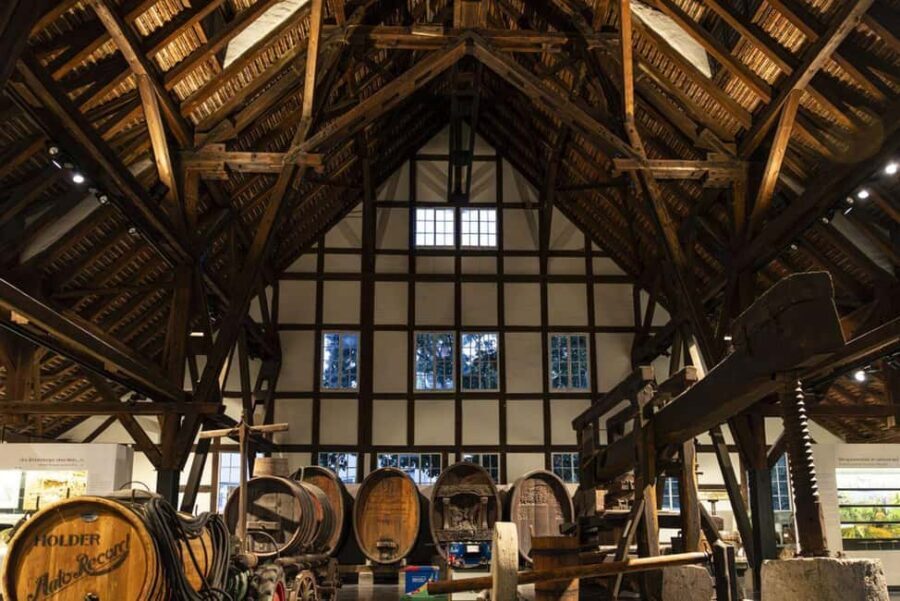
Book it if you want a relaxed, adult evening with three regional wines, a snack pairing, and an expert-led focus on grape varieties and Stuttgart viticulture. The fact that the wine selection changes weekly makes it a flexible option rather than a one-note tourist stop. And with a 4.7 rating from 55 reviews, the balance of learning and tasting seems to land well.
Skip it or choose a different option if German-only tours would frustrate you. If you can’t follow the wine expert’s explanations, you’ll still taste wine, but you may not get the full value of what this experience is designed to deliver.
In short: for wine lovers who can handle German, this is a high-value, low-stress way to start your Stuttgart weekend with something local.
FAQ
How long is the Stuttgart Wine Museum wine tasting?
The tour lasts 1 hour.
How many wines will I taste, and how much is each pour?
You’ll taste three regional wines: one white, one red, and one rosé. Each is 0.1 l.
What snacks are included?
The tasting includes snacks such as salami, olives, cheese cubes, and bread.
Is the tour in English?
No. The live tour guide speaks German only.
What types of grapes or wines might be included?
The information provided says you may taste wines with grape varieties such as Riesling, Pinot Gris, and Lemberger, and the selection changes weekly.
Is it suitable for children?
No. It’s not suitable for children under 18.
What do I need to bring?
Bring a passport or ID card.