REVIEW · STUTTGART
Stuttgart: entertaining guided tour to old town highlights
Book on GetYourGuide →Operated by k3 stadtführungen · Bookable on GetYourGuide
A quick walk that adds real context. I like how this tour turns Neues Schloss and its baroque presence into an easy starting point, and I also like the way you move through Schillerplatz and Palace Square with a guide who connects buildings to everyday city life. One thing to consider: the vibe can skew more “explainer” than “stand-up,” and it runs in German, so it may not feel as fun if you want lots of laughs and minimal talking.
Stuttgart sits between forest and vines, and in 1.5 hours you get a guided feel for how a settlement founded in the 10th century grew into a major German city. You’ll walk at a comfortable pace, hit several top sights, and finish right where you started, which makes it a neat add-on even on a busy day.
If you enjoy city architecture, public squares, and quick museum context, this guided format is a good deal. And if you’re easily annoyed by midday heat, plan for sun along the way and bring water just in case.
In This Review
- Key highlights I think are worth your time
- Stuttgart old town on foot: what you cover in 90 minutes
- Meeting at the New Castle music pavilion: start smoothly
- Neues Schloss and the Württemberg State Museum: why the guide starts here
- Schillerplatz and Palace Square: where the city shows up in public life
- Hauptbahnhof architecture stop: the train station isn’t just for trains
- Culture-mile art museums: how to extend the tour in the right direction
- Palace Garden: the green reset that makes the walk feel shorter
- Shopping and leisure tips from your German guide
- Price and value: $16 for an efficient Stuttgart orientation
- A balanced look at what can affect the experience
- Should you book this Stuttgart old town highlights walking tour?
- FAQ
- Where does the tour start?
- How long is the walking tour?
- How much does it cost?
- What’s included in the price?
- What language is the guide speaking?
- Does the tour end at the meeting point?
- Can children join?
- Is there free cancellation?
- Is there a reserve and pay later option?
Key highlights I think are worth your time

- Neues Schloss as the tour’s center of gravity, with context about what’s inside (Württemberg State Museum)
- Schillerplatz and Schlossplatz (Palace Square), two civic spaces where Stuttgart’s identity shows up fast
- A practical architecture stop at Hauptbahnhof, noted for its 19th-century style
- A culture-mile thread through art museums, so you know where to go next if you like galleries
- Palace Garden as a breather, Stuttgart’s big green reset during a short walk
- Shopping and leisure tips from your guide, tailored to what to do after the tour
Stuttgart old town on foot: what you cover in 90 minutes

This is a short guided walking tour designed to get you oriented quickly. In about 1.5 hours, you’re not trying to “see everything.” Instead, you’re getting a smart sweep of major landmarks and public spaces—plus enough explanation to help you recognize what you’re looking at later.
You start near the New Palace area and you’ll work your way through key old-town points such as Schillerplatz and Palace Square. Along the route, the guide brings in architecture notes (including baroque and 19th-century details) and a sense of how the city functions beyond postcards. For many visitors, that’s the real win: it turns a walk into a story you can keep following on your own.
The tour is also a straightforward length for planning. If you have museums later, an appointment in the afternoon, or just want to build confidence for self-guided exploring, this timing fits well.
You can also read our reviews of more guided tours in Stuttgart



Meeting at the New Castle music pavilion: start smoothly
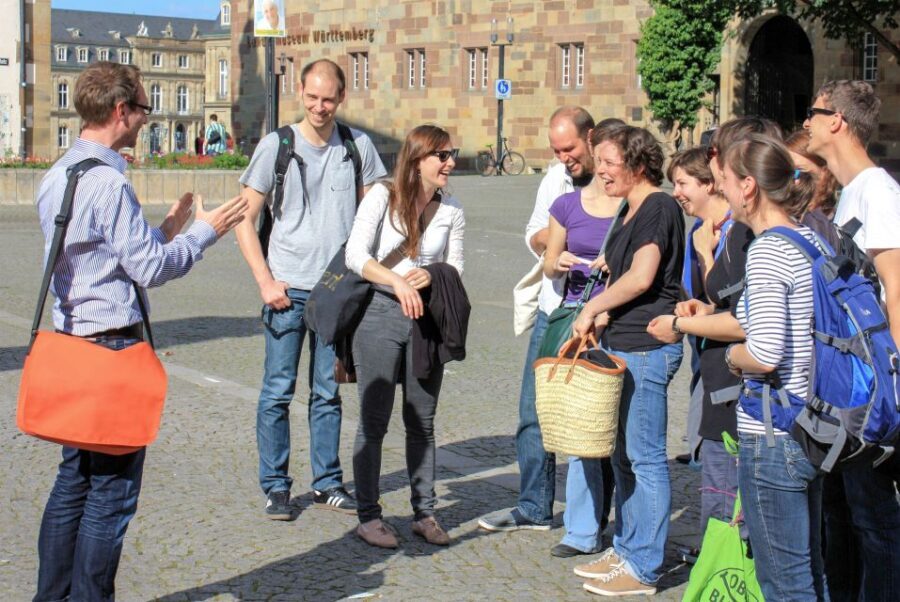
Your meeting point is in front of the New Castle, at the music pavilion with an orange bag. That’s helpful because it’s a clear visual cue, and it places you right where Stuttgart’s “big picture” begins.
Because you meet at the New Castle area, the tour can get rolling without a long travel segment. You’re immediately in the right neighborhood for the first landmark, and the guide can set the tone and explain the theme early: Stuttgart’s growth, its architecture, and how squares and streets shape day-to-day life.
Also note the tour language is German. If you’re comfortable with basic German—or you just want the structure and context even if you miss some words—you can still benefit. If not, you may want to pair it with an app-based translation plan so you don’t feel lost.
Neues Schloss and the Württemberg State Museum: why the guide starts here
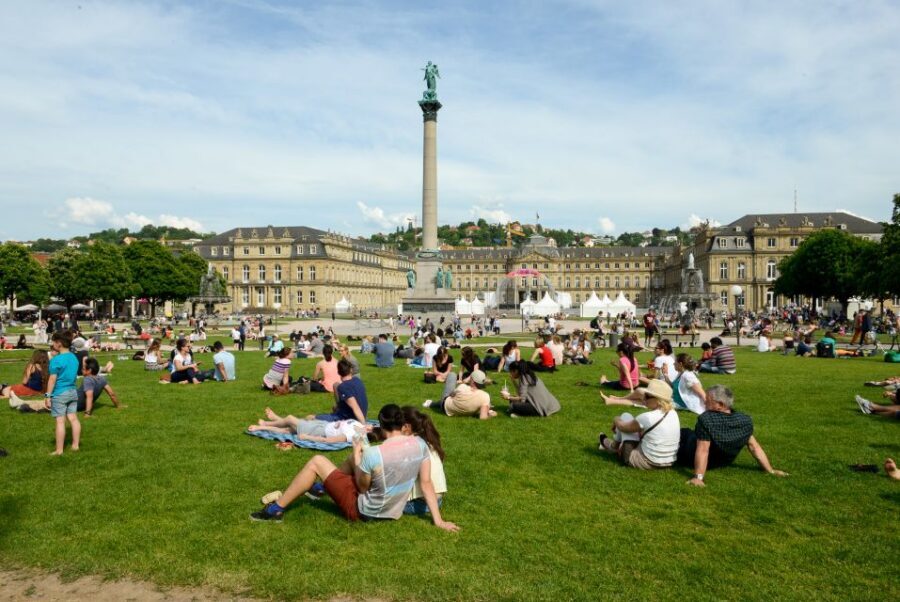
Neues Schloss is the tour’s first major anchor, and it’s a strong one. The building is described as imposing and baroque, and it now houses the Württemberg State Museum.
What you should look for (and what the guide helps you catch) is the way a palace can function like a civic billboard. Even if you never step inside the museum during the tour, you learn what to notice: the architectural style, the significance of the location, and the idea that Stuttgart’s cultural institutions grew up around major monuments.
If you’re an art lover, this stop matters for planning. The tour explicitly points you toward museum culture, so you’ll know where to go next if you want to spend more time with regional artworks and artifacts. If you’re more into architecture than art, you still benefit, because the guide connects style and time period to the city’s development.
A small practical tip: stand where you can see the full facade rather than only the closest corner. Baroque details often reward a step back.
Schillerplatz and Palace Square: where the city shows up in public life
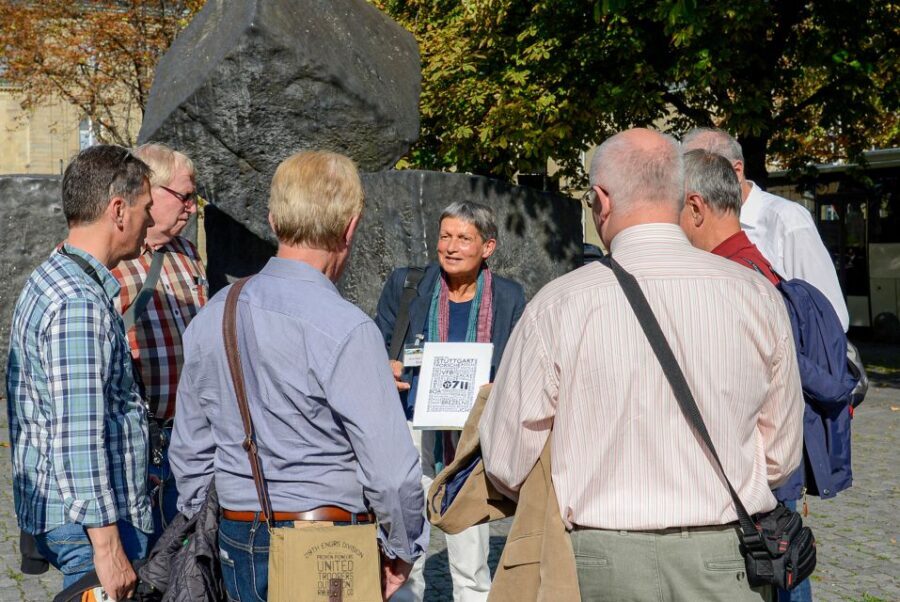
From there, you move toward Schillerplatz and Palace Square (Schlossplatz). These aren’t just “pretty stops.” In a guided walk like this, squares are the connective tissue. They’re where the guide can explain how Stuttgart lays out civic space, how people move through the center, and why certain buildings feel like natural meeting points.
Schillerplatz gives you a quick sense of Stuttgart’s official and cultural identity. Palace Square then reinforces the palace-and-government feel, while also giving you a chance to compare how different styles and layouts create different moods.
This is also where you’ll feel the walking-tour advantage. Seeing these places on your own is nice, but with a guide, you get the shortcuts: what each space represents and what it helps you orient to later.
Hauptbahnhof architecture stop: the train station isn’t just for trains
You’ll also pass or stop for Hauptbahnhof, which the tour highlights as an impressive example of 19th-century architecture.
That detail is more useful than it sounds. A lot of people treat a train station as a transit blur. Here, you’re given a reason to slow down and notice. The guide helps you read the station as part of Stuttgart’s architectural story, not just as a place to catch a ride.
If you’re the type who likes seeing how big infrastructure reflects national and regional style, this stop gives you that “ah, I get it” moment. And even if you don’t care about architecture, the station can still help you orient because it sits at a major center point. You’ll be more confident navigating afterward.




Culture-mile art museums: how to extend the tour in the right direction
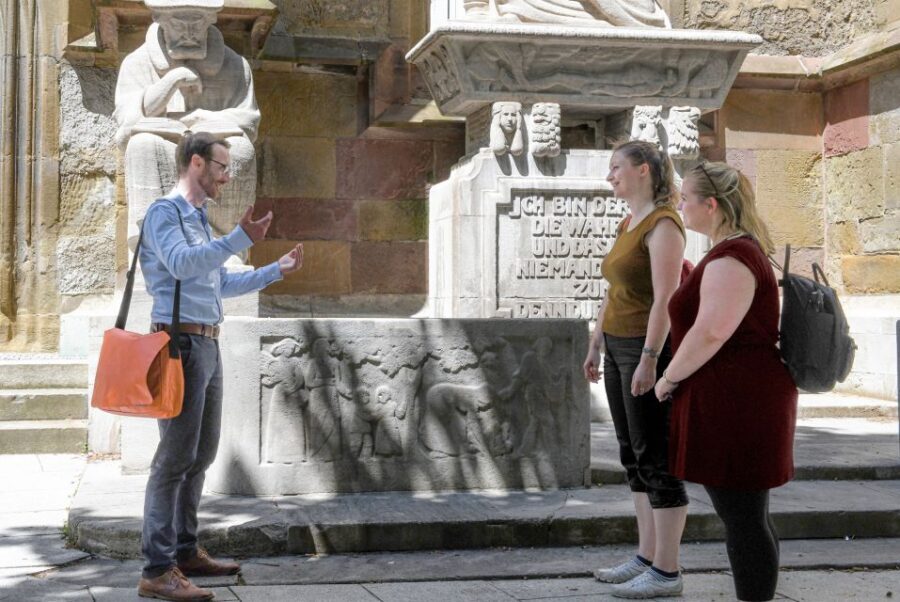
The route mentions Stuttgart’s culture mile, with numerous art museums along the way. During a short guided walk, that kind of mention is gold because it prevents you from guessing.
Here’s how I’d use this on your own: write down the museum names you hear (or check them on the spot if you can), then decide later based on your time. If you only have a half-day, you can pick one museum and make it count. If you have more flexibility, you can plan a small “museum loop” rather than wandering randomly.
This is also where the guide’s role goes beyond sightseeing. A good city guide doesn’t just point; they suggest the next smart step based on interests like art focus, pacing, or what’s best on the day you’re there.
Palace Garden: the green reset that makes the walk feel shorter
You’ll visit palace garden, described as one of the largest green areas in the city. Even if you’re not a “garden person,” this stop works because it breaks up the stone-and-sightseeing part of the day.
In 90 minutes, you can end up feeling like you never stop moving. Palace garden gives you a mental pause. It also helps you understand Stuttgart’s setting between forest and vines, because you can feel how the city keeps a strong green outlet near its center.
If you take nothing else from this tour, take this: the tour isn’t only about monuments. It’s also about balance—architecture and nature side by side.
Practical thought: if you’re visiting on a hot day, green spaces can offer shade, but the route can still include sun between stops. Bring water, and consider sun protection.
Shopping and leisure tips from your German guide
One of the most useful parts of this experience is that your guide is meant to share exclusive tips for leisure activities and shopping. That kind of advice is exactly what makes a guided tour worth more than a self-guided route.
You’ll likely get pointers on where to spend time after the walking portion ends, and how to plan around your interests. This is especially helpful in Stuttgart because it’s a city where neighborhoods and shopping streets feel very intentional—you’ll get more out of wandering when you know what direction makes sense.
Because the tour runs in German, the advice might move quickly. If you want to capture it, I suggest you keep your phone notes ready or jot down key shop streets and museum names as the guide mentions them.
Price and value: $16 for an efficient Stuttgart orientation
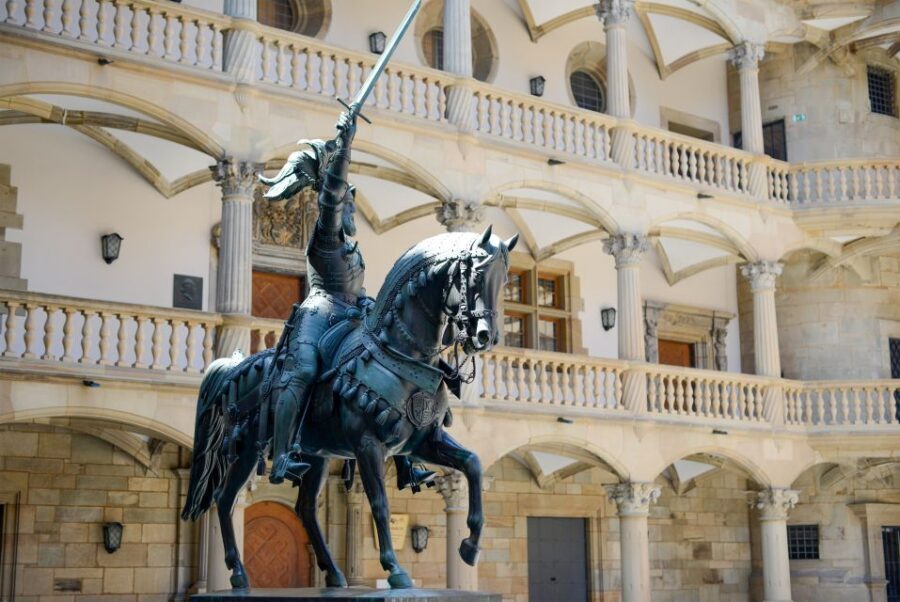
At $16 per person for roughly 1.5 hours, the value comes from concentration. In a short window, you’re guided through major landmarks—Neues Schloss, Schillerplatz, Palace Square, and more—while also learning enough context to make the city feel less like a checklist.
A self-guided walk can work, but the guide reduces the guesswork. You get architecture context (baroque at the New Palace, 19th-century at Hauptbahnhof), cultural pointers (the culture mile and art museum area), and practical direction (leisure and shopping tips). For many travelers, that combo is what justifies paying for the guide instead of spending time searching for information.
If your schedule is tight, this is a good “get your bearings” investment. If you already know Stuttgart well, you might not feel the same value. But for first-timers or for anyone returning after years away, it’s a solid way to build local context fast.
A balanced look at what can affect the experience
Let’s talk about the main consideration. The tour is in German, and some people prefer a lighter, more comedic pacing. The format here is described as entertaining, and many guides are noted for humor, but the overall tone can still drift toward explanation. If you’re expecting a lot of laughter and very little lecture, you might be disappointed.
Another practical consideration: the walk includes waiting and standing at key viewing spots. On hot days, that can feel long, especially if the group spends time near prominent landmarks. If you’re visiting in peak heat, show up ready for sun and don’t plan a hard sit-down right after unless you want a slow landing.
Should you book this Stuttgart old town highlights walking tour?
Yes, if you want a short, guided orientation that hits Stuttgart’s center—Neues Schloss, Schillerplatz, Palace Square, and the garden—while also pointing you toward museums and things to do next. It’s a great fit for first-time visitors, architecture lovers who like quick context, and anyone who prefers walking with a guide instead of reading for hours.
Think twice if you mainly want a comedy-style tour, or if German tour language is a barrier for you. In that case, you might still enjoy the sights, but you could miss too much of the guide’s connecting story.
If you want Stuttgart to feel more understandable right away, this is the kind of tour that helps you get oriented fast—and then enjoy the rest of your day on your own.
FAQ
Where does the tour start?
It starts at the music pavilion in front of the New Castle, with your guide holding an orange bag.
How long is the walking tour?
The tour lasts about 1.5 hours.
How much does it cost?
The price is $16 per person.
What’s included in the price?
You get a walking tour and a live tour guide.
What language is the guide speaking?
The tour is held in German.
Does the tour end at the meeting point?
Yes, the tour ends back at the starting meeting point.
Can children join?
Children aged 0–5 can join for free.
Is there free cancellation?
Yes. You can cancel up to 24 hours in advance for a full refund.
Is there a reserve and pay later option?
Yes. You can reserve your spot and pay nothing today.