REVIEW · ROSTOCK
Rostock: Private Guided Walking Tour
Book on GetYourGuide →Operated by Travmonde OÜ · Bookable on GetYourGuide
Rostock walks like a storybook with scars. This private tour threads together medieval city life, the Hanseatic League, and the way WWII changed Rostock and how it rebuilt. I love that the stops aren’t just pretty facades; they connect names, buildings, and economics into one clear city narrative.
I also like that you get a local professional guide for a small private group, so you can ask questions and even adjust the route on the spot. One thing to consider: entrances are not included, so if you want to go inside any church or feature, plan for extra time and ticket costs.
In This Review
- Why Rostock makes a great walking tour (even in 2 hours)
- What you’ll get from this private guided format
- Key things to notice during your walk
- Starting at the Seagulls’ Fountain: your orientation point
- New Market Square: Town Hall (7 towers) and the sea-side civic vibe
- St. Mary’s Church and the astronomical clock: history you can actually look at
- St Petri Church tower: fishermen history and the story of rebuilding
- Fortifications walk: ramparts, guard houses, and the wooden wall section
- The Stone Gate with its Latin motto: power at the boundary
- Rostock’s name, the Hanseatic League, and why the city mattered
- University of Rostock and the Fountain of Happiness
- Price and value: $280 for a private group up to 15
- What I’d look for in a guide (and why Jana stands out)
- Is this the right tour for you?
- Should you book this Rostock private walking tour?
- FAQ
- How long is the Rostock private guided walking tour?
- Where do we meet for the tour?
- Is this tour private or shared?
- What languages are available?
- Are entrance fees included?
- Can the tour route be adjusted on the spot?
- What’s the refund and cancellation policy?
Why Rostock makes a great walking tour (even in 2 hours)
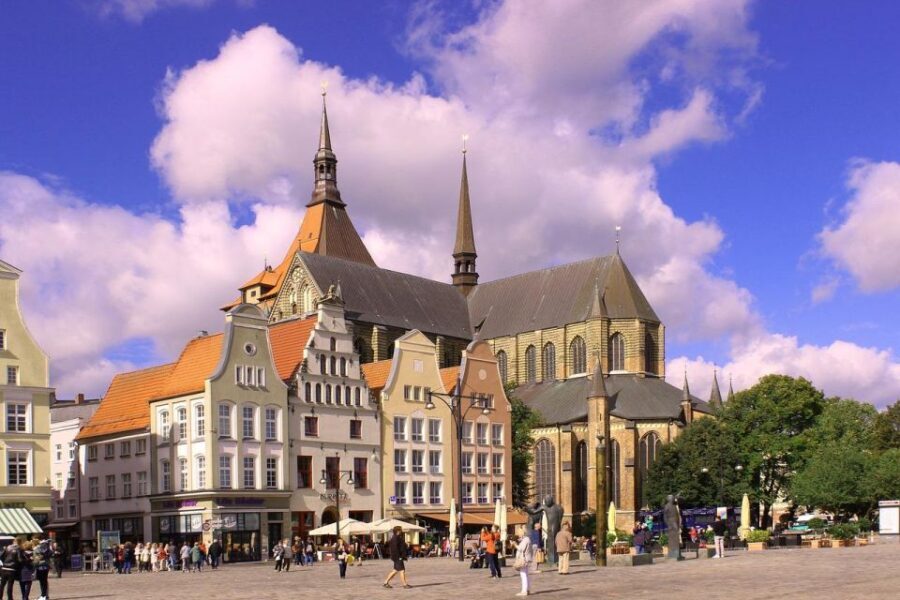
Rostock is one of those Northern German cities where the old parts still feel usable. You’ll see a working mix of architecture styles, maritime identity, and civic pride, all within a compact central area you can cover on foot.
A big part of the value here is context. Instead of treating Rostock like a museum, the guide ties what you see to how the city functioned—university life, trade power, and the after-effects of bombing.
And since you start at the New Market Square, you naturally get oriented fast. From there, the tour moves from civic landmarks to church history and then out to the city’s defensive past.
What you’ll get from this private guided format
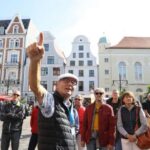
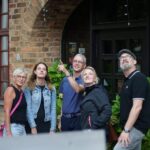
This is a private group walking tour with a duration of about 2 hours and a maximum group size of 15. That size matters: you still get a guided pace and conversation, without a giant crowd snapping photos and moving on.
Included is a local professional guide who stays with your group only. That means you’re not competing for attention, and the guide can tailor what you focus on while you walk. English and German are available, which is helpful if your group includes mixed language levels.
You can also expect the tour to connect multiple themes in one loop: Rostock’s origins, its Hanseatic role, its WWII experience, and its cultural/economic importance today.
You can also read our reviews of more walking tours in Rostock

Key things to notice during your walk
- The Town Hall complex and its 7 towers at the New Market Square set the tone for Rostock’s civic pride
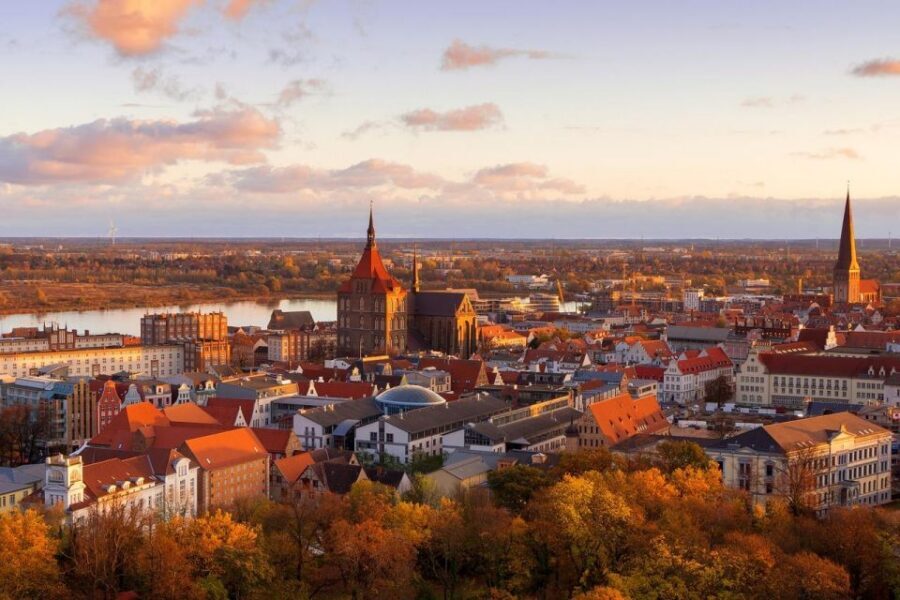
- St. Mary’s Church is notable for surviving WWII air raids, plus it features a 15th-century astronomical clock
- WWII impact and rebuilding are built into the tour, not tacked on at the end
- Old fortifications like ramparts, guard houses, and a section of the wooden wall walk show how the city defended itself
- The Dutch Renaissance Stone Gate adds a different architectural flavor and includes a Latin motto on the walls
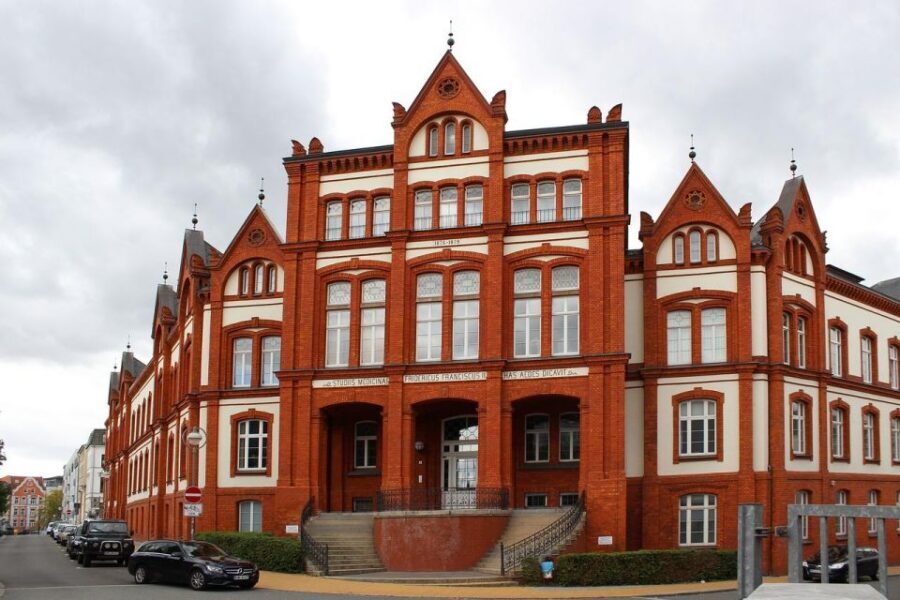
- Rostock’s university roots (dating to 1419) add intellectual history to the maritime and commercial storyline
Starting at the Seagulls’ Fountain: your orientation point
Your meeting point is by the Seagulls’ Fountain in the New Market Square (Neuer Markt, 18055 Rostock). This matters because it’s visually easy to spot and it puts you right in the historic core immediately, not 15 minutes away from the action.
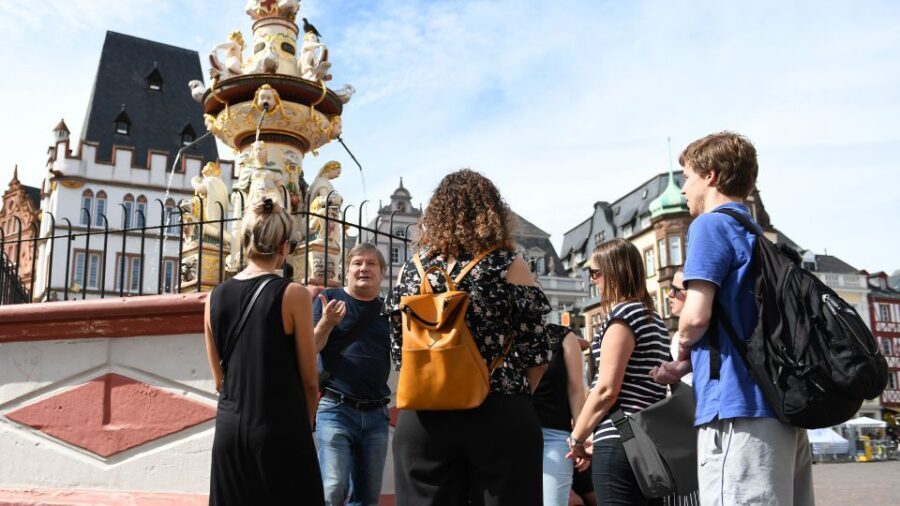
From here, the tour typically begins with the square’s most recognizable civic details. The fountain story is part of the experience too: figures on the fountain represent Neptune and his sons, which fits Rostock’s long relationship with the sea and trade routes.
Then the guide shifts to what you’re standing beside—so you don’t just see the building. You understand why this square mattered and how civic power displayed itself here.
New Market Square: Town Hall (7 towers) and the sea-side civic vibe
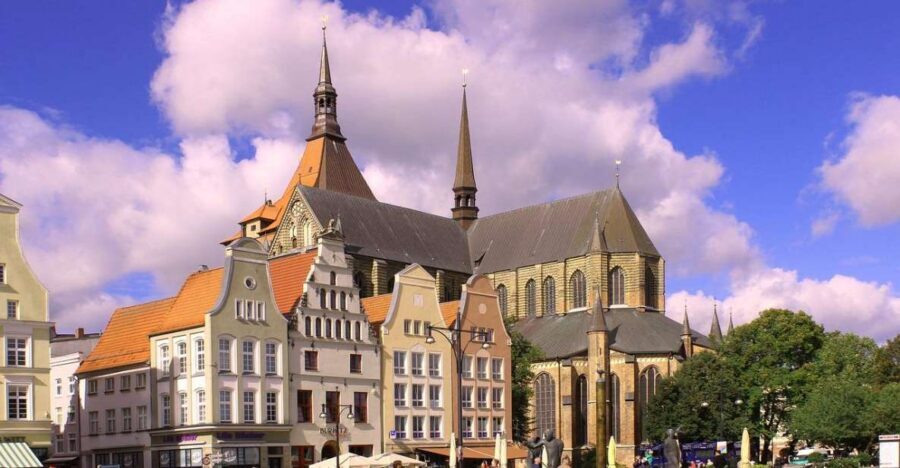
The New Market Square is one of Rostock’s most picturesque corners, and it’s where baroque and Gothic elements mix in a very readable way. The Town Hall with its 7 towers is the star attraction, and you’ll get the story behind the architectural choices and the city’s public identity.
What I like about this stop is that it connects style to function. Town halls weren’t only about beauty; they were about authority, decision-making, and showing that a city like Rostock could organize trade, law, and daily life.
If you’re photographing, this is a strong early moment: you’ll get wide angles of the square, and you’ll also have time later to slow down for more detailed buildings like churches and gateways.
St. Mary’s Church and the astronomical clock: history you can actually look at
Next comes St. Mary’s Church, singled out in the tour as the only main Rostock church to survive WWII air raids. That detail alone changes how you look at the building—suddenly it’s not just Gothic, it’s proof of what endured when so much didn’t.
Inside the tour focus is the church’s astronomical clock, built in the 15th century. Even if you don’t go inside yourself, the guide will explain what makes it special: an early science-meets-faith kind of statement, built for a world where astronomy and timekeeping shaped daily life.
Practical tip: if you want to spend extra time here, keep an eye on your group’s pace. The tour is only about 2 hours, so you may need to choose between quicker photo stops and deeper viewing at one or two anchor locations.
You can also read our reviews of more guided tours in Rostock



St Petri Church tower: fishermen history and the story of rebuilding
The tour then points you toward the tower of St Petri Church, described as a Gothic landmark for fishermen in the area. That maritime link is a helpful reminder that Rostock’s churches often served the people who actually made the city work—especially those connected to fishing and seafaring.
The important WWII detail here is that the tower was destroyed during air raids and rebuilt later. So the church becomes part of a bigger theme on this walk: resilience. Rostock didn’t just survive; it reconstructed enough of its identity that you can still trace it in stone.
If your group likes war-and-recovery history, this stop will feel like one of the most grounded moments on the itinerary. It doesn’t treat WWII as an abstract date—it shows up as broken structure, then repaired structure.
Fortifications walk: ramparts, guard houses, and the wooden wall section
After the churches, you’ll shift to a more defensive side of city life. The tour includes parts of Rostock’s old fortifications, including ramparts with built-in guard houses and a section of a wooden wall walk.
This is where you start thinking like a medieval planner: walls weren’t only for fear. They were for trade protection, political stability, and control over who could enter and how goods moved.
The practical value is that it gives your brain a physical map of how the city was organized. When you later look at gates and squares, the street layout makes more sense.
Caution: because this is a walking tour, expect uneven surfaces in older areas. Comfortable shoes matter more than fancy shoes here—especially if the weather turns.
The Stone Gate with its Latin motto: power at the boundary
One of the most striking later stops is the Dutch Renaissance Stone Gate. The “Dutch Renaissance” label might sound like a distant style category, but on foot it turns into something tangible: a gateway that looks different from the more Gothic civic and church structures you saw earlier.
You’ll also learn to read the message carved into the setting. The motto is written on the walls as: Sit intra te concordia et publica Felicitas, meaning May harmony and prosperity reign within your walls.
What I like about this stop is the tone. It’s civic language aimed at the city itself, not a slogan aimed at tourists. It helps you understand that Rostock wanted to project order and prosperity—especially important for a trading city in the Hanseatic network.
Rostock’s name, the Hanseatic League, and why the city mattered
A core part of the tour is explaining Rostock’s intriguing origins and its historical significance, plus its pivotal role in the Hanseatic League. You won’t just hear big names and dates; you’ll connect them to the places you’re walking through.
This matters because Rostock wasn’t famous only for one building. It was important because it was a hub: a city with people, money, ships, and institutions working together.
If you’re the type who likes to understand the why behind the what, this theme will click quickly. The guide uses the landmarks as reference points so you can build a mental map of Rostock’s influence.
University of Rostock and the Fountain of Happiness
The tour also brings in the university, highlighted as one of the oldest in the world, dating from 1419. That’s an eye-opener because it positions Rostock as more than a port town. It’s a place where education and ideas mattered alongside trade.
You’ll also see the Fountain of Happiness, tied into the university stop. Even if you don’t know the stories already, the guide frames why a “happiness” fountain belongs near the academic world—this city cultivated civic pride and student life, not only commerce.
If you’re traveling with someone who prefers culture and education over war stories, this is a strong counterbalance. It gives you a softer, human side of history before the walk ends.
Price and value: $280 for a private group up to 15
At $280 per group (up to 15 people), this is priced like a true private experience rather than a per-person ticket. That can be great value if you’re traveling with family, friends, or a small group and want one guide to steer the pace.
The best part isn’t only price—it’s the format. With a local guide in your group, you get focused explanations at the exact spot where the building or story becomes clear. And because there’s possible customization on the spot, you can steer toward what matters most to you, whether that’s WWII rebuilding, the Hanseatic League, church architecture, or university history.
If you’re traveling solo, you may want to weigh whether you’d get more out of a smaller group option. But if you’re splitting costs among a group, the private format can feel efficient and worth it.
What I’d look for in a guide (and why Jana stands out)
The tour provider is Travmonde OÜ, and the tour quality comes down to the guide’s ability to connect details without turning the walk into a lecture.
Recent feedback highlights guides such as Jana, noted for guiding people through the city wonderfully and bringing in insider tips. That’s exactly the kind of guiding style that makes a short, 2-hour walk feel satisfying. You leave with more than photos—you leave with understanding.
In other words, you’re paying for interpretation: learning what’s important, what to ignore, and how to read the city at street level.
Is this the right tour for you?
This private guided walk is a great fit if you want:
- An efficient way to see major historic highlights without racing
- A blend of architecture and WWII history in one route
- A quick route orientation from the New Market Square
- A guide who can explain the city’s trade role and academic roots, not only its buildings
It’s also ideal for people who enjoy walking tours but don’t want a big group experience. The private group setup helps keep the discussion human and flexible.
If you only want a single church visit or you’re strictly focused on interior entrances, you might feel limited by the 2-hour structure. This tour is built for highlights and connections, not for lingering all day.
Should you book this Rostock private walking tour?
If you’re planning a short stay in Rostock and you want history that connects to what you can see—Town Hall, St. Mary’s, St Petri, fortifications, the Stone Gate, and the university—this is a smart booking. The private guide format and the WWII context give the city a clear storyline in a compact timeframe.
Book it if your group values guided interpretation and you like walking through places with meaning, not just walking through places that look good.
If your main goal is only museum-style time inside buildings, you may want to pair this with additional self-guided time later. Otherwise, this is a solid way to get your bearings fast and understand why Rostock’s old walls and towers still matter.
FAQ
How long is the Rostock private guided walking tour?
The tour lasts about 2 hours.
Where do we meet for the tour?
You meet by the Seagulls’ Fountain in the New Market Square (Neuer Markt, 18055 Rostock).
Is this tour private or shared?
It’s a private group tour, with your local professional guide staying with your group only.
What languages are available?
The live guide is available in English and German.
Are entrance fees included?
No. Entrance fees are not included.
Can the tour route be adjusted on the spot?
Yes. There’s possible customizing on the spot with your local guide.
What’s the refund and cancellation policy?
You can cancel up to 24 hours in advance for a full refund. You can also reserve now and pay later.