REVIEW · ROSTOCK
Private Warnemuende Shore Excursion: Third Reich Berlin
Book on Viator →Operated by Original Berlin Walks · Bookable on Viator
Berlin changes faster than you expect. This private Warnemünde-to-Berlin excursion is built for one purpose: seeing World War II-era Berlin through an order of sites and clear, human commentary. I especially like the expert-guided explanations that help the history click, and the private format that keeps things calmer than the usual rush of landmark hopping.
The main thing to consider is the time and pacing: this is roughly an 11-hour day, and the Reichstag stop is exterior-focused because an inside visit isn’t included.
In This Review
- Quick take: why this WWII Berlin route is worth your time
- From Warnemünde to Berlin: setting the stage without distractions
- Soviet War Memorial in Tiergarten: how geography tells a political story
- The Reichstag area: Nazi rise, Allied aftermath, and why the inside matters
- Memorials for Sinti and Roma, persecuted LGBTQ people, and the machinery of terror
- Victory Column and Fuhrerbunker site: propaganda meets the final days
- Holocaust Memorial: walking the concept, not just reading about it
- Topography of Terror: where the story turns into evidence
- Book burning at Bebelplatz: the attack on ideas
- Otto Weidt’s workshop: the story of survival and human choices
- Resistance narrative and the march toward the postwar city
- What makes the guides so important here
- Price and value: $895 for a private WWII narrative
- Who should book this tour (and who might not)
- Should you book the Third Reich Berlin shore excursion?
- FAQ
- FAQ
- How long is the Third Reich Berlin private shore excursion?
- Is this tour private?
- What language is the tour offered in?
- Is pickup included, and where does it start?
- Does the Reichstag stop include an inside visit?
- Are admission tickets included for the stops?
- Is there a mobile ticket?
- What is the cancellation policy?
- Does the itinerary include time for the Topography of Terror exhibition?
Quick take: why this WWII Berlin route is worth your time
- Guides with real command of Berlin history, from Ania B. to Cesar, Ysanne, and Ken
- A stop-by-stop logic that connects Nazi power, persecution, and defeat in one day
- Memorials that explain the victims, including Sinti and Roma, LGBTQ people, and those targeted by the euthanasia program
- You walk through major remembrance spaces, including the Holocaust Memorial
- A flexible exhibition stop, since the Topography of Terror time can adjust to your group’s pace
- Smart framing on political landmarks, like why the Soviet memorial’s placement mattered
From Warnemünde to Berlin: setting the stage without distractions
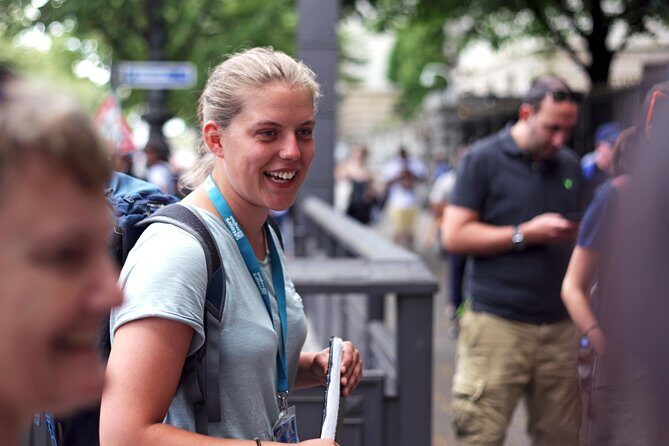
This excursion starts with pickup at the cruise terminal right after the official border crossing. That matters, because it reduces that awkward stretch where you’re trying to figure out transit, meeting points, and timing once you’re off the ship.
Then the day moves into the heart of Berlin’s WWII story—starting far from the center, at Warnemünde. Even though Warnemünde is often treated as a ferry/shore stop, the trip uses that opening moment to shift you into the mindset of a long historical thread. You’re not just ticking off sights; you’re being guided into the era where political power, war planning, and persecution all started overlapping.
A small but helpful note: many stops list admission tickets as free. That’s good value in a city where it’s easy for entry fees to quietly pile up. It also means you can focus your mental energy on what you’re actually seeing instead of managing ticket logistics at each stop.
You can also read our reviews of more private tours in Rostock


Soviet War Memorial in Tiergarten: how geography tells a political story
One of my favorite ways to learn Berlin is through places where the setting itself carries a message. In the Tiergarten, the Soviet Memorial stop comes with explanation of how it was built so it would end up in West Berlin. That’s a detail you’d likely miss if you wandered by on your own, because you’d be staring at a monument, not at the geopolitical chessboard behind its placement.
This stop is short, but it sets a key theme for the rest of the day: power keeps showing up in physical form—through roads, borders, and what each side wants to make visible. It also gives you an easier framework for understanding how Berlin’s story doesn’t end in 1945. The “after” history is part of the impact.
The Reichstag area: Nazi rise, Allied aftermath, and why the inside matters
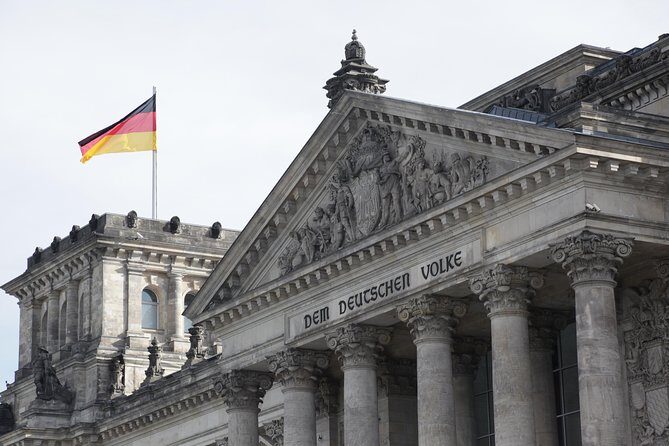
The Reichstag stop focuses on what you can learn from the building and the surrounding narrative of Nazi rise and WWII’s end. You’ll see the area where political theater meets history’s worst outcomes.
A practical consideration: the tour notes that entry inside the Reichstag isn’t included. That’s not a dealbreaker, because the exterior viewpoint and the guided context still do a lot of work. Still, if you’re the type who really wants an interior perspective, you might want to plan a separate Reichstag visit on another day.
What I like about including this stop in a WWII-themed route is that it anchors everything else. You’re not just looking at memorials in isolation—you’re getting reminded how institutions and propaganda helped shape the path to war and genocide.
Memorials for Sinti and Roma, persecuted LGBTQ people, and the machinery of terror
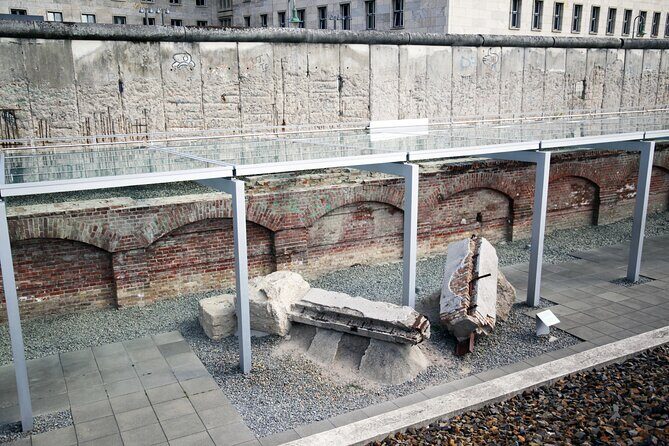
This is where the day becomes more than “war history.” It becomes about targeted people—and about what Nazi policy did in systematic, bureaucratic ways.
You’ll stop at the Memorial to the Sinti and Roma Victims of National Socialism. The guide explains the history of Nazi crimes against the Sinti and Roma. That’s an important inclusion because this story often gets less attention than the Holocaust narrative, even though it is central to understanding Nazi racial ideology.
Then you visit the Monument to Homosexuals Persecuted Under the National Socialist Regime, where the guide covers the LGBTQ victims of National Socialism and the lasting knock-on effect since 1945. That “after” piece is key. It helps you connect the WWII timeline to the long struggle for recognition, rights, and historical reckoning.
Next comes the T4 Memorial for victims of the Nazi euthanasia program. The T4 program is one of those topics people often only hear in passing—so it’s valuable to have it explained at a dedicated site. Here, the focus is on the fact that this is where the euthanasia program was organized. That’s not just a factoid; it’s a window into how the regime used “medical” language to justify mass murder.
The overall benefit of this set of stops is that you get a clearer mental map of how persecution expanded across groups. You also learn that memorial culture has a job: it pushes specific names, categories, and stories into public space so the truth can’t get folded away.
Victory Column and Fuhrerbunker site: propaganda meets the final days
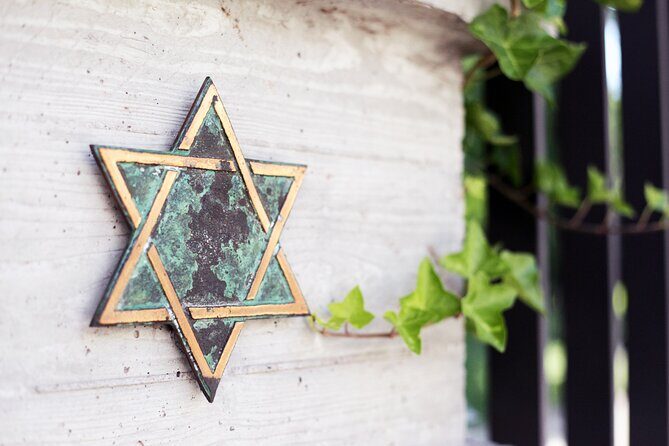
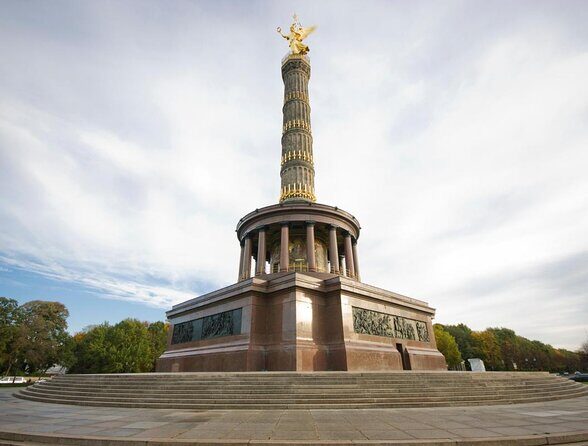
The Victory Column (Siegessaule) stop is short, but it’s placed well. It gives you a chance to see how the Nazi period used monumental design and public spectacle. The guide talks through the history of the site, which helps you read it as a political object, not just a pretty landmark.
Then comes the Fuhrerbunker stop—on the former site of Hitler’s bunker. You’ll listen to commentary on Adolf Hitler’s life, with emphasis on the final 10 days. That time window is powerful, because it turns “Hitler the figure” into a timeline of collapsing power, decision-making, and brinkmanship.
One consideration: this is emotional subject matter. If you’re the kind of traveler who prefers breaks, you’ll want to pace yourself mentally and physically during the day. The itinerary has a steady rhythm, so your best tool is being honest with your own energy level.
A few more Rostock tours and experiences worth a look


Holocaust Memorial: walking the concept, not just reading about it
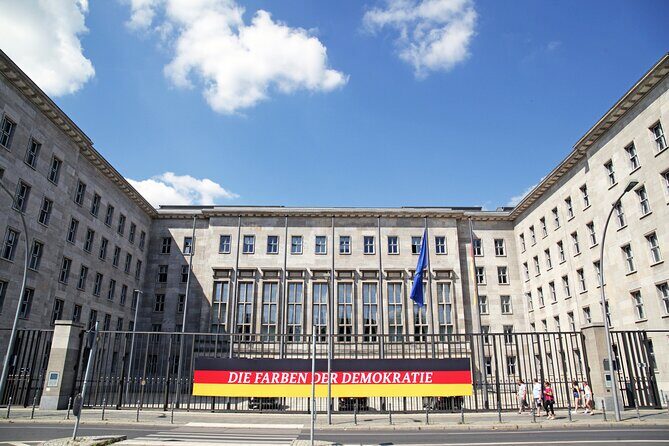
The Memorial to the Murdered Jews of Europe is a walk-through experience as part of the tour. That makes a big difference. There’s a world of difference between seeing images online and standing in a real memorial space where you physically move through its design.
The guide explains the history and concept of the memorial, plus context around the Nazi party crimes. That pairing matters because the memorial isn’t only about grief; it’s also about representation. It teaches you how postwar Germany chose to confront what happened and how it chose to build public memory into the city’s fabric.
If you’ve ever wondered why Berlin’s memorials feel both stark and purposeful, this stop gives you a reason: the design and the story are working together.
Topography of Terror: where the story turns into evidence
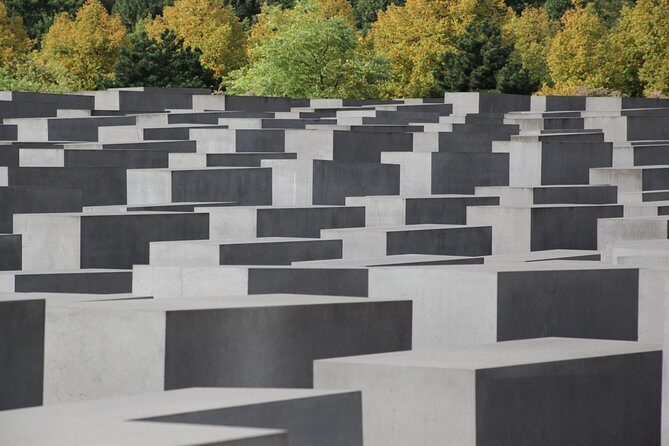
After the Holocaust Memorial, the route moves to Topography of Terror for the exhibition. The time you spend depends on how long your group would like to stay, so this stop is a built-in pacing lever.
What you gain here is the shift from site-based interpretation to more documentary evidence. Even if you don’t know every name or date going in, a good guide can stitch the artifacts back into what you just saw outside.
This is also a good place to slow down. If you’re the type who wants to understand the documents and context instead of only absorbing the emotional impact, this is the stop where you’ll get rewarded for lingering.
Book burning at Bebelplatz: the attack on ideas
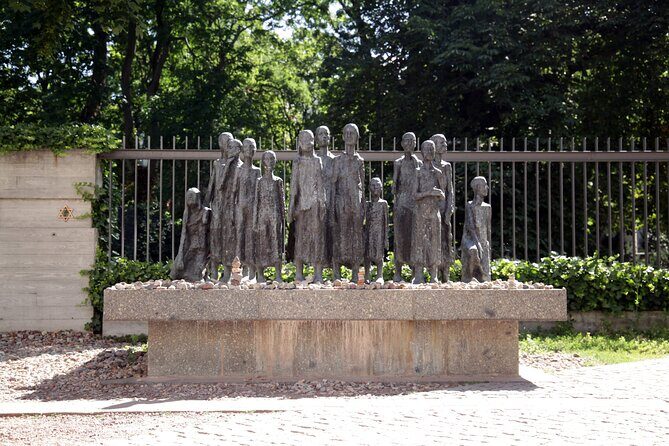
The Book Burning Memorial at Bebelplatz is one of those reminders that Nazi persecution wasn’t only physical. It also targeted thought, culture, and speech.
Here, the guide explains the events leading up to the 1933 book burning in Berlin and the effect it has had throughout history. That “throughout history” wording is important: it links the act of burning books to the wider pattern of censorship and control that can return in new forms over time.
This stop makes a strong contrast with the memorial sites earlier. It helps you see the regime’s strategy as layered: intimidation and propaganda worked alongside terror and extermination.
Otto Weidt’s workshop: the story of survival and human choices
One of the more hopeful-feeling stops in this overall heavy day is Museum Blindenwerkstatt Otto Weidt. The guide shares the story of Otto Weidt, sometimes described in the same breath as an Oscar Schindler-like figure, and his courageous actions during WWII that helped prolong and save Jewish lives.
The value here isn’t about forcing a positive ending. It’s about showing what people did when the system was trying to crush everyone. When a guide explains this part well, you start to understand that resistance wasn’t only dramatic acts on headlines. It was also decisions made in workplaces and close quarters—guided by conscience, not by safety.
If you’re worried the day will only drag you through atrocity after atrocity, this stop is a needed counterweight.
Resistance narrative and the march toward the postwar city
The day also includes the German Resistance Memorial Center, where you hear the story of Klaus von Stauffenberg’s attempt on Hitler’s life. Resistance can feel complicated when you only learn it from a single chapter. Having it placed in a walking day of power, persecution, and propaganda helps it land in context.
Then the tour returns to major political symbols: the Brandenburg Gate, where the guide explains the history of the former royal entrance to Berlin—and notes how in 1933 Hitler’s supporters marched through to celebrate his becoming chancellor.
Finally, you end with the former Nazi government district around Wilhelmstraße. The walk-through includes locations connected to key ministries and offices from the Nazi period, and it also covers the exact position of Hitler’s bunker. The effect is like drawing a line between what you’ve learned and the places it happened.
What makes the guides so important here
This kind of tour can go one of two ways: either it turns into dates and signs, or it turns into understanding. The best guides make you feel the connections between sites.
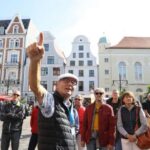
The reviews highlight guides who go beyond the obvious. Ania B., described as a living encyclopedia of Berlin, is praised for extremely precise, vivid explanations that help you understand Berlin’s fractures and rebirth, not just its icons. Cesar gets credit for being knowledgeable with a sense of humor, plus wearing fun socks, which is a funny detail but also a signal: he doesn’t treat the day like a lecture. Ysanne is noted as captivating and full of knowledge. Ken is remembered as highly informative with humor and even book recommendations if you want to keep reading after the tour.
You can’t control which guide you get, but the consistency of high praise for guide ability is one reason this excursion feels like more than a bus ride.
Price and value: $895 for a private WWII narrative
At $895.09 per person, this is not a budget outing. But it is a private, English-language, full-day route built around major memorials and WWII political sites.
Here’s where the value comes from:
- You’re paying for private pacing and commentary, which matters a lot with heavy subject matter.
- The route includes many stops labeled as admission ticket free, which helps control costs.
- It’s designed for one long historical storyline, rather than separate tickets and separate guides.
If you’re traveling with family or friends who want a shared, calm, explain-everything approach, this private format can make the price feel more rational. If you’re just looking for quick photos at famous landmarks, there are cheaper ways to do Berlin. This one is for people who want order, clarity, and context.
Who should book this tour (and who might not)
This experience fits best if you:
- want a guided WWII Berlin route that connects Nazi power to persecution and postwar memory
- prefer a private setup over crowded big-group tours
- care about the stories of victims beyond the most commonly mentioned categories
You might rethink it if you:
- hate long days and find heavy topics exhausting
- specifically want an inside Reichstag visit (since it’s not included here)
If you do book, plan for the emotional weight and bring comfortable shoes. The itinerary is dense, and your brain will be doing most of the work.
Should you book the Third Reich Berlin shore excursion?
Yes—if you want Berlin WWII history with structure. The strongest part is the way the day is built to connect power, persecution, and remembrance across multiple sites, with commentary that helps you understand what you’re seeing (not just where it is). The private format also helps you move through these places at a human pace.
Skip it only if the cost feels out of reach or if you’d rather pick memorials selectively on your own time.
FAQ
FAQ
How long is the Third Reich Berlin private shore excursion?
It runs for about 11 hours.
Is this tour private?
Yes. It’s a private tour/activity, meaning only your group participates.
What language is the tour offered in?
The tour is offered in English.
Is pickup included, and where does it start?
Pickup is offered from the cruise terminal just after the official border crossing.
Does the Reichstag stop include an inside visit?
No. The tour inside the Reichstag is not included.
Are admission tickets included for the stops?
Most stops are listed as admission ticket free in the tour details.
Is there a mobile ticket?
Yes, a mobile ticket is included.
What is the cancellation policy?
You can cancel for a full refund up to 24 hours in advance of the experience’s start time.
Does the itinerary include time for the Topography of Terror exhibition?
Yes. The time you spend there depends on how long your group would like to stay.