REVIEW · DACHAU
Private Dachau Memorial Site Tour from Munich
Book on GetYourGuide →Operated by Discover Munich Tours · Bookable on GetYourGuide
Dachau is heavy, but this tour helps it make sense. I like the fact that you go with an officially licensed English expert who puts the story in order, and I like how smoothly the private day trip runs with door-to-hotel pickup options and public transit. One heads-up: this is not a casual outing, and the rules are strict, including no video or audio recording and no large bags or selfie sticks.
The pacing is built for clarity. You spend about three hours at the memorial, moving from key areas to context like daily life in the camp, punishment, medical experiments, religion, prisoner groups, and liberation, so you leave with understanding instead of just names and dates.
You’ll also want the right expectations. This takes roughly five hours total from Munich, and it’s not suitable for children under 12, so it works best for adults and teens who can handle a sober subject thoughtfully and quietly.
In This Review
- Key highlights you’ll care about
- Why Dachau is different, and why a private guide matters
- Meeting in Munich: pickup options and a smooth 5-hour schedule
- The 3-hour guided walk: what you’ll focus on inside the memorial
- History in stages: early Nazi rule, the camp system, and what happened after
- What gets covered: daily life, punishment, experiments, religion, and liberation
- Respectful rules and on-the-ground expectations
- Price and value for a private Dachau day from Munich
- Who this tour is for, and who should reconsider
- Should you book this private Dachau memorial tour?
- FAQ
- FAQ
- How long is the Dachau memorial tour from Munich?
- Do I get an English-speaking guide?
- Is this tour private?
- What’s included in the price?
- Do I need to bring my own transportation from Munich?
- Is the tour wheelchair accessible?
- Are there rules about luggage or recording on site?
- Is it suitable for children?
Key highlights you’ll care about
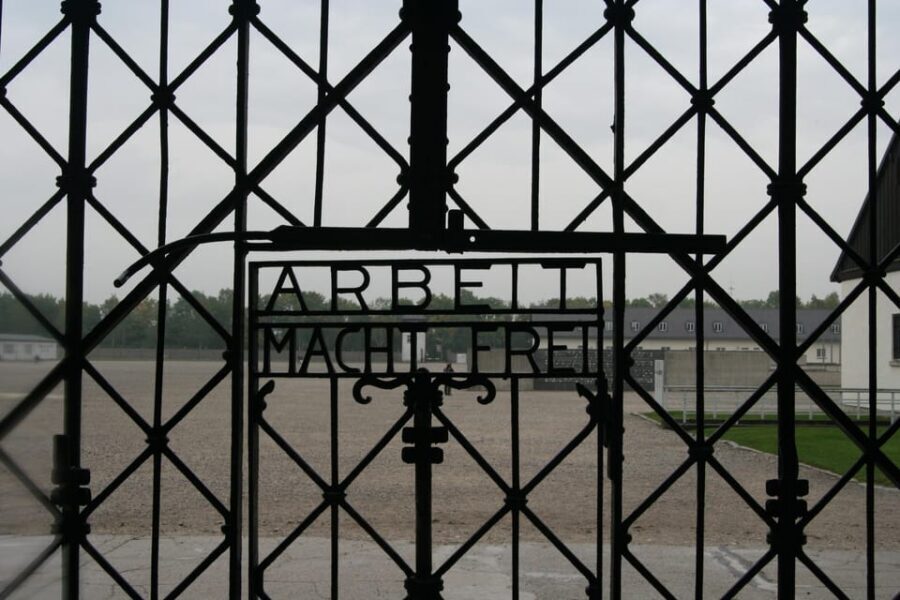
- Officially licensed English guides set the tone and keep the facts organized from early Nazi rule to the post-war memorial era
- About three hours on site gives time for the big scenes without rushing your questions
- Private group pace helps when you need slower stops or extra explanations
- A full transit loop from Munich keeps logistics simple: train, short coach segments, then back again
- A practical, respectful ruleset means the experience stays focused on remembrance rather than distractions
Why Dachau is different, and why a private guide matters
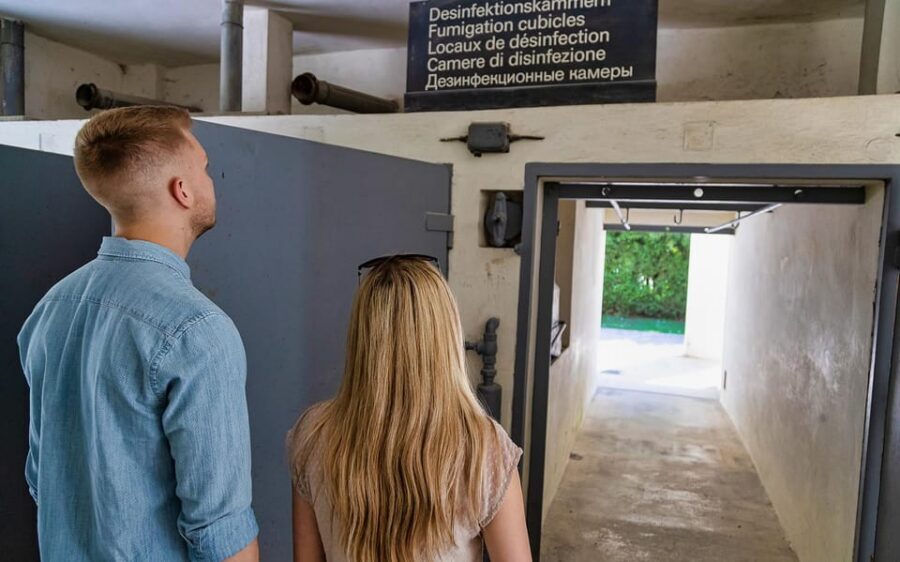
Dachau Concentration Camp Memorial isn’t just one “attraction.” It is the first concentration camp to open in Nazi Germany, less than two months after Hitler came to power, and it kept operating throughout the entire 12 years of Nazi tyranny. That fact alone makes the site feel like a loud starting point, not just the last stop in a long chain of crimes.
Here’s what I like about going with a guide rather than trying to piece it together on your own: you get context at the right moments. The tour aims to clarify the political and economic climate of the 1930s that allowed this to unfold, then connect it to what happened inside the camp and what came after liberation. That structure matters, because Dachau contains layers: the Nazi system, the daily mechanics of terror, and later the work of turning it into an international memorial.
And yes, it is hard to visit. Even with the best guide, you’re walking through a place where suffering happened. What you can control is whether you understand what you’re seeing, and this tour is built to help you do that.
A couple of guides have been named in prior bookings—Markus and Mat—and the consistent theme is calm, clear explanations and sensitive handling of questions, including for elderly family members. You may not meet the same person, but it’s a good sign that the tour focuses on respectful delivery, not just reciting dates.
You can also read our reviews of more tours and experiences in Dachau.

Meeting in Munich: pickup options and a smooth 5-hour schedule
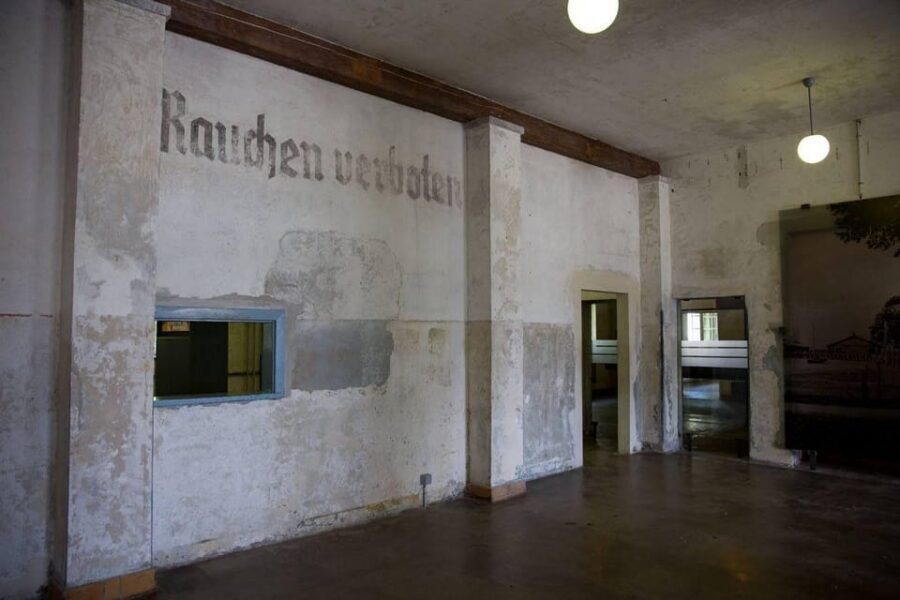
Your day starts in Munich. You’ll meet at your centrally located hotel (if you request pickup) or at a central location, then head to the memorial area. The ride is short enough to feel like a true day trip, roughly 45 minutes to reach the site once you’re moving.
The route itself is straightforward and transit-friendly: about 25 minutes by train, followed by a short bus or coach segment, then the guided visit. Afterward, it’s the same pattern back—bus/coach plus train—so you’re not stuck solving complicated connections while trying to process what you’re seeing.
Why this matters: Dachau is emotionally intense, so the last thing you need is travel stress on top. A smooth round trip keeps your energy for the hours on site, where attention is everything.
Also, you’re in a private group, not a packed crowd. That tends to mean fewer distractions and more room to ask questions without feeling like you’re slowing everyone else down.
The 3-hour guided walk: what you’ll focus on inside the memorial
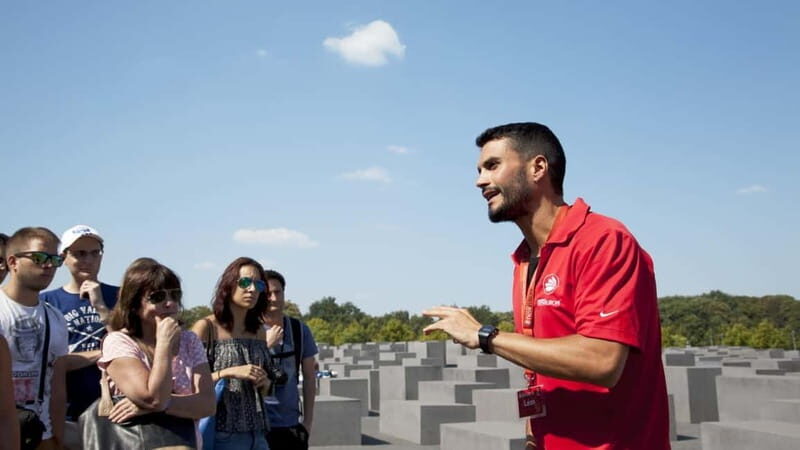
On this tour, the heart of the day is about three hours on site with a licensed guide. This is enough time to cover the major areas without feeling like you’re jogging from point to point.
The memorial covers multiple themes, and your guide’s job is to connect the dots. You’ll hear about Dachau as a “model” camp—an early template that other camps followed—and as the so-called school of terror, where the largest SS training facility in the Reich was located. Those terms can sound abstract until a guide explains how that training and camp design worked in practice.
You should expect the guide to slow down for key lessons: what daily life for prisoners looked like, how punishment was carried out, how different prisoner categories were treated, and what “religion camp” meant in the camp’s operations. The goal isn’t to sensationalize. It’s to help you understand the system as a system.
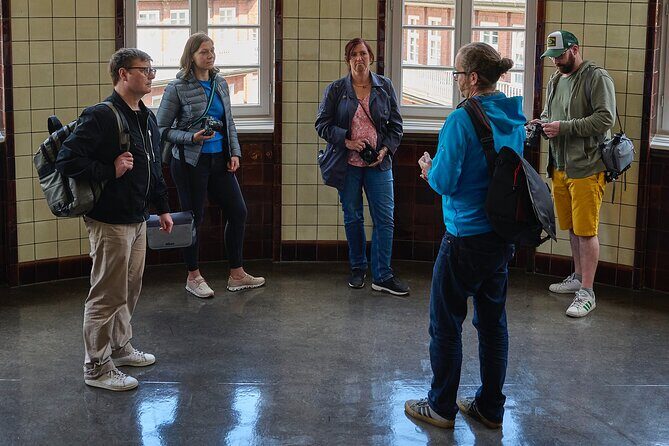
One practical advantage: guides can adapt to your group’s questions. If you have family members who need time or reassurance, a good guide will keep the conversation human and orderly. That’s especially useful in a setting where silence can be loud and you may not know what to ask until you see a specific place.
History in stages: early Nazi rule, the camp system, and what happened after
Dachau’s timeline is one of the reasons it’s so instructive. The camp opened very early in Nazi rule—again, less than two months after Hitler came to power—and it stayed in operation for the full length of Nazi tyranny. That makes it a hinge point for understanding how quickly the regime moved from power to persecution.
Your guide will walk you through the camp at different stages of its existence, then explain how it was used after the war in the years that followed. That post-war layer matters because memorials didn’t appear overnight. Turning a site of atrocity into an international place of remembrance required political decisions and long-term work, including Dachau becoming an international memorial in 1965.
This “before and after” framing helps you connect individual suffering to the broader machinery that created it. It also helps you avoid the common trap of treating the Holocaust as a single event with a single starting line. In reality, Nazi rule evolved, and the camp system evolved with it.
The tour also aims to clarify the political and economic climate of the 1930s. That’s not trivia. It’s part of the lesson. When you understand the environment in which persecution was allowed to grow, the history stops being distant and starts becoming a warning you can recognize.
What gets covered: daily life, punishment, experiments, religion, and liberation
Inside the camp memorial, you’ll encounter a sequence of topics, and your guide will connect them so they feel like one story rather than unrelated sections.
Expect coverage of:
- Daily life of prisoners: how confinement worked day to day, including the routines and pressures that broke people down
- Punishment in the camp: how the system enforced control and terror as a constant condition
- Medical experimentation: a grim topic, explained with care so you understand what it was and why it mattered historically
- Religion camp: how religious identity was treated as part of the persecution system
- Prisoner groups: how categories were used to sort, control, and manage suffering
- Liberation: what happened when U.S. liberators arrived on April 29, 1945, and what the numbers mean in human terms
One statistic your guide is likely to emphasize is the scale. By the time U.S. forces arrived on April 29, 1945, 206,000 people from 34 different nationalities were imprisoned, and more than 43,000 had been murdered. Those are staggering numbers, and the guide’s job is to keep them anchored to what you’re seeing and why it matters.
If you’re wondering how a tour can handle such heavy content, here’s the practical answer: pacing and context. A good guide won’t just list facts. They’ll connect facts to locations and explain terms clearly, so you don’t feel lost.
Respectful rules and on-the-ground expectations
This experience has a clear purpose, and that shows in the rules. Before you go, plan to travel light. No large bags are allowed, and there’s no smoking. You’ll also need to leave behind distractions: no drones, no selfie sticks, and no video or audio recording.
It’s worth thinking about what that means for your day:
- You’ll take in more by using your senses, not a camera
- You’ll show respect by staying present and quiet where appropriate
- You’ll avoid delays by following the restrictions early, not at the gate
Comfort matters too. Wear appropriate footwear. The memorial involves walking and time on site, and you’ll want shoes that can handle uneven ground and long moments of standing.
One more “expectation check”: this is not suitable for children under 12. Even if a child could physically handle the walk, the subject matter requires a maturity level that isn’t always realistic at younger ages.
Price and value for a private Dachau day from Munich
At $273 per person for a five-hour private experience, the price isn’t cheap. But it’s also not random. What you’re paying for is the combination of an official licensed guide, a private group format, and transit support with public transportation tickets.
Here’s the value logic I’d use to decide if it fits you:
- If you go on your own, you still need to understand context, terminology, and the timeline. A licensed expert is what prevents the visit from becoming confusing.
- If you hate logistics, you’ll appreciate that the day is organized with trains and bus/coach segments built in, plus pickup options if you’re in a central hotel.
- If you care about respectful pacing, private group time gives your guide room to slow down when questions come up.
Also, some guides have helped with very practical transit concerns, like assisting with luggage handling and making sure train tickets were sorted. That kind of “small” help can make a huge difference when you’re trying to stay focused.
If you can afford private time and want clarity with sensitivity, this is the kind of day tour that can feel worth it. If you’re traveling on a tight budget, you might compare it to less guided options, but those alternatives often come with you carrying the burden of interpretation.
Who this tour is for, and who should reconsider
I think this tour fits best if you:
- want a private experience with an English-speaking guide
- prefer a clear historical structure rather than wandering
- can handle a solemn subject respectfully and thoughtfully
- want help keeping questions organized during the visit
It’s also a good choice for families traveling with older relatives, because a skilled guide can be patient and adjust communication style when needed.
You might reconsider if:
- your group includes children under 12
- you’re hoping for a relaxed, photo-heavy day (the rules limit recording and selfie sticks)
- you’re not ready for emotionally difficult material, even with a guide
Should you book this private Dachau memorial tour?
If your goal is to understand Dachau with context, respect, and a steady pace, I’d book it. The combination of an officially licensed guide, about three hours on site, and a smooth Munich-to-Dachau transit plan makes it easier to focus on the real purpose of the visit.
On the other hand, take it seriously. This is history you don’t “speedrun.” You’ll get the most out of it if you come prepared to walk, listen, and ask questions with care.
FAQ
FAQ
How long is the Dachau memorial tour from Munich?
The tour runs about 5 hours total, with approximately 3 hours spent at the Dachau Concentration Camp Memorial Site.
Do I get an English-speaking guide?
Yes. The live tour guide is English.
Is this tour private?
It is a private group tour.
What’s included in the price?
The price includes an officially licensed expert guide, public transportation tickets, and hotel pickup when requested.
Do I need to bring my own transportation from Munich?
No. The tour uses public transport (train plus bus/coach segments) as part of the scheduled route, and tickets are included.
Is the tour wheelchair accessible?
Yes, the tour is wheelchair accessible.
Are there rules about luggage or recording on site?
Yes. Smoking is not allowed, and there are restrictions on luggage or large bags, drones, selfie sticks, and both video and audio recording. Alcohol and drugs are also not allowed.
Is it suitable for children?
No. The tour is not suitable for children under 12.