REVIEW · MUNICH
Munich: Scary Tour with actors in GERMAN
Book on GetYourGuide →Operated by Weis(s)er Stadtvogel GmbH · Bookable on GetYourGuide
Munich gets dark after sunset. This is a 90-minute, German-language walking tour where professional actors in historic costumes bring the city’s fear-filled stories to life, from the pact with the devil to why certain places in town became targets.
You’ll move through famous stops like the Neuhauser Tor, the St. Michaelis Church, the Frauenkirche, and the Town Hall area, while the tour ties together themes of witch hunts, prostitution, and punishment.
What I like most is how the show stays tied to real locations you can actually point at—so the stories don’t float in the air. I also love the way the acting scenes make facts easier to hold onto, not just harder words to memorize, and there’s even a bit of crowd interaction along the way.
One consideration: this tour focuses on grim topics (witch trials, torture, executions). It’s also only offered in German, so language may matter for your group.
In This Review
- Key Highlights You Should Know Before You Go
- Dark Stories, Period Costumes, and the Right Starting Point
- Neuhauser Tor: Where Sentences Left Town
- Salzstraße and the Former Jesuit School: Faith Meets Accusation
- St Michaelis Church and the Witch Wind: Why the Devil Gets Involved
- Town Hall Yard and Marco Bragadino the Alchemist
- St. Peter’s Church: The Working Life of a Hangman
- Old Town Hall Torture Chambers and the Platzl After 1972
- Price and Logistics: Is $46 Good Value for 90 Minutes?
- Who This Munich Scary Tour Fits Best
- My Quick Practical Tips for a 90-Minute Walk
- Should You Book This Tour?
- FAQ
- What language is the tour offered in?
- How long is the tour?
- Does the tour run in bad weather?
- Where do I meet the guide?
- Is the tour wheelchair accessible?
- Is there free cancellation?
Key Highlights You Should Know Before You Go
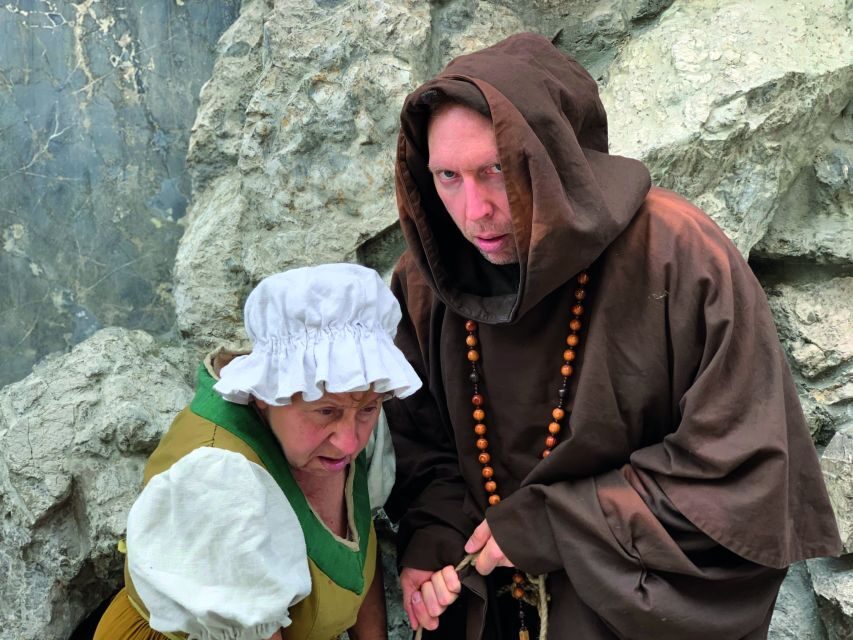
- Actors in historic costume perform short scenes that connect directly to the streets you’re standing on
- Witch hunts + prostitution + punishment are woven into a single walking story of how Munich judged people
- Specific landmarks in the Old Town route, including the Frauenkirche and the Town Hall yard
- Named characters in the narration, like Duchess Renata and Jesuit Father Ignatius, help the 1500s feel concrete
- A mix of horror and odd details, including devil lore and explanations for old myths
Dark Stories, Period Costumes, and the Right Starting Point
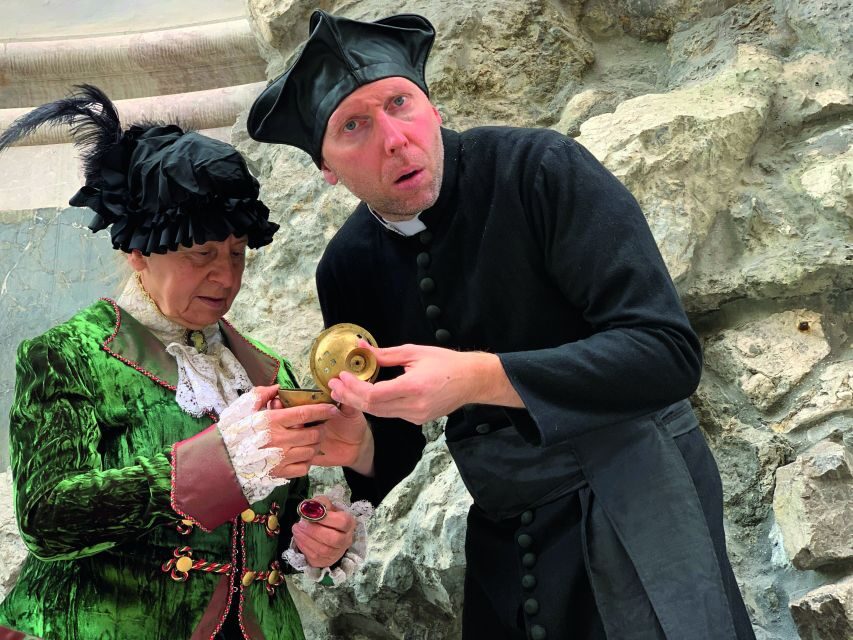
If you’ve only seen Munich as beer halls and postcard facades, this tour is a reality check—in a good way. You’re not just learning dates. You’re watching people in period clothing act out what fear looked like in the 1500s and 1600s, then walking right past the buildings where the events were supposed to matter.
The meeting point is easy once you know what to look for: Karlsplatz/Stachus, under the archway of the Karlstor. Your guide carries a big blue bag with white words: Weis(s)er Stadtvogel. That bag is your visual anchor, especially if streets are busy or you arrive a few minutes early and get slightly lost in the crowd.
This tour runs rain or shine, so bring a light rain layer even in mild weather. Also plan on staying upright through a lot of the 90 minutes; it’s a walk, not a sit-down show. The good news: it’s listed as wheelchair accessible, so you should be able to participate even if walking long distances is an issue.
You can also read our reviews of more tours and experiences in Munich.

Neuhauser Tor: Where Sentences Left Town
The tour starts at the Neuhauser Tor, a gate that mattered because people were led away from the center to face punishment. That location is important for the whole logic of the stories: the city didn’t just punish—it also tried to keep punishment at the edge, out of sight of everyday life.
As you stand there, the narration ties together a few big questions that the tour keeps returning to: Why were some crimes treated as if they threatened the whole social order? Why did certain officials and institutions decide that fear had to be made public? And why do execution stories get linked to places outside town?
Even if you’re not a horror-history fan, this opening gives you a framework. You start to see the “why” behind the route, not just the “what happened.”
Salzstraße and the Former Jesuit School: Faith Meets Accusation
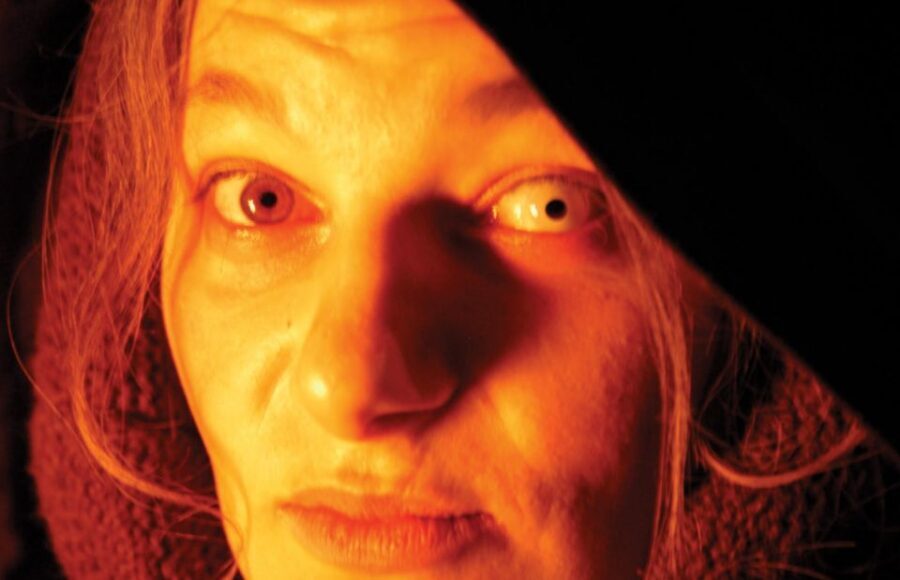
From the gate, you walk through historic streets toward the former Jesuit school connected to the era when witch hunts took hold. This is where the tour does something smart: it explains how authority worked. You’ll hear about the role of religious institutions and how accusations could spread like wildfire when people already believed the world was full of hidden threats.
A standout moment here is the argument scene featuring Duchess Renata and Jesuit Father Ignatius. The point isn’t just drama. The tour uses the disagreement to make the 16th century feel lived-in: power struggles, reputations on the line, and the quick jump from unusual events to blame.
Then the story shifts to the St. Michaelis Church, tied to a famous sort of explanation people used back then. During construction, a tower collapse was framed as evidence of wrongdoers in the community—specifically, the “accursed bad women.” It’s a brutal reminder of how quickly fear can turn into scapegoating.
St Michaelis Church and the Witch Wind: Why the Devil Gets Involved
After the Jesuit school scene, the route moves toward the Schöner Turm area, where the tour brings in a tragic story centered on a gold smith. The tour uses these smaller narratives as emotional anchors, so you don’t just hear about categories like witch or executioner. You hear about individuals—and that makes the bigger theme stick.
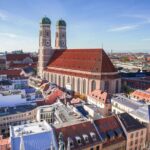
Next comes the Frauenkirche, and the vibe shifts into full theatrical mythmaking. Expect a Devil character to appear in the story, plus explanations wrapped in old folklore. You’ll hear why the church was linked to the Devil’s help with construction, what makes this location so windy according to the tour’s tale, and even the strangely specific detail about the Devil’s shoe size.
Now, you should treat these as the tour’s folklore framing, not as a scientific claim. But that’s exactly the point of this kind of performance: it shows how people explained the world when they had no modern tools—by telling stories that felt meaningful, memorable, and controllable.
If you like tours where the imagination helps you understand the past, this is a strong section.
Town Hall Yard and Marco Bragadino the Alchemist
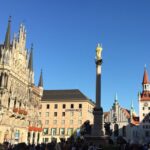
When the story reaches the area by the Town Hall, the tour pulls in Marco Bragadino, an alchemist tied to the goldmaking theme. You’re led into a scene that mixes superstition, ambition, and the kind of desperation that can turn “maybe” into “proof” when the stakes are high.
This is one of the tour’s best balances: it doesn’t only focus on accusations from outside institutions. It also looks at how people tried to profit, survive, and convince others. The alchemist character “warms us” to his arts in the telling—again, theatrical language, but used to highlight why alchemy and miracle claims spread.
The Town Hall stop also gives you a breather. You’re in a famous civic space, which makes the contrast clearer: punishment and fear happened in the same city where official life continued.


St. Peter’s Church: The Working Life of a Hangman
At St. Peter’s Church, the tour turns toward the everyday reality behind punishment: the people who carried it out. Here you learn how hangmen looked, why they were best avoided, and practical details in-story about how you’d obtain a gallows rope.
It’s dark material, but the tour treats it like social information. That’s why this section works. You’re not just getting gore. You’re seeing how a city handled its violence through roles, jobs, and the uncomfortable people who had to do them.
This part is often where the tone feels most grounded, even with the dramatics. The stories make a point: systems don’t run on myths alone. They run on people doing work—often with stigma attached.
Old Town Hall Torture Chambers and the Platzl After 1972
Near the Old Town Hall, the tour crosses into the story of former torture spaces. This is where the walking route becomes a set of emotional “bookends” for the earlier sections. You start with gates and executions, move through religious blame and myth, then come back to the machinery of control.
There’s also a moment described as a beautiful woman escaping sure death. The tour uses that kind of story as relief—proof that even in a brutal system, outcomes weren’t always fixed.
Finally, you end up at the Platzl, which the tour places in Munich’s red light district past. The key detail here is timing: it was home to prostitution until the 1972 Olympic Games, after which it was removed from the historic center. The tour even ties this to pop-cultural memory through the vibe of Skandal im Sperrbezirk by the Spider Murphy Gang.
You’ll hear why the story of prostitution matters in the same breath as witch hunts and punishments: the city used moral labeling to manage public behavior, and it changed where that behavior was allowed to exist.
Price and Logistics: Is $46 Good Value for 90 Minutes?
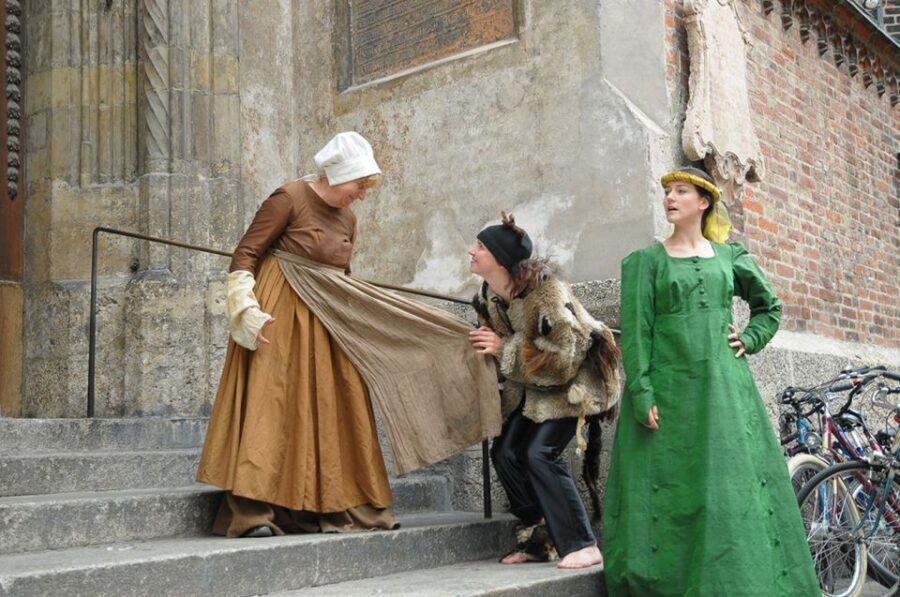
At $46 per person for 90 minutes, you’re paying for more than a typical walking explanation. This tour is built like a mini performance: professional actors in historic costumes deliver scenes while you walk between major locations.
So the value equation is simple:
- If you enjoy story-driven history and can handle dark themes, the acting layers make the time feel fuller than a standard guide talk.
- If you prefer quiet, purely factual sightseeing, the theatrical approach may feel like more “show” than you want.
Also keep expectations realistic. This is not museum learning with time to sit and reread panels. It’s a tight route, and the tour is designed to keep moving so the drama lands before you lose the thread. That pacing is part of why it works.
In practical terms, you’ll get a strong evening “Munich texture” for a single night plan—one that connects several key Old Town sights into one coherent story.
Who This Munich Scary Tour Fits Best
This is a great fit if you:
- Want German-language history delivered through acting, not just narration
- Like tours that connect folklore and institutions to specific streets and buildings
- Can handle themes like witch hunts, torture, and execution without needing the tone softened
It may not be ideal if you:
- Need a family-friendly, light outing (the subject matter is grim by design)
- Rely on English or another language for guided explanations, since this tour is live guide in German only
My Quick Practical Tips for a 90-Minute Walk
A few small choices help you enjoy it more:
- Wear comfortable shoes. You’re moving through multiple Old Town stops in a short time window.
- Bring a rain layer since the tour runs in bad weather too.
- Arrive a few minutes early to spot the big blue bag at Karlsplatz/Stachus under the Karlstor arch.
- If you’re sensitive to heavy topics, give yourself permission to step back from the most intense scenes. The tour is theatrical, so the emotional peaks are intentional.
Also, since it’s wheelchair accessible, it’s worth considering how long you’ll comfortably stay on your feet. That way you can plan the pace that works for you.
Should You Book This Tour?
I’d book it if you want Munich to feel like a living story, not a list of landmarks. The biggest win here is the combination of major Old Town locations and professional acting scenes that turn grim themes into something understandable in the moment. You get the “why” behind the fear—witch hunts, punishment, and how the city treated prostitution—woven into streets you can still see.
I’d skip it if you want gentle, upbeat sightseeing, or if German-only storytelling will leave you guessing. The tour is best when you’re ready for darkness, folklore, and a performance-style guide.
If you’re choosing one evening to do something different with Munich, this is a strong option—especially when you like your history with actors, costumes, and clear connections between story and place.
FAQ
What language is the tour offered in?
The live tour guide speaks German.
How long is the tour?
The tour lasts 90 minutes.
Does the tour run in bad weather?
Yes. It takes place rain or shine.
Where do I meet the guide?
Meet at Karlsplatz/Stachus, under the archway of the Karlstor. Your guide will be wearing a BIG BLUE BAG with white words reading Weis(s)er Stadtvogel.
Is the tour wheelchair accessible?
Yes, it is listed as wheelchair accessible.
Is there free cancellation?
Yes. You can cancel up to 24 hours in advance for a full refund.