REVIEW · MUNICH
Munic:h; Paul’s Bavarian Food and Market Tour
Book on GetYourGuide →Operated by Munich Art Tours · Bookable on GetYourGuide
Munich smells like dinner the second you step into the Old Town. This Munich’s Bavarian Food and Market Tour strings together traditional stops you’d otherwise have to research yourself, with stories that connect taverns, Bavarian cooking, and Oktoberfest traditions. Two things I really like: the three-course format across separate restaurants and the fact that the guide takes you through Munich with practical advice, not just plates. One thing to watch: the tour price covers guide service, but the food is optional and you pay each course you choose.
You meet your guide at the Karlstor entrance, then walk between well-known places like Augustiner Stammhaus and Hackerhaus, with a short stroll that’s built in for atmosphere (and yes, digestion). It’s designed to work in real life: rain or shine, English or German, and reservations so you’re not stuck wandering at hungry o’clock.
At $141 per person for 2 hours, it can feel steep at first glance, but you’re paying for a guided route, restaurant reservations, and the local know-how to eat well afterward too. Just remember: prices at the restaurants can change day to day, and the tour notes that the guide isn’t responsible for what you ultimately decide to eat.
In This Review
- Key highlights worth planning around
- Why this 2-hour Bavarian food walk works in Munich’s Old Town
- Karlstor start: the fast way to get oriented before you eat
- Augustiner Stammhaus: starting with a traditional soup
- Hackerhaus main course: sausage (and real non-pork alternatives)
- Viktualienmarkt finish zone: the digestion stroll and local stories
- Dessert and coffee: the café stop that closes the loop
- The gingerbread heart and the post-tour eat list
- Dietary reality check: restrictions vs. food allergies
- Price and logistics: what $141 really buys you
- Who this tour suits best (and who should skip)
- Practical tips for your best tour experience
- Should you book this Munich Bavarian Food and Market Tour?
- FAQ
- What does the tour price include?
- Do I have to pay for the food during the tour?
- Where do I meet the guide?
- What food stops are included?
- Can the tour handle dietary needs?
- How long is the tour and do you walk between stops?
- Is the tour running rain or shine, and what should I bring?
Key highlights worth planning around
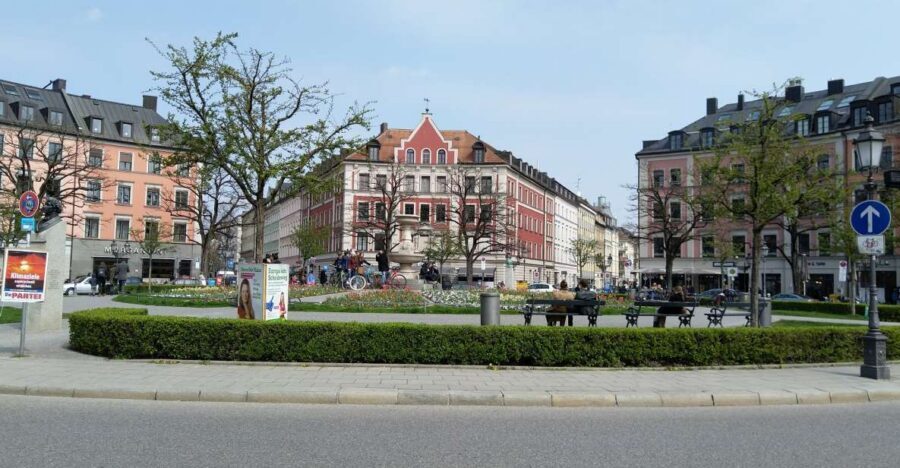
- Three tastings in three different restaurants so you sample more than one Munich specialty
- Reservations built into the route to help you avoid wasted time and dead ends
- Bavarian stories that put food in context, including Oktoberfest and famous taverns
- Options for vegetarian, gluten-free, and non-pork choices, with a clear warning that food allergies aren’t a good fit
- A finish at Viktualienmarkt (Victuals Market) plus a traditional gingerbread heart and an info sheet for where to go next
Why this 2-hour Bavarian food walk works in Munich’s Old Town
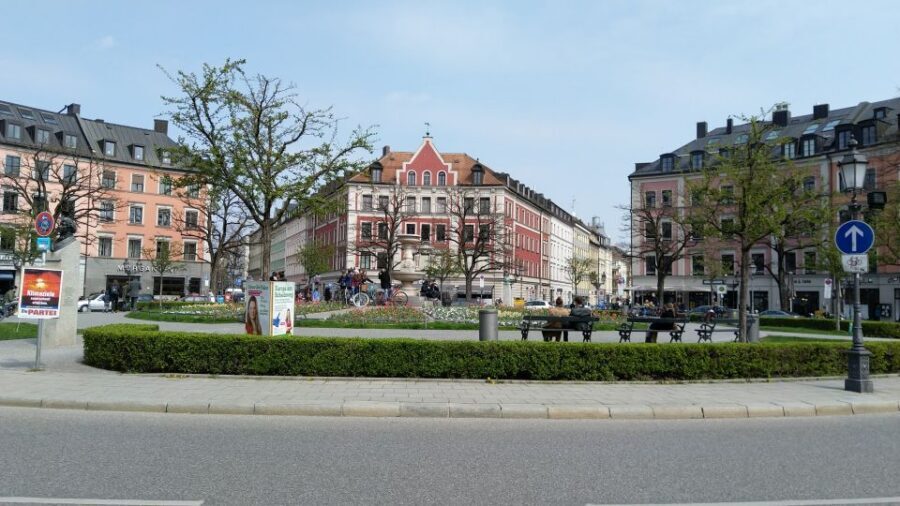
Munich can be a lot of fun, but it can also be a trap: you arrive hungry, you see menus everywhere, and you end up picking the closest place instead of the right place. This tour is built to solve that. In two hours, you get a guided path through classic areas, and you get to taste a starter, a main, and dessert without turning the trip into a homework assignment.
The big value isn’t just the food. It’s the way you learn what to order and why, in restaurants that feel like locals actually use them. You also get practical guidance at the end, so you’re not left thinking, Now what? That matters if you only have one night in Old Town or you want to eat well for the rest of your visit.
One more detail I appreciate: the tour is set up so you can adjust. Food is described as optional, so if your appetite changes, you’re not forced into eating everything. That flexibility is useful when your schedule is tight or you’re pacing yourself after a day of sightseeing.
You can also read our reviews of more food & drink experiences in Munich
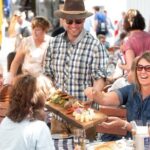


Karlstor start: the fast way to get oriented before you eat
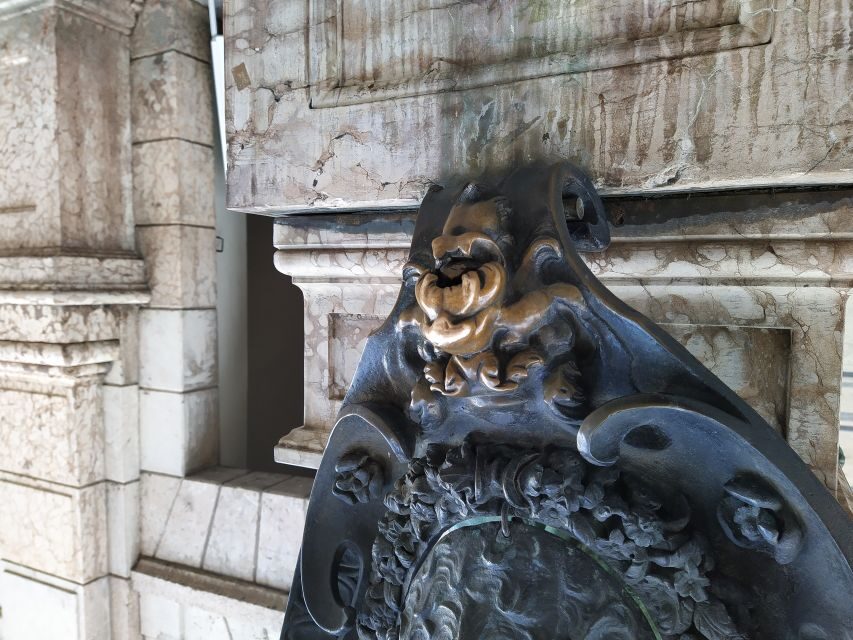
Your meeting point is in front of the Karlstor, which is the entrance to Munich’s city area. That’s a smart choice because it puts you close to the Old Town flow from the start. You’ll be walking through central Munich rather than crossing the city on transit with full bellies.
The tour also keeps things simple: no large bags or luggage, and you bring a credit card. I like that because it cuts down on awkward logistics during a food stop. If you’re traveling light, it’s easy to focus on the plan: walk, eat, listen, repeat.
Another small but real benefit: guides are explicitly listed in English and German, which helps if you don’t want to gamble on your German improving mid-tour. And because it runs rain or shine, you don’t lose your main food window if the weather turns.
Augustiner Stammhaus: starting with a traditional soup
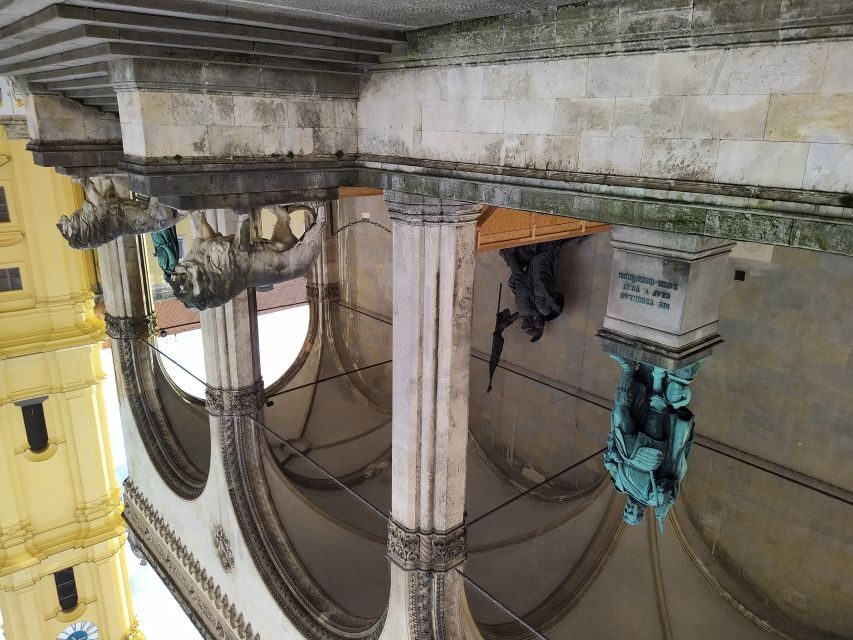
The tour’s first meal stop is Augustiner Stammhaus, reached by a roughly 15-minute walk. That first segment sets the tone. You’re not starting in a rush at a random café; you’re starting at a well-known Munich restaurant and easing in with a classic starter.
Here, you’re served a traditional soup. That matters because it’s a good entry dish: it’s comfortable, it gives you a taste of Bavarian flavors without demanding you go full heavy right away, and it helps you settle into the local rhythm of dining. Soup is also a great choice if the day is cool or rainy, and Munich can be that way.
One practical note: the tour states you’ll pay for food choices, and restaurant pricing can change daily. So the soup is part of the experience, but what you pay for it is based on what you order that day. You can also accommodate dietary restrictions and food intolerances during the tour, but the tour’s rules separately say it’s not suitable for people with food allergies—more on that later.
Hackerhaus main course: sausage (and real non-pork alternatives)
After the first stop, you’ll walk about 15 minutes to Hackerhaus. This is where the tour leans into a classic Munich move: the typical sausage dish, plus a side.
The good news is that the tour doesn’t treat dietary preferences as a problem to avoid. It specifically mentions suitable alternatives for people who don’t eat pork. That means you’re more likely to stay part of the group experience rather than constantly stepping out to find your own backup meal.
This stop is the core of why many people book. Munich cuisine often revolves around hearty Bavarian staples, and sausage is one of the first things you’ll keep seeing across menus. The guide’s job is to translate the menu language into a practical decision—what makes sense, what pairs well, and what’s truly “Munich.”
There is a tradeoff, though. The tour includes an important warning: people who don’t want to eat might choose not to, and some guests had decided to eat later. That aligns with the tour being flexible, but it also means the experience depends on how hungry you are and what you’re willing to order. If you’re the type who wants guaranteed full meals with no decision-making, this format might feel slightly more hands-on than you expect.
Viktualienmarkt finish zone: the digestion stroll and local stories
After the main course, the route includes a short stroll while you hear more stories about Munich. This isn’t just filler. It’s a chance to recalibrate after a hearty sausage course and to connect the food to the city itself.
Then you move toward Viktualienmarkt, finishing at Victuals Market. This is a key Old Town location for food culture. Even if you don’t buy anything right away, it’s the kind of place where you can see how Munich thinks about eating: markets, taverns, and everyday food traditions all in one spot.
The tour also mentions that you’ll get advice about other places to eat in the city once the tour ends. For me, that’s one of the most useful parts of a food tour: you’re not just eating in three rooms and then walking away with photos. You’re leaving with a guide who knows what’s worth returning to—and what might waste your time.
A few more Munich tours and experiences worth a look

Dessert and coffee: the café stop that closes the loop
You’ll then visit a café where typical desserts and coffee are served. This is your final course, and it’s a smart sequence. Soup starts you warm and comfortable, sausage gives you the hearty Bavarian center, and dessert resets your palate.
Because the tour includes coffee with dessert, it feels complete in the Munich way: you get a proper pause, not just a quick sweet bite. If you’ve been doing long walks in Old Town, this café stop is also your chance to sit down and recharge.
One more detail: since the food you choose is optional and you pay per course, you still control how much dessert you want. If you’re not a big sweet person, you might order something smaller and still keep the tour’s pace and rhythm.
The gingerbread heart and the post-tour eat list
At the end of the tour, your guide gives you a traditional gingerbread heart, plus an information sheet about other restaurants and taverns in town. That’s a nice souvenir, but the real value is the follow-up.
Munich is full of eateries, but not all of them fit what you’re looking for on a specific night. Having a guide’s written suggestions can help you avoid the trap of picking the first place you see. And because the tour explicitly says you’ll get advice about where to eat after the tour ends, you’re better set up to plan the rest of your meals with confidence.
In one booking experience, guide Paul was highlighted for being fantastic and for taking guests to wonderful places. While you can’t assume every day will run the same, that kind of feedback is exactly what you want from a food tour guide: someone who knows the city’s eating scene and can share it in a way that makes you feel like you’ve found your way, not just taken a ticketed walk.
Dietary reality check: restrictions vs. food allergies
The tour says dietary restrictions and food intolerances can be accommodated throughout. It also mentions vegetarian guests, gluten-free guests, and pork alternatives. That’s good if you’re dealing with lifestyle choices or digestion-related needs.
But the tour’s own suitability note says it’s not suitable for people with food allergies. That might sound contradictory at first, so here’s how I’d interpret it as a practical traveler: if your needs are allergy-level strict—where cross-contact or hidden ingredients can be dangerous—you should be cautious and get clear answers before booking or before ordering anything. The tour may offer alternatives, but your safest move is to treat allergy information as non-negotiable.
If you’re gluten-free or vegetarian, you’re in a better position based on the tour notes. If you’re allergic to something, ask direct questions on arrival and keep expectations realistic about how detailed restaurant substitutions can be in a short, walking-tour format.
Price and logistics: what $141 really buys you
The headline price is $141 per person for a 2-hour walking tour. Here’s how to think about the value without getting misled.
What’s included is the local guide with many years of experience in Munich. The tour also emphasizes that reservations are made so you don’t lose time. That’s not a small perk—Old Town restaurants can get busy, and “waiting for a table” can turn a food experience into a stressful delay.
What’s not included is the food and drink. The tour is direct about this: you pay the guide services, but you pay each course for whatever you choose. Restaurant prices can change daily, and the tour notes that some guests sometimes decide to eat later or not eat at all. You can pay directly to the waiter.
So your real budget looks like this: a set price for the guide and experience, plus the cost of at least one starter, one main, and dessert if you choose to eat along the intended plan. If you eat everything, the price feels more “worth it.” If you skip courses, the value becomes more about the stories and the restaurant tips than the actual food quantity.
One more logistics detail: the tour is not responsible for what you eat, and that sounds obvious, but it’s worth noting. You’re there for local guidance and tradition, not medical-level guarantee or personal dietary management.
Who this tour suits best (and who should skip)
This tour is best for adults and older teens, because it’s listed as not suitable for children under 12. It’s also not suitable for people with a cold. If you’re feeling under the weather, you’ll likely be uncomfortable walking and stopping in restaurants, and you might not enjoy the pace.
It fits especially well if you:
- want to understand Bavarian dishes in real restaurants, not just on a menu page
- like the structure of a short route with three focused food moments
- appreciate context, like stories tied to famous Munich taverns and Oktoberfest traditions
- would rather let a guide handle reservations and route planning
If you’re allergic, double-check fit carefully, because allergy-level needs are specifically flagged as a mismatch. And if you don’t want any decision-making around what to order, keep in mind that food is optional and you choose and pay per course.
One caution based on real-world experience: on at least one day, guests reported being the only participants and the guide handling the tour quickly because the booked guide was sick. That doesn’t guarantee anything will go wrong on your date, but it’s a helpful reminder to confirm expectations if you’re booking for a busy or very specific time window.
Practical tips for your best tour experience
If you want your food walk to feel smooth, come prepared and keep your expectations realistic.
Bring a credit card, since that’s what’s listed as needed. Wear comfortable walking shoes; you’ll be walking around central Munich with multiple stops and short transfers (about 15 minutes between some major points). Also, plan to travel light since large bags and luggage aren’t allowed.
Because alcohol and drugs aren’t allowed on the tour, this is a meal-and-stories experience rather than a tasting-and-drinking session. If you like pairing food with beer, you can still do that on your own afterward, using your guide’s restaurant advice.
And because it runs rain or shine, bring a jacket you’ll actually wear even when you’re stopping for meals. You’ll be in and out of restaurants, so staying dry helps you enjoy the walk parts.
Should you book this Munich Bavarian Food and Market Tour?
I’d book it if you want a short, guided route that helps you eat well in Munich’s Old Town without spending hours figuring out where to go. The three-course structure across different restaurant stops is the big draw, and the ending package—a gingerbread heart plus an info sheet—helps you keep eating after the tour.
I’d think twice before booking if you’re expecting an all-in, hands-off food experience where you don’t make choices. Since food is optional and you pay each course you choose (and prices change daily), your final spend depends on how much you eat during the stops.
And if you have food allergies, treat the tour’s suitability note as a serious signal. Restrictions and intolerances sound more workable; allergy-level needs are a different category entirely.
If you go in with those expectations, you’ll likely find this is a practical way to taste Munich for real, while learning what to order next time too.
FAQ
What does the tour price include?
The price covers the local guide service (with many years of experience) and the guided walking route with restaurant reservations. Food and drink are not included.
Do I have to pay for the food during the tour?
Yes. Food is optional, and you pay for each course you choose at the restaurant. You can also pay directly to your waiter.
Where do I meet the guide?
Meet your guide in front of the Karlstor (the entrance to the city of Munich).
What food stops are included?
You’ll have a traditional starter (soup) at the first restaurant, a typical sausage main course at the second restaurant, and then dessert with coffee at a café. You’ll end in the Viktualienmarkt area.
Can the tour handle dietary needs?
The tour states that dietary restrictions and food intolerances can be accommodated. It also warns that it is not suitable for people with food allergies, so if you have allergies you should be extra careful.
How long is the tour and do you walk between stops?
The tour lasts 2 hours. The listed walking time between stops is about 15 minutes for each main transfer.
Is the tour running rain or shine, and what should I bring?
The tour runs rain or shine. Bring a credit card. Large bags or luggage aren’t allowed, and alcohol is not allowed on the tour.