REVIEW · MUNICH
München: Stadtführung Henker, Huren, Hexen in GERMAN
Book on GetYourGuide →Operated by Weis(s)er Stadtvogel GmbH · Bookable on GetYourGuide
Munich looks different when you follow its criminals. This 2-hour German walk threads a darker side of the city through St. Michael’s Church and the Frauenkirche, using real places instead of spooky theatrics. It’s built around the idea that executioners, punishments, and the people you’d rather ignore were all part of the same system.
What I like most is the tone: you get fun guide storytelling with specific, place-based moments rather than a dry lecture. I also enjoy the mix of landmarks and “how the city worked” context, including stops that connect court power, punishment routes, and fear-driven witch hunts. One drawback to consider: the topic is intense and the route moves along busy streets, so if you’re sensitive to dark subjects—or you need perfect audio—this tour may not be for you.
Even so, the overall feedback rate is strong (4.6 with 6 ratings), and the best experiences seem to come down to your guide’s delivery and pacing. If you’re hoping for certain details to be front and center, keep in mind that emphasis can vary by route timing and speaking conditions, which one participant called out as a problem for understanding.
In This Review
- Key things you’ll notice on this tour
- Munich’s dark-history walk: how it connects three scandalous themes
- Meeting under the Neuhauser archway: find Weis(s)er Stadtvogel fast
- Neuhauser Tor: the city exit where punishment began
- Churches on the route: St. Michael’s and the Frauenkirche in a new light
- Alter Hof and the Old Court: where authority feels closer
- The witch hunts section: salt road to the former Jesuit college
- Prostitution and torture: what gets explained, and what to watch for
- Rain or shine, no actors: a straightforward, real-walk format
- German guide delivery: how to prepare so you catch the details
- Price and value: is $25 fair for a 2-hour dark-city walk?
- Who this tour suits (and who should skip it)
- Should you book this tour?
- FAQ
- How long is the Munich city tour?
- Is the tour guided in German?
- Where do I meet the guide?
- How do I recognize the guide?
- What’s included in the price?
- What is not included?
- Is the tour rain or shine?
- Are there actors or reenactments?
- Is it suitable for wheelchair users or people with mobility impairments?
Key things you’ll notice on this tour
- Neuhauser Tor starts the story by showing where delinquents were led out of Munich
- Frauenkirche and St. Michael’s Church get explained through the lens of control and punishment
- Alter Hof (Old Court of Munich) ties the walking route to civic authority
- Salt road + former Jesuit college set up the witch hunt narrative
- Executioners, prostitution, and torture are connected as one system, with historical causes discussed
- Guides can vary, and one standout named Julia earned strong praise for organization and atmosphere
Munich’s dark-history walk: how it connects three scandalous themes
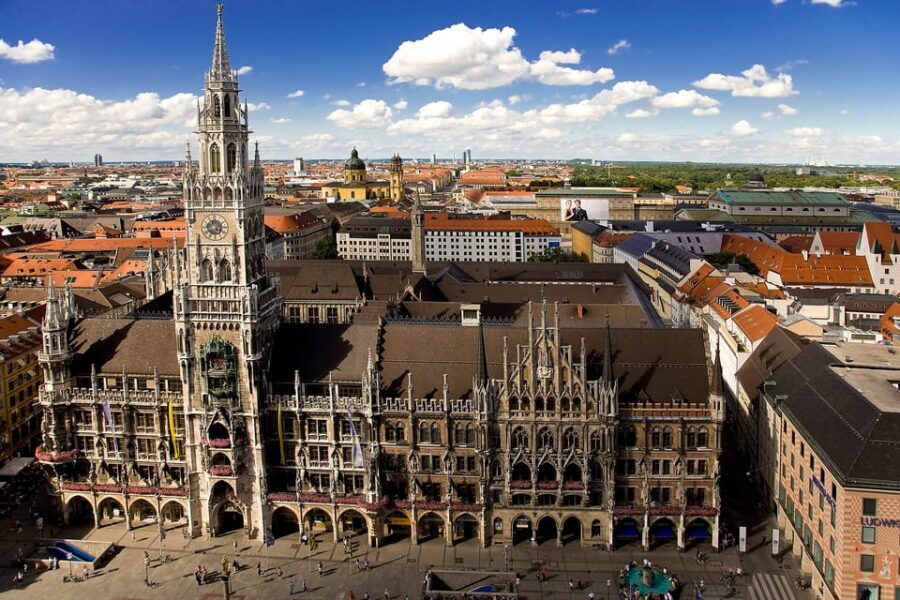
If you like your sightseeing with a twist, this tour fits the bill. You’re not just passing famous buildings for photos. You’re walking through Munich with an expert guide who explains how the city handled people it labeled dangerous, immoral, or guilty. The themes are heavy—executioners, prostitution, witch hunts, torture—and the tour’s main trick is the way it links them.
The tour’s premise is blunt but also strangely logical: the same machinery of fear and control that punished supposed witches also ran the streets through people who held official roles. You’ll hear how executioners weren’t only working the punishment end of life. The tour also discusses how the system overlapped with prostitution and how that changed later on.
For you, that means the tour feels more like a guided city explanation than a list of sights. And the landmarks aren’t random. They act like signposts to show where power sat, where people moved, and where authority took action.
You can also read our reviews of more tours and experiences in Munich.



Meeting under the Neuhauser archway: find Weis(s)er Stadtvogel fast
You’ll meet your guide under the Neuhauser archway. It’s an easy anchor point, and it helps the tour start on time. The guide will be wearing a BIG BLUE BAG with white words reading Weis(s)er Stadtvogel, so you shouldn’t waste energy playing “spot the tour group.”
This small detail matters more than you’d think. In central Munich, getting set up quickly means you lose less time to crowd shuffling and you hear more of the opening explanation. And since the tour is only about two hours, efficiency is part of the value.
The tour runs in German with a live guide. If you’re comfortable with conversational German, you’ll likely enjoy the timing and flow. If you’re not, you might still follow the landmarks, but you could miss some of the finer points—especially during busier street segments.
Neuhauser Tor: the city exit where punishment began
One of the most memorable parts of this kind of walk is standing where something symbolic happened. Here, that moment is the Neuhauser Tor—described as the place where delinquents were led out of the city for execution.
That setting turns history into geography. Instead of thinking about punishment as something abstract, you can picture the route decision: keep certain people inside the city until the moment you remove them, then send them out. It’s a practical detail that helps the rest of the tour make sense.
You’ll also hear how Munich’s layout and the location of certain operations mattered. In particular, the tour includes the idea that the headquarters were outside the city, and you’ll learn the reason why. Even if you’re not a history buff, this kind of explanation helps you see the city as a system, not a postcard.
Churches on the route: St. Michael’s and the Frauenkirche in a new light
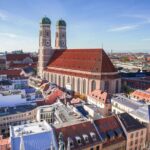
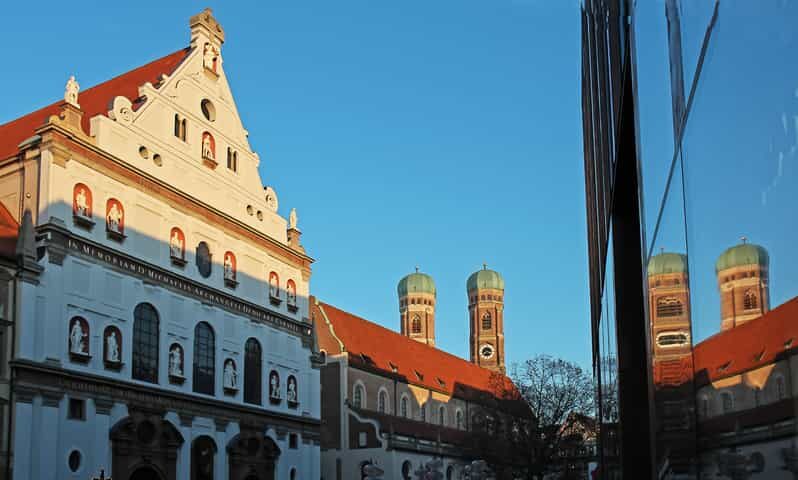
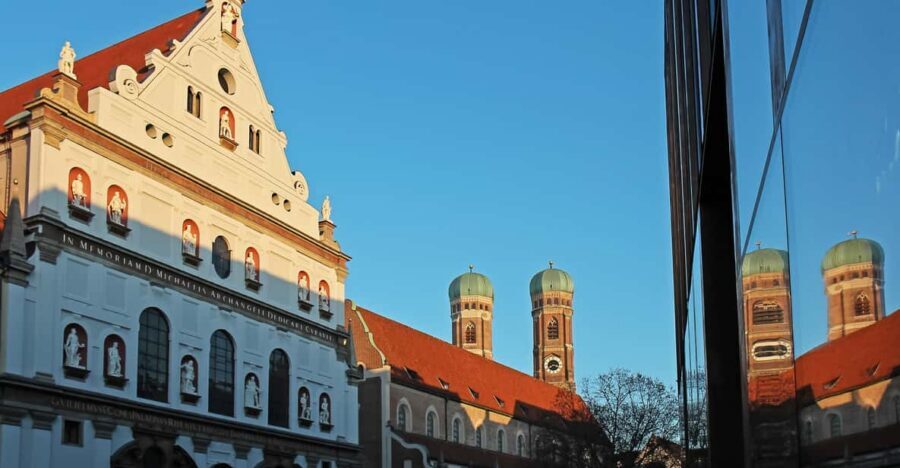
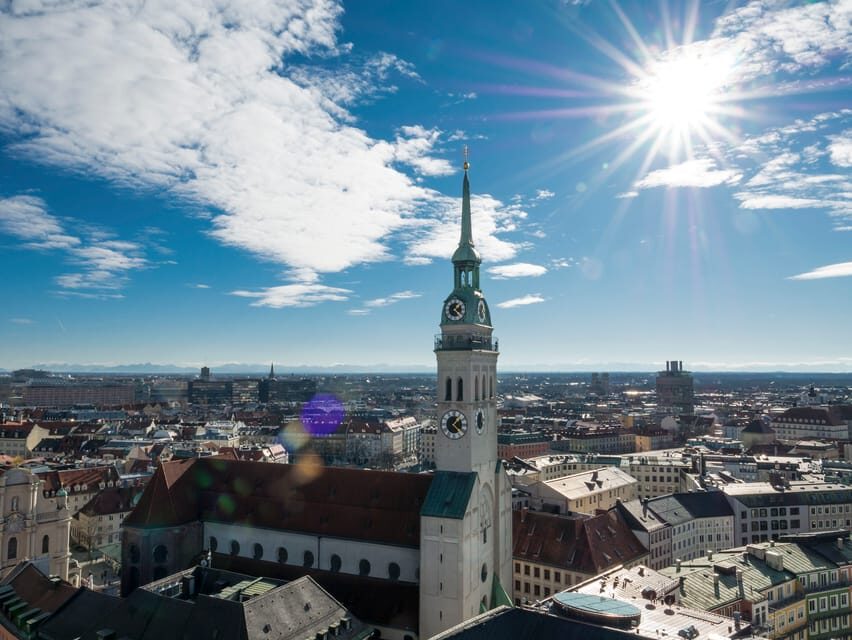
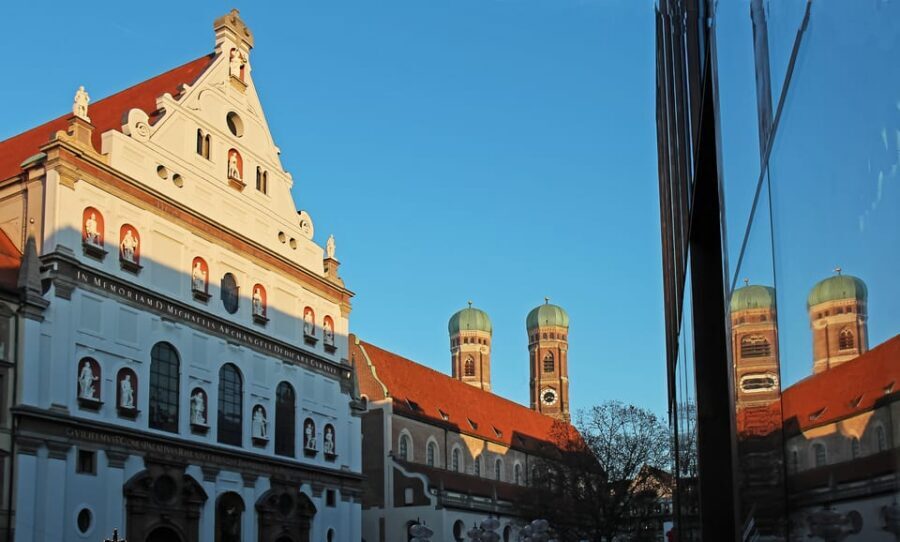
This tour includes St. Michael’s Church and the Frauenkirche, two big names in Munich’s skyline. The twist is that you don’t just get architectural notes. The guide uses these church stops to connect the city’s formal life—faith, institutions, public order—to the darker stories happening alongside it.
Why this works for you: churches were more than worship spaces. They were part of the city’s public face. When the guide ties church-adjacent locations to fear, punishment, and the execution/power network, you start to understand how normal daily life and extreme consequences sat in the same urban space.
Practical note: one negative experience mentioned that focusing on churches didn’t always feel strongly supported by evidence in that particular run. That doesn’t mean churches are irrelevant to the theme, but it does suggest you should go in expecting interpretation and explanation—rather than a documentary-style proof for every connection you hear.
If your main goal is dark content, not architecture, you can still enjoy the church stops because they’re used as conversation anchors. If you’re highly detail-driven, just keep expectations realistic: you’re getting a tour story, not courtroom documents.
Alter Hof and the Old Court: where authority feels closer
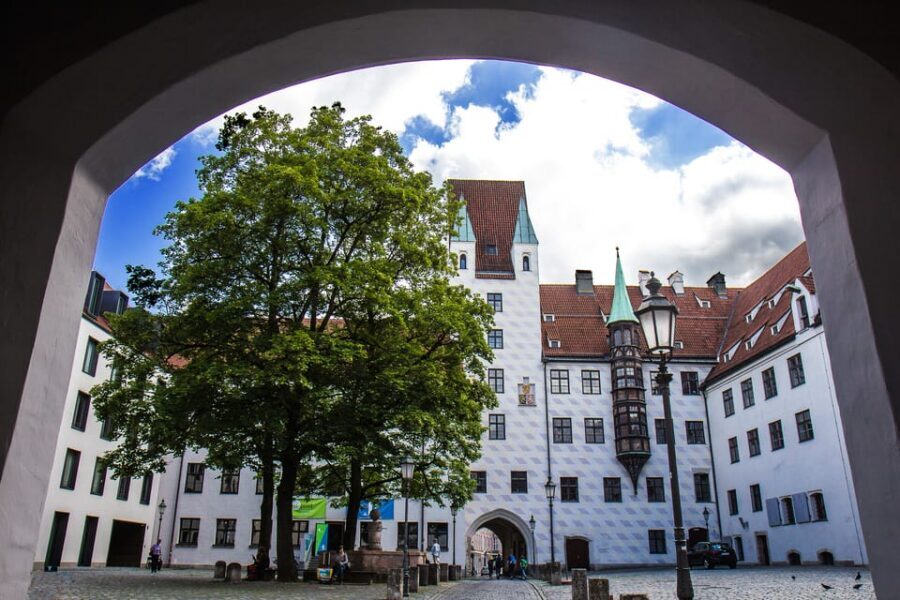
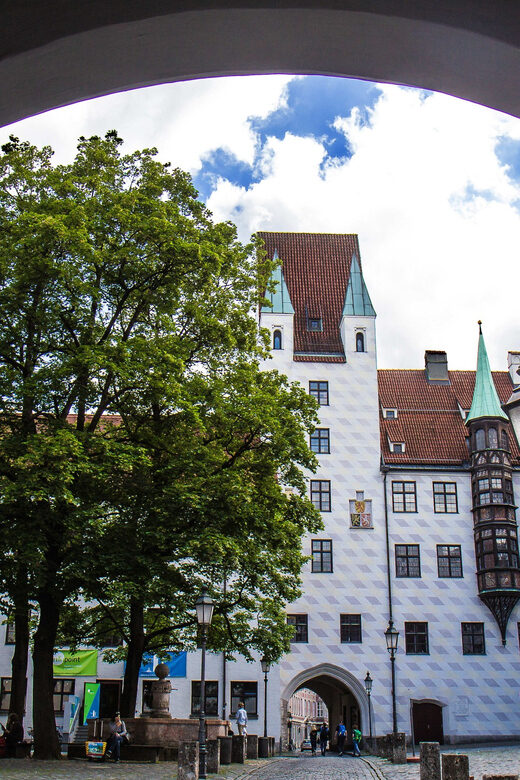
Passing Alter Hof, the Old Court of Munich, gives the tour a sense of civic weight. This isn’t a random strolling segment. It’s where the explanation can shift from street-level punishment to the way official power shaped what happened.
When a tour connects places like Alter Hof to themes like executioners and torture, it changes the vibe. You stop thinking of punishment as random violence and start thinking of it as managed process—something tied to governance, legal outcomes, and public discipline.
If you like tours that help you understand cause-and-effect, this section is useful. It’s where you can mentally map the city’s roles: who held authority, where it sat, and how the consequences played out on the people at the wrong end of the system.



The witch hunts section: salt road to the former Jesuit college
The tour travels along the historic salt road and reaches the former Jesuit college, where the witch hunt story comes forward. The salt road detail matters because it grounds the narrative in trade routes and movement. You can see how ideas, rumors, and scapegoats could spread along paths people already used.
Once you’re at the former Jesuit college, the guide focuses on the witch hunts. This is one of the most essential theme blocks of the tour because it explains how the city run on fear could turn into organized persecution. The point isn’t just that witch hunts happened—it’s that they were tied to how institutions worked and how fear was processed into action.
For you, this is the section that typically delivers the most “aha” moments. It helps you connect everyday city structure—roads, institutions, central areas—to why accusation and interrogation could escalate.
And as you listen, pay attention to how the guide handles leadership and location. The tour also includes a reason for why headquarters were outside the city. That kind of explanation helps explain the logistics of control: separation, privacy, and the city’s public image all matter when you’re dealing with punishment and secrecy.
Prostitution and torture: what gets explained, and what to watch for
The tour’s description is clear: it connects prostitution and torture to executioners and other forms of punishment. You’ll hear facts that include why prostitution ended in the 1970s, plus how these themes were linked historically.
That said, one participant’s experience raised a legitimate caution. In that run, they felt the talk about prostitutes didn’t happen much, and they also struggled with audio clarity during a moment when the guide was continuing in a busy area. Another issue they raised was timing and pacing, including church bell activity that made it harder to hear.
So here’s the honest way to think about it before you book:
- If you’re specifically interested in prostitution as a major thread, go in expecting it to be discussed, but don’t assume every guide will give it equal weight in every stop order.
- If hearing clearly is essential for you, bring a backup strategy: keep your attention close to the guide and move with the group so you’re not stuck behind people during noisy city moments.
The good news is that even with shifting emphasis, the overall structure still aims to explain how these themes overlapped rather than treating them as random spooky topics. For most people, that “one system” framing is the hook.
Rain or shine, no actors: a straightforward, real-walk format
This is not a reenactment tour. There are no actors and no staged scenes. That’s a plus if you want information and context rather than theater.
It runs rain or shine, so pack for Munich weather and accept that some parts of central streets can feel louder and wetter than you expect. Comfortable shoes are a must. Two hours sounds short, but you’ll be on your feet moving from landmark to landmark.
There’s also a choice between a shared group or a private tour. If you’re the type who asks questions and wants your guide to tailor the pace, the private option can be worth it. Shared groups are great when you want a social feel and don’t mind following the guide’s rhythm.
German guide delivery: how to prepare so you catch the details
Because this is a live tour in German, your experience will depend on your comfort level with spoken language. Even if you understand the gist, some of the best parts are the reasoning and side facts—like the why behind the headquarters being outside the city and the why behind prostitution ending in the 1970s.
One of the strongest compliments you can take from the overall feedback is about guide skill and atmosphere. A guide named Julia was specifically praised for being perfect, with organization and a great mood even when weather wasn’t ideal.
For you, that means choosing this tour when you’ll likely enjoy German narration is a smart move. If you only want to catch the landmarks, you can still do that. But if you want the story’s logic—how executioners, witches, and prostitution are connected—then German matters.
A simple preparation tip: read the theme in advance (executioners, prostitution, witches). When you already know the categories, your brain slots the guide’s explanations into a mental map faster.
Price and value: is $25 fair for a 2-hour dark-city walk?
At about $25 per person for around two hours, this tour is priced like a focused guided walk, not a long-day program. Value comes from three things you can actually feel during the tour:
- You get a live guide rather than a self-guided map.
- The route covers multiple major landmarks instead of just one neighborhood.
- The guide connects those landmarks to a single storyline about how Munich managed fear, punishment, and control.
If you’re the type who pays for context, this is likely a good deal. You’re not buying an attraction ticket. You’re buying interpretation, connections, and on-the-ground explanations.
What isn’t included is also part of the value math: no food or drinks, no pickup/drop-off, and no entrance fees. That means the cost stays centered on the guide. Just budget for your own water/snack plan if you need one.
Who this tour suits (and who should skip it)
This tour is best for you if:
- You enjoy walking tours where the guide explains how a city worked, not just what it looks like.
- You can handle darker topics—witch hunts, torture, executions—without getting overwhelmed.
- You’re comfortable following a German guide for a full two hours.
- You like Munich’s major sights but want a different lens on them.
You might want to skip it if:
- Dark subject matter hits you hard.
- You need high accessibility accommodations beyond what you can manage on a moving city sidewalk.
- You’re very sensitive to audio problems in busy areas, because parts of central Munich can be noisy and hard to hear in.
Also, the tour data includes both a wheelchair-accessible note and a note that it may not be suitable for people with mobility impairments. If mobility is an issue for you, treat that as a “check first” situation. Ask the provider how the route works in practice for your needs.
Should you book this tour?
If you want a short, guided Munich experience that turns big sights into a coherent story about executioners, witches, and the darker edges of social life, I’d say book it—especially if you enjoy learning how institutions shaped real outcomes.
Skip it if you’re chasing light-and-fun city sightseeing only, or if you rely on perfect hearing and clarity and aren’t comfortable with German narration. And if you’re particularly interested in prostitution being a major thread, I’d choose carefully and consider asking the operator how they handle that topic during your time slot.
FAQ
How long is the Munich city tour?
The tour duration is 2 hours.
Is the tour guided in German?
Yes, the live tour guide speaks German.
Where do I meet the guide?
Meet your guide under the Neuhauser archway.
How do I recognize the guide?
The guide will be wearing a BIG BLUE BAG with the white words Weis(s)er Stadtvogel.
What’s included in the price?
The price includes a knowledgeable city guide and a guided tour.
What is not included?
Food and drinks, entrance fees, and pickup/drop-off are not included.
Is the tour rain or shine?
Yes, the tour takes place rain or shine.
Are there actors or reenactments?
No. The tour does not contain actors or reenactment.
Is it suitable for wheelchair users or people with mobility impairments?
The activity is marked wheelchair accessible, but it also states it is not suitable for people with mobility impairments. If that applies to you, it’s worth checking with the provider before booking.
If you tell me your German level and what you’re most curious about (witch hunts vs. executioners vs. prostitution), I can suggest whether this tour will match your interests.