REVIEW · MANNHEIM
Mannheim, guided walking tour: Industrial culture at the commercial port
Book on GetYourGuide →Operated by Veranstaltungen - Tourismus - Marketing: Mannheim erleben GmbH · Bookable on GetYourGuide
Mannheim looks different when you walk it. This 2-hour Mannheim guided walking tour threads together the commercial port and bridge architecture, then swings into Jungbusch’s newer, creative side. I love how the walk explains why shipping shaped the city for centuries, and I really like the practical focus on what you can spot up close in the port area. One thing to watch: the meeting at Devil’s bridge can feel confusing if two groups start at the same time.
You’ll spend most of the tour reading the city instead of just sightseeing it. Expect repeated views over waterways, warehouses, and loading areas, with a guide who ties the industrial look to real life for port workers and the history of Mannheim’s trade. The main consideration is simple: it’s a lot of walking on city paths, and it is not suitable for wheelchair users.
If you’re the type who enjoys learning by sight, this is a good use of time—especially at the price.
In This Review
- Key highlights you’ll notice right away
- Mannheim’s commercial port: why this walk matters in Europe
- Starting at Teufelsbrücke: Mannheim’s oldest bridge sets the tempo
- Port geography on foot: learning by crossing waterways again and again
- Industrial architecture and port-worker history, explained at human speed
- From Teufelsbrücke to the port area: what you should look for as you go
- Jungbusch after the cranes: a neighborhood pivot you can actually feel
- Price and value: what $17 buys in a 2-hour city story
- Practical fit: who this tour is best for
- The one logistics detail worth planning for
- Should you book the Mannheim port walking tour?
Key highlights you’ll notice right away
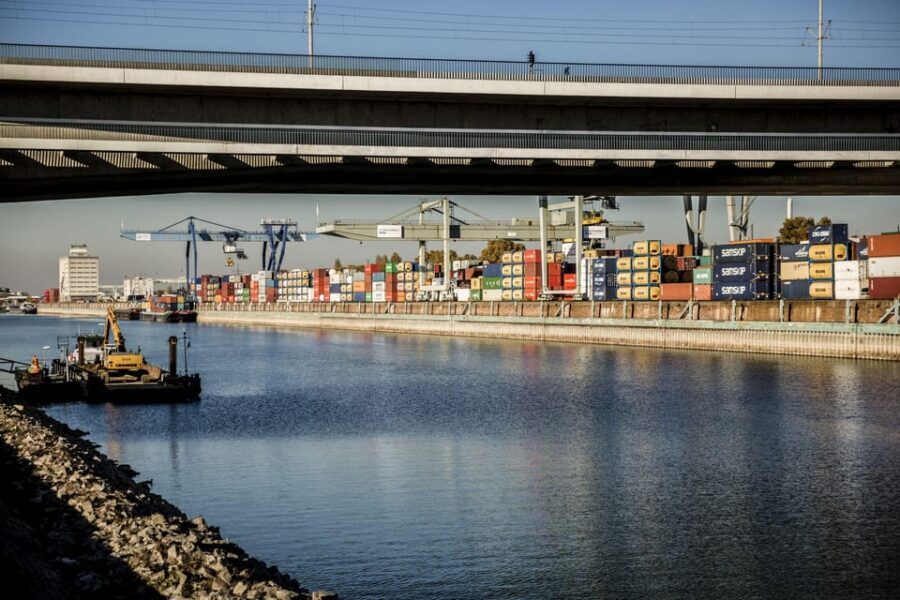
- Teufelsbrücke as the starting point: the oldest preserved bridge in Mannheim sets the tone for the industrial story
- Mannheim’s inland port importance: it’s one of Europe’s key inland ports, even though it’s not a sea port
- Bridge and industrial architecture on the move: you don’t just pass buildings; you learn how they were built and why
- Waterways, crossings, and port geography: the route keeps bringing you back to the water’s role in daily work
- Jungbusch’s shift from work to arts: from workers’ housing near the canal to a multicultural, trendy district
- Nightlife-friendly ending in Jungbusch: a bohemian art area where the evening scene makes sense after the industrial morning
Mannheim’s commercial port: why this walk matters in Europe
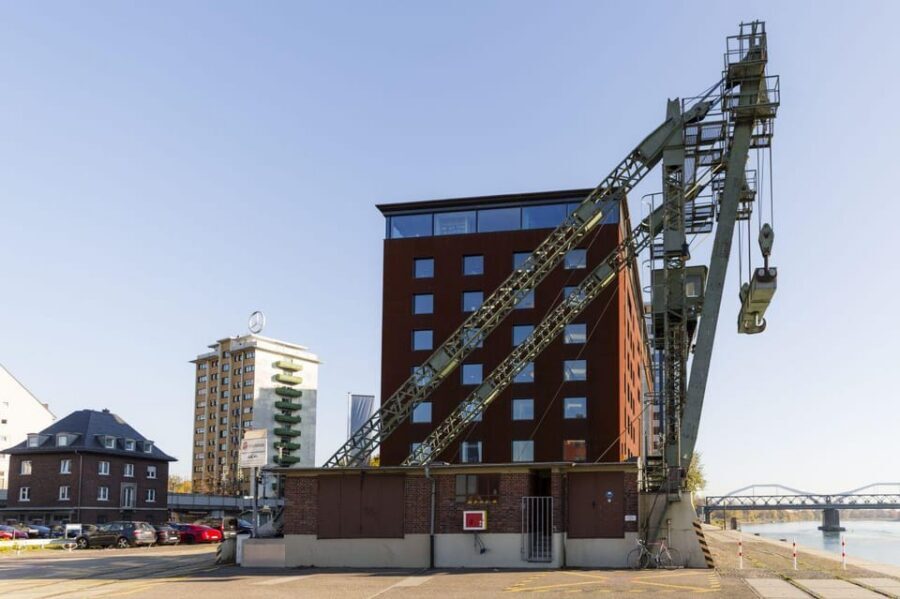
Mannheim sits where the Neckar flows into the Rhine, and that geography is the whole plot. Long before modern tourism, boats and cargo routes turned this city into a logistics hub. The port here is not an afterthought; it’s one of the most important inland ports in Europe. That means you get an industrial side of Germany that feels less like a theme park and more like a working landscape.
What I like about a guided format in this kind of setting is how it saves you from guesswork. In a port district, it’s easy to feel like you’re just walking past big structures. On this tour, you learn what you’re looking at: the loading stations and warehouses, the way the waterways shape movement, and how the port helped Mannheim’s economy. You also get the human side—what life and living conditions were like for port workers, based on the city’s industrial beginnings.
If you’re usually drawn to old castles and churches, this is a refreshing change of pace. Industrial culture has a story too, and Mannheim’s story is unusually clear because the port and its bridges still shape how the city works.
You can also read our reviews of more walking tours in Mannheim
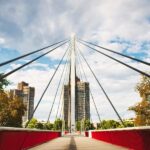
Starting at Teufelsbrücke: Mannheim’s oldest bridge sets the tempo
Your meeting point is Devil’s bridge—Teufelsbrücke. Starting here is smart because it gives you an instant anchor. This bridge is the oldest preserved bridge in the city, and it helps you understand why Mannheim grew where it did: bridges connect communities, and in an industrial port town, connection is everything.
From the first stretch, the tour’s focus becomes clear. You’re not being rushed into the port; you’re being trained to see. The guide points out bridge architecture and ties it to the earlier industrial age. Even if bridges aren’t usually your thing, you’ll get a feel for how the city’s infrastructure supported commerce—how people and goods could move with fewer bottlenecks.
Practical note: wear comfortable shoes. The tour is only 2 hours, but you’ll be walking steadily, and you’ll want your feet to be happy at the end, especially if you plan to continue exploring Jungbusch after.
Port geography on foot: learning by crossing waterways again and again
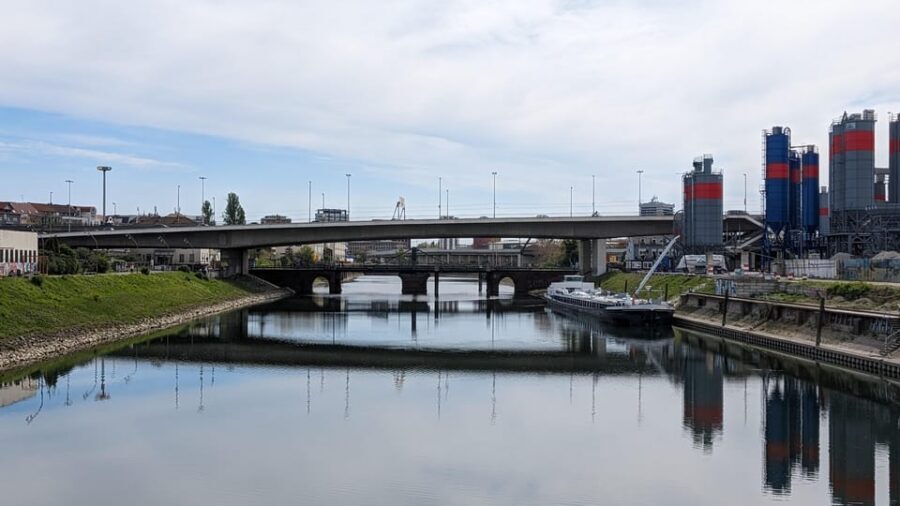
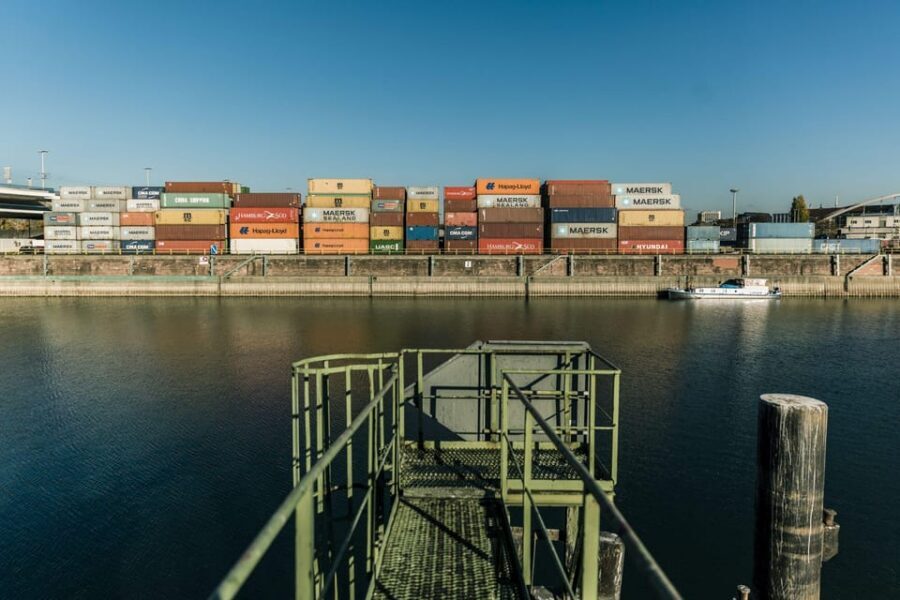
One of the most useful parts of this experience is the way the route keeps returning you to the water. The tour brings you through the port area while crossing waterways repeatedly, so you understand Mannheim’s industrial culture as a system, not a few random sights.
This matters because inland ports can look confusing if you’re not shown how everything relates. You might see cranes, loading structures, or warehouses and wonder how it all fits together. A guide’s explanations make those views click into place: where cargo flows, why certain structures exist, and how the port’s layout influenced daily life for workers.
As you go, you’ll also spot bridge and industrial architecture details that are easy to miss if you’re just scanning for photos. These objects help you read the city like a diagram. That’s the real value of a walking tour here. It’s not just movement. It’s guided attention.
A small drawback to consider: if you come expecting dramatic scenic views the whole time, you may need to recalibrate. This walk is more “industrial realism” than “postcard panorama.” If you love practical, grounded sights, that’s a plus.
Industrial architecture and port-worker history, explained at human speed
The port of Mannheim isn’t only about cargo. It’s about people who lived with the rhythms of work nearby—loading, unloading, moving goods, and doing it all in a city shaped by industry.
On the tour, the story connects industrial beginnings to life and living conditions of port workers. That’s one of the most praised parts of the experience because it turns a functional area into something you can understand. One review described the harbor loop as particularly informative, with an explanation that stayed detailed rather than skimming the surface.
You’ll also learn about the former and current importance of the port for trade and tourism. That combo is useful: trade tells you why the port exists, while tourism tells you why the port matters today beyond business. The connection between past and present helps you avoid the common problem of industrial tours that feel stuck in nostalgia.
And since it’s a walking tour, the pacing is human. In 2 hours you won’t learn everything about Mannheim’s industrial evolution, but you’ll get enough context to make your own further exploring make sense.
From Teufelsbrücke to the port area: what you should look for as you go
This is the section where your eyes do the work. You’ll move from the bridge setting into the port landscape, and that shift is part of the “aha” moment. Bridges first; then industry; then the waterways again and again.
Here’s what I’d encourage you to watch for, so you get more out of the guide’s explanations:
- Bridge and industrial details: focus on structure and function, not just appearances
- Water connections: treat each crossing as a clue to how cargo and people moved
- Trade and tourism references: listen for why parts of the port feel different today than in the early industrial age
- Port-worker context: ask yourself what kind of daily schedule their neighborhood life might have required
You’ll notice the tour is designed to teach through observation. That’s why it’s worth it even if you’ve never visited a port city before. You’re guided toward reading the place correctly.
One more heads-up: the tour takes place in all weathers. If rain is in the forecast, plan for it. The route is outdoors, and you’ll still be walking.
You can also read our reviews of more guided tours in Mannheim


Jungbusch after the cranes: a neighborhood pivot you can actually feel
The final detour takes you to Jungbusch, separated from the port area by the connecting canal. That canal separation is more than geography. It’s a neat way to frame the neighborhood’s transformation.
Jungbusch has a storyline that’s easy to summarize but satisfying to see in context. From working-class roots—where workers and sack carriers used to live—today it has a multicultural, trendy feel. The tour lands you in a part of Mannheim known for bohemian art culture and local nightlife.
This is a big reason the tour works so well as a whole experience. You don’t end with only industrial views. You end with the creative pulse that grew from the city’s past. The canal boundary makes the shift feel logical instead of random, and you’ll likely leave with a better sense of how cities recycle space and identity.
If you’re planning a night out, Jungbusch is the kind of place where you can keep the evening going without a long commute. Even if you’re not a club-and-cocktail person, this is a good area for wandering after dark.
Price and value: what $17 buys in a 2-hour city story
At around $17 per person for a 2-hour walk, this is priced like a solid, focused city experience—short enough to fit into a busy schedule, structured enough that you’re not spending the whole time guessing what you’re seeing.
The value comes from three things:
- A guide who explains what you’re looking at, especially in an area where self-guided sightseeing can be confusing
- A clear theme: industrial culture at the commercial port, with bridges and Mannheim’s history tied in
- A satisfying ending: Jungbusch gives you a contrast so the tour feels complete rather than one-note
Is it the cheapest thing you can do in Mannheim? Maybe. But in an industrial port district, paying for interpretation can save hours of confusion. This tour earns its cost by helping you see meaning in the working landscape.
Practical fit: who this tour is best for
This tour is a good match if you like:
- History that you can see with your own eyes, not only read in a museum
- Industrial architecture and city infrastructure
- Walking tours that feel like they teach you a new way to look
It’s less ideal if you:
- Need wheelchair access (it is not suitable for wheelchair users)
- Want a fully indoor, weather-proof experience (it runs in all weathers)
- Travel with pets (pets are not allowed)
For couples, solo travelers, and small groups who enjoy learning while moving, it’s a strong 2-hour choice.
The one logistics detail worth planning for
There’s a real-world lesson here: make sure you’re in the right group at the start. One confirmed booking issue described two groups starting at the same time—one linked to the platform listing and one private—and the traveler ended up in the wrong group.
You can prevent that kind of mix-up easily. Check the group details before you commit to the meeting spot, and arrive with enough time to verify you’re joining the correct start.
That’s not a deal-breaker. It’s just smart, especially when the meeting point is a specific place like Devil’s bridge.
Should you book the Mannheim port walking tour?
Book it if you want a practical, guided understanding of Mannheim’s industrial roots and you like finishing in a neighborhood that’s more than just a photo stop. The combination of Teufelsbrücke, port-area architecture, waterways, and the Jungbusch transformation gives you a rounded feel for the city in only 2 hours.
Skip it (or consider another option) if you want a sightseeing tour built around churches, palaces, and long scenic viewpoints. This experience is about industry, bridges, and how ordinary life grew around trade.
If you like learning through your feet, this is one of those walks that makes a working port feel readable—and then turns Jungbusch into a natural final chapter rather than a random add-on.