REVIEW · MANNHEIM
Mannheim’s Art and Culture revealed by a Local
Book on GetYourGuide →Operated by LocalBini AG (EU) · Bookable on GetYourGuide
Mannheim’s street art hits fast. I like how the walk starts at the Mannheim Water Tower and quickly points you toward real local artists such as Herakut, not just random murals. I also enjoy the way the guide ties that contemporary energy to Mannheim’s baroque landmarks and artworks. One thing to consider: if your guide’s English runs a bit tough, the stories can feel shorter or less detailed.
You’ll also get specific stops, not vague wandering. The route includes the Jesuit’s Church area, plus murals tied to the Open Urban Art Museum, where art feels like part of the street life rather than a museum display. You’ll even hear about a piece called The Modern Thinker, created with Stadt. Wand. Kunst, and what makes it fit into Mannheim’s art scene.
This is a 90-minute walking tour for a small group of 2 to 6 people, led by a live guide in English or German. Bring comfortable shoes, because you’re on foot the whole time. It’s not a fit if you have mobility limits that make walking difficult.
In This Review
- Key highlights at a glance
- Meeting at Wasserturm Water Tower: the walk begins with a landmark
- Jesuit’s Church and Open Urban Art Museum murals on foot
- Herakut and Sainer: contemporary artists you can actually follow
- Baroque masterpieces of Mannheim: why the old art still matters
- The Modern Thinker and Stadt. Wand. Kunst: public art with a system behind it
- What 90 minutes and a 2 to 6 person group really gives you
- Price and value: what $116 buys for art walking
- Practical tips: shoes, cold weather, and English or German
- Who this Mannheim art tour suits best
- Should you book this Mannheim art and culture walk?
- FAQ
- Where does the tour meet?
- How long is the Mannheim art and culture walking tour?
- How big is the group?
- What languages are available for the live guide?
- What’s included in the price?
- What is not included?
- Do I need to bring anything?
- Is the tour accessible for people with mobility impairments?
- Can I cancel for a full refund?
Key highlights at a glance
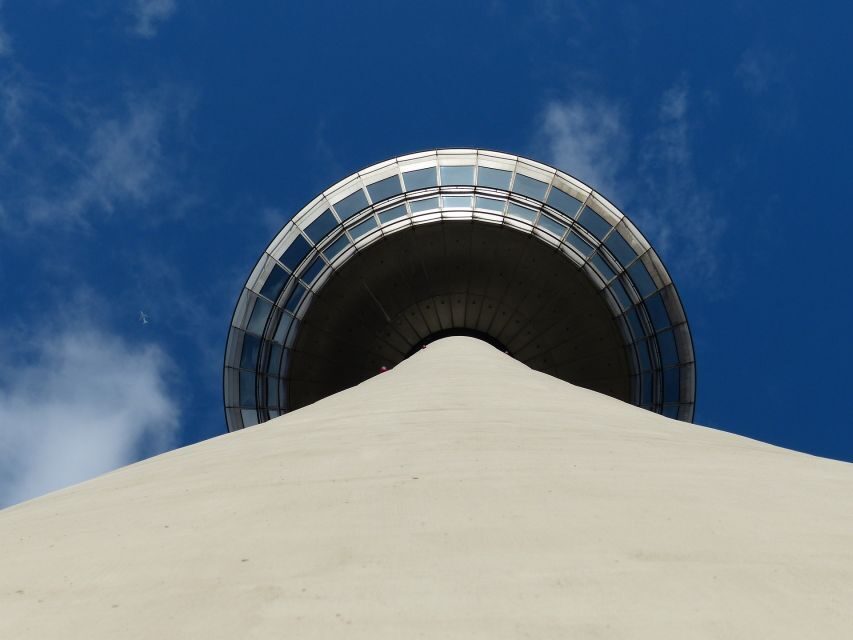
- Start at Wasserturm Water Tower so you quickly get your bearings in Mannheim
- Open Urban Art Museum murals show contemporary street art in context
- Herakut and Sainer come up by name, so you can follow what you’re seeing
- Jesuit’s Church adds a big architecture anchor to the route
- The Modern Thinker connects public art with Stadt. Wand. Kunst
- Baroque masterpieces of Mannheim give you a second artistic timeline to compare
Meeting at Wasserturm Water Tower: the walk begins with a landmark
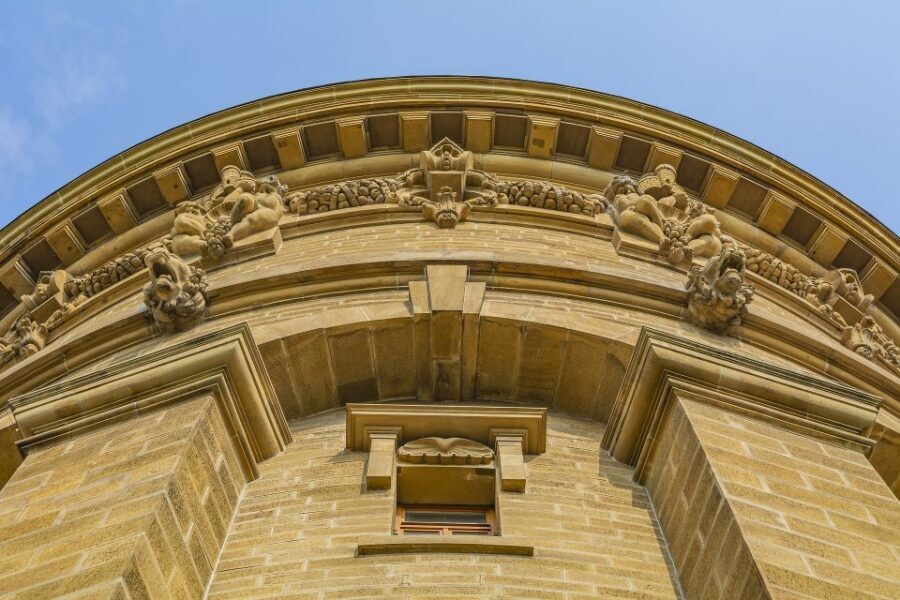
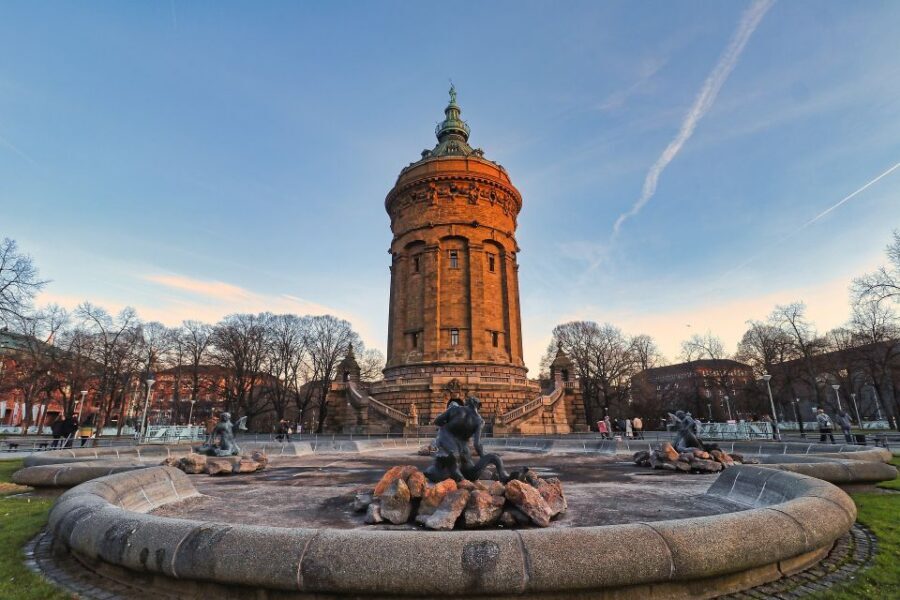
The tour’s meeting point is practical and easy to find: the stairs of the Wasserturm Water Tower, behind the gates. That matters more than it sounds. You’re starting with a visible reference point, so even if Mannheim’s streets feel a bit spread out, your group can gather fast and move on.
From there, the guide sets the tone for the whole experience. You’re not just looking at buildings and walls. You’re learning how Mannheim thinks about art—on streets, in institutions, and across time periods. I like that the tour uses a city landmark first, then keeps the momentum going with art stops right away.
You can also read our reviews of more tours and experiences in Mannheim.


Jesuit’s Church and Open Urban Art Museum murals on foot
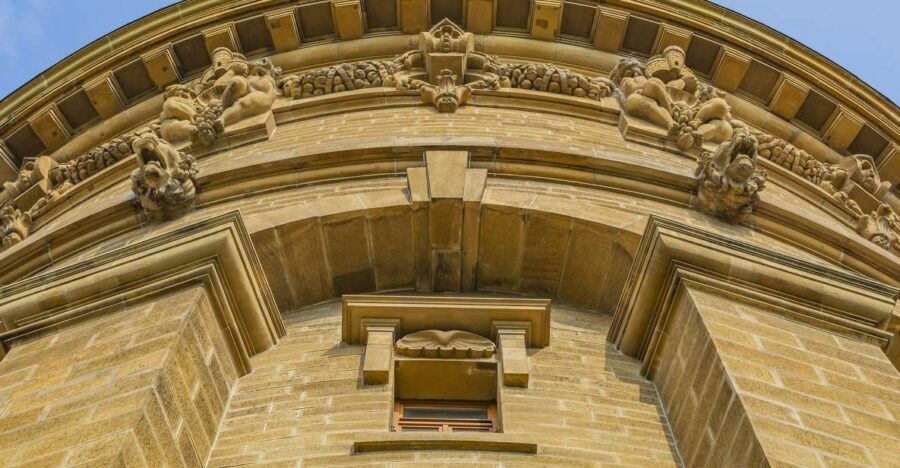
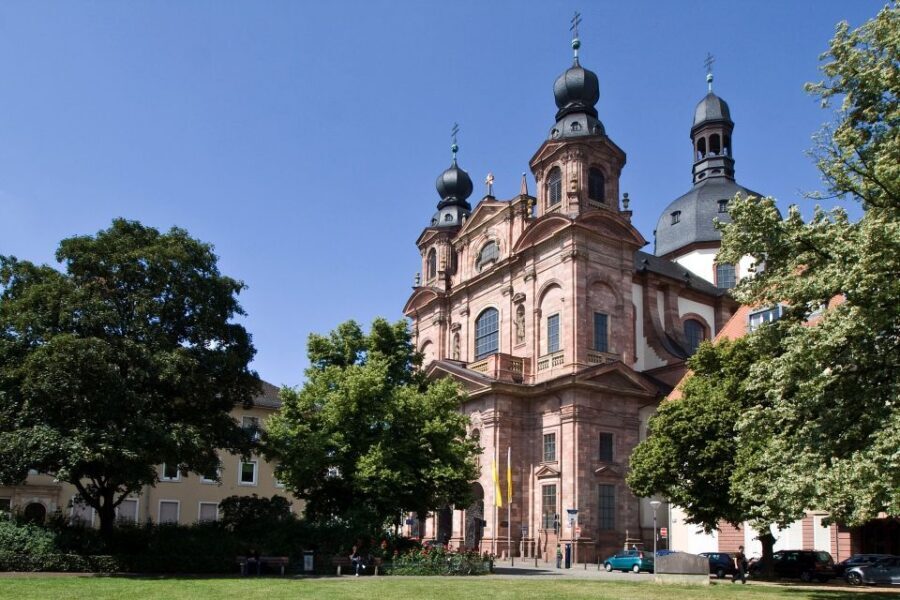
A big part of why this walking tour works is the contrast. You’ll spend time around the Jesuit’s Church, then shift into murals from the Open Urban Art Museum. That back-and-forth helps you see Mannheim as more than one style or one era.
At the Jesuit’s Church area, you get the sense of how older landmarks shape the feel of the neighborhood. Then, when you move to mural-led street art, the vibe changes—but the tour keeps connecting the dots. The murals aren’t presented as random decoration. They’re treated like part of a living conversation between artists and the city.
If you’re the type who usually walks past street art, this is where the guide’s job really pays off. You’ll learn what to notice as you look—details, context, and why specific artists matter in Mannheim. The murals feel more grounded when you understand what the guide is pointing at.
Herakut and Sainer: contemporary artists you can actually follow
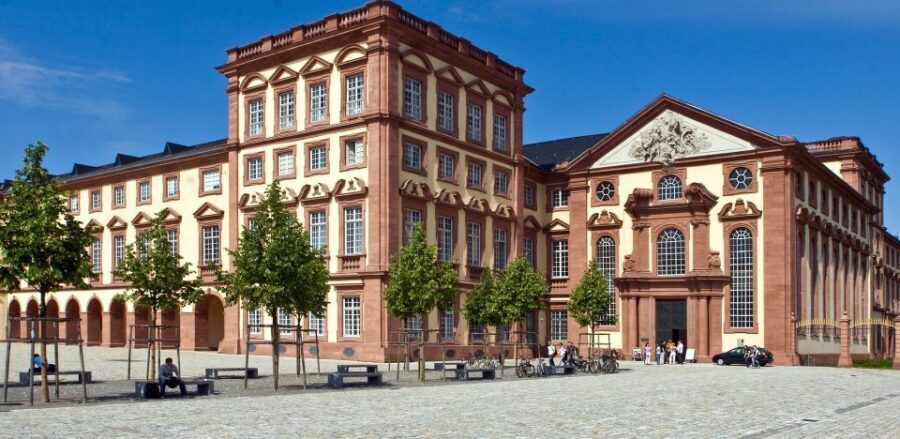
The tour puts real attention on contemporary names, including Herakut and Sainer. That’s a smart choice, because it turns a general street-art walk into something you can remember. Instead of seeing walls full of color and then forgetting where you saw what, you’ll come away with artist names and a sense of why Mannheim connects to their work.
Herakut comes up early in the highlights, and the guide focuses on his work in a way that’s meant to be accessible, not academic. The goal is for you to understand what you’re looking at while you’re still standing in front of it, not after you’re back home Googling pictures.
Sainer is another key name on the route. Again, the value is less about memorizing and more about learning how the city’s creative scene links artists to places you can reach on foot. If you like modern art but usually feel like you need a museum label to decode it, this format helps.
Baroque masterpieces of Mannheim: why the old art still matters
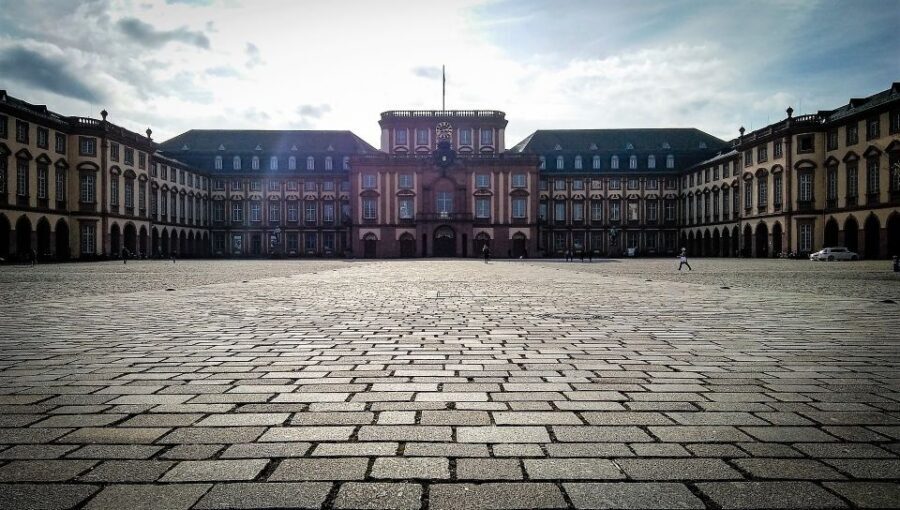
One of the tour’s most practical benefits is that it gives you a second artistic timeline. Along the way, the guide talks about Mannheim’s baroque masterpieces. That’s not just name-dropping. You’ll learn how baroque art helped shape the city’s identity, and why it still shows up in how people interpret Mannheim today.
Baroque can feel far away when you only see it behind glass. Here, you get a bridge between big historical work and the street-level art you’re also encountering. The walk helps you compare moods and messages across eras without needing a full art history lecture.
This is especially useful if you’re doing Mannheim as a stop during a bigger Germany trip. In 90 minutes, you’ll get both: a contemporary art view and a baroque art anchor. That means the city doesn’t feel like a blur of sights. It feels like an actual place with a creative through-line.
The Modern Thinker and Stadt. Wand. Kunst: public art with a system behind it
A standout mention is The Modern Thinker, created with Stadt. Wand. Kunst. That detail is more than trivia. It hints that Mannheim’s public art isn’t only happening by chance. There’s a framework behind what gets shown and where.
When a tour calls out a specific piece by name, it changes how you look. You’re not just browsing art locations. You’re learning to recognize individual works as part of a bigger public-art story. In this case, Stadt. Wand. Kunst is part of that story, and the guide explains the connection in a way that makes the street art feel intentional.
If you enjoy contemporary public art, this section is one of the reasons the tour is worth booking. It gives you one clear example to hold onto while you’re still moving through the city. And it helps you understand why Mannheim keeps returning to art in visible, everyday spaces.




What 90 minutes and a 2 to 6 person group really gives you
This is a small-group walk, typically 2 to 6 people. That size matters because the guide can actually respond to your questions and the pace doesn’t feel forced. In a larger group, art tours can feel like a conveyor belt. Here, it’s easier to slow down when something catches your eye.
The duration is 90 minutes, which is a sweet spot for art and walking. Long enough to hit multiple areas and actually learn names. Short enough that you won’t feel cooked if the weather turns. In winter, that balance matters even more.
Also, with a live guide in English or German, you’re not relying on a phone app. You’re getting someone to point out what’s meaningful right where it’s happening. That usually leads to better recall, because the info is tied to your feet moving through the city.
Price and value: what $116 buys for art walking
The price is $116 per person for the 90-minute guided experience. That’s not a cheap activity, so you should ask what you’re really paying for.
You’re paying for a local guide who focuses on Mannheim’s art story in a way a self-guided walk can’t replicate. The tour includes specific attention to artists like Herakut and Sainer, plus a named work—The Modern Thinker—and connections to Stadt. Wand. Kunst. You’re also getting time at key locations like the Jesuit’s Church area and mural-led points connected to the Open Urban Art Museum.
If you’re the kind of traveler who likes art but doesn’t want to spend your limited time reading wall text or hunting explanations on your own, this price starts to make sense. If you’re already an art-history pro and plan to research heavily before you go, you might feel the cost is steeper than you’d like. For most people, the value hinges on whether you’ll appreciate guided interpretation in real time.
Practical tips: shoes, cold weather, and English or German
Wear comfortable shoes. This one is non-negotiable. You’re walking the city, and the tour won’t feel great if your feet aren’t happy.
Plan for weather swings. The tour runs year-round, and it can be chilly in January. If you’re visiting in colder months, dress in layers and don’t rely on thin outerwear just because the daylight looks bright.
Language is the other practical factor. The tour is offered in English and German, but your experience can change depending on how confident the guide is in the language you choose. If you’re booking English and you care a lot about long explanations, consider arriving ready to ask questions. A short clarification can often help you get the detail you want.
Who this Mannheim art tour suits best
This tour is a strong fit if you want:
- a guided way to connect street art to named artists
- a quick comparison of contemporary work and baroque landmarks
- a small-group walk where you’re not stuck to a rigid pace
It’s also great for first-time visitors who need a human-led overview, and returning visitors who think they know Mannheim but want a fresh angle. You’ll walk away with a clearer sense of why the city’s art scene feels connected to everyday streets.
It’s not suitable for people with mobility impairments, since it’s a walking tour.
Should you book this Mannheim art and culture walk?
If you want a 90-minute art story that moves between murals, named contemporary artists, and baroque landmarks, I think it’s a good use of time. The small-group size helps, and the focus on specific works like The Modern Thinker makes it easier to remember what you saw.
I’d hesitate only if you’re extremely sensitive to language quality. When a guide’s English isn’t as strong, some stories can land shorter than you hoped. If that’s your concern, booking in German might give you a more complete experience, or you can simply go in with the mindset that you’ll capture the main connections visually and through the guide’s guidance.
If that sounds like your style of travel—walk, look, learn, and keep moving—then yes, book it.
FAQ
Where does the tour meet?
Meet at the stairs of the Wasserturm Water Tower, behind the gates.
How long is the Mannheim art and culture walking tour?
The tour lasts 90 minutes.
How big is the group?
You’ll be in a small group of 2 to 6 people.
What languages are available for the live guide?
The live guide is available in English and German.
What’s included in the price?
The experience includes a live tour guide and is provided by an independent local. You also get access to the small-group walking format.
What is not included?
Food and drinks are not included.
Do I need to bring anything?
You should bring comfortable shoes.
Is the tour accessible for people with mobility impairments?
No, it’s not suitable for people with mobility impairments.
Can I cancel for a full refund?
Yes. You can cancel up to 24 hours in advance for a full refund.