REVIEW · LEIPZIG
Leipzig’s Communist Past: A Self-Guided Audio Tour
Book on Viator →Operated by VoiceMap Audio Tours · Bookable on Viator
Leipzig’s Communist story runs along your walk. This self-guided VoiceMap audio tour lets you hear what daily life felt like under the East German regime, while you navigate the center at your own speed. Two things I really like: the offline access (audio, maps, geodata) and the freedom to start, pause, and resume whenever you want. The one catch is simple: you’ll need your own smartphone and headphones.
You’ll follow a classic central Leipzig route, starting outside Hauptbahnhof and ending around Moritzbastei, hitting landmarks like Thomaskirche, Nikolaikirche, Naschmarkt, and the Gewandhaus area. Expect about 1 to 1 hour 15 minutes, in English, with the narration designed for walking rather than sitting. If you want a tour that forces you to keep up with a group, this probably won’t suit you.
In This Review
- Quick hits before you start
- Leipzig’s Communist Past: what you’re really getting
- How the VoiceMap GPS tour keeps you on track
- Walking route overview: from Hauptbahnhof to Moritzbastei
- Hauptbahnhof start: getting your bearings fast
- Brühl and Höfe am Brühl: where the story meets the streets
- Museum der Bildenden Künste and Reformierte Kirche: culture under pressure
- Richard Wagner Platz and Thomaskirche: public life comes into focus
- Naschmarkt and Mädler Passage: everyday Leipzig, reframed
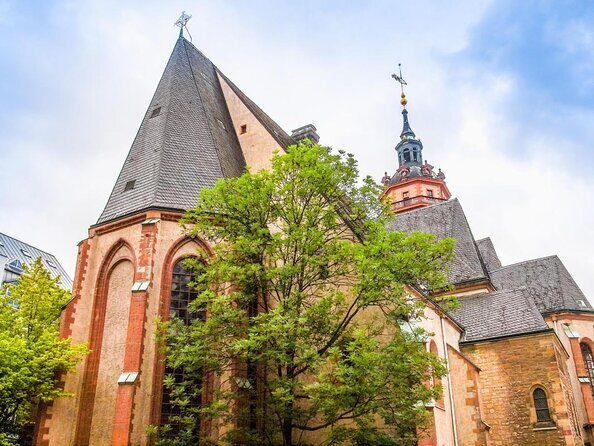
- Speck’s Hof and Nikolaikirche: the Monday protests emotional weight
- Augustusplatz and the Gewandhaus area: from listening to seeing
- Moritzbastei finish: a strong end point
- Price and value: what $9.99 buys you in real terms
- Who this audio tour is best for
- Should you book this Leipzig Communist Past audio tour?
- FAQ
- How long is the Leipzig Communist Past audio tour?
- What language is the audio offered in?
- Where does the tour start and end?
- Do I need data during the tour?
- Can I start, pause, and resume the tour whenever I want?
- What do I need to bring?
- Is this tour private?
- Can I cancel for a refund?
Quick hits before you start
- Start, pause, and resume on your schedule with GPS-triggered audio.
- Offline audio and navigation tools so roaming fees won’t bully your budget.
- East Germany and the Monday protests theme comes through in a personal, emotional way.
- Clear city orientation using well-known spots like Thomaskirche and Naschmarkt.
- A route built for walking from Hauptbahnhof through the historic core to Moritzbastei.
Leipzig’s Communist Past: what you’re really getting
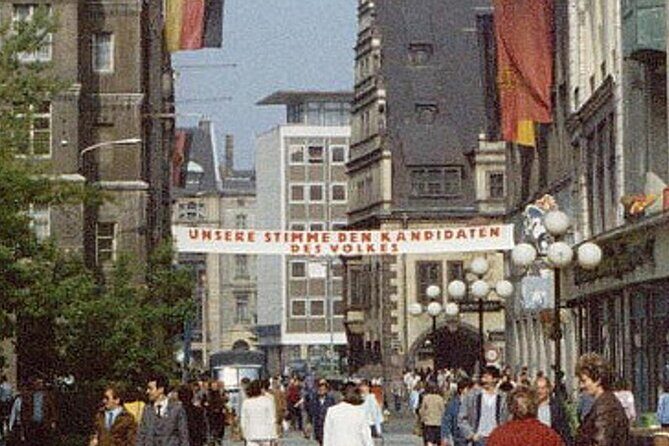
This isn’t a “read plaques and move on” kind of audio tour. It’s built to connect Leipzig’s streets to the lived experience of the GDR years—how people worked, watched the world, and navigated public life. You’ll be walking through the same central places you’d normally visit, but the soundtrack changes the meaning of what you see.
The narration leans personal. In particular, the segments about the Montagsproteste (Monday protests) can hit hard, especially when the audio cues land right where those events echo in the city. One of the most praised parts of the experience is the way the timing feels accurate—so the story stays in sync with your movement, not stuck in your head like a random lecture.
There’s also a practical payoff: you’re not just hearing history—you’re using the tour to orient yourself. With the guide’s route pointing you around key landmarks, you get a mental map fast, which makes the rest of your Leipzig sightseeing easier.
You can also read our reviews of more guided tours in Leipzig



How the VoiceMap GPS tour keeps you on track
VoiceMap’s approach here is straightforward: download the app in advance, then let the GPS guide handle the pacing. When you reach a point on the route, the audio segment is ready for you. You’re not locked into a fixed sequence; you can pause and jump back in later while keeping your bearings.
That matters more than it sounds. Leipzig’s center is compact, but it’s easy to wander into side streets or get pulled into a shop window. A self-guided GPS format means you can do that and still have the story follow along. You also get offline access to audio, maps, and geodata, which is ideal if your phone struggles on the move or you want to avoid data use.
You’ll want to set yourself up before you walk. Download everything beforehand, then check that you can hear the audio clearly through your headphones. If your phone battery is already low, this tour can be a power drain—plan to top up before you start.
Walking route overview: from Hauptbahnhof to Moritzbastei
The route is built like a guided loop without the guiding. You begin outside Leipzig Hauptbahnhof, then head along the Brühl area, pass through Höfe am Brühl, swing by major cultural and church landmarks, and keep moving through the historic core toward Augustusplatz and the Gewandhaus vicinity. The walk closes at Moritzbastei on Kurt-Masur-Platz 1.
Because the tour is about 1 to 1 hour 15 minutes, it’s a good fit for a half-day plan. It also works well as a first walking activity in Leipzig: you’ll learn the city’s layout while you’re listening to the political and human side of its recent past.
One practical note: it’s a walking route through central areas, so wear shoes you’d trust for an hour-plus stroll. If you’re planning a tight day, pick a time window when you’re not sprinting between museums.
Hauptbahnhof start: getting your bearings fast
Starting outside Hauptbahnhof is smart. It’s one of the easiest places to orient yourself in Leipzig, and it puts you in a “city in motion” frame right away. You’ll begin with the narration as you face into the central streets, which helps you transition from arrival to sightseeing without feeling lost.
This first segment sets the tone: you’re about to hear how daily life worked under East Germany, and you’ll be using landmarks as signposts. If you like tours that give you a mental scaffold while you walk, this opening helps.
Take a minute before you hit play to make sure your headphones are working and your phone screen isn’t too bright (GPS can drain battery faster with heavy screen use). Then start walking at a comfortable pace—you don’t need to race the narration.
Brühl and Höfe am Brühl: where the story meets the streets
You’ll head along Brühl and pass through Höfe am Brühl. This section is all about contrast: Leipzig’s center can feel layered and layered fast, and the audio helps you interpret what you’re seeing.
Even if you’re not focused on architecture, this stretch works because it’s practical for walking. Narrower passages and courtyards naturally slow you down, which is exactly when audio narration lands best. The tour’s GPS cues help you avoid that awkward moment where you pause to check your phone and lose the story.
Look up as you move. The idea here is less about stopping at a single “must-see” view and more about letting the narration guide how you read everyday surroundings—because under any political system, ordinary places still shape daily routines.
A few more Leipzig tours and experiences worth a look


Museum der Bildenden Künste and Reformierte Kirche: culture under pressure
Next you pass by Museum der Bildenden Künste and the Reformierte Kirche. The tour doesn’t ask you to treat culture as a separate topic from politics. Instead, it threads cultural life into the broader GDR experience—how ideas moved, how people connected, and how public spaces mattered.
This is a good segment to listen closely, especially if you’re the type who likes the “why” behind what you’re seeing. Churches and museums often sit at the crossroads of community life and public identity, so it makes sense the narration anchors you here.
Practical tip: if you want to keep your pace comfortable, treat this portion as a slow-walk zone. Let the audio play through, then decide on the spot whether you’d like to linger near either building before you continue.
Richard Wagner Platz and Thomaskirche: public life comes into focus

You’ll pass by Richard Wagner Platz and then reach Thomaskirche. This is where the tour’s emotional center starts to show more clearly. The narration around the Monday protests theme fits well with this area because it’s the kind of place where public gatherings and civic identity naturally overlap.
Even if you don’t plan to go inside a church or museum, the value is in the connection between story and street. When the audio cues you to pay attention to your surroundings, it can feel like Leipzig’s own layout is helping you understand the pressure and hope of the era.
If you’re sensitive to political history, this section is one to take seriously. Slow down for a minute, listen all the way through, then move on when you’re ready.
Naschmarkt and Mädler Passage: everyday Leipzig, reframed

The route passes by Naschmarkt and along the Mädler Passage. These are central, active-feeling spots—exactly the kind of locations where you’d expect everyday routines to unfold, regardless of the political system in place.
This part of the audio tour works well because it brings history out of the abstract. You’re hearing about life under the East German regime while you’re literally standing in commercial and social spaces. That mix makes the story easier to hold in your head.
As you walk through passages, keep your phone steady. GPS can sometimes feel jumpy between tight corridors, so if you notice your track shifting, don’t panic—just keep walking slowly and let the next cue land naturally.
Speck’s Hof and Nikolaikirche: the Monday protests emotional weight
You’ll pass by Speck’s Hof and then Nikolaikirche. This is one of the most important segments of the whole tour, and it’s the part that many people find most moving.
The Monday protests theme isn’t just mentioned—it’s carried through in a way that helps you feel why people showed up and kept showing up. The best moments are when the narration seems placed at the same street-level spots that matter for the story, so you’re not hearing history floating in the background.
If you want to get the most out of this section, lower your pace right here. Give yourself time to listen without multitasking. You don’t need to stop for long, but you do want to hear the full arc of what the tour is trying to make you understand.
Augustusplatz and the Gewandhaus area: from listening to seeing
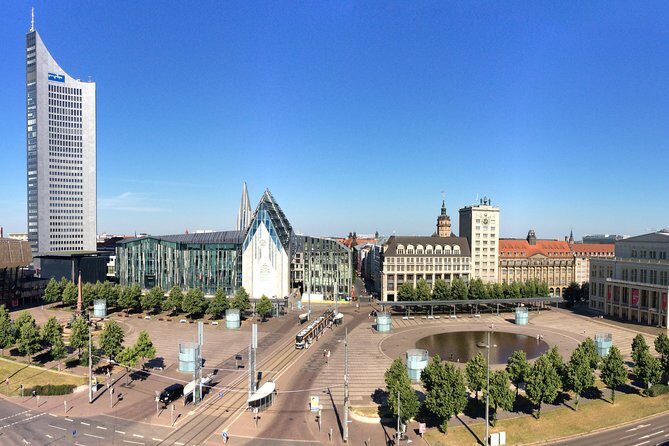
Then you move toward Augustusplatz and the Gewandhaus. This portion shifts the focus from the emotional heart of the story to the wider city context. After the churches and central gathering points, you start seeing Leipzig’s public face more clearly—how the city presents itself across different eras.
This is also a nice stretch if you want to match the narration to what you’re already noticing with your own eyes. Even without going inside anything, you can connect the dots between civic spaces and how people experienced the GDR years.
Take a moment around Augustusplatz to look around before your next audio cue. If your plan includes other stops afterward, getting this spatial sense now helps a lot.
Moritzbastei finish: a strong end point
The tour ends by Moritzbastei at Kurt-Masur-Platz 1. Ending here feels like a good “capstone” moment because you’re finishing in a recognizable spot in the center where you can keep exploring right away.
If you’re the type who likes closure, you’ll probably appreciate that the tour doesn’t end in a random location. The finish point gives you an easy next step for food, coffee, or another walking detour—without forcing you to backtrack to Hauptbahnhof.
When you’re near the end, don’t rush. Let the final audio segment play out. Ending on the right note is what keeps an audio history tour from feeling like a series of disconnected clips.
Price and value: what $9.99 buys you in real terms
At $9.99 per person, this tour is priced like a “grab it and use it” experience rather than a heavy guided excursion. The value is in what you control. You get lifetime access to the English tour, which means you can repeat it later when you return to Leipzig or when you want to connect new sights to the political story you learned here.
You also get offline access to audio, maps, and geodata—so the tour works when your signal doesn’t. Add the start/finish flexibility (you can pause and resume), and the time you spend feels more intentional. Instead of being stuck on someone else’s schedule, you’re working with a route that matches how you actually walk and look around.
The one “value trade-off” is that you bring your own phone and headphones. That’s normal for audio tours, but it’s still the key thing to confirm before you go. If you don’t have them, you’ll be trying to enjoy a history story with no audio.
Who this audio tour is best for
This Leipzig Communist Past audio tour is a great fit if you:
- want a self-paced walking history without booking a specific guide time
- enjoy understanding the city through its own landmarks, like Thomaskirche and Nikolaikirche
- like emotional, human-scale storytelling, especially around the Montagsproteste theme
- prefer offline-ready options for travel days
It may be less ideal if you prefer interactive group discussions, or if you strongly dislike phone-based navigation. The experience relies on your comfort with the app and headphones.
Should you book this Leipzig Communist Past audio tour?
If you’re curious about Leipzig beyond postcard sights, I’d book it. For the price, you get a thoughtful way to see the city’s East German era through the streets you’ll already want to walk. The GPS-guided format and offline access make it easy to use smoothly, and the Monday protests storytelling is the kind of content that sticks.
I’d especially recommend it as a first-or-second day activity in the center. You’ll learn the layout fast, and you’ll understand why specific places matter—so the rest of your Leipzig sightseeing feels more grounded.
FAQ
How long is the Leipzig Communist Past audio tour?
The tour is designed for about 1 hour to 1 hour 15 minutes, depending on how long you stop and listen.
What language is the audio offered in?
The tour is available in English.
Where does the tour start and end?
It starts outside Leipzig Hauptbahnhof and ends by Moritzbastei at Kurt-Masur-Platz 1.
Do I need data during the tour?
No. The app includes offline access to audio, maps, and geodata, so you can explore without relying on mobile data.
Can I start, pause, and resume the tour whenever I want?
Yes. It’s self-guided, and you can start, pause, and resume on your own schedule.
What do I need to bring?
You’ll need a smartphone and headphones. The tour itself is provided through the VoiceMap app.
Is this tour private?
Yes. It’s private in the sense that only your group participates.
Can I cancel for a refund?
Yes, free cancellation is available. You can cancel up to 24 hours in advance for a full refund.