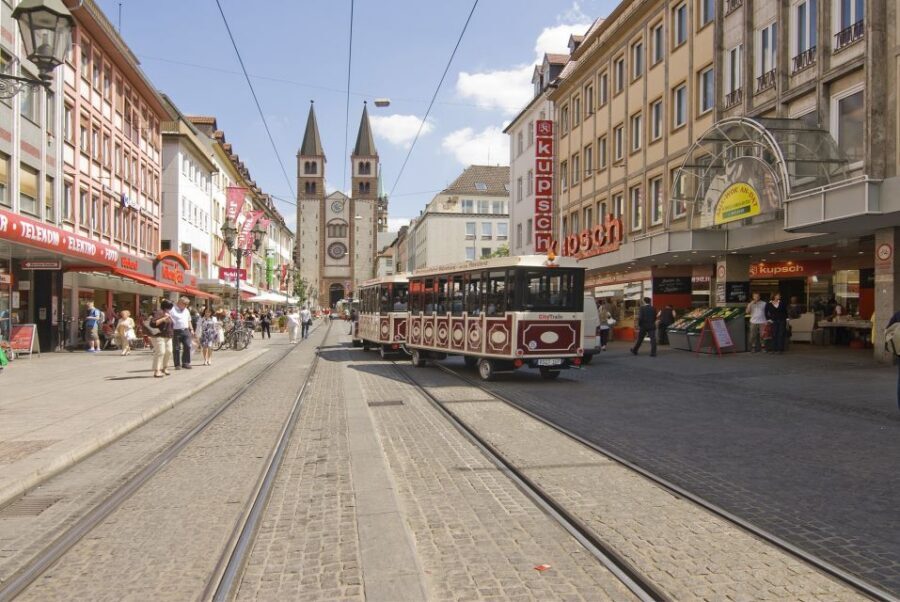
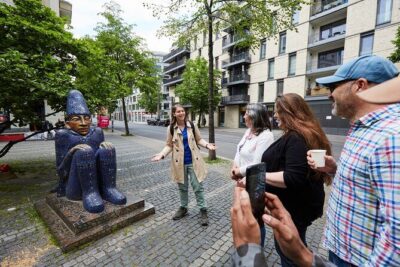
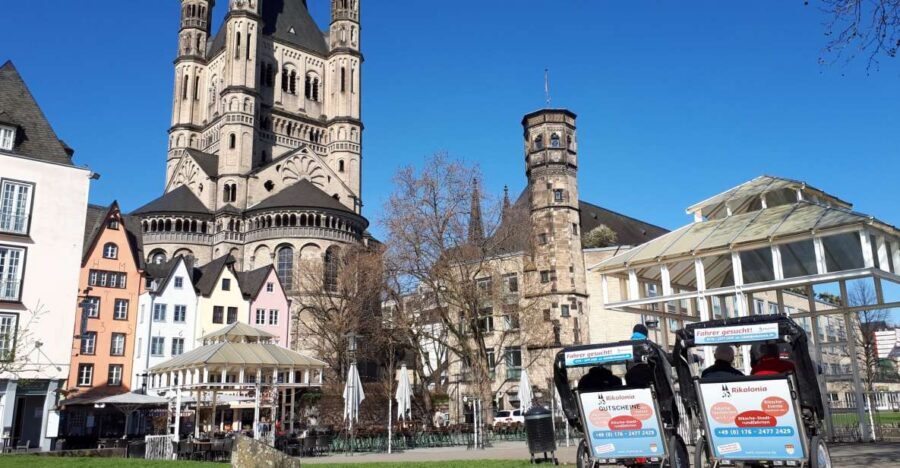
First dates can be a little awkward. Leipzig gets it right fast. This short, private walk is built for getting your bearings while hitting major sights tied to music and literature. You’ll move through central landmarks, quick photo stops, and a string of “how is this so famous?” moments.
I really liked the hassle-free round-trip transfers from your lodging. You also get a guide named Elvira, whose way of explaining what you’re looking at made the route feel personal, not scripted.
One thing to consider: if your dates fall on a big holiday, expect fewer shop-and-café breaks. When I visited on Dec 24, lots of places were closed due to Christmas holiday, which changed the vibe from stroll-and-snack to mainly stroll.
In This Review
- Key highlights to look forward to
- A First Date With Leipzig That Stays Friendly (and Short)
- Price and Logistics: What You’re Really Paying For
- Starting at Augustusplatz: Gewandhaus and Universitat Leipzig
- Gewandhaus zu Leipzig
- Universitat Leipzig
- Madle-Passage and Auerbach’s Keller: The Leipzig You Can Walk Through
- Madle-Passage
- Auerbach’s Keller
- Barthels Hof
- The Music Route: St. Thomas Church, Bach Monuments, and Mendelssohn
- St. Thomas Church
- Altes Bach-Denkmal and Neues Bach-Denkmal
- Felix Mendelssohn Bartholdy Denkmal
- Coffee Stops That Make the Walk Feel Like a Day, Not a Checklist
- Zum Arabischen Coffe Baum
- Kaffeehaus Riquet Café
- Market Square to Old Town Hall: Where the Route Hits the Heart
- Marktplatz Leipzig
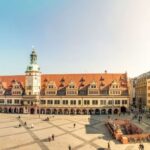
- Old Town Hall
- Naschmarkt
- Goethe Memorial, Alte Borse, and Fine Arts Time
- Goethe Memorial
- Leipzig Museum of Fine Arts
- Alte Borse
- Merchant Yards and Unusual Passages: Hotel Fregehaus and Speck’s Hof
- Hotel Fregehaus
- Speck’s Hof
- Closing at St. Nicholas Church (Nikolaikirche)
- Who This Tour Fits Best
- Should You Book First Date with Leipzig?
- FAQ
- Is this tour private?
- How long is the tour?
- What language is the tour in?
- Is pickup included?
- Do we need to buy entry tickets for the stops?
- What’s included in the price?
- What isn’t included?
- What is the cancellation window?
Key highlights to look forward to
- Private group time: limited to just your group for a more responsive pace
- Round-trip pickup: you start and end with less logistics stress
- Bach and Mendelssohn sights: monuments and key stops built around music legends
- Historic passages and squares: you’ll see multiple classic Leipzig lanes in one run
- Complimentary postcard: a small souvenir that’s easy to keep
- English tour with a mobile ticket for smooth entry
A First Date With Leipzig That Stays Friendly (and Short)
Leipzig can feel big until you get a route. This experience solves that. In about two hours, you trace a center-city path that mixes grand landmarks with smaller details that only make sense once someone points them out.
What makes it work is the structure. It’s not a long lecture tour, and it’s not a museum marathon. You get quick stops where you can look, listen, and keep walking, which is exactly how you want a “first date” to feel in a new city.
The strongest theme running through the route is German culture through music and words. You’ll be hopping between places tied to J.S. Bach, Mendelssohn, Goethe, and Leipzig’s famous “music gate” church.
You can also read our reviews of more tours and experiences in Leipzig.

Price and Logistics: What You’re Really Paying For

The price is $236.59 per group (up to 10), and the tour runs about 2 hours. That’s important, because the value shifts depending on how you book.
If you’re coming as a pair, you’ll feel it as a premium. If you’re booking as a small group of friends or family—say you fill a few seats—you effectively spread the cost. Either way, you’re not just buying a guide. You’re buying a low-stress plan: pickup, a mobile ticket, and a route that keeps you moving through the right parts of central Leipzig.
Here’s what’s included and what to expect:
- Included: GST and a complimentary Leipzig postcard
- Not included: coffee/tea, snacks, and any private transportation beyond what the tour provides
- Admission: each stop listed is ticket-free for you as part of the experience
One practical win: each stop is close enough that this stays doable even if you have limited time. When the city day is packed, a two-hour guided walk is often the best way to get the “okay, I get this city” feeling.
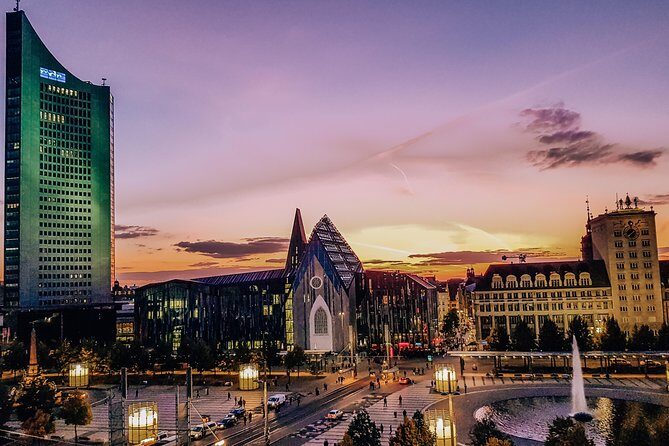
Starting at Augustusplatz: Gewandhaus and Universitat Leipzig
The tour starts around Augustusplatz, which is a smart choice. It’s central and it puts you in the flow of the city quickly, without a long scramble to find a meeting point or a complicated transfer plan.
Gewandhaus zu Leipzig
This is a “first landmark” stop. You get time to orient yourself and take in one of Leipzig’s most recognizable names. Even if you don’t know the details, it helps you anchor the walk in real place, not just a list of streets.
Universitat Leipzig
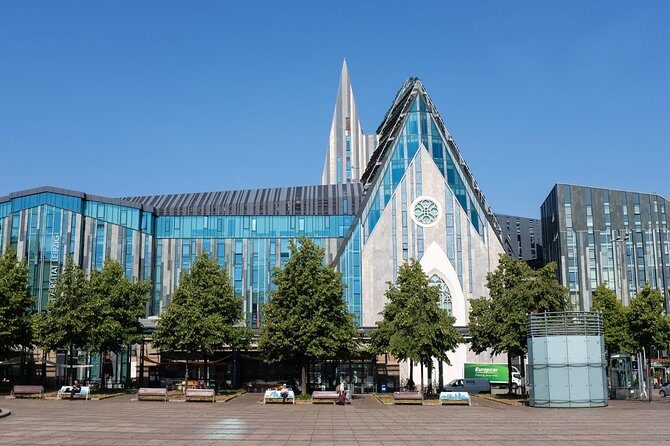
Right after that, you hit Universitat Leipzig. The point here isn’t just the institution name—it’s the way Leipzig blends culture, education, and everyday city life. You’ll be close enough to see the building presence and get some context so the stop doesn’t feel like a random photo moment.
A tip for this stage: keep your camera ready, but also keep your attention on what the guide connects between sites. When you hear how a stop fits the bigger story, you’ll remember it later.


Madle-Passage and Auerbach’s Keller: The Leipzig You Can Walk Through
Leipzig has a thing for passages—those covered, semi-secret corridors that feel like shortcuts through history.
Madle-Passage
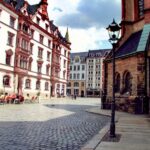
Madle-Passage is described as the most beautiful passage hall in Leipzig. That’s your cue to slow down for a moment. Passages are where you can notice details without competing with traffic, and they’re also great spots to take photos without ruining the mood with constant walking.
Auerbach’s Keller
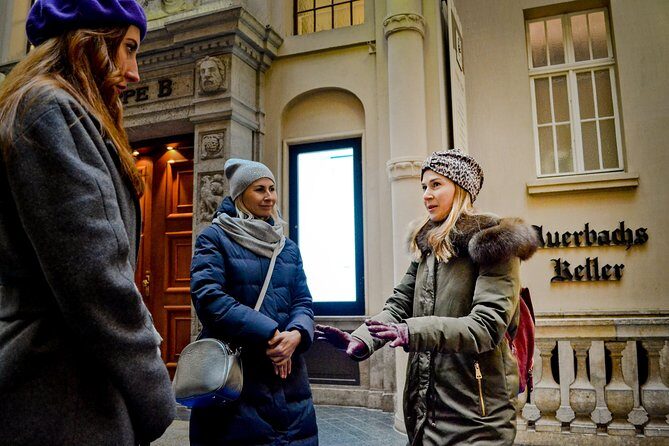
Next is Auerbach’s Keller, famous in Germany thanks to Goethe’s Faust. This stop is a good reminder that Leipzig culture isn’t stuck in one lane. It’s music, yes—but it also connects to literature and famous stories that travelled beyond the city.
What to watch for: use this as a “memory stop.” If you only remember a handful of things from Leipzig, make them the ones tied to famous names like Goethe.
Barthels Hof
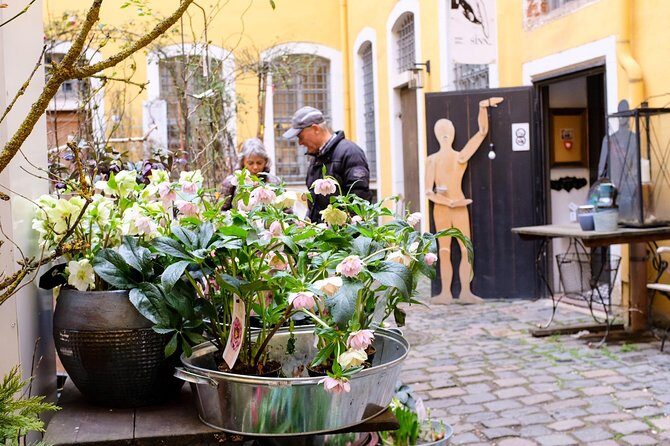
You then move to Barthels Hof, called the finest example of a trade yard in Leipzig. It adds a different texture to the day. It’s less about monuments and more about how people once traded, passed through, and lived around central Leipzig.
The Music Route: St. Thomas Church, Bach Monuments, and Mendelssohn
This is where the tour really earns its keep. Leipzig is a city that puts music into stone and street-level storytelling, and this section turns that into something you can feel.
St. Thomas Church
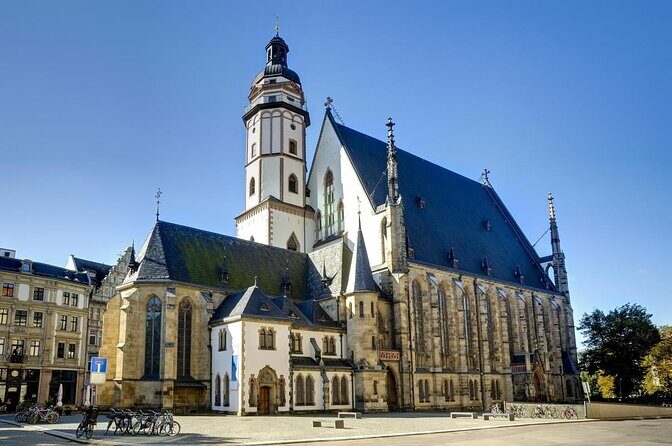
You’ll visit St. Thomas Church, also known as the Music Gate to Leipzig. Even if you’re not a classical music specialist, this kind of nickname matters. It frames the church as a gateway, not a stand-alone building.
Altes Bach-Denkmal and Neues Bach-Denkmal
Then you hit the Bach monuments back-to-back:
- Altes Bach-Denkmal: the first in the world J.S. Bach monument
- Neues Bach-Denkmal: described as the most photographed J.S. Bach monument in the world
That pairing is clever. You’re not just ticking off two statues. You’re watching how public memory can evolve while still honoring the same person.
Photo advice without making it complicated: stop, look up, and take at least one wide shot from a comfortable angle. The second shot can be tighter, but only after you’ve seen the full composition.
Felix Mendelssohn Bartholdy Denkmal
Finally, you add Felix Mendelssohn Bartholdy Denkmal. The route’s logic becomes clearer here: this is the Leipzig story where one musical figure matters because another cared, continued, or carried the work forward. You’ll leave with a sense that Leipzig music culture is connected, not isolated.
Coffee Stops That Make the Walk Feel Like a Day, Not a Checklist
Not every guided walk includes time for the city’s everyday comfort. This one builds in two classic coffee-house stops, which is a big part of making it feel human.
Zum Arabischen Coffe Baum
Zum Arabischen Coffe Baum is listed as the oldest coffee house in Germany. Even if you don’t go inside (coffee isn’t included), the stop is still worth it. It’s a reminder that Leipzig isn’t only famous for big-name art; it’s also famous for everyday rituals like coffee.
Kaffeehaus Riquet Café
Later you’ll reach Kaffeehaus Riquet Café, described as one of the most unusual buildings in the city center. This is your “save this memory” stop. If you want a break for a drink, this is a natural place to do it, but remember coffee/tea is not included—plan to buy what you want separately.
If you’re traveling with a group, this is where people usually slow down because the settings are photo-friendly and conversation-friendly.
Market Square to Old Town Hall: Where the Route Hits the Heart
As the walk continues, the sights broaden from music into civic Leipzig. You’ll start seeing the kind of places where people meet, celebrate, and remember.
Marktplatz Leipzig
Marktplatz Leipzig is the market square with a dozen of attractions around it. It’s the kind of stop where the guide’s value is in helping you not get overwhelmed. Even a short time here can teach you what the square is for and why it keeps showing up in postcards and photos.
Old Town Hall
Then comes Old Town Hall, described as built according to the Golden Cut principle. That’s a very specific detail, and it’s the type that makes a building feel more than just old. You’ll have something concrete to hold onto while you look.
Naschmarkt
Naschmarkt is a smaller square next to the Old Town Hall, described as authentic. This is the part of the walk where you often get a more local feel, even in a central area. It’s also a helpful moment to regroup and decide if you want another photo round before the route turns quieter.
Goethe Memorial, Alte Borse, and Fine Arts Time
By now, the tour has widened from music landmarks into broader cultural Leipzig: literature, commerce, and art.
Goethe Memorial
The Goethe Memorial stop includes amusing stories about Goethe and the memorial. This is the kind of stop that works well even if you’re not deeply into Goethe. The point is that you’re seeing how Leipzig celebrates writers in physical space, not only in books.
Leipzig Museum of Fine Arts
You’ll also pass by Leipzig Museum of Fine Arts, with an art gallery and an interesting passage next to it. Since admissions aren’t listed as required, you can use this as a visual break. Look at how the museum and nearby passage work together to keep the streets interesting.
Alte Borse
Next is Alte Borse, described as a pretty and historic building. This stop helps the day feel balanced. You’re not only looking at statues and churches. You’re also seeing how Leipzig once handled business and prestige in central architecture.
Merchant Yards and Unusual Passages: Hotel Fregehaus and Speck’s Hof
These stops keep Leipzig from turning into just monuments. You’ll get a more textured sense of the city—how it changes shape as you move from open squares into covered pathways.
Hotel Fregehaus
Hotel Fregehaus is described as a beautiful merchant yard with a couple of secret spots inside. The word secret is doing a lot of work here. It tells you that this place rewards slower looking.
Speck’s Hof
Then comes Speck’s Hof, described as a gorgeous passage way with an amusing story inside. This is a fun end-of-route type of stop because it’s memorable. Even if you can’t recall every detail later, you’ll probably remember the feeling: the city has playful layers.
Closing at St. Nicholas Church (Nikolaikirche)
You end at St. Nicholas Church (Nikolaikirche), described as the main church of Leipzig with an incredible story that influenced all German history. This is a big finish. It takes the walk from local landmarks into a sense that Leipzig’s story reaches beyond the city.
This is also a good place to stand back for a minute. Because the route before this has been packed with stops, the final church feels like a chance to settle and process what you just saw.
Who This Tour Fits Best
This is ideal for:
- First-timers who want a central loop without planning stress
- Small groups who like a private pace and direct Q&A
- People who enjoy Bach, Mendelssohn, Goethe, and city stories tied to names
- Anyone who wants a short trip that still includes multiple visual “types” of Leipzig: church, monuments, passages, squares, and cafés
It’s also a good choice if you have limited time but still want more than a bus window view.
If you’re in town mainly for shopping and long café time, just know that coffee/tea and snacks are not included and some days (like Dec 24) can reduce what’s open.
Should You Book First Date with Leipzig?
I’d book it if you want a fast, friendly orientation to Leipzig with a strong cultural theme. You get round-trip pickup, a private group format, a mobile ticket, and a route that hits music legends, Goethe, classic Leipzig passages, and central squares within about two hours.
Skip it or adjust expectations if your priority is spending lots of time inside cafés and shops. This walk gives you the sights and the stories; you’ll supply the extra food stops yourself, and holiday dates can change what’s open.
FAQ
Is this tour private?
Yes. It’s private, and only your group participates.
How long is the tour?
It’s about 2 hours.
What language is the tour in?
The tour is offered in English.
Is pickup included?
Pickup is offered, with hassle-free round-trip transfers from your Leipzig lodging.
Do we need to buy entry tickets for the stops?
No. The listed stops are admission ticket free.
What’s included in the price?
You get GST and a complimentary Leipzig postcard.
What isn’t included?
Coffee and/or tea, snacks, private transportation, and parking fees are not included.
What is the cancellation window?
You can cancel up to 24 hours in advance for a full refund. Changes inside 24 hours are not accepted, and cancellations less than 24 hours before the start time aren’t refunded.