REVIEW · LEIPZIG
Leipzig: Guided tour of the Federal Administrative Court
Book on GetYourGuide →Operated by Leipzig Erleben GmbH · Bookable on GetYourGuide
Leipzig’s courthouse has a grand face. This guided look at the Federal Administrative Court pairs serious legal context with big, old-school architecture in a building that once symbolized the state’s “third power.” It’s a rare chance to see how an active court space feels up close, not just from the outside.
I especially like two things. First, you get to walk through standout interiors like the dome hall and the historic meeting rooms. Second, you’re not just sightseeing—you’ll learn how the court’s role works today and how it worked in the past, with practical explanations that make the whole system easier to understand.
One possible drawback: the rules are strict. You can’t bring pets (assistance dogs are allowed), and you also can’t bring food/drinks, backpacks, or bags—so plan to travel light.
In This Review
- Key things you’ll notice on this Leipzig court tour
- Federal Administrative Court in Leipzig: what you’re really touring
- Finding your way: Simsonplatz 1 and the main entrance
- Dome hall time: where the building’s authority shows up
- Historic meeting rooms: the “real work” spaces
- Judges’ ancestral gallery: a visual lesson in continuity
- Presidential apartment ballroom: a rare interior moment
- How the court works: past vs. present in plain terms
- Timing tips: when the building feels even more imposing
- Price and value: is $16 worth 1.5 hours?
- Who should book this tour (and who might not)
- Should you book the Leipzig Federal Administrative Court tour?
- FAQ
- How long is the guided tour of the Federal Administrative Court?
- Where do I meet for the tour?
- Is the tour wheelchair accessible?
- What language is the tour conducted in?
- Are backpacks or bags allowed inside?
- Is it possible to cancel or pay later?
Key things you’ll notice on this Leipzig court tour
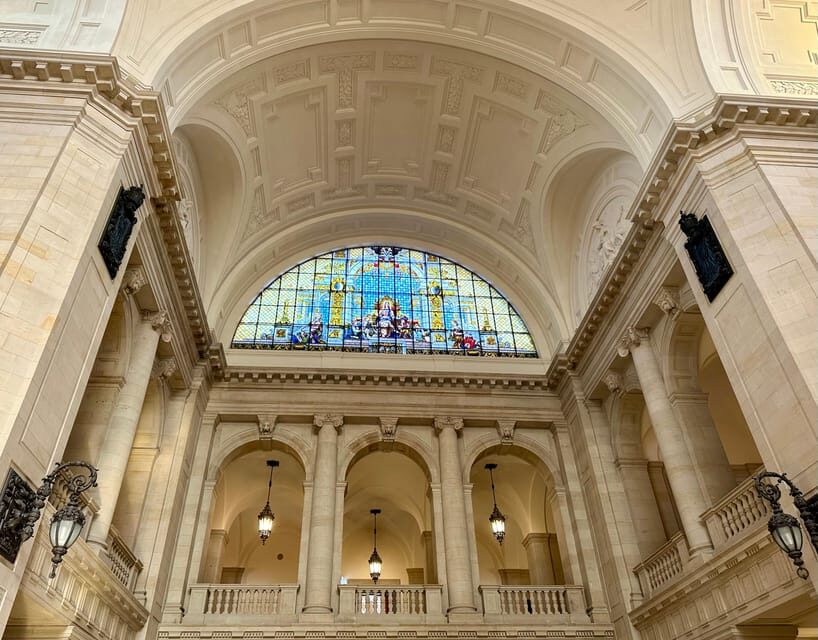
- Dome hall + historic meeting rooms: impressive interiors made for formal decisions
- The judges’ ancestral gallery: a visual reminder of the institution’s lineage
- President’s apartment ballroom: a special-feeling room you normally wouldn’t access
- Past and present court functions: what changed, what stayed, and why it matters
- Certified guidance: you’re led through the building with explanations, not guesswork
Federal Administrative Court in Leipzig: what you’re really touring
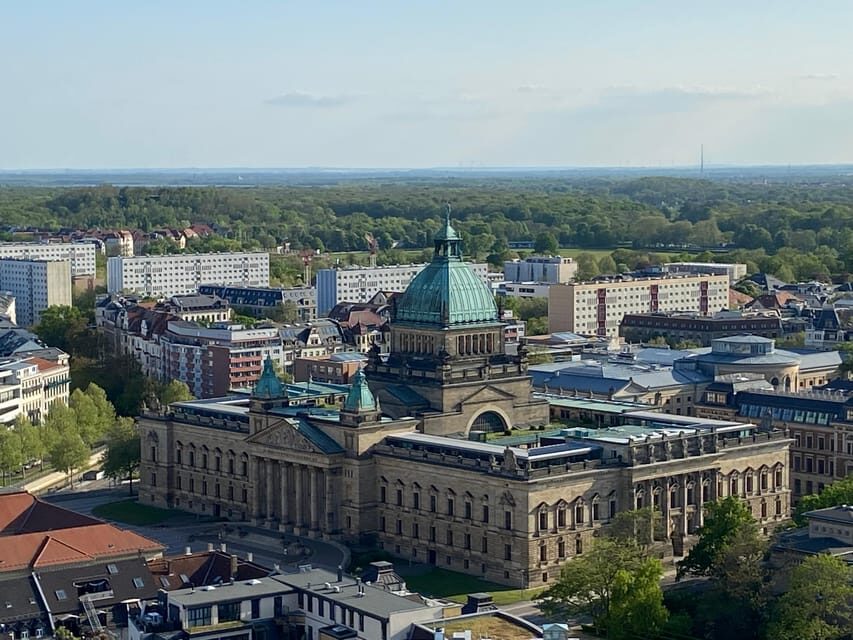
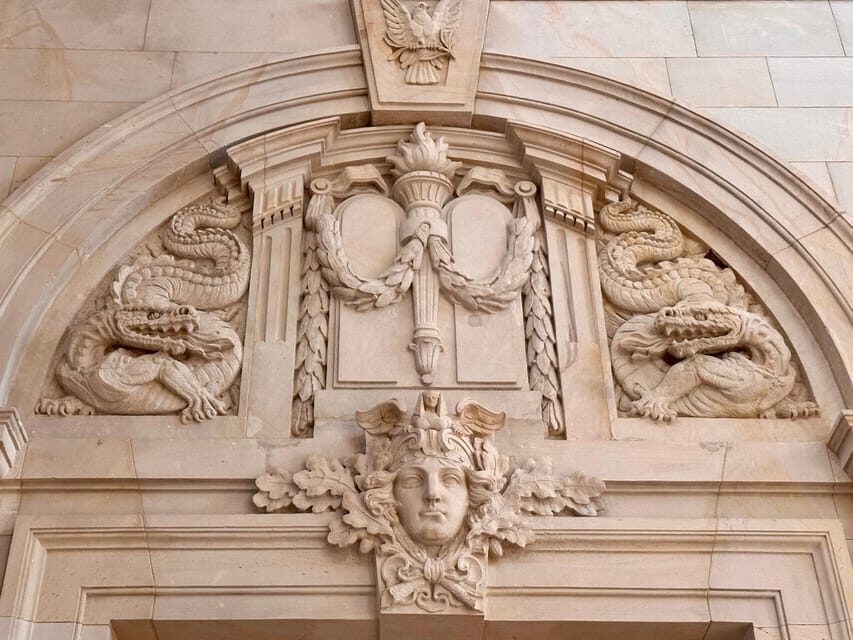
This tour is about more than a building with an impressive exterior. You’re stepping into the Federal Administrative Court in Leipzig, inside a structure that carries heavy symbolism: the former Imperial Court building was built as a monumental statement of the “third power” in the state. That idea comes through in the spaces you see—big rooms, formal layouts, and architectural decorations that signal authority without needing a single speech.
I like that the experience doesn’t treat the court as a museum piece. You’ll learn the role of this court in Germany’s legal system, both historically and today, so you can connect the architecture to the purpose. If you care about law at all, you’ll leave with more clarity than you came in with. If you mainly love architecture, you’ll still find meaning in the design—because these rooms were made for real negotiations and real decisions.
You can also read our reviews of more guided tours in Leipzig



Finding your way: Simsonplatz 1 and the main entrance
Meet at the main entrance of the Federal Administrative Court, Simsonplatz 1, 04107 Leipzig. Arriving a little early helps, since you’ll want time to get through any building checks smoothly—especially because the tour has strict rules about what you can bring inside.
A practical tip: travel light for this one. The tour does not allow backpacks or bags, and it also doesn’t allow food and drinks. That affects your day plan more than you might expect. If you’re pairing this with other sightseeing in Leipzig, consider doing the court tour early, then moving on without lugging around extra stuff.
Also keep in mind the tour is in German (with some content shown in its original language). If you’re comfortable with basic German or like learning from context even when you don’t catch every word, you’ll still likely get a lot out of it.
Dome hall time: where the building’s authority shows up
The dome hall is one of the first interiors you’ll encounter, and it’s the kind of room that instantly changes your perspective. You’re not just looking at old architecture—you’re experiencing the space as it was designed: for presence, ceremony, and order. Even in a modern court setting, the hall’s scale and decorative feel communicate that the institution has long been meant to command attention.
I like the way this stop sets the tone for the rest of the tour. The guide’s explanations help you connect what you see—formal detailing, the room’s grandeur—with why such spaces matter in public institutions. It’s a good reminder that architecture isn’t only decoration. In places like this, design supports the function.
Historic meeting rooms: the “real work” spaces
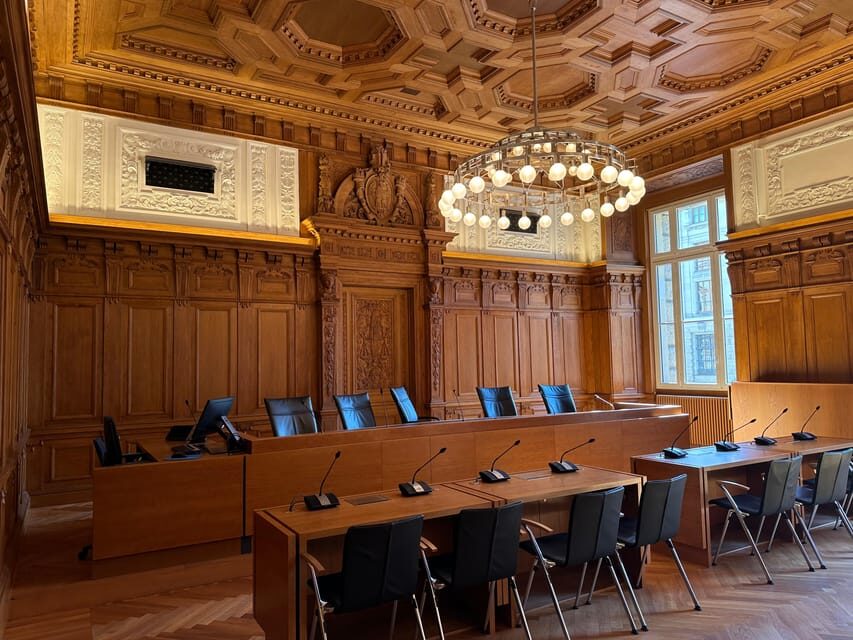
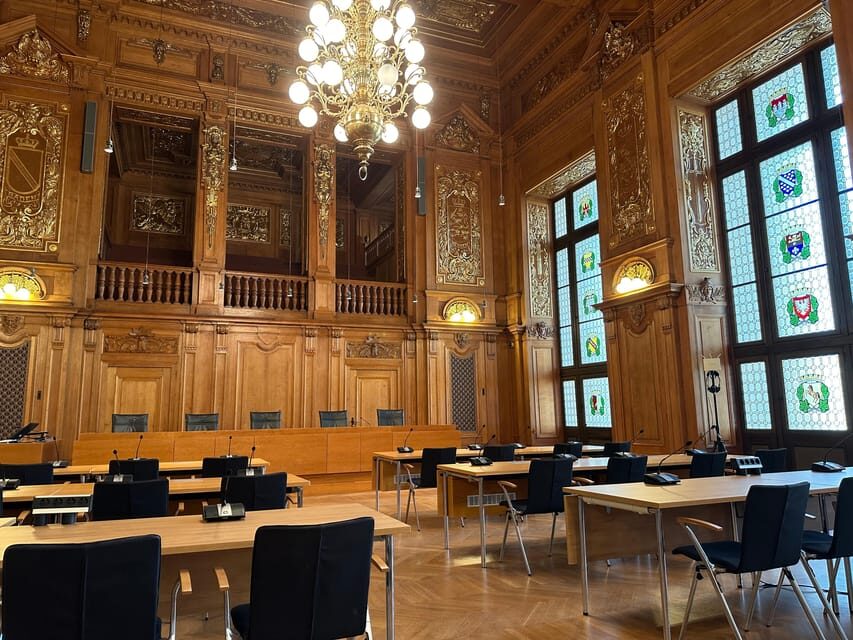
Next you’ll check out historic meeting rooms, the parts of the building where important discussions and negotiations would have happened. These rooms are often where an architecture tour stops being theoretical and becomes tangible. You can look at layout, scale, and finishing choices and understand how they support authority and structure.
For me, the best value of this stop is how it helps you visualize legal process. You’ll learn how the court used to work and how it works today, so the meeting rooms don’t feel frozen in time. Instead, they become a bridge: past court practice on one side, current administrative justice on the other.
One small consideration: if you’re hoping for lots of modern courtroom action, this may feel more like institutional viewing than a live courtroom experience. Still, the historical rooms make the explanations more concrete, especially if you enjoy understanding how buildings shape behavior.
Judges’ ancestral gallery: a visual lesson in continuity
You’ll also visit the ancestral gallery of judges. This is the kind of stop that’s easy to overlook if you’re rushing, but it adds real meaning. The gallery acts like a visual reminder that courts don’t exist as one-off moments; they’re part of an ongoing system with traditions, roles, and institutional memory.
I find these kinds of “symbolic rooms” useful because they make bureaucracy feel human. Even without extra detail being thrown at you, the space itself communicates lineage and responsibility. And when paired with the tour’s explanations about the court’s role in legal life, it stops being just decorative background.
If you’re the type who likes to understand the why behind the look, this is a strong stop. It’s not just a photo opportunity; it’s a layout and design choice that supports the court’s identity.





Presidential apartment ballroom: a rare interior moment
One of the standout inclusions is the ballroom in the presidential apartment. This is a different mood from the meeting rooms—more ceremonial, more formal, and (in a good way) slightly surprising for a building tied to legal decisions.
I like that the tour doesn’t hide behind the idea that courts should only be stern. Instead, it shows how grandeur and ceremony were built into the institution’s physical language. The ballroom helps you understand how the building’s authority was meant to be felt by anyone entering—from officials to visitors.
A practical thought: because this is part of a special interior area, you’ll likely follow the guide’s pace and instructions closely. So don’t plan to do this as a quick stop between other activities. Give it your full attention.
How the court works: past vs. present in plain terms
A big reason this tour is worth your time is that you learn about the court’s role—both historically and in current practice. You’ll get information on how the court used to work and how it works today, tied directly to what you’re seeing in the building.
I like explanations that connect systems to spaces. Here, that connection is powerful: the building’s formal rooms match the idea of structured, rule-based decision-making. When you hear how the court’s function developed, you start to see why certain design choices made sense in each era.
This section also helps you if law is not your main interest. Even if you’re not trying to master the legal system, understanding the “why” behind an administrative court’s role makes your visit feel purposeful. You’re not just admiring architecture. You’re learning what the court does—and what it protects.
Timing tips: when the building feels even more imposing
If you can choose from multiple time slots, you’ll enjoy this tour more when the building feels quieter. One of the neat advantages of off-hours or special timing is that the emptier atmosphere makes the interior scale feel even more dramatic. Big rooms look bigger when you’re not constantly sharing them.
So if your schedule gives you options, consider selecting a calmer slot. It can make the guide’s storytelling land better, too—because there’s less background noise and fewer interruptions.
Price and value: is $16 worth 1.5 hours?
At about $16 per person for roughly 1.5 hours, this is strong value, especially for an interior access experience. You’re getting certified tour guidance, multiple interior stops (not just one room), and explanations about how the court’s role has shifted over time.
The “value” part for me comes from the combination: architecture + institutions + clear context. Many tours show you pretty spaces. This one adds meaning—so the time feels efficient and memorable.
It also helps that the tour has high satisfaction. It’s rated 4.8 out of 5 based on 54 bookings, which is a good signal that people generally feel they got what they expected.
Who should book this tour (and who might not)
You’ll probably love this tour if you:
- enjoy architecture and want to understand why a building was designed the way it was
- like institutions and want practical context for how legal systems operate
- prefer structured, guided experiences rather than wandering and guessing
You might want to think twice if you:
- need a tour fully in English (this one is in German)
- hate strict site rules about what you can bring (no backpacks/bags, and no food/drinks)
- want a hands-on experience with legal documents or courtroom observation beyond guided access
Should you book the Leipzig Federal Administrative Court tour?
Yes, I’d book it if you want a short, focused tour that mixes serious institution talk with genuinely impressive interior spaces. The dome hall, historic meeting rooms, judges’ gallery, and the president’s apartment ballroom make it feel like more than a standard “look around.” And the explanations about the court’s role past and present give you a reason to remember what you saw.
If you’re going, travel light, plan for German-language guidance, and pick a time slot that fits a calmer mood. Do that, and you’ll walk away with a better mental picture of how this court operates—and why the building’s authority feels so real.
FAQ
How long is the guided tour of the Federal Administrative Court?
The tour lasts 1.5 hours.
Where do I meet for the tour?
Meet at the main entrance of the Federal Administrative Court at Simsonplatz 1, 04107 Leipzig.
Is the tour wheelchair accessible?
Yes, the tour is wheelchair accessible.
What language is the tour conducted in?
The live tour guide speaks German. Some content may be shown in its original language.
Are backpacks or bags allowed inside?
No. Backpacks and bags are not allowed.
Is it possible to cancel or pay later?
Yes. You can cancel up to 24 hours in advance for a full refund, and you can reserve now and pay later.