REVIEW · LEIPZIG
Leipzig: 3 dangerously delicious hours in Eisenbahnstraße
Book on GetYourGuide →Operated by Leipzig Food Tours · Bookable on GetYourGuide
Three hours can change how you see a street. On Leipzig’s Eisenbahnstraße, you’ll get a guided walk through 5–6 food stops and a side of the city that’s often misunderstood.
I especially love the mix of cuisines—Arabic, German bakery treats, and flavors from Korea, Turkey, and Vietnam all in one stretch.
One thing to keep in mind: it’s a real street walk, in rain or shine, and the neighborhood’s reputation includes stories you should be mentally prepared for.
In This Review
- Key highlights you’ll feel (fast)
- Why Eisenbahnstraße works as a food tour street
- Finding the fountain and settling into the 3-hour rhythm
- The real story behind Germany’s most dangerous street label
- What you’ll eat: Arabic, German, and international comfort in small bites
- The stop-by-stop flow (how the tour keeps you moving and tasting)
- Weather reality: rain doesn’t stop this kind of food tour
- Price and value: is $82 worth 3 hours and 5–6 stops?
- Guides in German: what that means for your experience
- Who this tour fits best (and who might want a different plan)
- Should you book this Eisenbahnstraße food tour?
- FAQ
- How long is the Leipzig Eisenbahnstraße food tour?
- Where do I meet the guide?
- How many food stops are included?
- Is the tour in German?
- Is there anything included besides the food?
- Does the tour run in bad weather?
- Can the tour handle food restrictions?
Key highlights you’ll feel (fast)
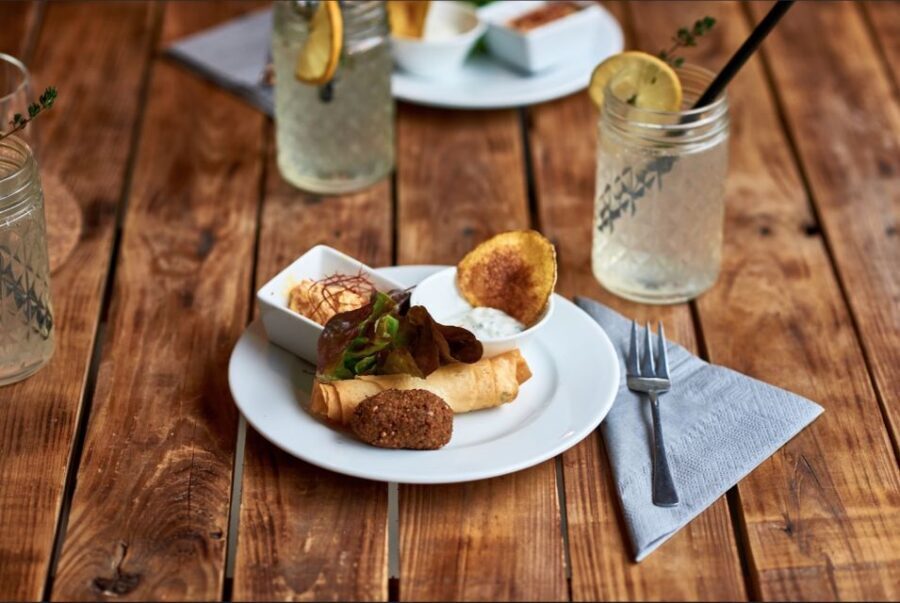
- 5–6 tastings in 3 hours so you don’t waste time deciding what to eat
- Eisenbahnstraße’s culture on display, across Arabic, German, Korean, Turkish, and Vietnamese spots
- The “dangerous street” myth gets real context, not hype
- A true Leipzig stop, including Kultur Apotheke, praised for its fresh concept
- Water included (0.5 L) keeps the pace comfortable
Why Eisenbahnstraße works as a food tour street
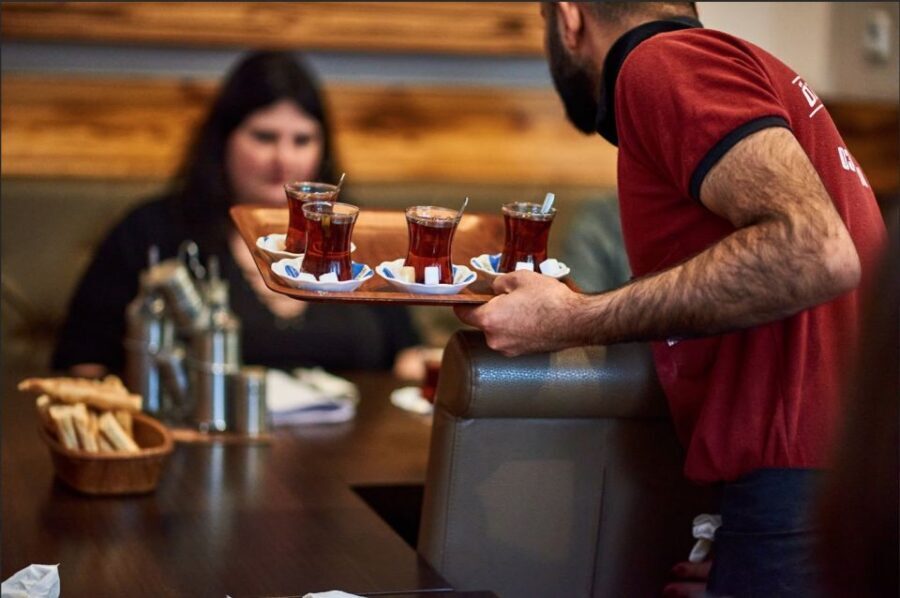
Eisenbahnstraße is the kind of place where food isn’t “a destination.” It’s just part of daily life—shops, takeaways, bakeries, markets, and people moving in and out like they belong there (because they do). That’s what makes it such a good guided experience: you’re not relying on guesswork, and you’re not stuck eating the first thing you see.
What I like most is that the tour doesn’t treat international food as a novelty. It treats it as normal, local, and worth paying attention to. You’ll also pick up how this part of Leipzig got labeled in a sensational way, and why that label often has more to do with fear of the foreign than with the food you’re actually eating.
The setting matters. This is northern Germany city energy—close together, storefront-to-storefront—and walking is the point. If you’re the type who gets restless scrolling menus, this tour fixes that with a simple plan: follow the guide, eat the tastings, ask questions, and let the street do the talking.
You can also read our reviews of more tours and experiences in Leipzig.



Finding the fountain and settling into the 3-hour rhythm
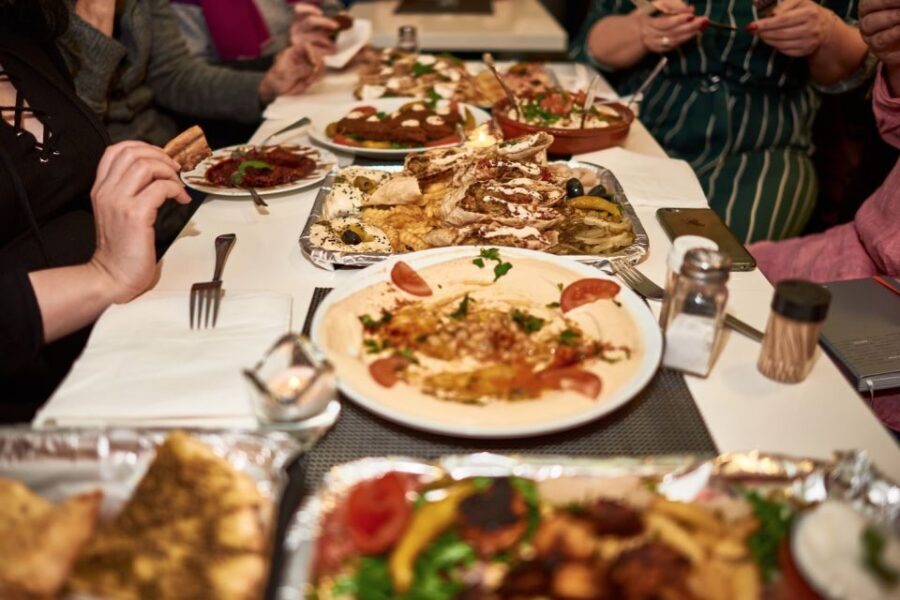
You’ll meet in front of the fountain. That’s helpful because Eisenbahnstraße can feel like a long ribbon—having a clear pin makes the start easy.
The tour runs for 3 hours, with 5–6 food stops, so the pacing is designed to keep you from overthinking. You won’t spend half the time figuring out what’s where. You also won’t feel stuffed in the first 30 minutes, because the idea is variety across multiple small tastings.
A practical detail that makes the whole experience smoother: a bottle of water (0.5 L) is included. That’s not just comfort—it helps you keep tasting accurately. Strong flavors, sauces, and spices can blur together if you’re parched.
Bring comfortable shoes. You’re not on a bus. You’re on the sidewalk, crossing and walking along one of Leipzig’s busiest restaurant corridors. Even if you come for food, treat it like a mini-city stroll.
The real story behind Germany’s most dangerous street label
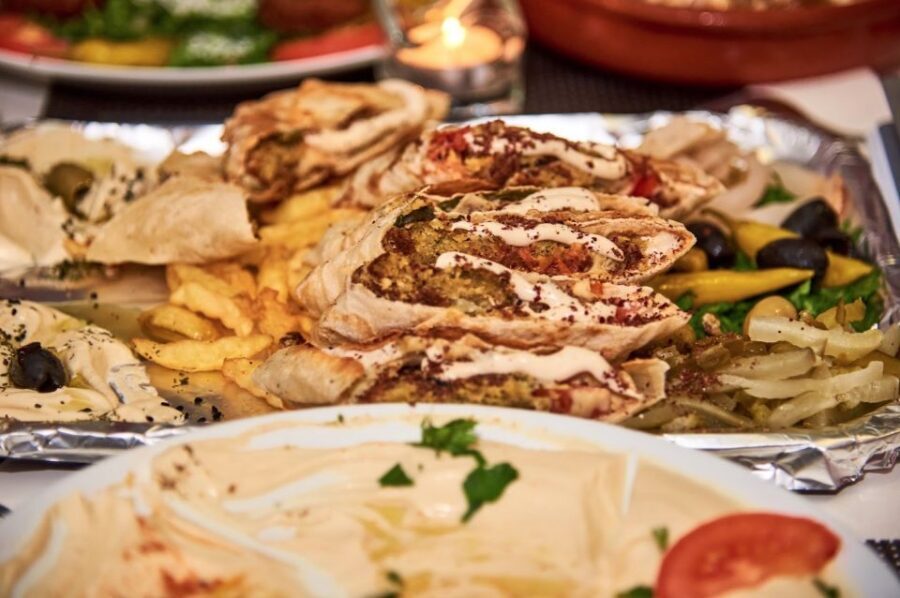
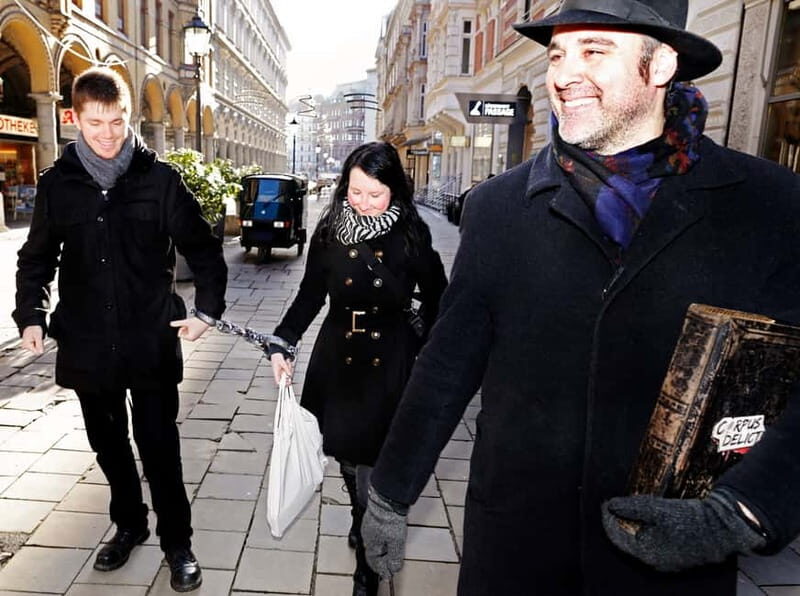
In 2013, a private TV station turned Eisenbahnstraße into Germany’s most dangerous street. The thing is, that story doesn’t land evenly with the lived reality on the ground. Yes, the area has issues—drug trafficking and money laundering play a bigger role here than in other parts of Leipzig. But the bigger misconception is how easily people turn that complexity into blanket fear.
What the tour does well is slow that down. You get the context so you can understand why some local residents dismiss the neighborhood, while others see it differently. When the conversation shifts from rumor to specifics, the street changes from scary headline to human place.
This matters because food tours can sometimes avoid uncomfortable topics. Here, you don’t have to ignore the neighborhood’s reputation. You just get enough context to process it without spiraling. And once you’re eating—right there in the shops—the idea of the “foreign” as something threatening starts to look more like a misunderstanding than a warning sign.
It’s also a reminder that immigration isn’t a side story. On Eisenbahnstraße, Arabic culture lives alongside Korean, Turkish, and Vietnamese. You’ll see it in storefronts, in how people move around the blocks, and in the flavors you’re offered.
What you’ll eat: Arabic, German, and international comfort in small bites
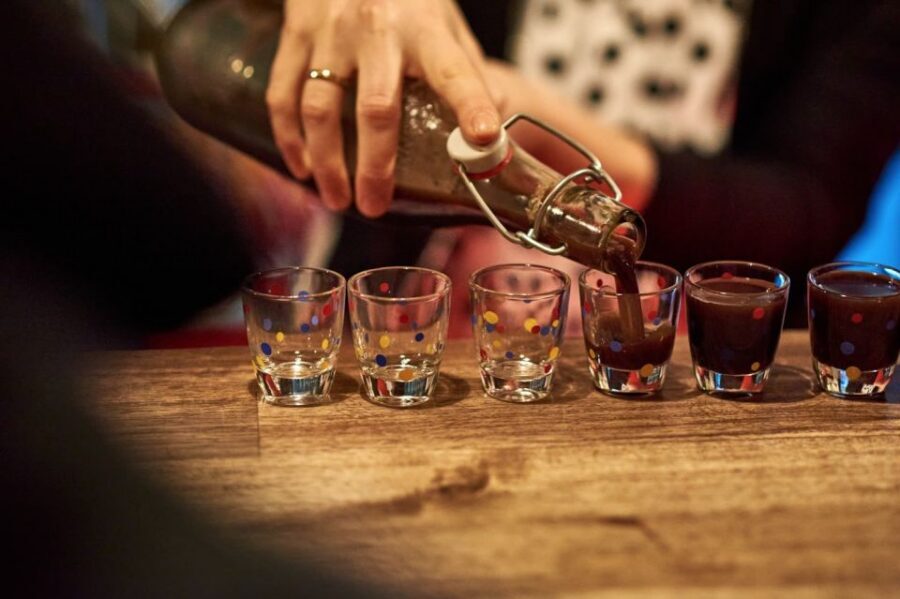
The tour is built around one simple goal: show you how far one street can stretch in taste.
You should expect tastings that reflect Arabic, German, and other international cuisines. From the way the area is described, the tastings likely highlight Middle Eastern and Turkish food creativity, plus the kind of comfort food flavors you associate with Korea and Vietnam—things that are satisfying even when you’re just sampling.
You’ll also get German baked-goods energy. That’s a big part of why the street feels balanced: one moment you’re thinking spices and sauces, and the next you’re appreciating the simpler pleasure of fresh bread or pastry-style treats. This contrast is a gift on a walking tour because it refreshes your palate instead of forcing you to chase the same intensity.
A note on the neighborhood’s reputation for specific foods: the area is famous for kebab culture, and the tour’s themes point you toward that tradition. Even if you’re not a kebab person, the real value is learning how regional techniques and flavor preferences show up in everyday meals.
If you want a tour that turns a “food street” into a cultural reading experience, this is the right kind of format. You taste, then you learn what you’re tasting and why it’s there.
The stop-by-stop flow (how the tour keeps you moving and tasting)
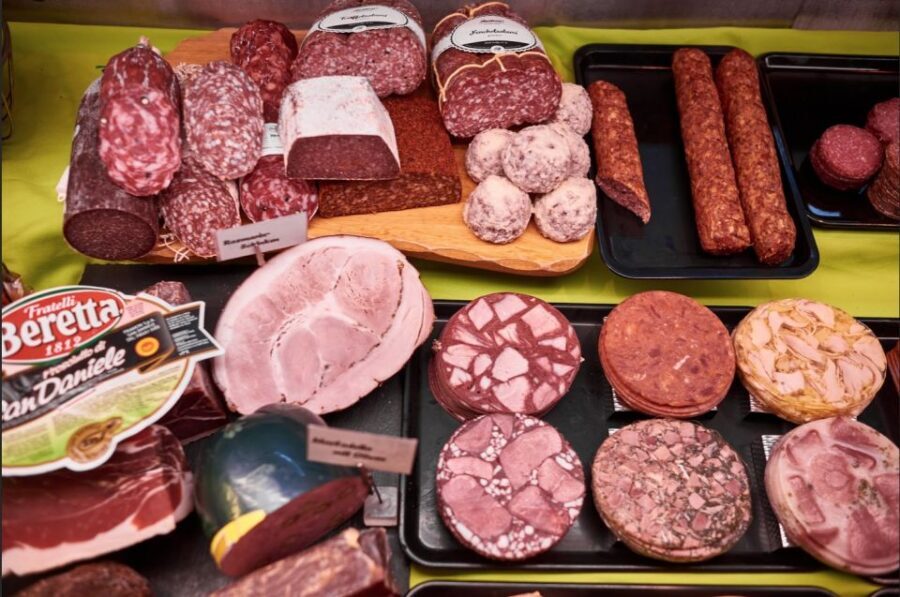
You won’t get one giant meal. The structure is the magic: small tastings across multiple stops, so you sample the neighborhood’s range in a short window.
Here’s the rhythm you can expect, based on how the tour is framed around the street:
Stop 1: Kickoff + first international bite
The guide starts with orientation—where you are, why this street matters, and how to read the neighborhood beyond the reputation. Then you move into the first tasting, set up to establish the international flavor direction right away. This is where you’ll start building your personal favorites fast.
Stop 2: German bakery-style comfort
After the first flavors, the tour shifts toward German baked-goods energy. This stop is useful because it gives you a different flavor language. You’re not only chasing spice; you’re experiencing the day-to-day German food that sits next to the international choices.
Stop 3: Middle Eastern / Turkish-inspired flavors
This is the portion of the tour that connects to the street’s Middle Eastern roots. The neighborhood is known for Syrian and Turkish food creativity, and the tastings fit that vibe—meaty, saucy, fragrant, and designed to taste good even in small quantities. If you like strong flavors, this is where you’ll feel it most.
Stop 4: Another international stop (Korean/Vietnamese direction)
Then comes another cuisine lane—Korean and Vietnamese influences are part of the neighborhood’s identity here. The advantage is contrast. After spice-and-bread or spice-and-sauce, you get flavors with their own rhythm—something fresher or tangier can reset your palate before you move on.
Stop 5: Cultural pause at Kultur Apotheke
One stop in the experience is Kultur Apotheke, and it’s specifically called out as a highlight because the concept feels new and the food fits that same idea. Think of this as a moment to slow down, absorb the neighborhood story, and connect culture with what’s on the plate.
Stop 6: Leipzig-style finish
The final tasting is meant to leave you satisfied and with a clear sense of “Leipzig flavor,” not just “international sampler.” This last stop helps you connect what you’ve eaten to the city’s identity and keeps the tour from ending on a random note.
If your stomach is sensitive, this format is still usually manageable, because you’re not hit with one huge plate. But you’ll want to eat lightly beforehand and wear shoes you’re comfortable in, because timing and walking are part of the experience.



Weather reality: rain doesn’t stop this kind of food tour
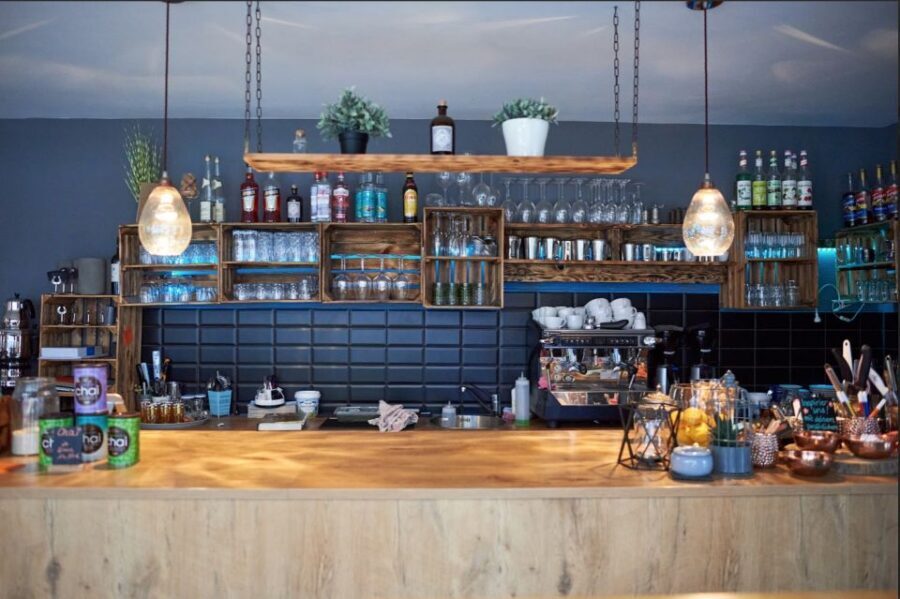
The tour takes place rain or shine. That’s normal for walking-focused food tours, but you should plan for it.
Here’s the practical way to think about it: with 5–6 stops, you’ll be going indoors and outdoors in short chunks. Rain affects comfort, not the food. Still, being wet and cold can make spice taste different, and it can kill your enthusiasm for lingering.
So dress for street weather, not restaurant weather. A light layer helps. And again, comfortable shoes aren’t optional.
One more thing: the tone stays friendly even when weather turns. A guide-led group dynamic helps here—people share tables, compare flavors, and keep moving.
Price and value: is $82 worth 3 hours and 5–6 stops?
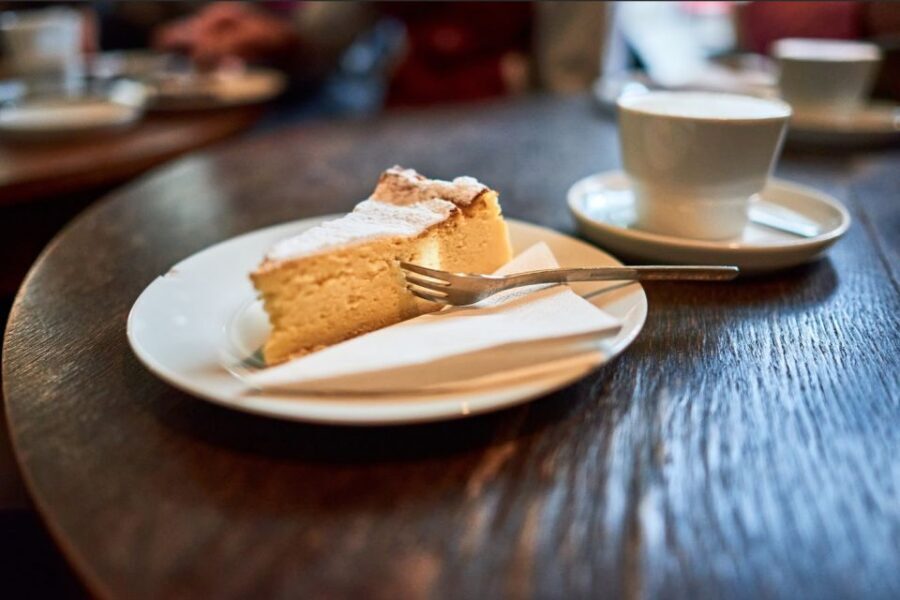
At $82 per person for 3 hours, you’re paying for three things at once: access, guidance, and selection.
Access: you’re not just walking by restaurants. You’re guided through an area where the best choices aren’t always obvious from the sidewalk.
Guidance: you get a German-speaking live guide who ties the tastings to the street’s story, including how the dangerous-street label got traction.
Selection: 5–6 food stops means you don’t have to guess what to order, where to go, or what combinations make sense.
Is it a bargain compared to buying groceries and cooking? No. But that comparison misses the point. This is the kind of experience you book when you want someone to handle the “what should I eat next” problem in a compact time window.
Also, water is included (0.5 L), so you’re not doing mental math mid-walk. And the tour is offered as reserve now & pay later, which is useful if Leipzig is part of a larger trip plan.
Where value can vary for you: if you’re the sort of eater who wants only one specific cuisine and nothing else, you might find the mix less satisfying. If you like variety and you’re curious, the structure is exactly what you want.
Guides in German: what that means for your experience
The tour is conducted by a live guide in German. That matters because the experience isn’t just taste—it’s story. You’ll be learning why Eisenbahnstraße has this reputation, what the area’s diversity looks like through the lens of food, and how the street got its headline identity.
If you speak or understand German comfortably, you’ll get more out of it. If you don’t, you can still enjoy the food and the overall flow, but you’ll want to be ready to rely on visual cues, short explanations, and your senses. The good news: food tours like this are sensory-first, so you’re never stuck completely.
In at least one instance, the guide Doris is highlighted as a top part of the evening—someone who keeps the group upbeat and the info clear. That kind of guide energy is a big part of why this tour stays fun even when it rains.
Who this tour fits best (and who might want a different plan)
This is a great fit if you:
- Want a fast way to eat your way through Eisenbahnstraße without second-guessing every decision
- Like international food and enjoy comparing styles—Arabic, German, Korean, Turkish, Vietnamese
- Appreciate context, especially around why a neighborhood gets misunderstood
It’s less ideal if you:
- Don’t like walking around busy areas or you hate rain-weather street time
- Prefer to avoid discussion of the area’s darker reputation entirely (the tour includes the context)
If you’re traveling solo, a guided group format can be a comfort because you always know where to look next and what to do next. If you’re with friends, it’s easy to compare bites and keep the conversation moving.
Should you book this Eisenbahnstraße food tour?
Book it if you want a compact, guided way to understand Leipzig through food—especially if you’re curious about how Arabic, German, and Asian cuisines live side by side on one street. The $82 price works best when you value selection and storytelling, not just the act of eating.
Skip it if you’re very sensitive to street-reputation topics or you want a quieter, fully indoor experience. This tour is built for the sidewalk, and it will keep you on your feet.
My take: if you like trying different flavors in a short window and you enjoy a guide who brings the neighborhood story into the tasting, this is a strong use of your time in Leipzig. You’ll leave with more than a full stomach—you’ll have a clearer idea of what Eisenbahnstraße really is.
FAQ
How long is the Leipzig Eisenbahnstraße food tour?
It lasts 3 hours.
Where do I meet the guide?
The meeting point is in front of the fountain.
How many food stops are included?
You’ll make 5–6 food stops during the tour.
Is the tour in German?
Yes, the live tour guide speaks German.
Is there anything included besides the food?
You get delicious dishes, a guided tour, and a bottle of water (0.5 L).
Does the tour run in bad weather?
Yes, it runs rain or shine.
Can the tour handle food restrictions?
Yes. You should inform the local partner of any food restrictions or preferences.