REVIEW · DARMSTADT
EUMETSAT – weather data for the world “made in Darmstadt”
Book on GetYourGuide →Operated by Darmstadt Marketing GmbH · Bookable on GetYourGuide
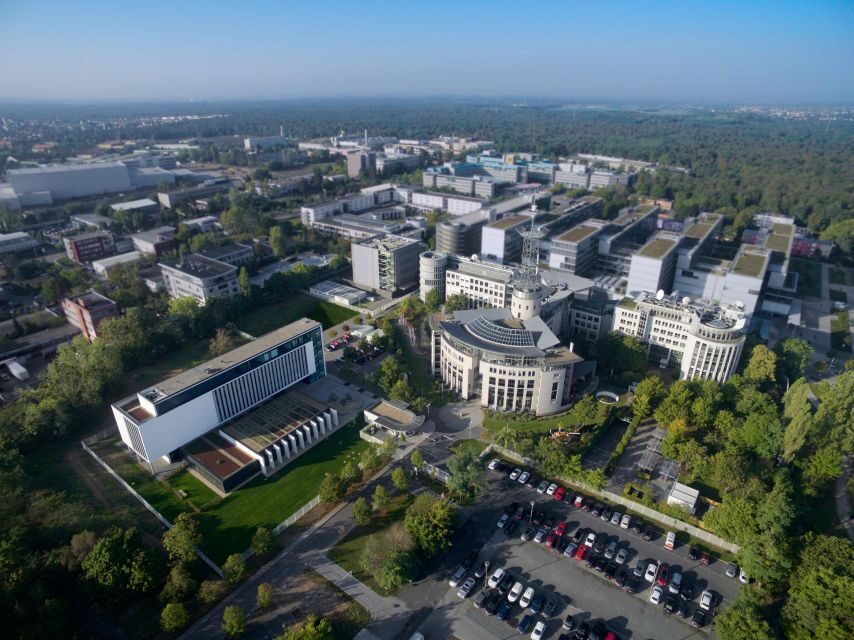
Weather can be political. Okay, it’s not. It’s scientific. EUMETSAT’s Darmstadt headquarters turns meteorological satellites into the data that powers forecasts worldwide, and the tour shows you how that machine works. Since 1986, the organization has operated from here, 24 hours a day, 365 days a year.
I especially like the chance to see full-size satellite models on site. It makes the hardware feel real fast, not like a distant diagram. And I like that the guided format stays practical and question-friendly, so you can ask about what these systems do for everyday weather and longer-term climate monitoring.
One key consideration: you’re dealing with real security rules. You’ll need a valid ID for access, large bags and backpacks are not allowed, and the identity documents are checked and retained during your visit. If you’re traveling light, this is easy; if you’re not, plan ahead.
In This Review
- Key highlights worth your time
- EUMETSAT Darmstadt: where your weather app gets its fuel
- The 1.5-hour flow: what the guided tour feels like
- Full-size satellite models: learning fast because you can actually see it
- What the satellites do: daily forecasts and climate data in one story
- Meeting point and site rules: how to avoid stress before the tour starts
- Who should book this tour (and who might want to skip it)
- Price and value: why $17 feels fair for what you get
- Getting your booking right: quick planning checklist
- Should you book the EUMETSAT weather-satellite tour?
- FAQ
- Where is the meeting point for the tour?
- How long is the EUMETSAT guided tour?
- Is the tour guided, and what language is it in?
- What is the minimum age to join?
- Do I need to bring an ID?
- Is luggage or a large backpack allowed?
- Are baby carriages allowed?
- Does the tour require pre-registration?
- Is the tour wheelchair accessible?
- What is the cancellation policy?
Key highlights worth your time
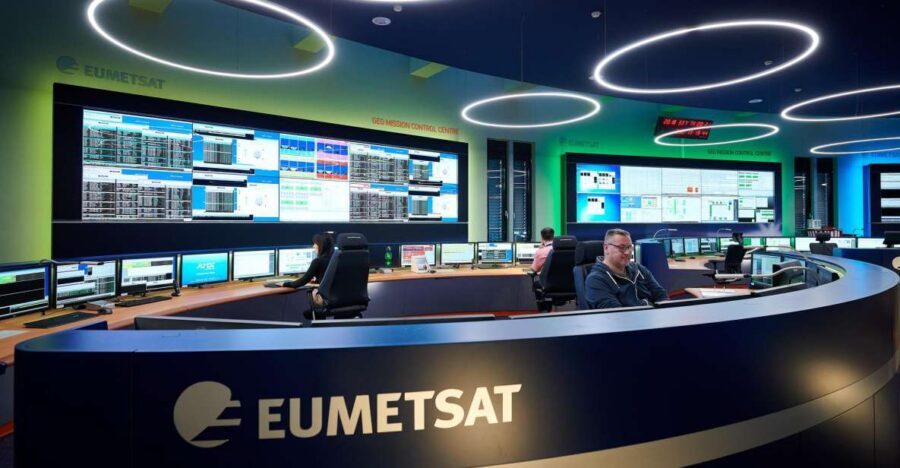
- Weather data, made in Darmstadt: EUMETSAT runs the satellite system day and night from its German HQ.
- Full-size satellite models: you get hands-on perspective on what the satellites and instruments actually look like.
- Forecasts plus climate science: the same satellite data supports daily weather needs and climate-change measurement.
- A live German guide: you’ll get a guided walkthrough that explains the work without turning it into a lecture.
- Tight access control: ID is required for entry, and luggage is restricted.
EUMETSAT Darmstadt: where your weather app gets its fuel
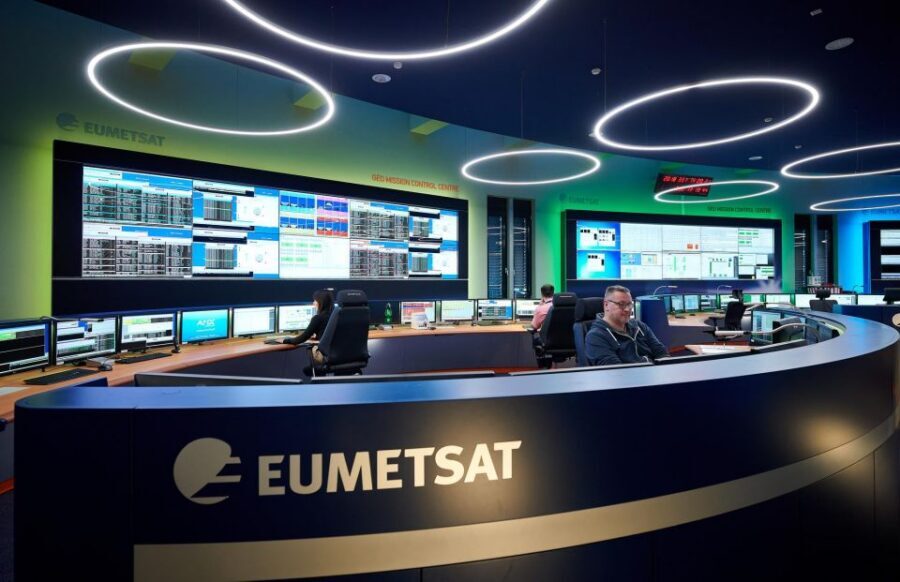
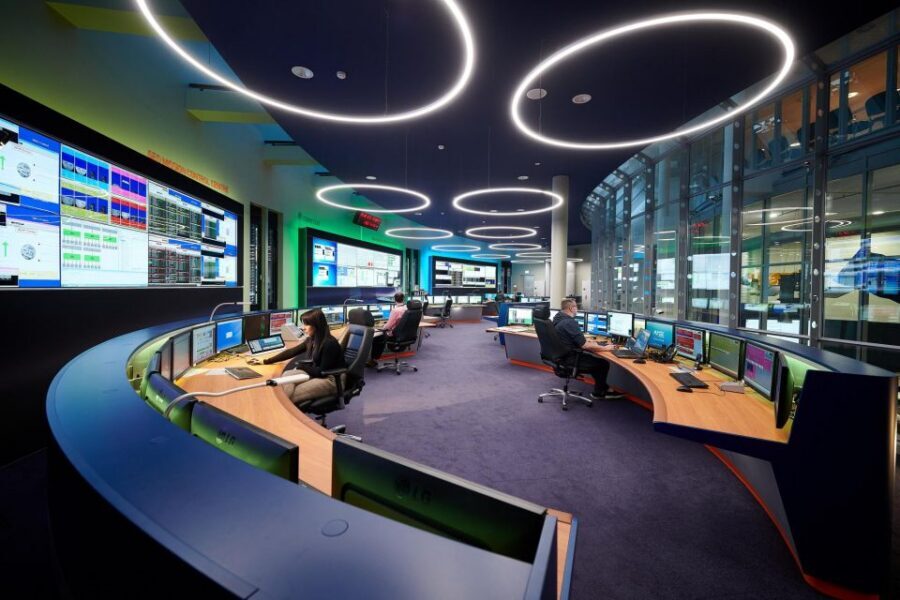
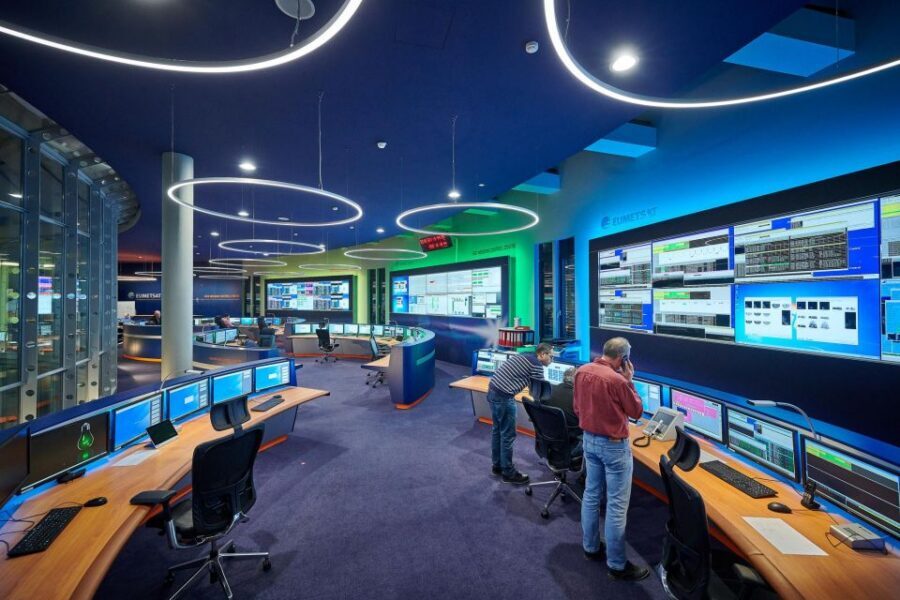
EUMETSAT is one of those places where the big idea feels simple, but the work behind it is serious. From its headquarters in Darmstadt, the organization operates a system of meteorological satellites—24/7, 365 days a year. That rhythm matters, because weather forecasting is not a once-a-day hobby. It needs continuous observations.
The tour is built around that connection between space tech and the weather you track at home. You’ll hear how the data collected by satellites feeds the daily forecasting workflow. And you’ll also learn that the role isn’t limited to short-term forecasts. The information is used for measuring climate change and global warming, which gives the whole topic a longer timeline than most visitors expect.
If you like science that has a direct payoff—like understanding how forecasts are built—this is a satisfying stop. It’s not just about rockets or astronomy. It’s about observation, data, and the methods behind reliable weather information.
You can also read our reviews of more tours and experiences in Darmstadt.

The 1.5-hour flow: what the guided tour feels like
This visit is short by design: about 1.5 hours with a live guide. That time window is good news if you’re juggling a travel schedule, but it also means you’ll want to arrive ready to focus. The experience is guided from start to finish, and it’s not set up for wandering off on your own.
You’ll meet at the Visitors’ gate at EUMETSAT-Allee 1. From there, expect a structured walkthrough that explains what EUMETSAT does and how the satellite system contributes to real-world outcomes. The tour takes place partly outdoors, so you’ll feel the weather even if you’re learning about space.
Also note the group rules: you’re not allowed to leave the group during the tour. So if you’re the type who needs constant breaks, keep that in mind. It’s a guided experience with a pace that’s meant for everyone to follow along.
Full-size satellite models: learning fast because you can actually see it
One of the strongest parts of the tour is the emphasis on scale. You don’t just hear that satellites are large systems. You get to see satellite models, including ones that are described as full-size and sometimes even presented at roughly one-to-one scale on the grounds.
This matters because satellite tech is easy to misunderstand when it stays theoretical. In pictures, everything looks abstract. On a model in front of you, the components start to make sense: you can see how the pieces relate to the mission. It turns the story from space-flavored science fiction into something grounded and physical.
And because these are models you can view on site, you’re more likely to remember what you learned. The tour is not trying to overwhelm you with math. It’s trying to help you picture the systems correctly. If you’re into engineering, space hardware, or just want a better mental image of how weather observation works, this is the section you’ll be glad you didn’t skip.
What the satellites do: daily forecasts and climate data in one story
EUMETSAT’s satellite work has two big “jobs,” and the tour connects them.
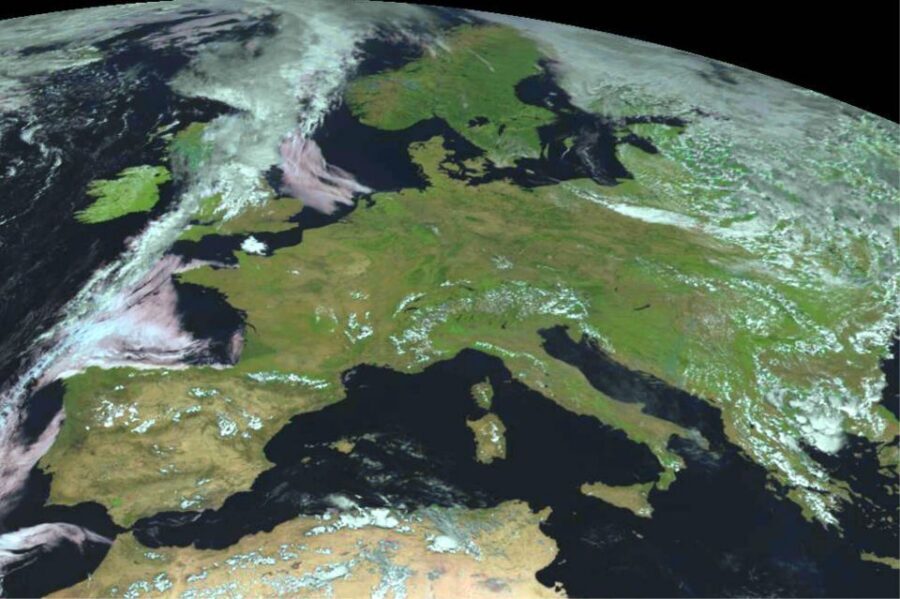
First, there’s the daily forecasting side. The satellites produce data that’s needed for our day-to-day weather forecasts. That’s the part you can recognize instantly: it’s the same kind of information behind the forecasts you check before commuting, hiking, or planning a weekend.
Second, there’s the climate-change side. EUMETSAT also provides information used in measuring climate change and global warming. That part is a helpful reality check. Climate science isn’t just one study or one season. It’s long-term measurement, comparisons over time, and consistent observation. Seeing that explained within the same satellite system story makes the place feel connected to both your short-term life and longer-term understanding.
If you care about science being useful, this combination is a win. You get practical value (forecasts) and context (climate measurement) without needing to be a specialist.
Meeting point and site rules: how to avoid stress before the tour starts
Plan your start like you would for airport-style checks, because this site treats access seriously.
Meeting point: Visitors’ gate, EUMETSAT-Allee 1.
Bring: your passport or identity card.
Don’t bring: luggage or large bags. Baby carriages are not allowed.
The access process includes ID verification for authenticity, and your identity documents are checked and retained for the duration of your stay. Driving licenses, residence permits, health insurance cards, and similar documents are not accepted as proof of identity. Visitor IDs must be worn visibly at all times.
And the “tour experience” rules matter too: you must follow the instructions of the security staff, and it’s not permitted to leave the group. The security team can deny access to people who behave uncooperatively or expel them from the site. That’s not meant to scare you—it’s meant to keep the visit orderly.
My practical tip: if you’re coming from another part of Darmstadt, keep your bags minimal and your documents easy to reach. You’ll lose less time, and the tour starts feeling smooth instead of rushed.

Who should book this tour (and who might want to skip it)
This is not just a background museum stop. It’s a focused, science-and-space guided experience, and it has an age requirement.
- Minimum age: 12 years.
- Not suitable: children under 12.
- Language: the live guide speaks German.
That makes it a good fit for teens, adults, and families with older kids who can handle a structured group visit and some technical explanation. If your idea of fun is weather maps, satellite images, or space hardware, you’ll probably enjoy it.
If your German is limited, you may still find it interesting because the experience has visible elements (like the satellite models), but the guide is German-only. For families with younger kids, the age cutoff makes this one a hard miss.
Wheelchair access is listed, so mobility should be manageable. Just remember the visit happens partly outdoors, so weather and ground conditions will matter.
Price and value: why $17 feels fair for what you get
At about $17 per person for a 1.5-hour guided tour, the value is solid if you like science with real-world applications. You’re paying for access to a functioning organization, a live guide, and a chance to see hardware models rather than only posters.
If you’ve ever toured an office or facility and felt like you got mostly corridors and vague explanations, this kind of experience tends to be better when models and practical visuals are included—and here, the satellite models are a major draw. The short duration also helps: you’re not committing a whole half-day to learn one theme.
It’s also a good price for an international science topic without the cost of crossing borders for a “science center” in another country. Darmstadt turns out to be a surprisingly relevant base for this kind of learning.
Getting your booking right: quick planning checklist
Before you go, do two things in the right order:
1) Pre-register your group with Darmstadt Marketing GmbH. You’ll need the full name and nationality of each person.
2) Bring the correct ID and keep it available.
Also consider these practical bits:
- The tour is about 1.5 hours, so time it with the rest of your day.
- Dress for the weather since part of the tour happens outdoors.
- Since large bags aren’t allowed, pack light and use small day-bag solutions.
If you like flexibility, the booking terms include free cancellation up to 24 hours in advance for a full refund, and you can reserve first and pay later. That’s useful when your schedule is still a bit up in the air.
Should you book the EUMETSAT weather-satellite tour?
Book it if you want a focused, science-first experience in Darmstadt that connects space tech to your everyday forecasts—and also explains how the same data supports climate monitoring. I’d pick this for older kids, teens, and adults who enjoy asking questions and learning how real systems work.
Skip it (or at least rethink it) if you’re traveling with lots of luggage, you hate strict site rules, or you need a non-German guided experience. The ID checks and the no-large-bags policy are real parts of the deal, not footnotes.
FAQ
Where is the meeting point for the tour?
You meet at the Visitors’ gate, EUMETSAT-Allee 1.
How long is the EUMETSAT guided tour?
The tour lasts about 1.5 hours.
Is the tour guided, and what language is it in?
Yes. It’s a guided tour with a live guide speaking German.
What is the minimum age to join?
The minimum age is 12 years. Children under 12 are not suitable.
Do I need to bring an ID?
Yes. You must bring a passport or an identity card. Access requires a valid identity document.
Is luggage or a large backpack allowed?
No. Luggage or large bags (including backpacks) are not allowed.
Are baby carriages allowed?
No. Baby carriages are not allowed.
Does the tour require pre-registration?
Yes. All participants must be pre-registered with Darmstadt Marketing, including full name and nationality for each person.
Is the tour wheelchair accessible?
Yes, wheelchair access is listed as available.
What is the cancellation policy?
Free cancellation is available up to 24 hours in advance for a full refund.