REVIEW · HAMBURG
Hamburg: 2-Hour St. Georg Walking Tour
Book on GetYourGuide →Operated by Hamburg Live Tours · Bookable on GetYourGuide
St. Georg tells stories you don’t get downtown. This 2-hour walking tour is a tight, well-guided look at Hamburg’s side streets near the main station: trendy squares and sidewalk cafés, plus the area’s multicultural mix of religions and scenes. I especially liked how the guide connects places you can see—like Lange Reihe—to the people and tensions that shaped the neighborhood, including migrants, religious minorities, and student revolt.
One thing to weigh: the live guide speaks German, and the route includes nightlife-adjacent streets (including the red-light district and the Gay village). If you want only classic sightseeing and calm, it may feel less “postcard Hamburg” and more “real Hamburg.”
In This Review
- Key things I’d plan around
- Why St. Georg is the best alternative side of Hamburg
- Meeting at Trinity Church and getting oriented fast
- Lange Reihe’s coffee-shop strip: the neighborhood’s social center
- Mosques and a Catholic cathedral: religions you can see up close
- Red-light district context: seeing the neighborhood, not judging it
- Hamburg’s gay scene and the Gay village area
- How the guide makes the history stick (migrants, minorities, student revolt)
- Price and value: what $23 buys you in two hours
- Who should book this St. Georg walk—and who might skip it
- Should you book this St. Georg tour?
- FAQ
- How long is the Hamburg St. Georg walking tour?
- How much does the tour cost?
- Where does the tour start?
- Where does the tour end?
- What is included in the price?
- What language is the tour guide?
- Is cancellation allowed if my plans change?
Key things I’d plan around
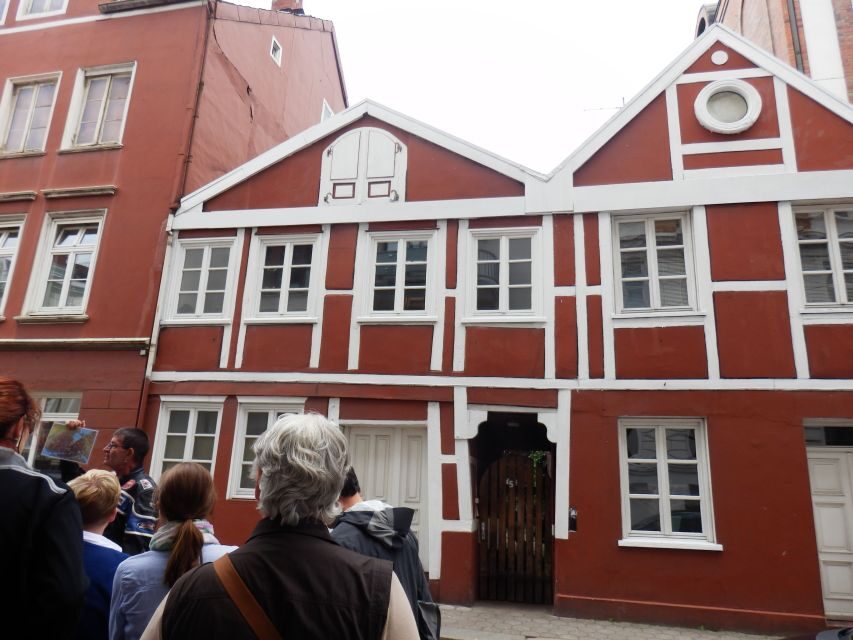
- Lange Reihe as the quasi-center: coffee-shop energy and the neighborhood’s everyday vibe
- Religions in close view: mosques and a Catholic cathedral on the same walking circuit
- Gay village focus: you’ll learn how this community shows up in the streets and local culture
- Red-light district context: not just sights, but the social story around them
- A guide who brings it personally: the best part is how the explanation lands, not just where you walk
Why St. Georg is the best alternative side of Hamburg
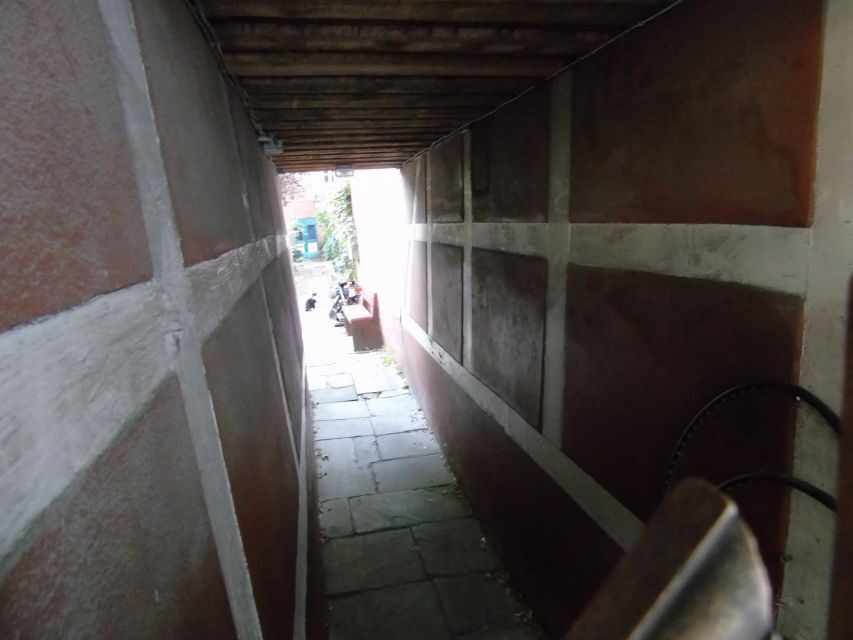
Hamburg is often marketed through its big, obvious sights. St. Georg is different. It’s closer to everyday life—where café doors open, languages mix, and you see how different communities share the same city blocks.
This tour is built for that “side door” feeling. In two hours, you move through the trendy quarter near the main station without staying on the busiest main corridors. You also get a guided lens on what makes St. Georg tick: the neighborhood’s religions, its migrant stories, and the student revolt history that shaped local attitudes. That turns a walk into something you can actually remember when you leave.
And yes, you also get the parts of Hamburg that are often treated like side notes. The tour explicitly includes Hamburg’s gay scene, plus the red-light district area, so the neighborhood doesn’t get watered down.
You can also read our reviews of more walking tours in Hamburg



Meeting at Trinity Church and getting oriented fast
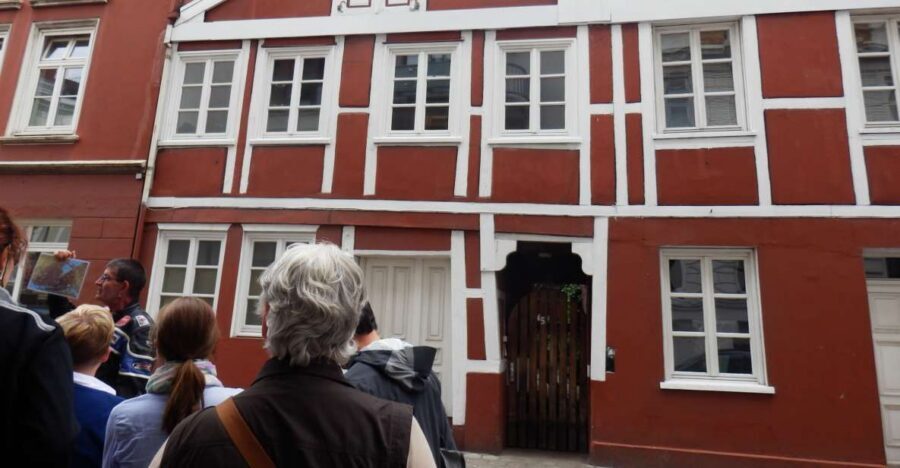
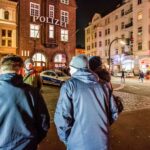
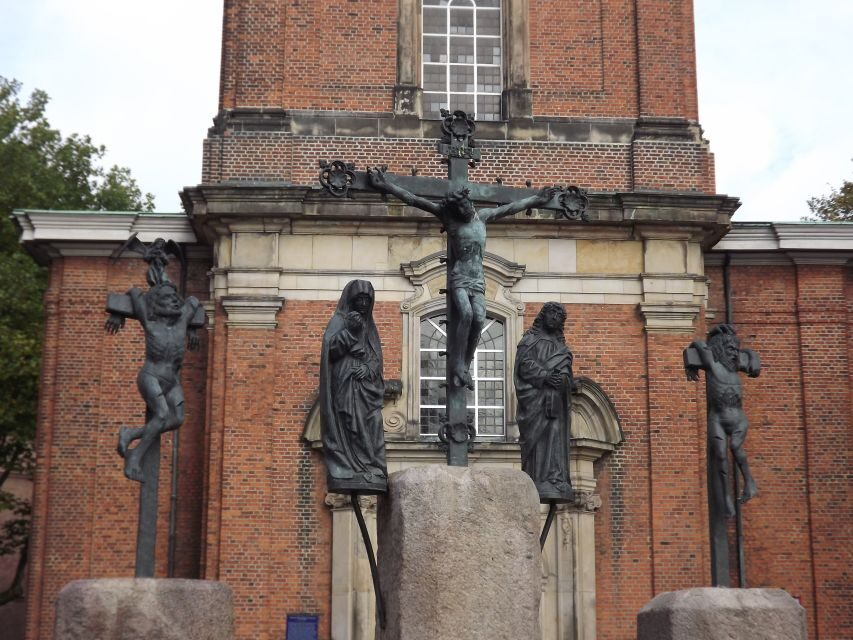
Your tour starts at the Crucifixion Group statue in front of the Trinity Church (St. Georg Kirchhof, 20099 Hamburg). It’s a sensible starting spot because you’re at the edge of the St. Georg “center of gravity,” where the neighborhood feels walkable and legible.
From the beginning, the guide’s job is to help you read the area quickly. St. Georg can feel layered—cafés here, religious buildings there, and nightlife close by. With a local guide, that layering becomes meaningful rather than confusing. You’re not just collecting landmarks; you’re getting the “why these blocks feel the way they do” story early.
This format is also practical. A 2-hour walk is long enough to connect themes, but short enough that you don’t get stuck in exhaustion or lost in logistics.
Lange Reihe’s coffee-shop strip: the neighborhood’s social center
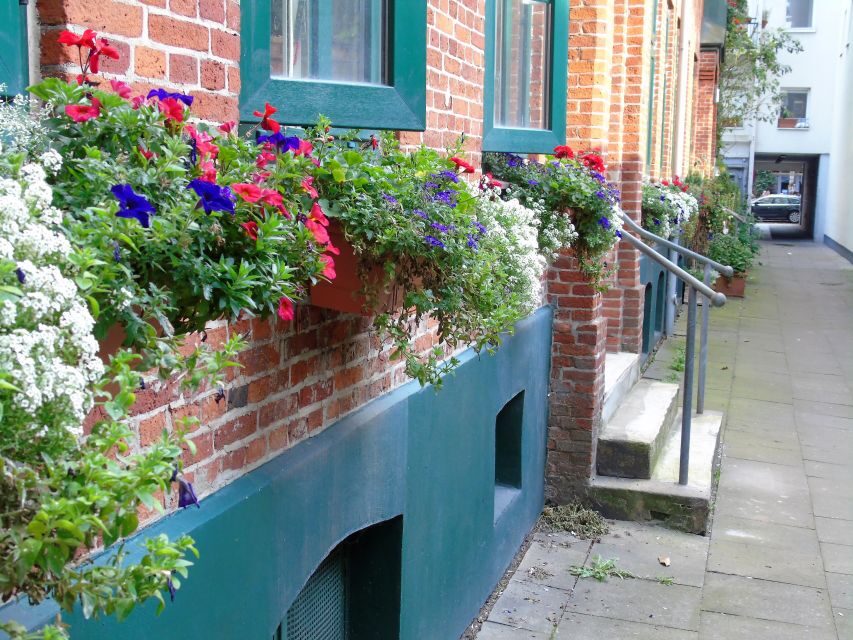
One of the highlights is Lange Reihe, described as St. Georg’s quasi-center. This is where the tour shifts into “feel the neighborhood” mode: trendy cafés, street life, and that in-between vibe where locals actually spend time.
I like this kind of stop because it’s not only about architecture or history plaques. It’s about atmosphere. Lange Reihe is the place where you can see daily culture in motion—what people choose to do when they’re not touring. And once you’ve walked it with context from the guide, it’s easier to spot what’s “new” and what’s rooted.
A small consideration: Lange Reihe is likely to feel busy and fast-moving at certain times of day. If you’re the type who needs lots of quiet photo time, you might want to keep your pace easy and accept that this tour prioritizes walking + storytelling over long pauses.
Mosques and a Catholic cathedral: religions you can see up close
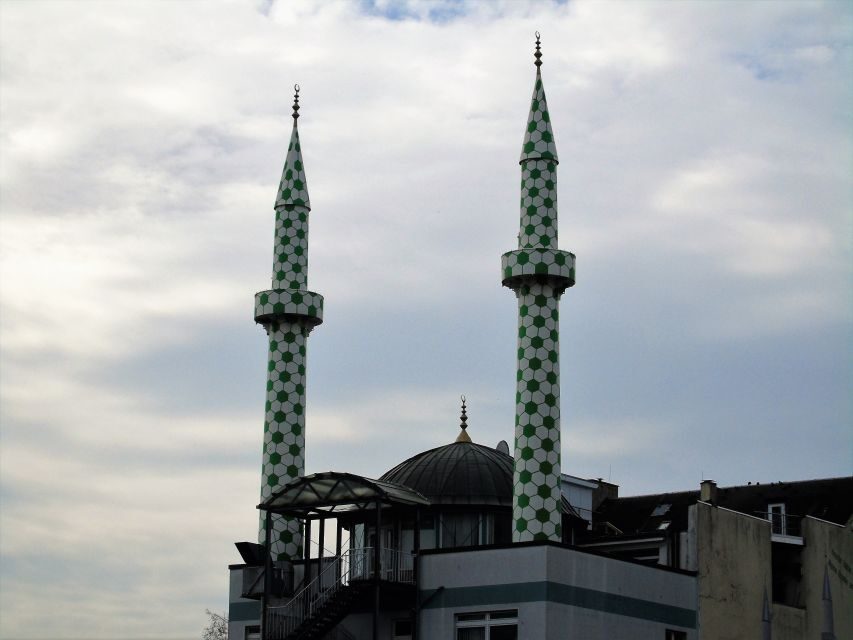
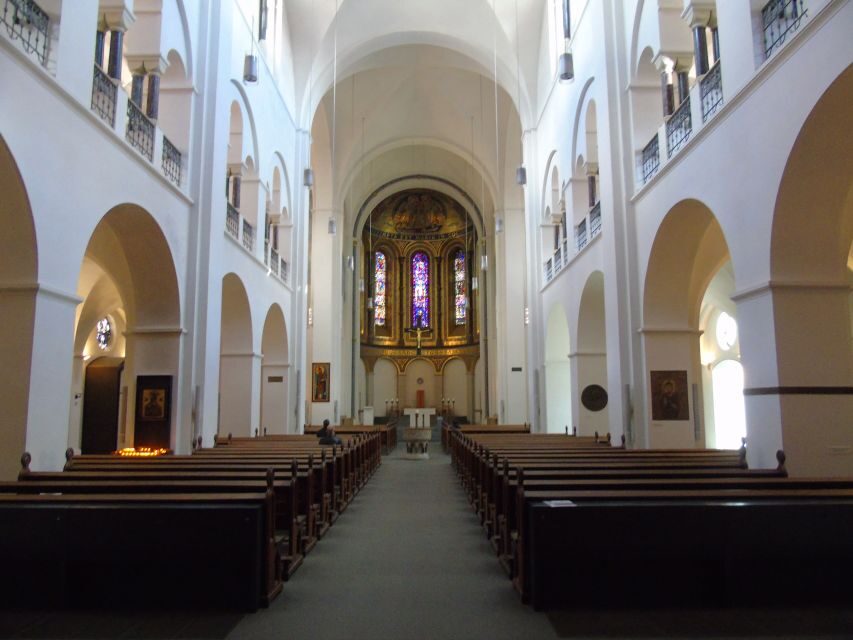
The tour includes the religious side of St. Georg, including mosques and a Catholic Cathedral. Instead of treating religion as a distant topic, the guide ties these places to the neighborhood’s lived reality: religious minorities, migration, and how communities build spaces in shared neighborhoods.
This is one of the most valuable parts for visitors. In many cities, you hear religious history in museums or guided lectures miles away from where people worship today. Here, you experience it at street level. You’re walking past active cultural landmarks, which makes the information feel less abstract.
It also helps you understand why St. Georg feels like it does. When multiple religious communities exist close together, the neighborhood has its own rhythm. The tour doesn’t try to flatten that into one story; it shows how different parts of the city coexist and influence each other.
Red-light district context: seeing the neighborhood, not judging it
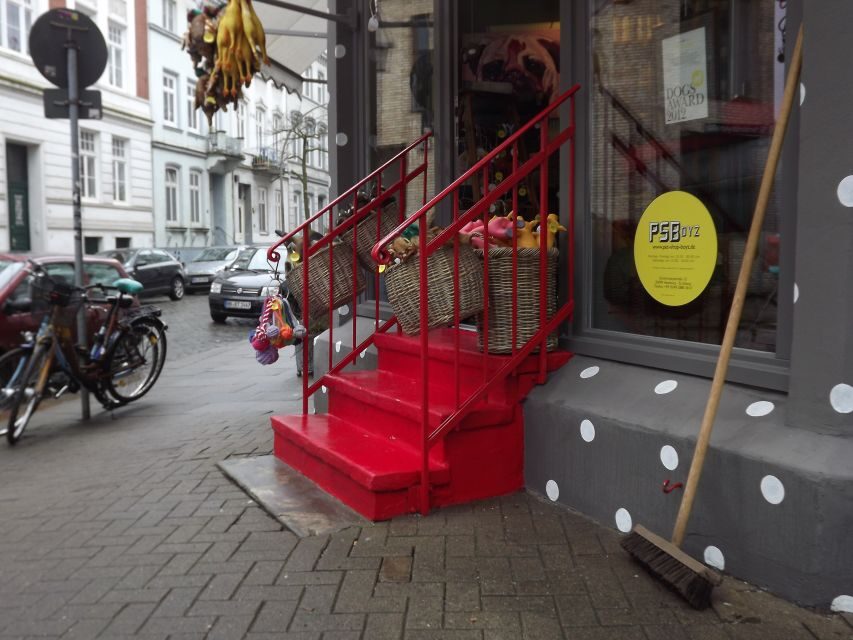
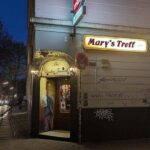
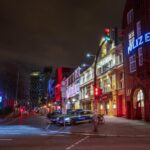
The tour includes the red-light district area. That doesn’t mean it’s sensationalized. The way this tour is described, the guide uses the streets as a springboard for history and society—part of how the neighborhood developed, and part of what makes St. Georg an alternative side of Hamburg.
I find that approach helps. You’re not only looking at what’s on the street—you’re being shown the surrounding context: how migration and minority communities intersect with economic realities, and why the neighborhood’s reputation formed the way it did.
Still, this is a “heads up” category. If you prefer to keep your sightseeing away from nightlife-adjacent streets, you should decide for yourself how comfortable you are with that part of the route. The tour’s goal is explanation and education, not shock value, but the setting itself is real.
A few more Hamburg tours and experiences worth a look






Hamburg’s gay scene and the Gay village area
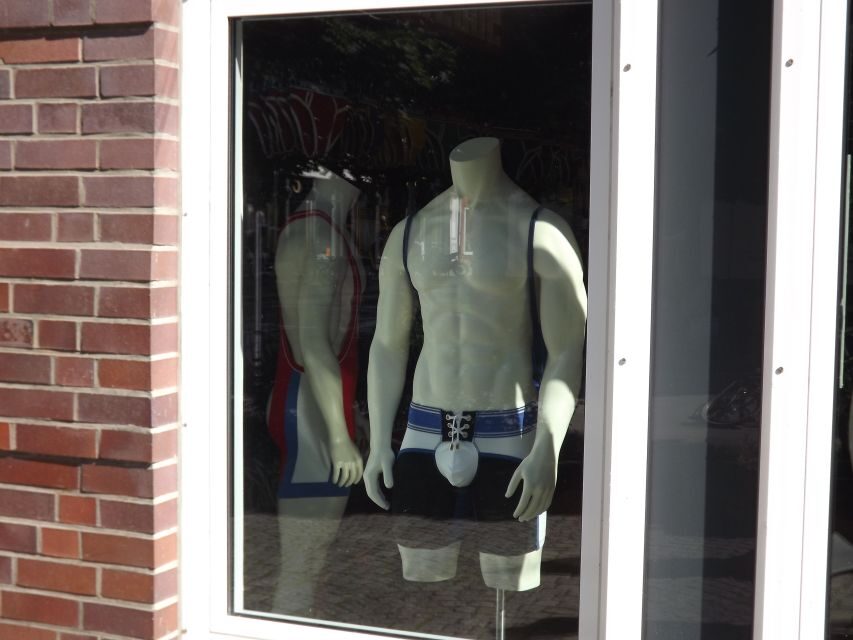
Another explicit focus is Hamburg’s gay scene, including the Gay village area. This part of the tour is valuable because it treats the community as part of the city’s everyday fabric—not as an “event” or a curiosity.
Walking this section with a guide gives you more than directions or photos. You’re learning how the neighborhood presents itself, how local culture shows up in streets, and how identity and community leave traces in urban space.
A practical note: the Gay village area, like many nightlife neighborhoods, can shift in energy depending on the time of day. If you’re sensitive to crowds or late-night bustle, you might choose a start time earlier in the day. The tour is 2 hours, so timing matters for comfort even if the route stays the same.
How the guide makes the history stick (migrants, minorities, student revolt)
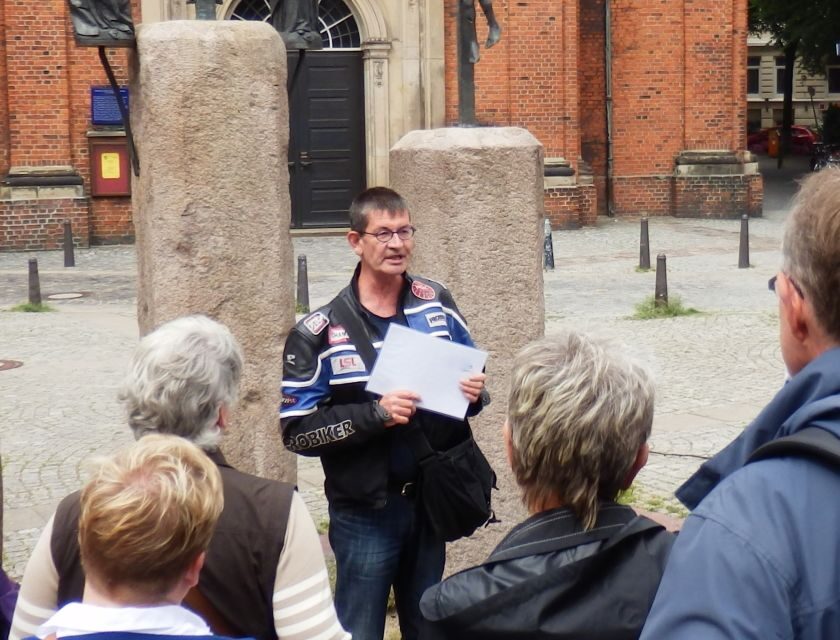
The route includes a historical thread: migrants, religious minorities, and student revolt are part of what the guide explains as you move through the neighborhood. I like history when it’s attached to places you can point to. That’s what this tour seems to do: it connects “Hamburg’s story” to the specific blocks you’re walking.
Student revolt, in particular, is a reminder that cities change through more than just rebuilding and commerce. Neighborhood attitudes, activism, and cultural identity all leave marks. When you hear that while standing in the St. Georg atmosphere, it becomes much easier to understand why the area feels the way it does today.
And based on the strong overall rating, the guide is a big reason this tour works. The feedback highlights that the guide is competent and informative, with plenty of insider info and a personal way of explaining things. You’re paying for more than route coverage—you’re paying for interpretation.
Price and value: what $23 buys you in two hours
At $23 per person for a 2-hour guided walk, this is fairly straightforward value. You’re not paying for a long day tour, and you’re not paying for transport. You’re paying for a local guide and the chance to understand St. Georg in a short, coherent loop.
For me, the value comes from three things:
- A focused route with multiple themes packed in: neighborhood café life, religions, gay scene, and the red-light context
- A local guide explaining how those themes connect
- A duration that’s easy to fit around other Hamburg plans
Also, there’s a flexibility angle built into the offering: reserve now & pay later keeps your schedule from feeling locked in. And the stated free cancellation window (up to 24 hours in advance) is useful if your day changes.
One more practical detail: the tour ends back at the meeting point. That makes it easier to plan your next stop without guessing where the group will finish.
Who should book this St. Georg walk—and who might skip it
This tour fits best if you want an alternative view of Hamburg. If you like neighborhoods with active street culture and you enjoy learning how different communities show up in real places, you’ll likely have a good time.
It also suits you if you’re curious about the area’s social history. The tour doesn’t stick to monuments only. It gives you context about migrants, religious minorities, and student revolt, and ties it to what you see around you.
You might skip or approach carefully if:
- You prefer tours in English (this one is German)
- You’d rather avoid red-light and nightlife-adjacent streets
- You want only the most famous, postcard-style sights
That said, the entire pitch is “see a different Hamburg.” If that’s what you’re after, this walk is aligned with your goals.
Should you book this St. Georg tour?
I’d book this if you want a smart, local-feeling 2-hour orientation to St. Georg. It’s good value for what you get: a themed walk through Lange Reihe, religious landmarks, the Gay village area, and the red-light district context—with a guide who explains instead of just pointing.
I’d think twice if your German is limited and you need every detail in your own language, or if you’d rather avoid nightlife-adjacent areas entirely. In that case, you’ll miss part of the experience because the tour is guided in German and the route includes sensitive, real-world street scenes.
If you can handle a German-guided walk and you’re open to learning Hamburg through its neighborhoods, this is a strong pick.
FAQ
How long is the Hamburg St. Georg walking tour?
The tour lasts 2 hours.
How much does the tour cost?
It costs $23 per person.
Where does the tour start?
You meet at the Crucifixion Group statue in front of the Trinity Church, St. Georg Kirchhof 20099 Hamburg.
Where does the tour end?
The tour ends back at the meeting point.
What is included in the price?
The price includes a 2-hour guided tour with a local guide.
What language is the tour guide?
The live tour guide speaks German.
Is cancellation allowed if my plans change?
Yes. The tour offers free cancellation up to 24 hours in advance for a full refund.