REVIEW · FREIBURG
Group tour in Italian in Freiburg im Breisgau
Book on Viator →Operated by Irene · Bookable on Viator
Freiburg is small, but it packs big stories. This Italian group walk threads you through the old center of Freiburg, from town hall square to the Bächle canals, with a guide who ties places to the people who shaped them. I like that the route stays tight and walkable, and you finish close to where locals linger.
Two things I really liked: the stop sequence is built around recognizable landmarks, and the narration stays sharp and practical rather than heavy. I also found the guide experience a big part of the value, with clear, accurate information and answers to extra questions as you go. The main thing to consider is that this is a short group tour with a limited time window, so if you prefer slow wandering and long photo breaks, you may feel slightly rushed.
In This Review
- Key Highlights I’d Prioritize
- Freiburg’s Old Center Works Great On Foot
- Rathausplatz Start: Fast Orientation at Town Hall Square
- Haus zum Walfisch: Where Erasmus Was Exiled
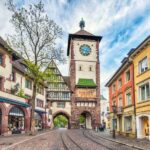
- Martinstor: Freiburg’s Old Gate From the Black Forest Side
- Munsterplatz: Gothic Church Lovers’ Favorite Meeting Point
- Historisches Kaufhaus: Commerce, Taxes, and City Power
- Bächle Canals: The Little Waterway Feature That Makes Freiburg Different
- Schwabentor: The Other Gate Still Standing
- Gerberau: A Romantic Street You’ll Want to Walk Twice
- Augustinerplatz Finish: Where the City Resets You
- Price and Time: Getting Value From a 1 Hour 10 Minute–1 Hour 30 Walk
- Guide Irene: What Professional, Accurate Delivery Looks Like
- Who Should Book This Italian Freiburg Walking Tour?
- A Few Practical Tips Before You Go
- Should You Book This Tour?
- FAQ
- Is this tour in Italian?
- How long is the walking tour?
- How much does it cost?
- How big is the group?
- Where do I meet for the start of the tour?
- Where does the tour end?
- Do I need to pay entry tickets for the stops?
- Will I get a mobile ticket?
- Can I cancel for free if my plans change?
- Are service animals allowed?
Key Highlights I’d Prioritize
- Italian guide, small group (max 15) so it feels personal without turning into a private tour
- Free entry at every listed stop, so your money goes to the guidance, not museum fees
- Erasmus of Rotterdam’s connection at Haus zum Walfisch, tied to Maximilian I’s circle
- Freiburg’s water system on display with the famous Bächle canal network
- Two old city gates in one loop: Martinstor and Schwabentor
- Finishes at Augustinerplatz, a practical place to regroup and grab a drink afterward
Freiburg’s Old Center Works Great On Foot
Freiburg im Breisgau is a city where walking makes sense. The core sights sit close together, and the tour format uses that. You get a guided path through the most recognizable parts of town instead of bouncing between far-apart landmarks.
This matters for you because it saves time. In about an hour and a bit, you can come away with a mental map that makes the rest of your day easier. You’ll know which buildings are tied to commerce, which ones are gates into the Black Forest side of town, and why the canal system feels so central to daily life.
Also, since it’s a group tour in Italian with a maximum of 15 people, you get a balance: there’s enough structure to keep moving, but you’re not swallowed by a giant busload of strangers.
You can also read our reviews of more tours and experiences in Freiburg.


Rathausplatz Start: Fast Orientation at Town Hall Square
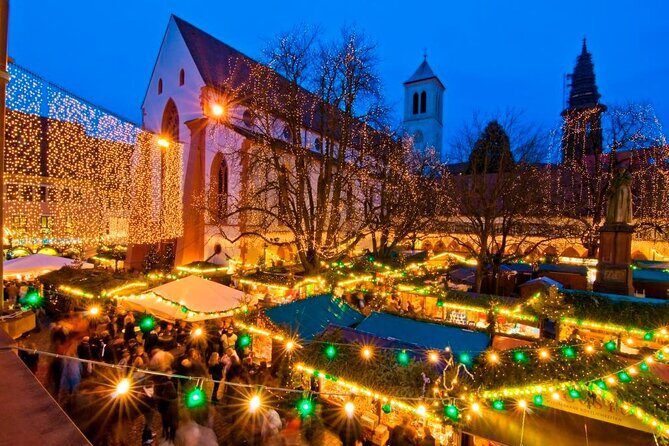
You begin at Rathausplatz, the Town Hall square. It’s a strong start because it’s a civic heart of the city. Starting here gives you context right away: Freiburg isn’t just a pretty stop on a route; it’s a place built around institutions, trade, and community.
This first leg is short, and that’s intentional. In practical terms, it helps if you arrive with jet lag or you’re still figuring out street names. You get oriented quickly, then the guide moves you into the older layers of the center.
One more practical note: since you’re meeting at a public square, it’s also easier to find than a tucked-away museum entrance. If you like to arrive 5 to 10 minutes early to settle in, this start point plays nicely with that habit.
Haus zum Walfisch: Where Erasmus Was Exiled
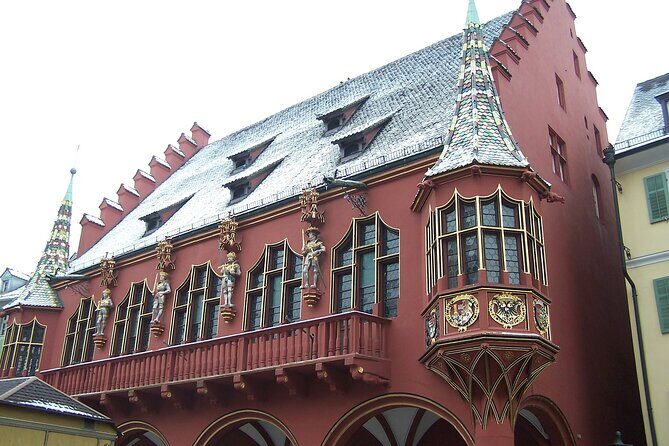
Next you’ll stop at Haus zum Walfisch. This building is tied to Maximilian I, Holy Roman Emperor. It was built by Maximilian’s treasurer, and later it became the residence of the exiled Erasmus of Rotterdam.
I like this stop because it swaps generic sightseeing for a specific human story. You’re not just looking at old stones. You’re connecting the city to a real thinker whose life included exile and movement across Europe.
Why it’s valuable for you: it gives Freiburg a broader European role beyond the Black Forest setting. The city becomes more than a scenic day trip. It’s part of the intellectual map of its era.
Martinstor: Freiburg’s Old Gate From the Black Forest Side
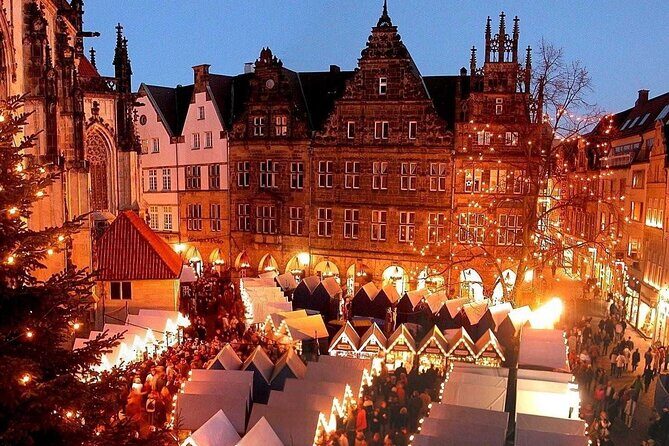
Then comes Martinstor, described as the oldest gate in Freiburg for those coming from the Black Forest. Gates like this aren’t just architecture. They’re decisions made in stone: where traffic enters, where trade flows, and how the city controls movement.
This is one of the stops where you can really learn something by simply looking carefully. Notice how the gate frames the approach. Even without a museum label, the shape tells you how the city handled arrivals.
One drawback to keep in mind: if you’re the type who wants lots of time to linger at viewpoints, a gate stop can feel brief. But for most people, it’s a good pacing anchor. It keeps the walk moving while still giving you a moment of “okay, I get where we are.”
Munsterplatz: Gothic Church Lovers’ Favorite Meeting Point
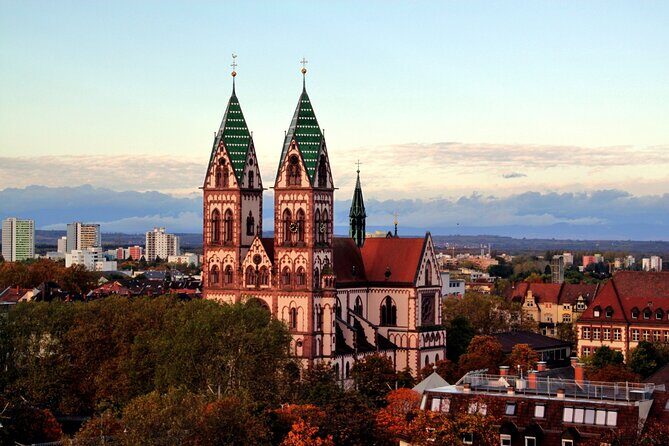
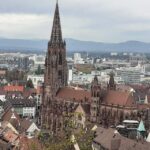
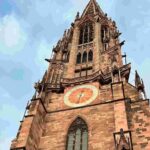
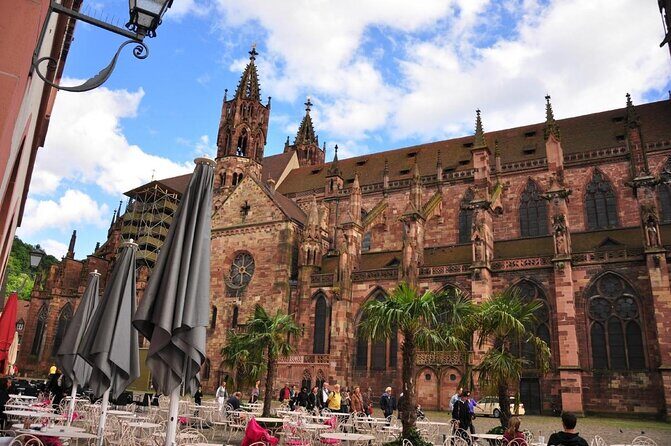
At Munsterplatz you’ll see the ancient Gothic-style church that Freiburgers genuinely love. This is a solid stop because it connects beauty with attachment. It’s not treated like a distant landmark; it’s presented as part of everyday city identity.
If you’re wondering what to do at this kind of stop, here’s a simple approach: look at the church façade and then check how the square is laid out around it. Squares around major churches tend to act like social stages. Even if you never step inside, you’ll feel how the space functions.
I also like that it’s free. No surprise costs, and you can decide later whether you want to add any independent time nearby based on your interests.

Historisches Kaufhaus: Commerce, Taxes, and City Power
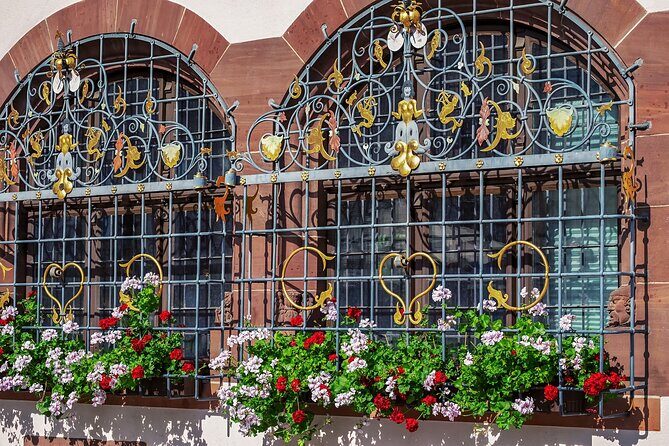
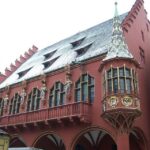
The tour then moves to Historisches Kaufhaus, known as the House of Commerce, where traders paid their taxes. That detail changes how you read the building. Instead of seeing a historic structure as decor, you start seeing it as infrastructure.
This stop works especially well if you’re the type who likes economic history. You get a concrete example of how cities ran: merchants weren’t just roaming around buying and selling. There was a system, and it was collected right here.
Possible consideration: if your travel style is mostly about art and scenery with minimal civic context, commerce stops can feel more informational than emotional. Still, even then, it’s a useful balance because it explains why Freiburg grew into a central hub.
Bächle Canals: The Little Waterway Feature That Makes Freiburg Different
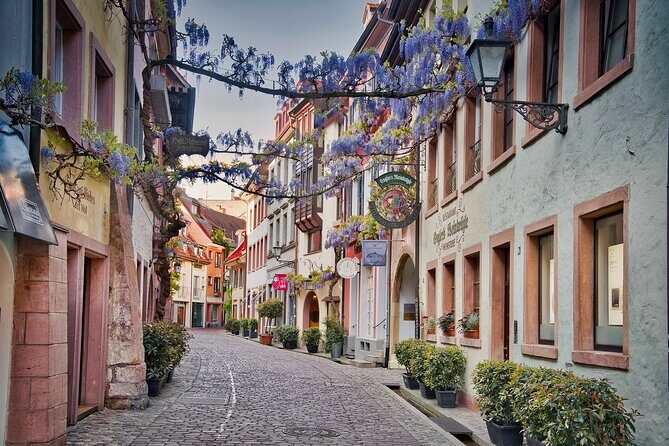
Now the route hits Bachle, the famous canals typical of the city. The Bächle are short, but they’re memorable. They’re a signature feature that sets Freiburg apart from other Black Forest-adjacent towns.
Why I think this stop matters for you: it’s one of those details that makes a city feel lived-in. Even if you’ve never studied canal systems, seeing the layout helps you understand how water relates to daily life there.
If you’re taking photos, this is one of the easier moments to get good shots. The canals are visual and close to foot level. That said, remember it’s a moving tour stop, so don’t get so locked into pictures that you fall behind.
Schwabentor: The Other Gate Still Standing
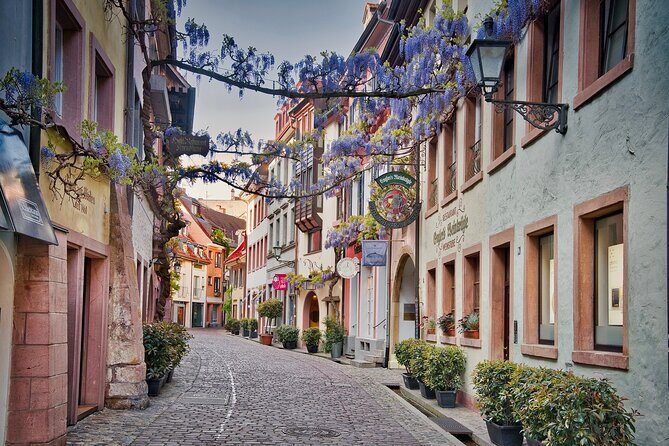
Next is Schwabentor, another remaining gate of Freiburg. Going from Martinstor to Schwabentor gives you a quick comparison. Two gates, two angles on how the city once managed entry and movement.
I like this pairing because it prevents you from treating gates as one-off photo backdrops. You start recognizing them as part of a connected defensive and logistical system.
This is also a nice moment to re-check your bearings. After a few stops indoors in your head (commerce, church, intellectual history), you get back to the external shape of the city.
Gerberau: A Romantic Street You’ll Want to Walk Twice
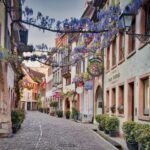
Then you arrive at Gerberau, described as one of Freiburg’s most romantic streets. This is where the tour shifts from landmarks into street-level atmosphere.
If you’re thinking, okay, but what does romantic mean in practice? It usually means a street where the buildings, the water nearby, and the pedestrian scale line up in a way that feels good to look at and good to slow down on.
Even within a timed tour, you’ll get a taste. My tip: use this stop to scan ahead for your next independent walk after the tour ends. This is often where the best self-guided continuation begins.
Augustinerplatz Finish: Where the City Resets You
You end at Augustinerplatz, the final point of the tour and also a meeting and refreshment point for Freiburg locals. It’s a smart landing spot because you’re not dropped in the middle of nowhere. You finish in a place that already understands people taking breaks.
For you, this means you can plan your next move easily: coffee, a quick bite, or just figuring out which direction your day should go. You’re also finishing in the same general area as the Consulate of Italy, which is helpful if you’re navigating by that landmark.
This final stop is short, but it’s useful. It gives closure to the walk and a natural transition to free time.
Price and Time: Getting Value From a 1 Hour 10 Minute–1 Hour 30 Walk
The price is $52.04 per person. For many European city walks, that’s in the normal range for a guided experience, especially one with a limited group size and a dedicated guide.
The value part is where it gets interesting. You’re paying for the guidance across multiple historic stops, and the entry is free at each listed stop. That means the tour cost isn’t inflated by ticket fees. You also get a tour format that likely helps you avoid wasting time later trying to piece the story together on your own.
Timing matters too. The tour runs about 1 hour 10 minutes to 1 hour 30 minutes. That’s long enough to feel like you covered meaningful ground, but short enough to keep your day flexible. If you’re the kind of traveler who likes to combine structure and freedom, this is a workable length.
Guide Irene: What Professional, Accurate Delivery Looks Like
The experience is led by Irene. The difference a great guide makes is usually subtle but real: you get clarity fast, and you get answers without making you feel like your questions are a problem.
From the way the tour is described, Irene’s style is professional and helpful, with accurate information and an ability to keep the story engaging rather than dull. That matters if you’re taking an Italian tour and you want the content to stay easy to follow.
If you speak any Italian at all, you’ll also benefit from how the group is taught. Even if you miss a few details, you’ll still come away with a clean understanding of what each stop means.
Who Should Book This Italian Freiburg Walking Tour?
This is a great fit if you want a guided walk through Freiburg’s main center sights without turning it into a museum marathon. You’ll do well if you like old town details, city gates, church squares, and “why this place exists” stories.
It also suits you if you travel with the logic of first getting your bearings. Once you know how the center connects, you can explore on your own with fewer wrong turns.
A consideration: it’s a group tour in Italian. If your Italian is beginner-level, you might still enjoy it, but you’ll likely get more from the tour if you’re comfortable following basic narration.
A Few Practical Tips Before You Go
Since this is a walking tour with multiple stops, bring comfortable shoes. You’ll be moving through town squares and along the streets around the center sights, and the pacing keeps you active.
Also, plan to show up a bit early at Rathausplatz so you’re not rushing at the start. If you’re trying to connect it with other plans later, the finish at Augustinerplatz is helpful. It’s a natural place to pause and reset.
Should You Book This Tour?
Yes, if you want an efficient, story-led introduction to Freiburg in Italian and you like learning the meaning behind landmarks. The route hits a strong mix: civic square, Erasmus and Maximilian’s shadow at Haus zum Walfisch, gate architecture at Martinstor and Schwabentor, a Gothic church focus at Munsterplatz, commerce at the Historisches Kaufhaus, and the city’s signature Bächle canals plus a romantic street at Gerberau.
The biggest reason to book is value: a short time commitment, a small group limit, and free access at each listed stop. The only “no” I’d give is if you hate guided timing or you need long, uninterrupted wandering time. Otherwise, this is a very sensible way to spend your day in Freiburg’s center.
FAQ
Is this tour in Italian?
Yes. It’s a group tour in Italian.
How long is the walking tour?
The duration is about 1 hour 10 minutes to 1 hour 30 minutes.
How much does it cost?
It costs $52.04 per person.
How big is the group?
The tour has a maximum of 15 travelers.
Where do I meet for the start of the tour?
You meet at Rathausplatz (Rathauspl., 79098 Freiburg im Breisgau, Germany).
Where does the tour end?
The tour ends at Augustinerplatz (Augustinerpl., 79098 Freiburg im Breisgau, Germany), near the Consulate of Italy.
Do I need to pay entry tickets for the stops?
Admission tickets for the listed stops are free.
Will I get a mobile ticket?
Yes, the tour uses a mobile ticket.
Can I cancel for free if my plans change?
Yes. You can cancel up to 24 hours in advance for a full refund.
Are service animals allowed?
Yes, service animals are allowed.