REVIEW · BERLIN
From Berlin: Sachsenhausen Concentration Camp Guided Tour
Book on GetYourGuide →Operated by Rosotravel Germany · Bookable on GetYourGuide
Sachsenhausen is history you can’t scroll past. This 4-hour private tour pairs a licensed guide with a comfortable Berlin pickup, so you can focus on the place and its meaning instead of the logistics. You’ll walk the grounds of a former concentration camp that Nazis used as a model and training site—so the site explains not just what happened, but how the machinery of terror was built.
What I like most is the way the guide keeps the story human and specific. On our stop, the guide’s calm, expert pacing helped make the scale clear without turning it into a lecture. Another strong point is the museum time and the named prisoners and victim groups you’ll hear about—like Joseph Stalin’s oldest son, the penultimate Prime Minister of France, and members of the Crown Prince of Bavaria’s family—alongside groups such as Jehovah’s Witnesses, Soviet POWs, Poles, Jews, Homosexuals, and Freemasons.
One thing to consider: this is heavy material, and you’ll see places tied to executions and mass burial. If you’re sensitive to traumatic history, plan for a slower pace afterward and wear warm layers, since you’ll be walking on site.
In This Review
- Key things you’ll remember
- Getting from Berlin to Sachsenhausen without turning it into a chore
- First stop: Memorial and Museum Sachsenhausen grounds
- Command Headquarters: seeing the bureaucracy behind the cruelty
- Barracks and prisoner confinement: names make the scale real
- The former camp prison, gas chamber, and the first crematorium site
- Mass burial and memorial spaces: learning the meaning after the violence
- Museum time: Nazi and Soviet operations side by side
- Prominent prisoners and victim groups: why the guide’s detail matters
- The compassion factor: how guides handle a place like this
- Duration and pacing: 4 hours can work, if you’re prepared
- Price and value: what you’re paying for at $512 per person
- Who this tour suits best
- Should you book the Sachsenhausen Concentration Camp Guided Tour from Berlin?
- FAQ
- FAQ
- How long is the Sachsenhausen guided tour from Berlin?
- Do I get pickup from my Berlin accommodation?
- Is the tour private?
- Will I enter the Sachsenhausen Memorial and Museum?
- What will we see on the camp tour?
- Is a licensed guide included?
- What languages are available for the guided tour?
- Is warm clothing recommended?
- What’s the cancellation policy?
Key things you’ll remember
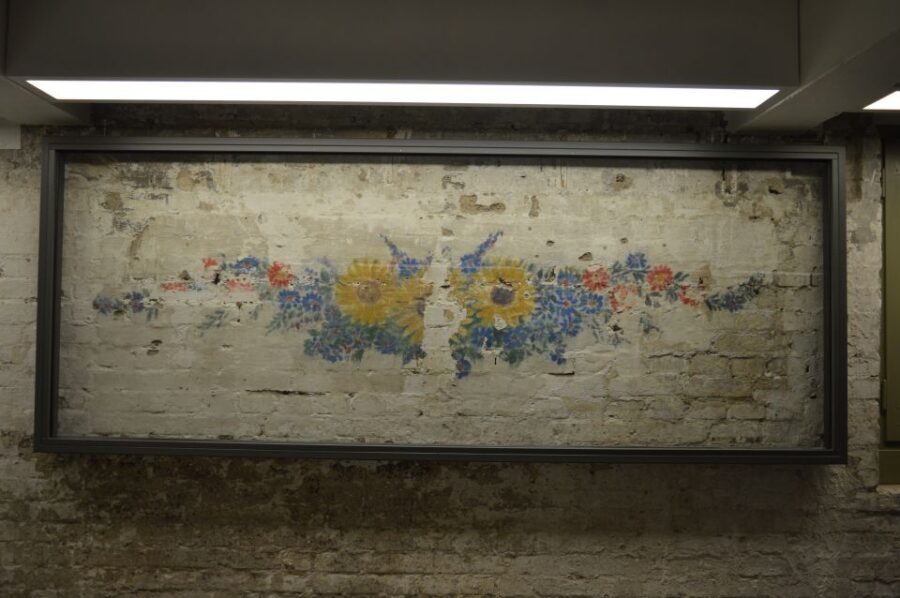
- Private guide with a real moral compass: the tour is educational and touching, not graphic-for-shock.
- Command Headquarters and key camp structures: you’ll see how the camp was organized and run.
- Former prison, gas chamber, and the first crematorium site: the tour connects buildings to decisions and violence.
- Mass burial and memorial spaces: you’ll visit the places dedicated to victims, not just the punishment zones.
- Museum exhibits on Nazi and Soviet operation: you’ll leave with a fuller timeline of what happened there.
- Comfort-focused Berlin transfer: a clean, air-conditioned vehicle reserved for your group helps on a long day.
Getting from Berlin to Sachsenhausen without turning it into a chore
A lot of tours to Sachsenhausen start with a bus ride and end with you feeling rushed. This one solves the first problem: you get picked up from your Berlin accommodation and you go by private, air-conditioned car with your group only. That matters because the day is already emotionally demanding. When transport is smooth, you arrive able to listen.
The drive itself is part of the setup. Even before you reach the memorial, you’re transitioning from Berlin’s normal rhythm into a place created for detention and terror. The private vehicle keeps the tone respectful—no cramming, no waiting around while other groups get shuffled.
You’ll want to treat the meeting time seriously. Arriving on schedule means you’re not cutting into guided time at the memorial grounds. Bring warm clothing, even if Berlin feels mild—conditions can vary around the site, and you’ll be outside during your walk.
You can also read our reviews of more guided tours in Berlin



First stop: Memorial and Museum Sachsenhausen grounds
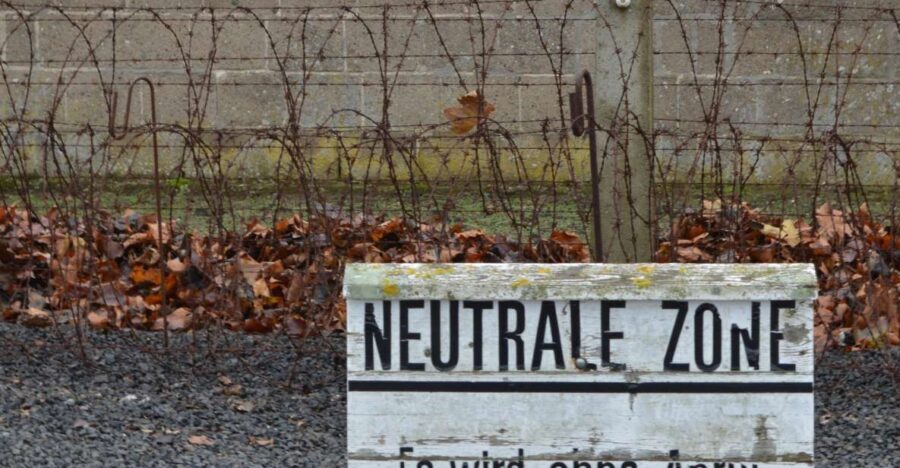
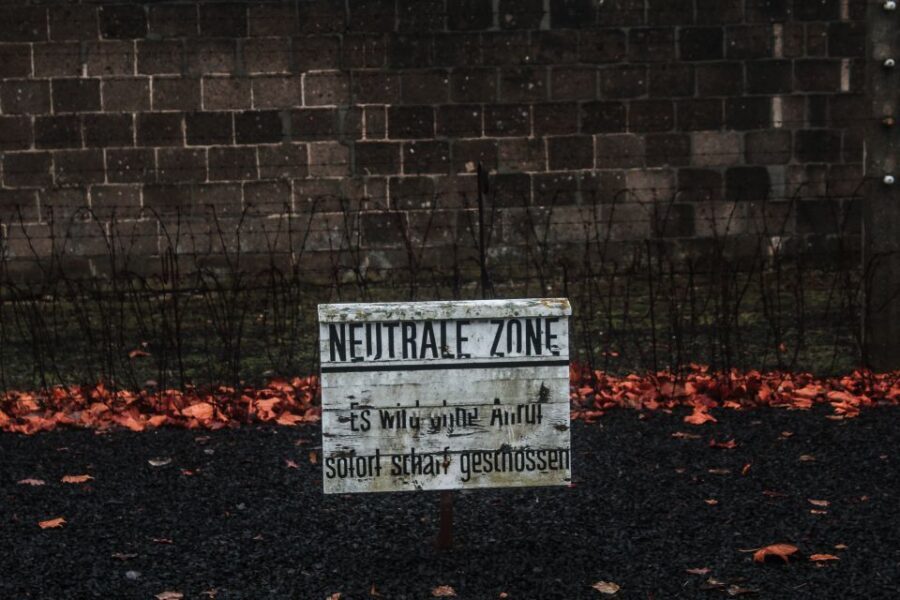
Once you arrive at the Memorial and Museum Sachsenhausen, you join a licensed guide for a private tour of the former camp. The grounds are laid out in a way that makes the camp’s function easier to understand than in photos. You’ll be moving between spaces that represent different aspects of the system: command, confinement, forced labor, killing, and later commemoration.
This is where having a licensed guide really helps. The memorial doesn’t just ask you to look—it guides you to interpret what you’re seeing. You’ll learn about Sachsenhausen as a model and training camp, and why that label matters for the history of the Holocaust and the Nazi war machine. The tour frames the camp as a place where methods were perfected and then used elsewhere.
Also, the tone is structured. You’re not simply collecting facts; you’re building a timeline and a causal chain: Nazi extremism, camp administration, prisoner abuse, mass violence, and what followed after the war. That makes the memorial’s physical layout easier to read.
Command Headquarters: seeing the bureaucracy behind the cruelty
One of the most important early stops is the Command Headquarters. This isn’t a random building to photograph. It’s a window into how terror was coordinated. Standing in the area connected to the command structure makes the camp feel less like chaos and more like an organized system.
Your guide’s job here is to connect architecture to decisions. When you can see where authority sat and where control was exercised, it becomes clearer why the camp operated so efficiently. You’ll also get context for how prisoner abuse and executions were carried out, and how the camp’s routine supported that violence.
A small practical tip: listen closely at the command-area points. It’s easy to treat early stops like orientation. In a place like Sachsenhausen, early orientation helps you understand later stops like the prison areas and the places tied to killing.
Barracks and prisoner confinement: names make the scale real
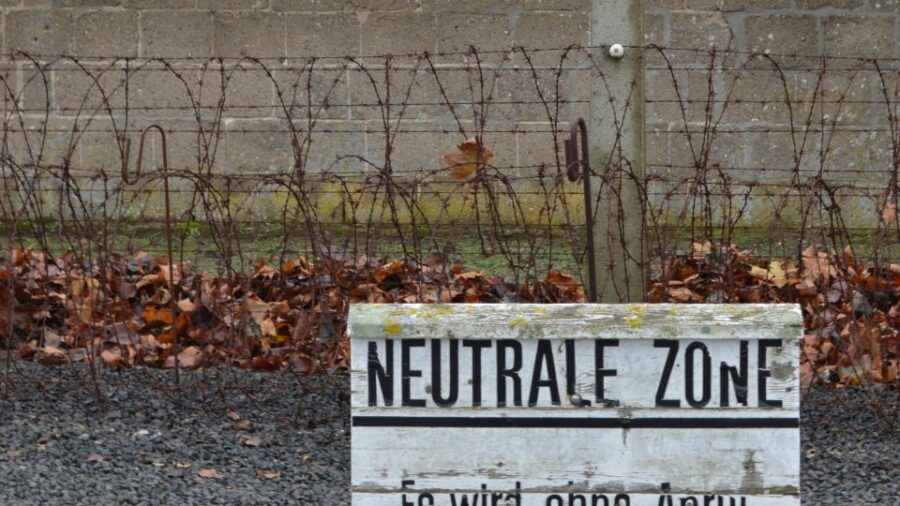
Next comes the prison-side realities—prisoners’ barracks and confinement spaces. Here, the guide’s storytelling shifts from systems to people. You’ll hear about prominent prisoners and victim groups, including named individuals like Joseph Stalin’s oldest son and the penultimate Prime Minister of France, plus family members connected to the Crown Prince of Bavaria.
Just as significant is the list of groups represented on the site: Jehovah’s Witnesses, Soviet POWs, Poles, Jews, Homosexuals, and Freemasons. Hearing these categories in context changes how you interpret what you see. The camp wasn’t only about one nationality or one political view. It was about Nazi ideology and the logic of elimination and forced labor.
You’ll also learn how the camp functioned with slave labor and how abuse was carried out. That’s not an abstract concept on these grounds. You’ll understand it as part of daily administration—something people were processed into, not something that happened only at the end.
The former camp prison, gas chamber, and the first crematorium site
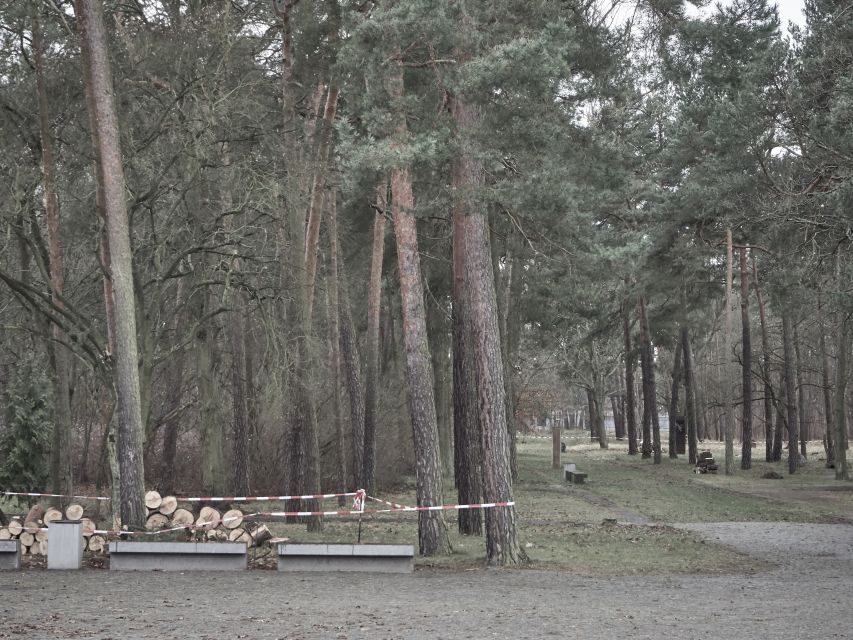
Then you’ll move into spaces that are harder to sit with: the former camp prison, the gas chamber, and the site of the first crematorium. These stops can feel heavy in a physical way, because the buildings and locations are tied directly to executions and the disposal of bodies.
A good guide makes a difference here. In one example from a previous group’s experience, Gunnar was described as compassionate with a difficult subject and expert in Sachsenhausen’s significance and legacy. That kind of approach matters: it keeps the visit respectful, accurate, and anchored in education rather than spectacle.
If you’re planning your day, this is the point where you might want a moment to slow down. Even if the tour keeps moving, you can take one quiet minute mentally between stops. You’re there to understand and remember, not to power through.





Mass burial and memorial spaces: learning the meaning after the violence
After the areas tied to killing and confinement, you’ll also visit the mass graves for concentration camp victims, burial grounds, and several memorials. This portion is crucial because it shifts the focus from the machinery of death to the work of remembering.
This is also where you start to understand how the site functions today. It’s not only about what the camp did during WWII. It’s about the long shadow left by that violence and the responsibility to document it.
You may notice the way the memorial spaces are integrated into the story. You’re not left to guess at what should matter. The tour frames these locations so the act of commemoration isn’t treated as an afterthought.
Museum time: Nazi and Soviet operations side by side

The tour also includes time in the museum exhibits, where you’ll learn about Sachsenhausen’s operations under the Nazis and the Soviets. The exhibits expose how prisoners were tortured and executed, including the war-related context that brought different groups into the camp system.
Seeing both regimes addressed in the same visit helps you understand something many people miss: camps and mass violence didn’t simply stop at Germany’s defeat. What happened at Sachsenhausen carried on through different power structures and purposes. The museum helps you connect those dots while keeping the focus on victim experiences.
This is valuable if you want more than a single WWII narrative. You’ll leave with a fuller picture of cause and consequence—how the ideology and the war created the conditions, and how the camp’s role changed afterward.
Prominent prisoners and victim groups: why the guide’s detail matters
Sachsenhausen is often described in broad strokes: concentration camp, forced labor, executions. What makes this tour stronger is how it fills in those broad strokes with names and categories.
You’ll learn about specific prominent prisoners such as Joseph Stalin’s oldest son, plus the penultimate Prime Minister of France and members tied to the Crown Prince of Bavaria’s family. But just as important is the guide’s attention to groups who were persecuted systematically: Jehovah’s Witnesses, Soviet POWs, Poles, Jews, Homosexuals, and Freemasons.
Why I think that matters for you: facts like these make the camp feel less like a distant historical topic. They also help you understand the Nazi idea that certain people could be classified out of humanity. When the tour layers in different victim groups, it becomes easier to see the pattern.
The compassion factor: how guides handle a place like this
The subject is inherently grim. A great guide doesn’t change that. Instead, they help you face it in a way that’s accurate and human.
In one experience, Silvia was praised for deep knowledge of both the site and the journey there, and for answering questions. That’s the best-case scenario because it means you can ask the things you actually wonder about—like how the camp was organized or how the memorial explains what happened.
You should expect a guide who can hold two goals at once: teach you clearly and treat the topic with care. The tour’s rating reflects that balance, and that’s exactly what you want in a place where emotions can run high.
Duration and pacing: 4 hours can work, if you’re prepared
A 4-hour private tour is a realistic timeframe. It’s long enough to see key areas—command, barracks, prison, gas chamber, crematorium site, mass graves—and still include museum exhibits. It’s also short enough that you’re not stuck for half a day without breaks or context.
The private setup means pacing is smoother than a big group shuffle. You can also usually linger for a moment if you need to. But plan mentally: this is not a “quick photo stop” kind of visit. You’ll be walking and listening, and the emotional weight builds as the tour goes on.
If you’re coming from Berlin, build your schedule so you don’t stack another heavy appointment right after. Even a 4-hour tour can sit in your head for the rest of the day.
Price and value: what you’re paying for at $512 per person
At $512 per person, this isn’t a budget excursion. So the real question is what you get for that money.
You’re paying for:
- Private round-trip car transfer from Berlin with pickup and drop-off at your accommodation
- A licensed guide working in your chosen language
- Free admission to the Sachsenhausen Memorial and Museum
- A private-group experience that avoids crowded bus dynamics
In other words, a big portion of the cost is about control—control over comfort, timing, and the quality of guided attention. If you value privacy and clear explanation in a language you understand well, the price starts to feel more reasonable.
If you’re traveling solo on a tight budget, you might choose a less expensive option. But if you want a calm, focused day—especially one involving difficult history—this layout of time and transport is exactly what you’re buying.
Who this tour suits best
This experience fits you if you:
- want a licensed, language-fluent guide rather than a self-guided visit
- care about understanding how the camp worked, not only that it existed
- prefer private transport so the day doesn’t feel like a rushed logbook task
- are ready to handle heavy subject matter with care and structure
It may not fit you if you’re looking for a light sightseeing day, or if you strongly prefer to avoid sites tied to executions and mass burial. If that’s you, consider whether you want a different format or a longer recovery window afterward.
Should you book the Sachsenhausen Concentration Camp Guided Tour from Berlin?
I’d book it if your priority is a focused, guided education with private comfort. The best value here is the pairing: a licensed guide plus the memorial’s key sites plus museum exhibits, all delivered in a smooth 4-hour window with a private transfer.
If you can’t stand long, emotional days, or you’re unsure how you’ll react to places connected to killing and mass graves, pause and think about your limits first. But if you’re ready for history you can’t ignore—and you want it explained with care—this is a strong choice.
FAQ
FAQ
How long is the Sachsenhausen guided tour from Berlin?
The tour duration is 4 hours.
Do I get pickup from my Berlin accommodation?
Yes. Pickup is included from your accommodation in Berlin, and you’ll also be dropped off afterward.
Is the tour private?
Yes. It’s a private group experience.
Will I enter the Sachsenhausen Memorial and Museum?
Yes. Admission to the Sachsenhausen Memorial and Museum is included.
What will we see on the camp tour?
You’ll visit parts of the former camp such as the Command Headquarters, prisoners’ barracks, the site of the first crematorium, the former camp prison, a gas chamber, and areas connected to mass graves and memorials.
Is a licensed guide included?
Yes. You’ll have a licensed guide fluent in your chosen language.
What languages are available for the guided tour?
The tour language options listed are German, English, French, Italian, Spanish, and Polish.
Is warm clothing recommended?
Yes. Warm clothing is recommended since you’ll be walking outdoors on the site.
What’s the cancellation policy?
Free cancellation is available up to 24 hours in advance for a full refund.