REVIEW · DRESDEN
Dresden: By bike – Dresden in one day
Book on GetYourGuide →Operated by Dresden Information · Bookable on GetYourGuide
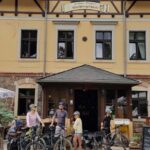
If you like scenery with pedals, this is for you. This self-guided ride lets you explore Dresden and the surrounding highlights at your own pace, using the Elbe cycle path as your backbone.
I especially like that you get a Komoot region package you can keep, plus offline navigation so you’re not stuck hunting for routes. And I love the practical ride setup: a touring bike or e-bike, a handlebar phone mount, a saddle bag for a picnic, and a bottle of still water.
One thing to weigh is that bike quality and included add-ons don’t always feel consistently handled—so I’d plan extra time at pickup and double-check items like the phone mount and Komoot access.
In This Review
- Key Things You’ll Notice Right Away
- What This Ride Really Is (And Why It Works)
- Where You Start: Dresden Information by Neumarkt (Basement Pickup)
- The Bikes and What to Expect From Them
- How Komoot Changes the Whole Day
- Pedaling the Elbe: Royal Gardens, Parks, and Big Views
- Saxon Wine Route Energy: Rolling Days Without Extra Stress
- Pillnitz: The Summer Residence Part of the Story
- Meissen: Porcelain City Feel Without the Detour Pain
- Saxon Switzerland: When You Want a Big Day Outdoors
- What You Actually Receive (So You’re Not Guessing)
- Choosing Your Day Plan: One Day vs Two or Three
- Practical Tips That Make a Real Difference
- Price and Value: Why This Can Be a Good Deal
- Should You Book Dresden by Bike?
- FAQ
- How long is the bike experience valid?
- How much does it cost?
- What kind of bike do I get?
- Are helmets included?
- Is a tour guide included?
- What gear is included for cycling?
- Do I get navigation for routes?
- Where do I pick up the bike?
- Who is this not suitable for?
- What’s the cancellation policy?
Key Things You’ll Notice Right Away
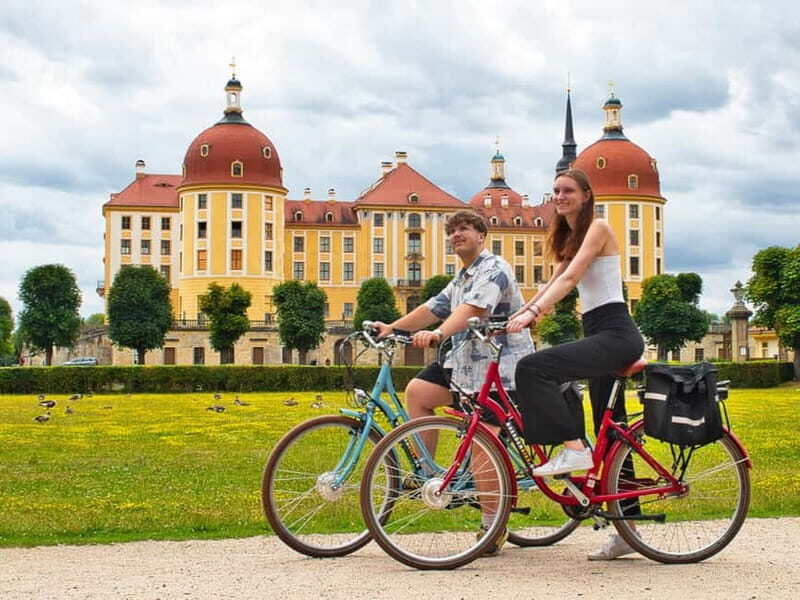
- Elbe cycle path routing for smooth, scenic days in and around Dresden
- Offline Komoot navigation with itineraries and sight notes you can follow without data
- Meissen and Pillnitz reachability via cycling options beyond the city center
- Saxon wine route + parks so the ride feels like part sightseeing, not just transport
- Saddlebag picnic kit with water so you can stop when the view wins
- Bike setup varies by condition, so you’ll want to inspect the bike at pickup
What This Ride Really Is (And Why It Works)

This isn’t a guided “watch me” tour. It’s a map-in-your-pocket cycling plan for exploring Dresden and the region by bike. You choose how far to go each day, and you spend your time riding through the kind of scenery you can’t see from a train window.
The biggest value is how the route ecosystem is built in: the Elbe cycle corridor, baroque and medieval sights near Dresden, and onward connections toward Pillnitz, Meissen, and the dramatic Saxon Switzerland area. When you’re on a bike, you naturally slow down at viewpoints, cross bridges without rushing, and take detours when something grabs your attention.
You’ll also appreciate the “small but helpful” inclusions. That phone holder means your navigation stays stable. The saddle bag plus water means you can do a simple picnic stop without scrambling for supplies. And because you get a Komoot region package, you’re not locked into whatever you happen to find on your phone that day.
Price-wise, this is positioned as a budget-friendly way to get serious sightseeing time. You pay around $20 per person for the bike experience, and the setup includes the core gear plus a Komoot package worth €8.99. If you were renting a bike and paying for navigation separately, the math can look more expensive than it does here.
You can also read our reviews of more cycling tours in Dresden


Where You Start: Dresden Information by Neumarkt (Basement Pickup)
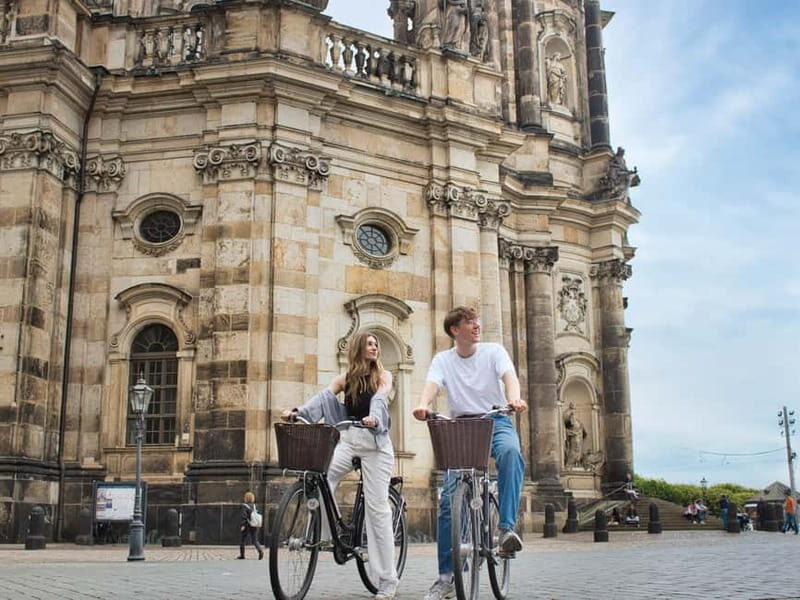
You’ll borrow your bike at Dresden Information, QF-Passage (in the basement), Neumarkt 2. This is central, which matters because Dresden’s best cycling time often starts immediately, before you’ve burned half the day on getting oriented.
The practical tip here: the pickup area is in the basement. That sounds simple, but when you’re on foot with luggage or a tight schedule, it can feel a bit like a maze. One smart approach is to arrive with a few extra minutes, look for the signs for the garage/basement route, and avoid trying to follow “normal” pedestrian queues.
Also note this can be the difference between a smooth start and a stressful one:
- Bring your booking info and be ready to confirm the included items.
- If you want everything that’s advertised—like the Komoot access or phone mount—check early rather than later.
I’ve found bike day goes better when you treat pickup like a mini inspection: tires, brakes, seat height, and that phone mount fit before you roll out.
The Bikes and What to Expect From Them
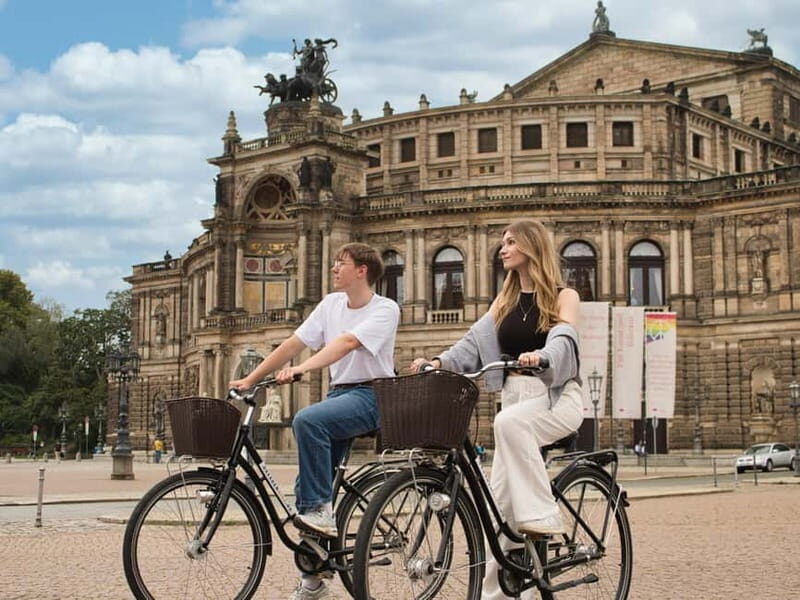
You’ll get a comfortable touring bike or an e-bike. The listing promises a stable day out, and the idea is right: touring-style bikes usually handle city surfaces and longer stretches better than skinny rental bikes.
That said, real-world bike condition can vary. Some people report bikes feeling old or not in great shape, and there’s even a note that an e-bike can feel harder to pedal than expected. So you should do a quick test ride the moment you can—just a few rotations around the pickup area—before you commit to a long ride.
If you’re doing longer stretches, it also makes sense to think like this:
- If you’re comfortable with an athletic ride, a touring bike can be totally fine.
- If you expect frequent hills or longer out-and-backs, an e-bike helps, but only if it’s functioning well.
- Either way, your comfort matters more than the label on the handlebar.
And yes, there’s bike helmet borrowing for €2/day, but helmets aren’t listed as included. If you care about it, plan to borrow one rather than assuming you’ll have it available.
How Komoot Changes the Whole Day
Komoot is doing heavy lifting here, even though you’re riding independently. You receive a Komoot region package worth €8.99, and it gives you access to itineraries, insider tips, and descriptions of sights.
What’s especially helpful is navigation that can work offline. That matters in real life because cell service isn’t guaranteed along riverside paths, in quieter areas, or at the edge of parkland.
You can treat Komoot like your “ride companion” for two tasks:
- Route guidance back and forth so you don’t waste time guessing.
- Sight context so when you stop, you know what you’re looking at.
One more practical note: a few people needed to request certain included elements, like the Komoot app access code and the phone mount, rather than receiving them automatically. So when you pick up the bike, quickly confirm that your phone holder is working and that you can access Komoot right away.
Pedaling the Elbe: Royal Gardens, Parks, and Big Views
The core experience is following the Elbe cycle path. This is the corridor that turns Dresden from a “see in a hurry” city into a “spend real time” city. You get a steady flow of sights and open river views without needing to plan each turn like a full-time job.
Along this ride, you’ll pass:
- Royal gardens and parks, where stopping feels natural because the space invites breaks.
- Baroque palaces and monumental architecture that sit close enough to the route to weave into a bike day.
- Medieval castles in the broader region, depending on how far you stretch your day.
The nice thing about cycling here is timing. You can pick a pace that matches the light. Want a slow morning with photos? You can do that. Prefer to cover more ground before lunch? Also possible.
One caution: because the Elbe path is popular for strolling and sightseeing, you’ll share space at times. Ride like a polite local—signal turns, keep an eye on crossings, and expect occasional pedestrians stepping out of the flow.
A few more Dresden tours and experiences worth a look




Saxon Wine Route Energy: Rolling Days Without Extra Stress
You’re also guided through areas tied to the Saxon wine route. Even if you don’t plan to do a full tasting day, the wine-region routing vibe changes your ride. Instead of feeling like you’re just passing landmarks, you feel like you’re moving through a living cultural zone.
What this means for you:
- More frequent reasons to stop (views, village rhythm, signage).
- A calmer day than a city-only sightseeing plan.
- A mix of scenery styles—parks, river angles, and architectural stops.
I like this approach because it breaks the “Dresden only” loop. You end up with a day that feels like Dresden plus “the way people live around Dresden,” not just the showpieces.
Pillnitz: The Summer Residence Part of the Story
Pillnitz is one of the big cycling targets. It’s where the “river life meets royal life” feeling becomes clearer. On a bike day, Pillnitz works because you’re not only arriving—you’re getting there through scenery.
Expect a change of pace compared with the tighter city core. This is the kind of place where you’ll naturally slow down once you’re there, because you can take your time walking the grounds and checking viewpoints without the stress of timing a bus or train.
If you’re choosing between a city afternoon and a Pillnitz stop, I’d base it on mood:
- If you want gardens and a slower pace, Pillnitz fits.
- If you want maximum architecture density in a shorter time, you’ll probably stay more centered around Dresden.
Meissen: Porcelain City Feel Without the Detour Pain
Meissen adds a totally different flavor. It’s known for porcelain, and even if you don’t go deep into museums, the area’s identity shows up in how you experience the town.
The best part of reaching Meissen by bike is that it feels like a journey, not a box check. You’re cycling through river-country scenery and then arriving with enough energy to explore on foot when you want.
Because the plan is flexible (valid for 1–3 days), you can also adjust. If you only have a single day, you’ll likely treat Meissen as a meaningful part of the arc. If you’re staying longer, you can give it time without feeling rushed.
Practical consideration: when you’re riding farther out, you’ll want to keep an eye on your return timing so you’re not scrambling in the last hour. Komoot navigation helps, but your legs still set the pace.
Saxon Switzerland: When You Want a Big Day Outdoors
The region’s standout is Saxon Switzerland, described as perhaps the most beautiful national park in Germany. The cycling connection matters because it turns “special place” into “reachable with planning,” not “only for a multi-day expedition.”
I’d treat this as your option when you want:
- A nature-heavy day rather than a sightseeing-only day.
- The sense that your ride is part of the adventure.
But keep it honest: national park days can be physically demanding depending on what routes you choose and how much walking you do after parking the bike. Komoot can guide you, but you should also choose a day plan that matches your fitness and your patience for steps.
What You Actually Receive (So You’re Not Guessing)
Here’s what’s included in the experience, in real-world terms:
- A comfortable touring bike or e-bike
- Komoot region package (€8.99) that you keep permanently
- 0.5 l still water
- A handlebar mount for your cell phone
- A bike saddle bag for a picnic
It’s a solid “self-guided day kit.” Not having to hunt for phone setup and not having to solve the picnic question on the fly is real value—especially when you’re trying to move smoothly between sights.
What’s not included is a tour guide. So you won’t have someone explaining things face-to-face. Instead, you’re relying on Komoot’s sight descriptions and your own curiosity. If you like independent travel with light structure, that’s a plus.
Choosing Your Day Plan: One Day vs Two or Three
Because this experience is valid for 1–3 days, you can match it to your energy.
One day works best if you keep it focused:
- Lean on the Elbe cycle path for easy structure.
- Pick either a bigger out-and-back like Meissen or a calmer highlight like Pillnitz, rather than trying to force everything.
Two to three days is where it gets satisfying:
- You can revisit river sections and slow down without feeling you’re “wasting time.”
- You can add more region targets gradually.
- You can adjust for weather—without losing your entire route.
If you’re the type who likes to wake up and decide on the fly, Komoot’s offline navigation gives you the freedom to steer.
Practical Tips That Make a Real Difference
A few small moves will improve your ride day immediately:
- Do an early bike check. Tires, brakes, seat comfort, and especially the e-bike feel if that’s what you chose.
- Test the phone mount right away. If you run into issues, it’s easier to fix at pickup than mid-route.
- Plan for the basement pickup maze. Follow the signs for the garage/basement route and don’t wait until the last second.
- Bring your own picnic mindset. You get a saddle bag, but you might still want to stop for extra food later depending on your day.
- Ride at a pace that lets you stop. The point is not just distance; it’s the sights you can reach between the big stops.
Price and Value: Why This Can Be a Good Deal
At about $20 per person, this is a low-cost way to get structured cycling access plus navigation help. The included Komoot package (€8.99) is a key part of that value. If you already use Komoot or plan to rely on offline routes, it becomes more than a nice extra—it’s a budgeting anchor.
What can reduce value is the variation in bike condition and the chance you might need to request certain advertised items like the Komoot code or phone mount. That’s not a reason to avoid it, but it is a reason to be proactive when you pick up the bike.
So my “value verdict” is simple: it’s a strong deal if you start the day prepared to confirm your setup. If you want everything perfect without any checks, you might feel more stressed here than on a fully staffed tour.
Should You Book Dresden by Bike?
Book it if you want independence with real structure. This ride is best for people who like cycling, enjoy river scenery, and want the freedom to choose your own stops around Dresden, Meissen, Pillnitz, and Saxon Switzerland.
Don’t book it if you’re expecting a guided explanation on the ground. You’ll be using Komoot for sight context, so bring your curiosity (or at least be willing to read on your phone).
If you do book, I’d recommend you go in with a simple checklist mindset: bike condition, Komoot access, phone mount working, and time to find the basement pickup smoothly. Do that, and you’ll likely end up with exactly what this experience is built for—days that feel like part sightseeing, part outdoor adventure.
FAQ
How long is the bike experience valid?
It’s valid for 1–3 days, depending on availability and your starting time.
How much does it cost?
The summary price is about $20 per person.
What kind of bike do I get?
You’ll receive a touring bike or an e-bike.
Are helmets included?
No. You can borrow a bicycle helmet for €2/day.
Is a tour guide included?
No. This experience is self-guided, and a tour guide is not included.
What gear is included for cycling?
You get a handlebar phone mount, a saddle bag for a picnic, and 0.5L of still water.
Do I get navigation for routes?
Yes. You also get a Komoot region package (€8.99) with itineraries, insider tips, sight descriptions, and navigation that can work even offline.
Where do I pick up the bike?
At Dresden Information, QF-Passage (in the basement), Neumarkt 2.
Who is this not suitable for?
It’s not suitable for children under 10, people who can’t ride a bike, and wheelchair users.
What’s the cancellation policy?
You can cancel up to 24 hours in advance for a full refund.