REVIEW · BERLIN
Red Berlin: Secrets of the Communist Capital
Book on GetYourGuide →Operated by Sandemans Tours · Bookable on GetYourGuide
Berlin turns serious fast. This short tour puts the Cold War into walking distance, with real sites tied to the Berlin Wall and East Berlin’s Stasi surveillance. I especially like the way it connects power politics to everyday fear, instead of treating the Wall as just a photo stop.
Two big standouts for me are the chance to see the Palace of Tears area and the crossing points tied to escape attempts, and the story of the Ghost Stations, where trains kept moving but the border still controlled who could pass. One possible drawback: you’ll be on your feet for a full 2 hours and the tour requires an AB transit ticket (a day card is often the easiest fix).
In This Review
- Key things you’ll get from Red Berlin
- Starting at Starbucks Near Brandenburg Gate (and why that matters)
- Four Cold War embassies: why the tour starts with politics
- The Stasi story: surveillance you can understand on a street-level map
- Palace of Tears and Wall crossing points: when the Wall becomes personal
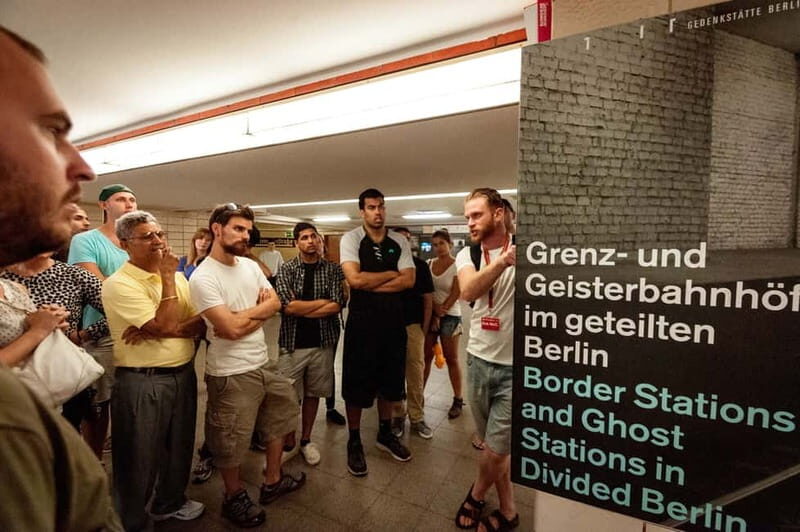
- Ghost Stations: the eerie border logic of trains
- Ostalgie: nostalgia with both tenderness and friction
- How the 2 hours actually works (pace, breaks, and comfort)
- Is $30 good value for a Cold War walk in Berlin?
- Who this tour suits best (and who might want something else)
- Should you book Red Berlin: Secrets of the Communist Capital?
- FAQ
- How long is the Red Berlin walking tour?
- What does the tour cost?
- Where do I meet the guide?
- What’s included in the price?
- What do I need to bring or arrange on my own?
- Is the tour in English?
- Is the tour wheelchair accessible?
- Can I cancel for a full refund?
Key things you’ll get from Red Berlin
- Embassies of four Cold War powers: a compact way to understand how diplomacy played out in divided Berlin
- Palace of Tears crossing points: a powerful stop that reframes the Wall as separation, not just stone
- Stasi and spycraft in plain language: you’ll learn how an enormous surveillance system shaped daily life
- Ghost Stations: the eerie idea of stations you could see but couldn’t freely use
- Ostalgie explained as a complicated feeling: nostalgia for East German life, with both good and bad emotions baked in
Starting at Starbucks Near Brandenburg Gate (and why that matters)
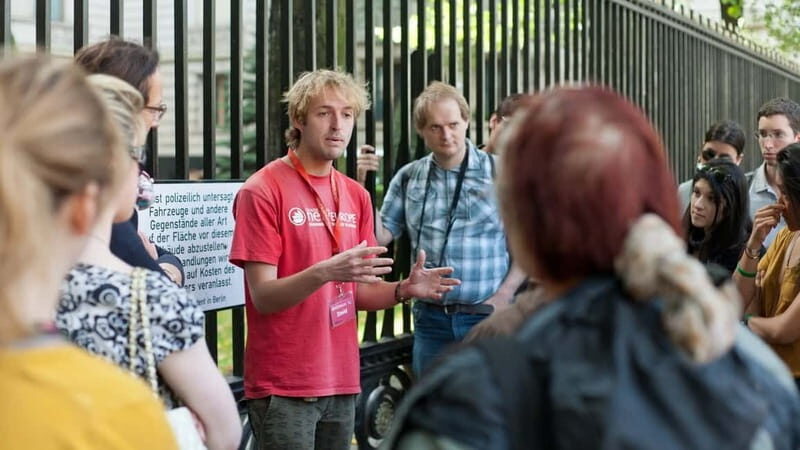
The tour meets at a Starbucks Café near Berlin’s Brandenburg Gate. The guide wears a red umbrella and a red t-shirt, so you won’t have to play guess-the-group. It’s a simple setup, and it’s smart: you start in a central area where Berlin’s reunification story already feels visible, then you walk into the parts of the city that were once the Soviet sector.
You’ll be moving through the former East side of Berlin, in the zone where Cold War tension sat right on top of daily routines. The whole point of the format is that you can grasp the geography with your feet—where power concentrated, where movement was restricted, and why people watched each other.
The tour is 2 hours, and it’s described as a walk with wheelchair access. Still, bring comfortable shoes. Even when the pace isn’t punishing, Berlin pavement can turn short plans into long tired feet.
You can also read our reviews of more tours and experiences in Berlin.


Four Cold War embassies: why the tour starts with politics
One of the tour highlights is visiting the embassies of four Cold War powers. You might think of embassies as calm, official buildings. Here, they work as stage sets. In divided Berlin, those missions were not just offices—they were signals. They represented competing systems, competing narratives, and constant pressure, all wrapped in diplomatic language.
What I like about this approach for you is that it prevents history from floating in the abstract. When you see embassies placed in the city’s space, the Cold War stops sounding like a distant political term and starts looking like something people physically lived alongside.
And because the tour stays focused on Communist East Berlin, it doesn’t turn into a general Berlin history scramble. You’re building one clear line: how two worlds stayed ready for conflict, even as the city kept functioning around them.
The Stasi story: surveillance you can understand on a street-level map
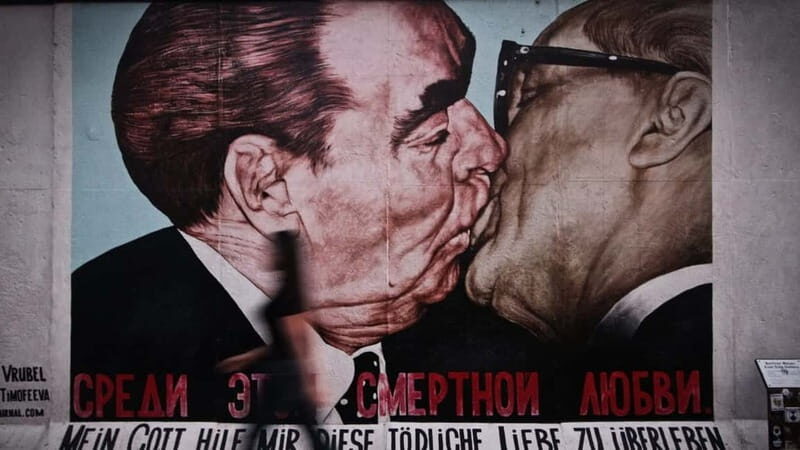
You’ll hear how Berlin sat on the front line of Cold War nerves, and how the Stasi helped keep an entire population under observation. The information provided frames the Stasi as the largest spy network the world has ever seen. That number matters less than the effect it had: when you believe you’re being watched, you change your behavior, your friendships, and sometimes even your plans.
A good thing here is the balance. You’re not only learning what the Stasi did in theory. You’re learning how the system shaped East Berlin life, including the constant sense that risk could show up through everyday actions. That’s why this tour pairs political sites with human context: it helps you connect bricks and borders to real people’s choices.
If you care about how authoritarian control works, this is one of the more direct routes. It also tends to be told with energy by the guides. From past groups, I’ve seen names like Marcel, Dominic (Dom), Ernestine, and Sarah Enright come up, with many guests praising how the stories stay clear and animated.
Palace of Tears and Wall crossing points: when the Wall becomes personal
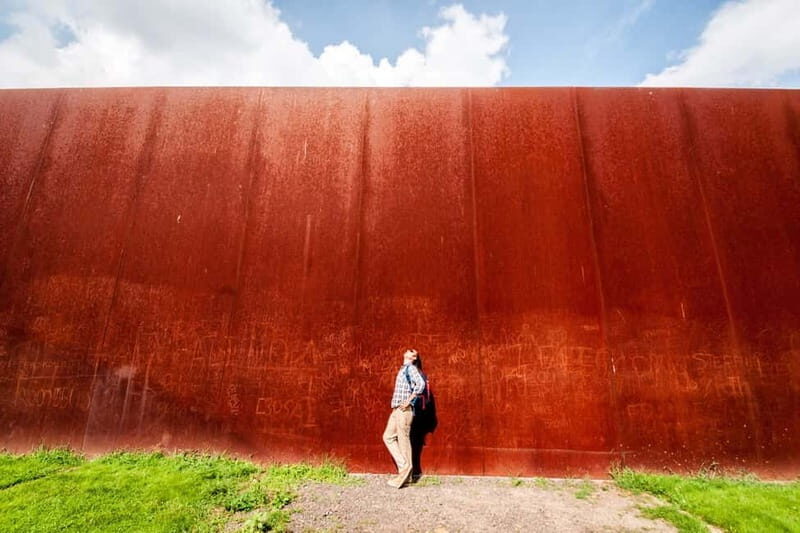
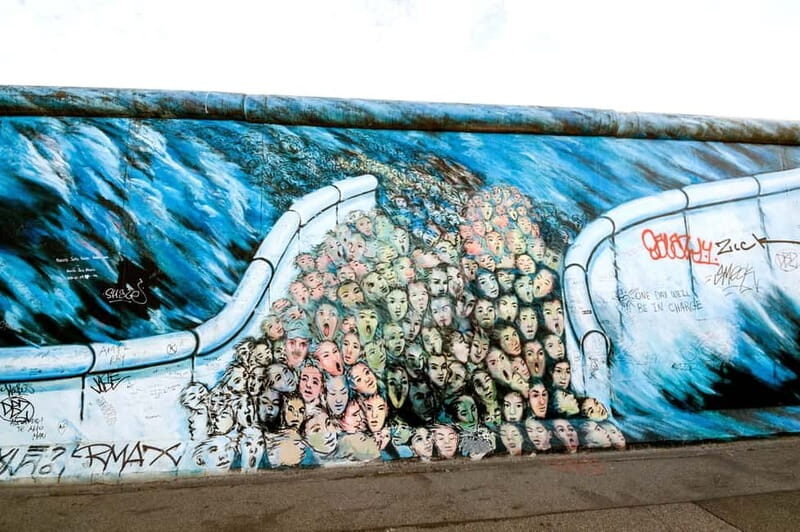
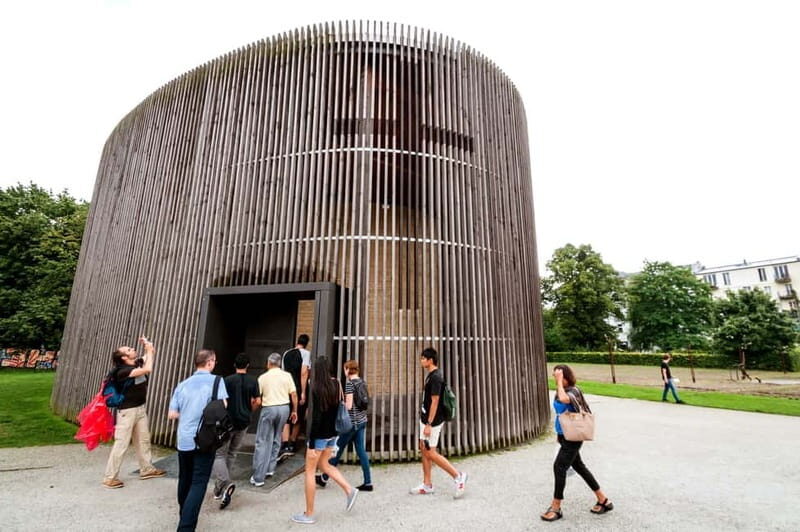
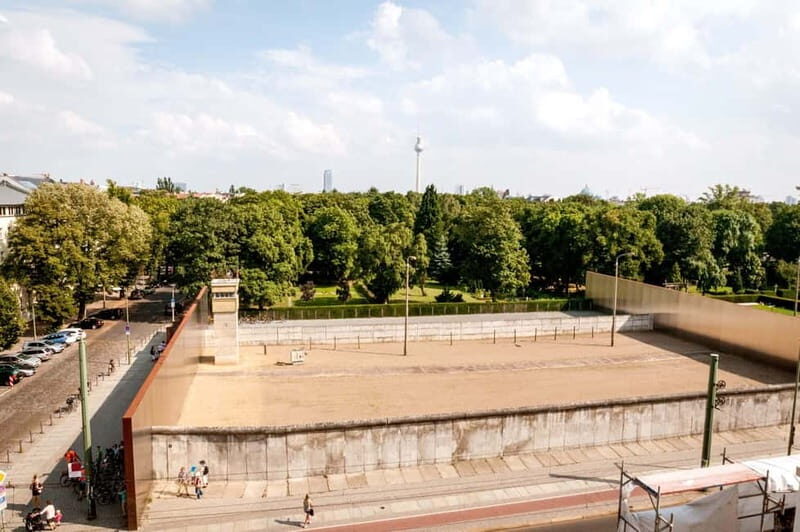
The most emotional part of the tour is built around the Palace of Tears and nearby Berlin Wall crossing points. The name alone tells you this isn’t a casual stop. This is where the Wall shifts from architecture to life events—where separation was official, planned, and enforced.
I like that the tour doesn’t treat the Wall like one object you walk past. It treats it like a system with procedures and consequences. Crossing points matter because they turn a dramatic idea (escape, separation, reunion) into something with steps, rules, and gates.
One practical note: this can be a moving stop, and you may want to plan for a few quiet minutes. Even if your group keeps moving, the tone here is often one of reflection—exactly the kind of moment that makes the rest of the tour click.
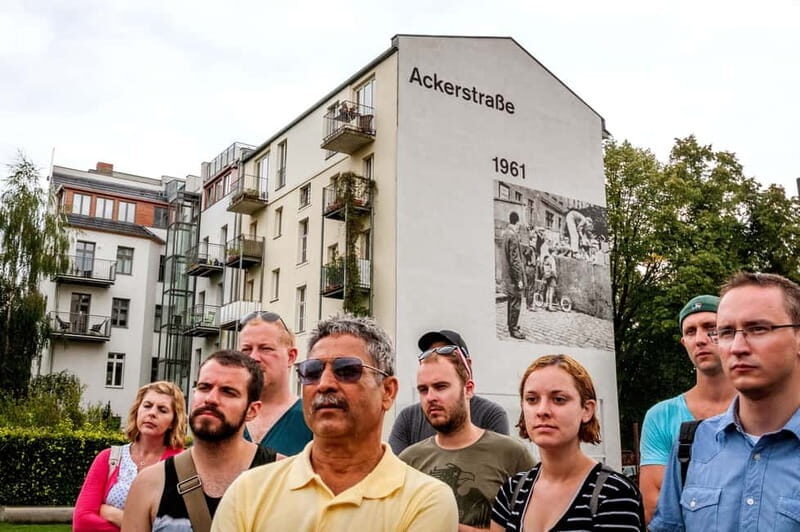
The tour ends at Bernauer Straße, a key Wall-area location where the city’s memory is impossible to miss. For many people, reaching the end point feels like completing the picture: you started near the broader reunification landscape, then you returned to one of the Wall’s most powerful urban reminders.
Ghost Stations: the eerie border logic of trains
Another highlight is the Ghost Stations. This is the idea that a subway stop could exist in the city while still functioning like a warning label. You might be able to see it. You might even pass nearby. But the border rules made it unreachable for many normal movements.
I love this topic for one reason: it shows how division wasn’t only at checkpoints. It was also in infrastructure. Systems like public transit—something you associate with daily routine—became tools of restriction.
During the walk, you’ll connect the Ghost Stations concept to what the tour is already teaching: two worlds on the brink of escalation, with the Wall acting as both barrier and message. That’s what makes this stop more than creepy trivia. It explains the logic of control and the cost of separation.
Also, because Berlin’s light changes fast in winter, you may find end-of-tour photos harder if you’re doing this late in the day. One guest noted that winter darkness affected photo timing. So if you care about photos, go earlier in the day when possible.



Ostalgie: nostalgia with both tenderness and friction
You’ll also learn about Ostalgie, a phenomenon tied to memories of East German life. This part of the tour is valuable because it adds complication. History doesn’t end at the fall of a regime. People carry memories—some proud, some painful, some both at once.
The tour’s framing helps you avoid a simplistic take. You’ll hear about East German life with its positives and negatives, and then you’ll understand why nostalgia can show up even after a political system collapsed. It’s not a permission slip for everything that happened. It’s a reminder that people respond to their own past in messy human ways.
If you’re the kind of traveler who enjoys stories about daily life—not just political events—this segment is worth paying attention to. It also gives you a better read of what you see in Berlin today, where old East imagery still pops up in shops, streets, and conversations.
How the 2 hours actually works (pace, breaks, and comfort)
The tour is listed at 2 hours, and it includes time for lunch. That doesn’t mean you’ll settle into a long meal, but it does mean you won’t be forced to skip food completely. Bring energy snacks if you’re the type who gets hungry fast.
The walk is described as not difficult for at least one past visitor, but you still need to plan for city sidewalks, curb cuts, and weather. Wheelchair accessibility is noted, which is a good sign that the route is designed to be navigable. Still, your best friend here is comfortable shoes.
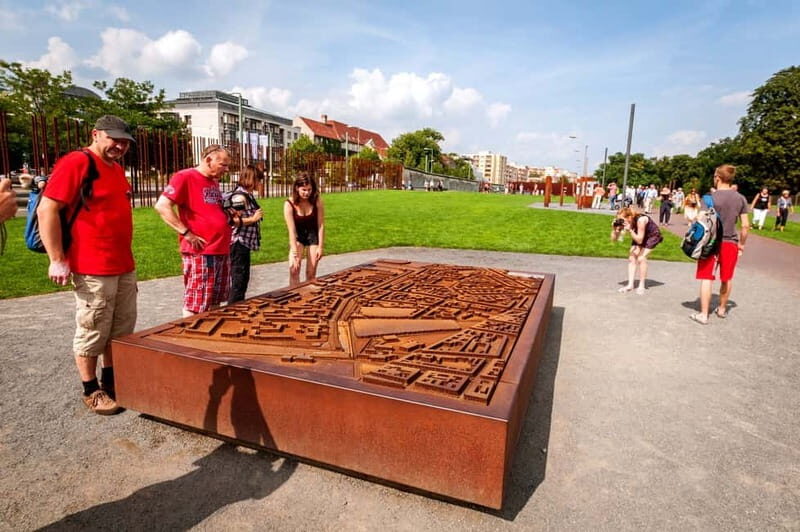
Group energy can also matter. Multiple guides are mentioned across past experiences—people like Sophie, Sam, and Lucy show up in guest comments. The common thread is guides who keep the group engaged with stories, questions, and visual aids (one guest even called out a chalk map on the floor). If that’s your style, you’ll probably enjoy the ride.
Is $30 good value for a Cold War walk in Berlin?
At $30 per person for a 2-hour guided experience, this sits in the “smart spend” category rather than the “big splurge” one. You’re paying for a focused tour of a specific theme: Cold War and Communist East Berlin, with Stasi, Wall crossing points, and Ghost Stations. That kind of concentrated guiding is hard to replicate if you’re trying to stitch the story together on your own.
The tour includes a guided walk of Communist East Berlin and time for lunch. The value gap shows up in what’s not included: you’ll need an AB transit ticket to participate (a day card is recommended), and you’ll handle food and drinks during your break on your own.
So the budget equation is simple:
- You bring the transit pass
- You budget a little for lunch
- You get a tight guided storyline that ties the geography to the psychology of division
If you want maximum return for limited time in Berlin, this kind of tour earns its keep.
Who this tour suits best (and who might want something else)
This tour is a good fit if you:
- want a clear Cold War narrative tied to specific Berlin sites
- care about how control mechanisms like the Stasi affected real daily life
- like walking tours that end at a strong Wall-area memory site
- enjoy guides who connect facts to stories (many named guides received praise for that)
You might consider skipping it if you’re mainly after light sightseeing with minimal political weight. The topic is serious, and the tone can move from satirical moments to tears, depending on the guide’s storytelling choices and what happens during the day.
Should you book Red Berlin: Secrets of the Communist Capital?
If you’re in Berlin for a short window and you want one guided experience that makes the Cold War feel real, I’d say yes. The theme is specific, the duration is manageable, and the stops line up with the city’s most emotionally charged Wall geography plus the behind-the-scenes mechanics of surveillance.
One final buying tip: match the tour to your curiosity. If Stasi spying, the Wall’s crossing logic, and the odd idea of Ghost Stations on public transit make you curious, this is a strong pick. With a 4.5 rating from 118 reviews, it also has enough consistent positive feedback to feel like a safe choice for your time.
FAQ
How long is the Red Berlin walking tour?
The tour lasts 2 hours.
What does the tour cost?
The price is $30 per person.
Where do I meet the guide?
Meet your guide in front of a Starbucks Café near Brandenburg Gate. The guide has a red umbrella and red t-shirt.
What’s included in the price?
It includes a guided tour of Communist East Berlin and time for lunch.
What do I need to bring or arrange on my own?
You’ll need an AB transit ticket (a day card is recommended). You should also bring comfortable shoes. Food and drinks during the break are not included.
Is the tour in English?
Yes, the live tour guide provides the experience in English.
Is the tour wheelchair accessible?
Yes, it is wheelchair accessible.
Can I cancel for a full refund?
Yes. You can cancel up to 24 hours in advance for a full refund.