REVIEW · HAMBURG
Dialogue in the Dark (English Tour)
Book on GetYourGuide →Operated by Dialoghaus Hamburg (Dialogue Impact gGmbH) · Bookable on GetYourGuide
You do not need special effects to get the point. Dialogue in the Dark in Hamburg turns daily life into a lesson in how we see.
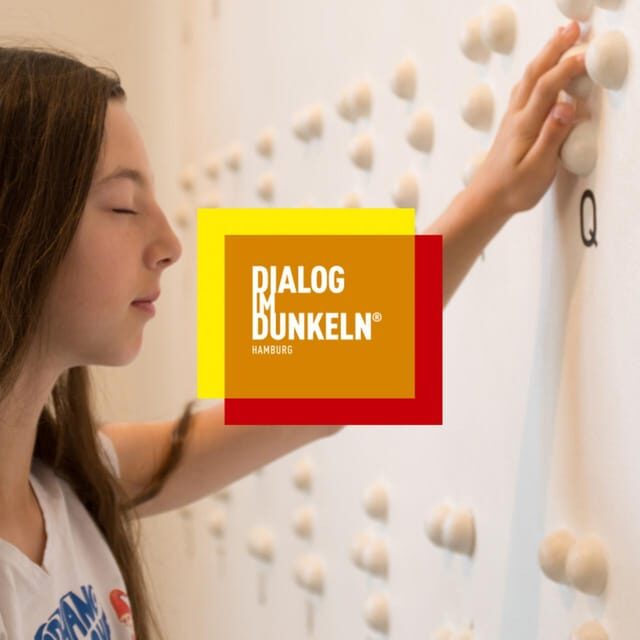
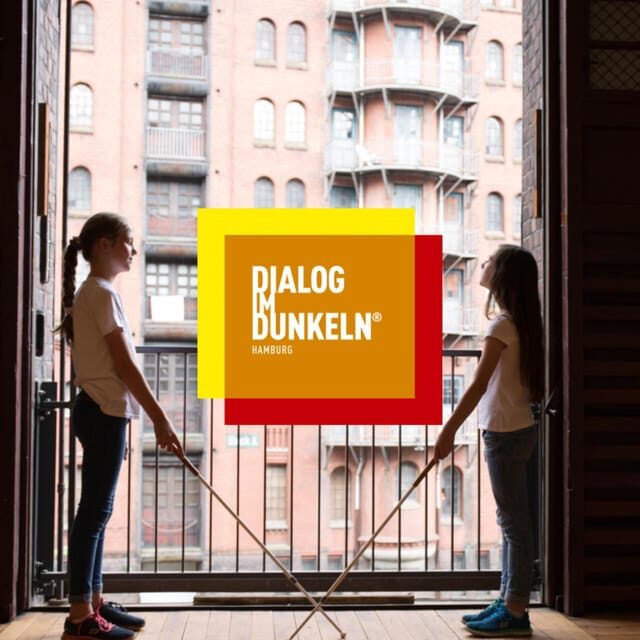
The tour is led by a blind or visually impaired host, and you move through complete darkness with a cane and clear, safety-first coaching. You’ll rely on hearing, touch, and smell in places like a park-like stroll and a city-street crossing, then talk it through at the end.
Two things I really like: it’s a small group experience (up to eight), and the ending at the Dark Bar gives you time to connect what you felt with real-life perspective.
One consideration: the first moments can feel overwhelming if you’re anxious in the dark. The guide’s job is to make you feel steady, but your comfort level matters.
Also, it’s not something you can do on your own. Dialogue in the Dark® is designed as a guided, structured experience.
In This Review
- Key highlights worth centering
- Dialogue in the Dark Hamburg: What the 60 Minutes Actually Feel Like
- Meeting at Dialoghaus Hamburg and Settling In
- Walking Without Sight: The Tour Scenes That Train Your Senses
- The opening: learning how to start moving
- A park-like stroll: gravel, footing, and pace
- A city-street crossing: sound as a guide rail
- Handling objects and shapes: touch becomes your first language
- A simple “buy something” scenario: why everyday tasks feel different
- The blind guide makes or breaks the experience
- The Dark Bar: Where feelings turn into understanding
- Price and value: is $30 for an hour worth it?
- Comfort tips that keep the experience from getting stressful
- Who should book Dialogue in the Dark, and who should pause
- Should you book Dialogue in the Dark?
- FAQ
- How long is the Dialogue in the Dark English tour?
- Is the tour offered in English?
- How many people are in a group?
- What is included in the ticket price?
- Are drinks included at the Dark Bar?
- What should I bring?
- Are flash photos allowed?
- Can I explore Dialogue in the Dark on my own?
Key highlights worth centering
- Complete darkness, guided end-to-end with a blind or visually impaired host
- Up to 8 participants, so you get individual coaching instead of a crowd flow
- Everyday scenes that turn sound and touch into navigation tools
- Cane-assisted movement through spaces you would normally rely on sight for
- Dark Bar reflection time with your group and guide
- English-language tour for a straightforward, low-stress experience
Dialogue in the Dark Hamburg: What the 60 Minutes Actually Feel Like
Dialogue in the Dark is simple on paper: walk through an exhibit in total darkness for about an hour. In practice, it’s a sharp reset for your brain. You step into darkness so complete that normal habits like scanning, spotting landmarks, or reading signs stop working right away. That’s the point.
You’ll be guided through everyday scenarios in a way that forces your attention onto your other senses. Think: the crunch of gravel underfoot during a park-like moment, sounds of a street as you learn how crossing works without sight, and the textures and shapes of objects you would usually glance at. Even small tasks feel different when sight is removed, and that change can land with a surprising amount of emotion.
The experience isn’t staged for fear. It’s designed for safety and learning. You’ll use a blind cane to move around and orient yourself. And instead of racing through “rooms,” you’re doing a guided practice of daily life.
You can also read our reviews of more tours and experiences in Hamburg.



Meeting at Dialoghaus Hamburg and Settling In
Your start is at Dialoghaus Hamburg. Exchange your voucher at the ticket counter before the tour begins. That matters because it gets you into the right flow early, and the staff will set expectations before the lights go out.
Plan on arriving with a clear mind and wearing comfortable shoes. You don’t need hiking boots, but you do need footing you can trust. This is not the time for brand-new shoes that pinch, because you’ll likely be walking around while your body recalibrates.
One small rule with big impact: no flash photography. In complete darkness, cameras with flash can ruin the whole point for everyone, including your guide’s work and the group’s comfort.
Walking Without Sight: The Tour Scenes That Train Your Senses
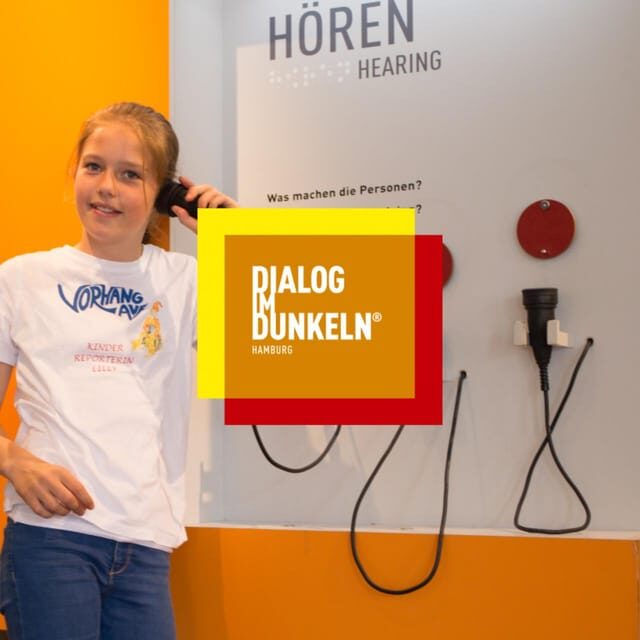
The heart of this experience is guided movement through several everyday environments, all inside complete darkness. You cannot explore this on your own, and you do not get to “figure it out” at your own pace. Instead, your host teaches you how to move and how to stay oriented.
Here’s what the tour experience tends to feel like:
The opening: learning how to start moving
At first, you’ll likely feel a mix of curiosity and uncertainty. That’s normal. Your guide will help you get oriented, often by showing you what to do with the cane and how to listen for cues. The vibe you want is calm and instructional. People do best when they treat it like a guided lesson, not a test.
A park-like stroll: gravel, footing, and pace
One of the most memorable moments described is a stroll where you can feel the crunch of gravel beneath your feet. Without sight, your stride changes. You slow down. You listen with your whole body. Texture becomes information, and pace becomes safety.
This part is valuable because you usually think of walking as automatic. Here, you learn how much of “walking” is actually a sensory loop, not a visual habit.






A city-street crossing: sound as a guide rail
You’ll experience a city-street moment by listening as you cross. You pay attention to how sounds shift and overlap. You start to notice spacing and rhythm in traffic-like noises. It’s not about memorizing directions. It’s about learning how sound carries distance and movement.
You’ll likely realize how much you rely on seeing vehicles, signs, and people before stepping into the world. Without sight, those cues get replaced by sound patterns and your guide’s guidance.
Handling objects and shapes: touch becomes your first language
You’ll feel objects in the dark and learn how touch works when it’s your main source of information. Textures tell you what something is for. Shapes tell you how something fits. Your hands become a scanning tool instead of a grip.
If you’ve ever picked up a tool or fabric without looking and felt how quickly your brain can categorize it, you’ll recognize that ability here, just turned up.
A simple “buy something” scenario: why everyday tasks feel different
Even small life moments like buying something can become surprisingly complex without sight. You’re not just missing sight—you’re also missing the usual way you confirm choices. That’s where empathy kicks in, because you see how independence relies on more than willpower. It relies on systems, guidance, and accessible cues.
The blind guide makes or breaks the experience
A lot of tours rely on the attraction. Dialogue in the Dark relies on the guide. You’ll be led by a blind or visually impaired host, and their role goes beyond walking you from point A to point B.
What you want from the guide is a steady tone: encouraging, specific, and responsive to your group. English tours are live-guided, and people often praise the host for making them comfortable right at the start and keeping instructions clear.
Some guide names you may hear mentioned in connection with English tours include Jeremy, Jens, and Klaus. The names are less important than the pattern: guests consistently note how personal the coaching feels, and how safe they felt because the guide stayed engaged with each participant.
Also, the group size helps. With no more than eight participants, the guide can slow down when someone needs a moment, and you’re more likely to ask questions at the end.
The Dark Bar: Where feelings turn into understanding
After the dark portion, you return to the well-lit foyer and then gather at the Dark Bar for reflection and conversation. This is not filler. It’s the part that helps the experience land in your life back home.
At the Dark Bar, you can share impressions with your group and ask questions of your guide. You’ll probably hear different people interpret the same moment in different ways, which is useful. It shows that the lesson isn’t one-size-fits-all.
And yes, the drink is part of the atmosphere, but drinks are not included in your tour price. Having cash on hand can be helpful if you want to pay for something at the bar. If you’d rather skip alcohol, you can still treat the Dark Bar as the discussion section of the day.
This ending is especially valuable because it gives you a bridge: you go from reacting emotionally in darkness to making sense of what accessibility really means in everyday terms.
Price and value: is $30 for an hour worth it?
$30 per person for a 1-hour guided experience may sound steep if you think of it like a standard attraction. But it’s not priced like a passive museum stop, and it doesn’t feel like one either.
Here’s the value math that matters:
- You’re paying for guided navigation in complete darkness, not just entry.
- The group is small (up to eight), which means the guide’s time and attention are more personal.
- The learning portion includes both the dark course and structured reflection at the Dark Bar.
Also, the effect tends to last. People describe feeling humble afterwards, and that’s often what you pay for with experiences like this: a reset that sticks. You’ll leave with new perspective on what sighted people take for granted, and with a better sense of what daily independence can require.
Timing tip: even though the tour itself is about 60 minutes, you may want to set aside extra time. You’ll want a few minutes after the dark portion to fully decompress, plus the Dark Bar chat can easily stretch beyond the minimum.
Comfort tips that keep the experience from getting stressful
You can do this tour with confidence if you prep just a little.
Comfort-first footwear: Comfortable shoes are recommended. Choose laces you can trust or shoes with a stable sole. If you’re worried about blisters, address that now.
Calm your phone habits: No flash photography, and your phone can distract you from listening and feeling cues. If you bring it, keep it out of the moment.
Expect emotions in the first section: Many people find the first few minutes of total darkness overwhelming, even if they’re excited. That doesn’t mean you chose the wrong activity. It usually means your brain is doing the work of switching modes, and the guide helps you through it.
Let the guide set pace: If your guide asks you to slow down, do it. In darkness, speed feels normal to your body even when your balance and orientation need time.
Who should book Dialogue in the Dark, and who should pause
This experience works best if you want a real shift in perspective and you’re okay not controlling every detail.
You’ll probably love it if you:
- enjoy hands-on experiences where your senses lead the way
- want to understand disability from the inside, without turning it into a lecture
- like guided activities with clear instructions
- want a short, high-impact stop while you’re in Hamburg
You might pause if you:
- get very anxious in dark settings
- have trouble following guidance in unfamiliar sensory conditions
- are bringing very young kids and worry they may find the darkness scary
The key is that the guide’s goal is to make you feel safe. Still, your personal comfort level is part of the equation.
Should you book Dialogue in the Dark?
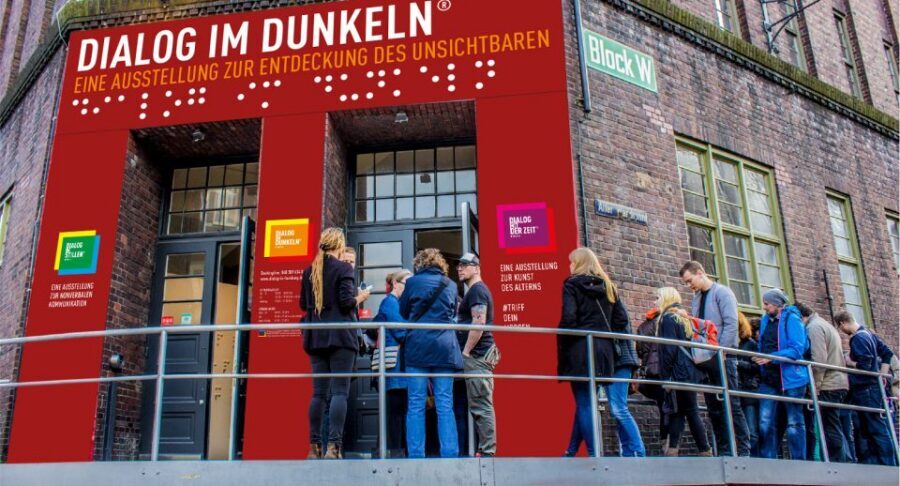
If you want one short experience in Hamburg that blends practical learning with genuine empathy, Dialogue in the Dark is a strong choice. It’s rated 4.9 and has a large number of solid confirmations, which suggests people consistently leave feeling moved and respected by the format.
Book it if you’re open-minded and you want something more than sightseeing. You’ll walk away thinking about daily independence in a more grounded way, because you felt what it’s like when sight is removed.
Skip it or reconsider if you know total darkness spikes your anxiety. And if you’re on the fence, the best compromise is to go in with comfortable shoes, a flexible mindset, and a willingness to follow your guide’s pace rather than rushing the experience.
FAQ
How long is the Dialogue in the Dark English tour?
The tour duration is 1 hour.
Is the tour offered in English?
Yes, the live tour guide speaks English.
How many people are in a group?
The group is limited to no more than 8 participants.
What is included in the ticket price?
Your ticket includes entrance to Dialogue House (Dialoghaus Hamburg) and a guided tour.
Are drinks included at the Dark Bar?
No. Drinks are not included.
What should I bring?
Comfortable shoes are recommended.
Are flash photos allowed?
Flash photography is not allowed.
Can I explore Dialogue in the Dark on my own?
No. Dialogue in the Dark® is an experiential exhibition in complete darkness which you cannot explore on your own.