REVIEW · BONN
Bonn: Private Guided Walking Tour
Book on GetYourGuide →Operated by Travmonde OÜ · Bookable on GetYourGuide
Bonn’s Old Town tells its story on every corner. This private guided walking tour is a fast, friendly way to connect the dots between Roman beginnings, the Rhine’s role, and the people who shaped Bonn into Germany’s former capital. You’ll walk through the sights most visitors chase, but with the kind of context that makes them click.
I especially like the focus on two big anchors: Beethoven and Bonn Minster. You’ll see Beethoven’s birthplace and house, plus the Beethoven Monument, and then jump into the Minster’s long timeline, including major events tied to the cathedral’s history. The guide’s explanations also land well for mixed groups, from kids to adults.
The only real drawback is the pacing: at 90 minutes, you’ll cover a lot, but there’s limited time to slow down and linger. If you’re the type who wants to read every plaque and take lots of detours, you might feel slightly rushed.
In This Review
- Key highlights in quick hits
- Bonn’s Old Town works so well on foot
- Meeting in the right spot and how the 90 minutes flow
- Roman roots and the Rhine: getting Bonn’s layout in your head
- Electoral Palace and the power of the Electors era
- Bonn Minster: 800 years, two coronations, and the Black Death
- Beethoven House, birthplace, and the monument stop
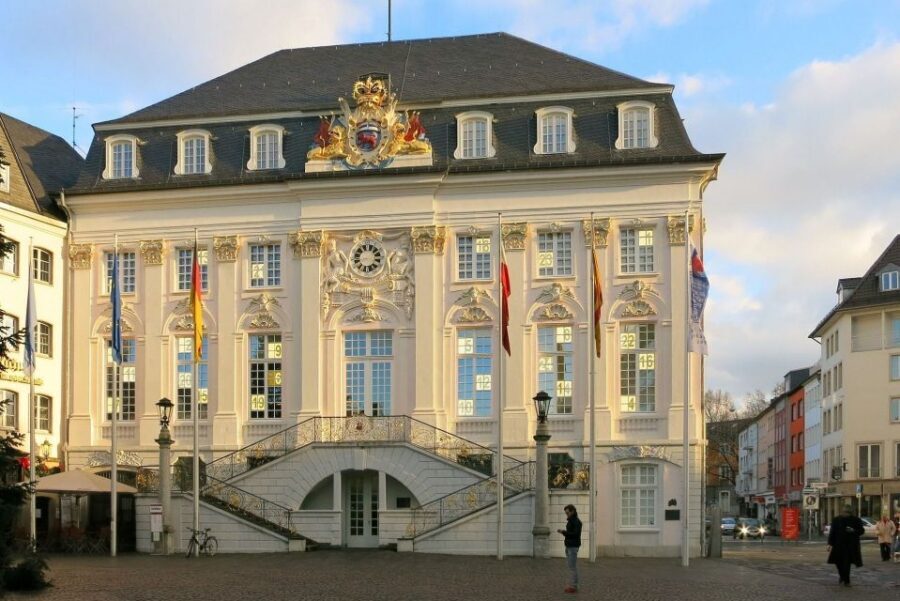
- Old Town Hall: civic Bonn beyond the big names
- Sieben Mountains views and why timing matters
- Price and group size: what you’re really paying for
- Who this walking tour suits best (and who might want something else)
- Should you book this Bonn private walking tour?
- FAQ
- How long is the private guided walking tour?
- Where do I meet the guide?
- Is this tour private, or will I join strangers?
- What’s included in the price?
- Are entrance fees included?
- What languages are the guides available in?
- How does cancellation work?
Key highlights in quick hits
- Private group with your own guide for a more personal rhythm and better Q&A
- Beethoven House and birthplace area plus the Beethoven Monument for a full hometown feeling
- Bonn Minster’s 800-ish years of stories, including coronations and the era of Black Death witch trials
- Electoral Palace views and Electors-era power, a key chapter in how Bonn worked as a capital
- Old Town Hall stop to balance the cultural stops with civic Bonn
- Rhine + Old Town layout so you understand why the city is split and how you’re walking through it
Bonn’s Old Town works so well on foot
Bonn feels made for walking once you get your bearings. The Old Town is compact enough to cover important landmarks in 90 minutes, and the Rhine is always there in the background, shaping how the city developed.
What makes this tour worthwhile is how it turns sightseeing into understanding. Instead of a list of monuments, you get a story arc: early settlement in Roman times, Bonn’s rise under the Electors, and then the more modern identity tied to its most famous son.
If you like your city tours to feel human—more like talking with a smart local than following a script—this one fits that style.
You can also read our reviews of more walking tours in Bonn

Meeting in the right spot and how the 90 minutes flow
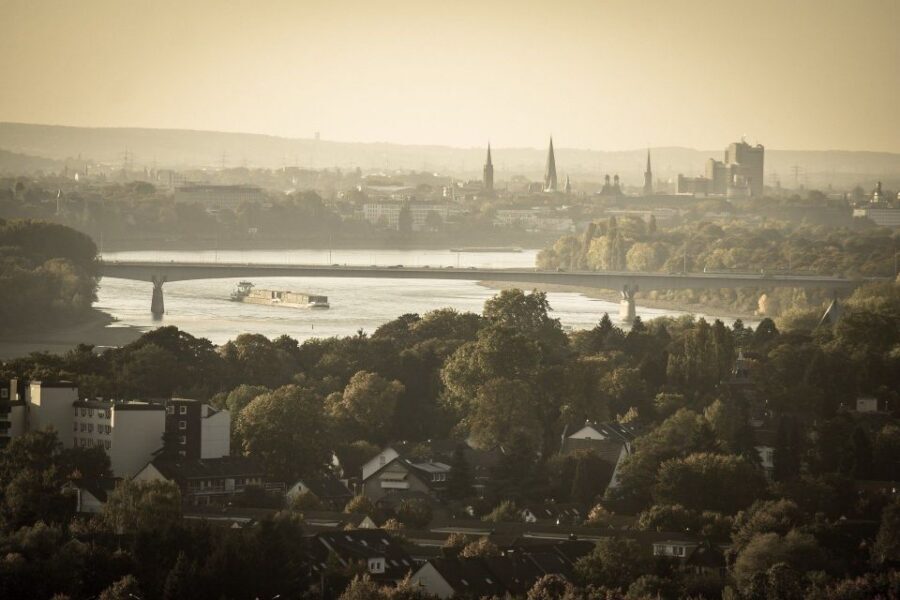
You meet your guide in front of the tourist office. That simple meeting point matters because it gets you walking quickly, without hunting for a starting location or losing time to train-track logistics.
The tour runs about 90 minutes, with enough time to see the major stops and still have room for questions. In my view, the sweet spot is just long enough to connect the highlights—short enough that you can still go do an extra museum, coffee, or river stroll afterward.
One practical note: wear comfortable shoes. You’re moving through historic streets where surfaces can be uneven, and the timing is built for steady walking.
Roman roots and the Rhine: getting Bonn’s layout in your head
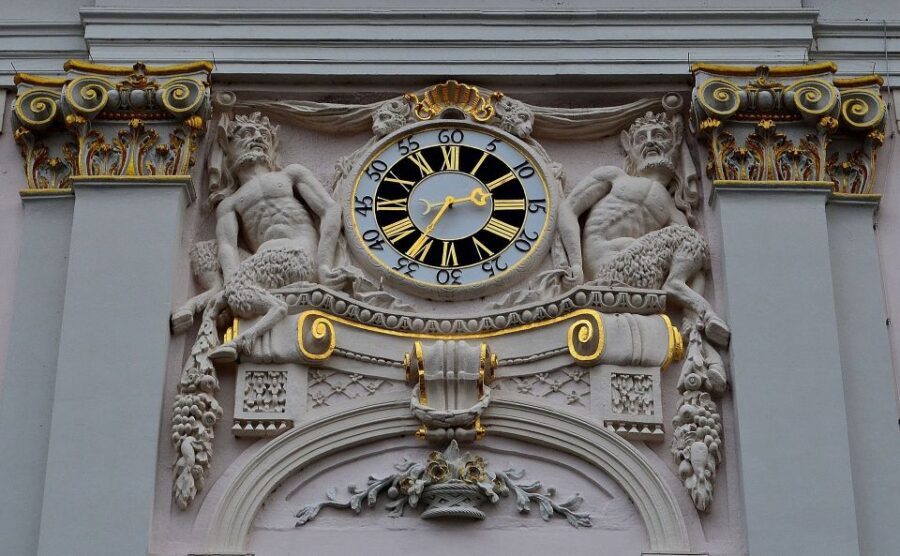
You start with the big picture: Bonn’s founding in Roman times and how the Rhine influenced where the city grew. Even if you’ve seen lots of “Roman ruins” elsewhere, this kind of grounding helps you read Bonn as a living city, not a theme park.
You’ll also get the sense of Bonn’s structure—how it’s split in two by the Rhine river. That matters because it changes how you’ll perceive the distances between landmarks and why certain buildings feel like they belong to the city’s power center.
For me, that early orientation is the difference between admiring buildings and actually understanding what you’re looking at.
Electoral Palace and the power of the Electors era
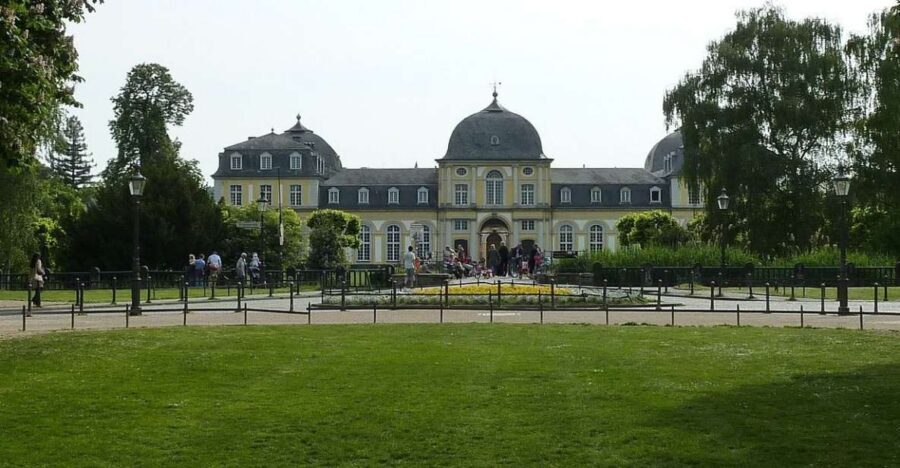
As you walk, one of the first big impressions is the Electoral Palace area and the monuments tied to the times of the Electors. These stops aren’t just pretty facades; they help explain how Bonn functioned as a former capital and why the city’s architecture carries weight.
The guide’s job here is to translate “old buildings” into “old systems.” When you learn what the Electors were and why their presence mattered, the scale and placement of structures makes more sense. You’re not just snapping a photo—you’re seeing why someone would build that there.
This is a good section for anyone who enjoys political history but doesn’t want a textbook lecture. The story comes through while you’re standing in front of the real context.
Bonn Minster: 800 years, two coronations, and the Black Death
Bonn Minster is a centerpiece for a reason. You’ll see it and hear about its almost 800-year-old history, which gives you a timeline anchor for the rest of what you learn during the walk.
One of the most interesting parts is how the tour connects big historical moments to the same place. You’ll learn about the two coronations that took place at Bonn Minster—events that explain why the cathedral wasn’t only about faith, but also about authority and public life.
Then the tour doesn’t stay comfortable. You’ll also hear about witch burnings during the time of the Black Death. It’s heavy material, but it helps you understand how fear, disease, and power shaped European life in ways that still show up in local history.
I like that the tour doesn’t treat the Minster as a single “great view.” It’s shown as a witness to changing eras—ceremony, catastrophe, and the long aftermath.
You can also read our reviews of more guided tours in Bonn

Beethoven House, birthplace, and the monument stop
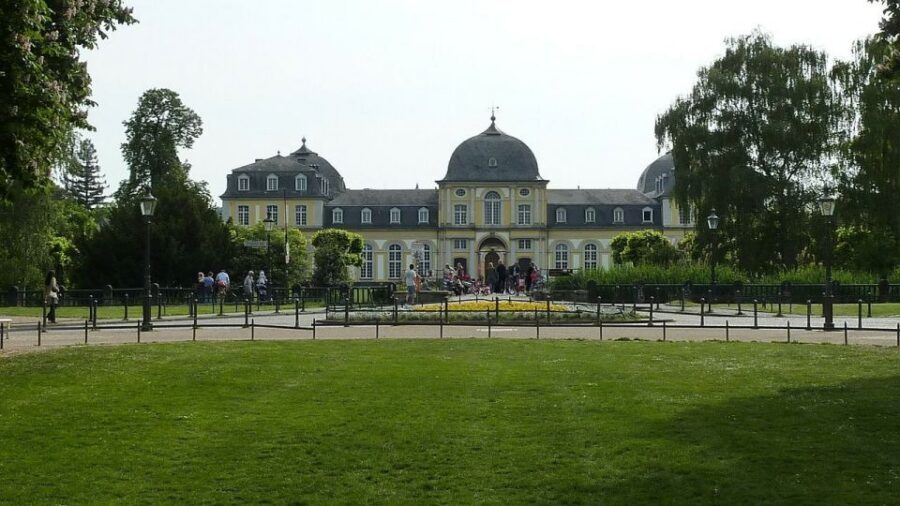
If Beethoven is why you’re in Bonn, you’ll be satisfied here. You’ll pass by his birthplace and house and also see the Beethoven Monument as you work through the Old Town.
What works well is that you’re not just getting location-based facts. Your guide connects the hometown setting to Beethoven’s life and compositions, which makes the stops feel more meaningful. When you understand how a place can shape an artist, the buildings stop being random landmarks.
I also like that the tour handles Beethoven in a way that fits the walking pace. You don’t get stuck in one spot too long, but you still learn enough to make the experience feel more than a quick photo run.
Old Town Hall: civic Bonn beyond the big names
Beethoven and the cathedral grab attention, but the tour also includes a stop at the Old Town Hall. That’s a smart balance because it shifts you from culture and religion to the city’s everyday governance.
Civic buildings are easy to overlook when a tour is framed around famous people. Here, the Old Town Hall adds context: it reminds you that Bonn wasn’t only a stage for coronations and composers. It was also a place where decisions were made, and public life moved forward.
If you care about how cities actually worked, this stop gives you that extra layer.
Sieben Mountains views and why timing matters
You may also get views of the Sieben mountains in the distance. It’s a small moment, but it helps break up the dense streets and makes you feel the geography of the region beyond the immediate historic core.
This kind of sightline is useful because it changes your perspective. After you spend time with buildings that symbolize centuries, seeing the distance reminds you that history sits inside a real living landscape—weather, movement, and everyday routines included.
A tip that’s worth taking: if you’re traveling during a busy event period, be ready for crowds. One guide approach that showed up in feedback is adjusting the route to reduce stress and avoid the busiest areas, so your walk stays enjoyable.
Price and group size: what you’re really paying for
This tour costs $276 per group up to 15 and runs about 90 minutes. That pricing structure changes the math: you’re not paying per person in the usual sense, you’re paying for a guide and a private experience for your group size.
So what’s the value?
- If you’re traveling with friends or family, the cost per person can look very reasonable compared with multiple separate tickets or individual guides.
- You get a private guide who can steer the conversation. In the feedback, the tour experience clearly benefited from tailoring to the group’s interests and energy level.
- It’s short enough to fit into a day without swallowing half your trip budget or your itinerary.
The main consideration is simply whether you’ll use the private format. If you’re solo and happy with a larger group tour, you might find alternatives cheaper. But if you want control over pace, questions, and interests, this format tends to justify itself.
Who this walking tour suits best (and who might want something else)
This is a great fit if you want:
- a focused Old Town walk with major Bonn landmarks
- a guide who can explain history clearly in English or German
- a mix of cultural highlights (Beethoven) and big historic themes (Bonn Minster, coronations, Black Death era)
It also seems to work well for mixed-age groups. In one example, the guide adjusted pace for a wide age range and managed attention needs without turning it into chaos.
If you’re the kind of traveler who only wants a quick hit of photos, you may feel the tour spends some time on context rather than maximizing the number of stops. If you’re hoping for a deep museum day, a 90-minute walk won’t replace that—but it will give you a stronger foundation before you go deeper on your own.
Should you book this Bonn private walking tour?
Yes—if your goal is to leave Bonn feeling like you actually understand it. This tour’s strength is the way it ties famous sights to stories you can carry with you. You’ll see the highlights (Beethoven birthplace area, Beethoven Monument, Bonn Minster, Old Town Hall, Electoral Palace connections), but you’ll also learn how they connect to Roman-era beginnings, Electors-era power, and the cathedral’s major events.
Book it if you value a private guide and want the flexibility to ask questions and adjust pacing. Consider it less essential if you’re purely in grab-and-go mode, since the 90 minutes are designed for coverage, not long stays.
FAQ
How long is the private guided walking tour?
It lasts about 90 minutes.
Where do I meet the guide?
Meet your guide in front of the tourist office.
Is this tour private, or will I join strangers?
It’s a private group tour exclusive to you and your group.
What’s included in the price?
The tour includes a private walking tour and your guide.
Are entrance fees included?
No, entrance fees are not included.
What languages are the guides available in?
Guides can speak German and English.
How does cancellation work?
You can cancel up to 24 hours in advance for a full refund.
If you want, tell me your travel dates and whether you’re traveling solo or with a group, and I’ll help you think through the best time to start your walk and how to pair it with nearby plans.