REVIEW · BONN
Bonn: Former Government District Private Tour
Book on GetYourGuide →Operated by Rheinland Guide · Bookable on GetYourGuide
This area has serious “how Germany reinvented itself” energy. The Bonn former government district tour turns a handful of landmarks into a clear story arc, from the Koenig Museum start to the UN campus corner-store vibe. I especially like how the guide mixes straight history with good humor, and how you get real orientation fast by moving from one key decision-making space to the next. One thing to consider: this is mostly outdoors, and you’ll walk between stops—so it helps to dress for weather and pace yourself.
The route is built for people who want the big picture without spending the whole day reading plaques. You’ll spend time around the former government core—think Adenauerallee, the Konrad-Adenauer memorial, and the Bundeskanzlerplatz area—then wrap up near the Bundesbüdchen checkpoint feel. If you need kid-friendly content, this one is not set up for that (it’s not suitable for children under 16).
In This Review
- Key points to know before you go
- Why the Bonn Republic district feels different on foot
- From Museum Koenig to UN Plaza: the route you’ll walk (and why it makes sense)
- Adenauerallee to Bundeskanzlerplatz: how the memorials and key sites connect
- The UN Campus corner-store moment: Bonn after power, but still in the same streets
- Villa Hammerschmidt and Palais Schaumburg: reading buildings you can only view from the outside
- Bundesbüdchen: why the tour ends at a checkpoint vibe
- What you’ll actually see in 90 minutes (and what you shouldn’t expect)
- Price and value: is $117 per group up to 2 worth it?
- Who should book this private Bonn Republic district tour
- Should you book this Bonn former government district private tour?
- FAQ
- Where does the tour start?
- How long is the tour?
- Is this a private tour?
- How many people is the group limited to?
- What language is the live guide?
- Is the tour mostly inside or outside?
- What are some of the key landmarks you will see?
- Where does the tour end?
- Is the tour suitable for children?
- What should I bring?
- Is cancellation possible?
Key points to know before you go
- Private group up to 2: you’re not squeezed into a crowd, and your guide can slow down for questions.
- Adenauer monument focus: you’re guided right where Konrad Adenauer’s legacy is physically marked.
- A “see it, then understand it” route: the tour flows from old government spaces toward the UN campus area.
- Outdoor-first pacing: you’ll mainly be outside, with only a short indoor glimpse at the Koenig Museum.
- Guide quality matters here: past tours highlight humor plus solid command of post-war Germany.
Why the Bonn Republic district feels different on foot
Bonn can be a tricky place to “get” quickly. Berlin gets the headlines. But Bonn mattered—especially in the post-war years—when West Germany’s leadership and institutions were building a new political identity. That’s the core idea of this private tour: you don’t just look at buildings, you learn how the city’s layout and landmarks connect to power, communications, and diplomacy.
I like that the pacing is designed for understanding, not just sightseeing. You move in a loop that starts at Museum Koenig, then tracks through corridors linked to leadership and media, and finally lands you at the UN-side atmosphere near United Nations Plaza. It’s a smart way to build a mental map.
And the guide quality is a big part of why it works. People consistently point to the same strengths: humor, clear explanations, and a strong grasp of the day-to-day realities of post-war Germany. Even when the weather isn’t friendly, the tour stays lively because you’re never left staring at stone without context.
The one caution is simple: this is a 90-minute, mostly-outdoor walk. If you’re the type who wants long indoor time, you may wish you had more museum hours. But if you want the story tied to streets and spaces, you’re in the right place.
You can also read our reviews of more private tours in Bonn
From Museum Koenig to UN Plaza: the route you’ll walk (and why it makes sense)
The tour begins right in front of Museum Koenig. From there, you get an initial guided introduction and a short look into the museum’s luminous hall area from the foyer, so you’re not locked out of indoor viewing entirely. The point isn’t to turn this into a full museum day. It’s more like a starting “orientation moment” before you go outside and start reading the architecture around you.
Then you head out on foot along key thoroughfares. Adenauerallee is one of the main threads here. This is where the city’s political “plumbing” becomes visible: leadership buildings, public institutions, and the kind of planned visibility that makes the political district function.
As you continue, the route bends toward the Federal Press Office area, heading toward what’s now United Nations Plaza. That transition is the story in motion. You’re literally shifting from a former national government zone toward a more international diplomatic landscape. It’s a helpful way to understand how Bonn’s role evolved without needing a long lecture.
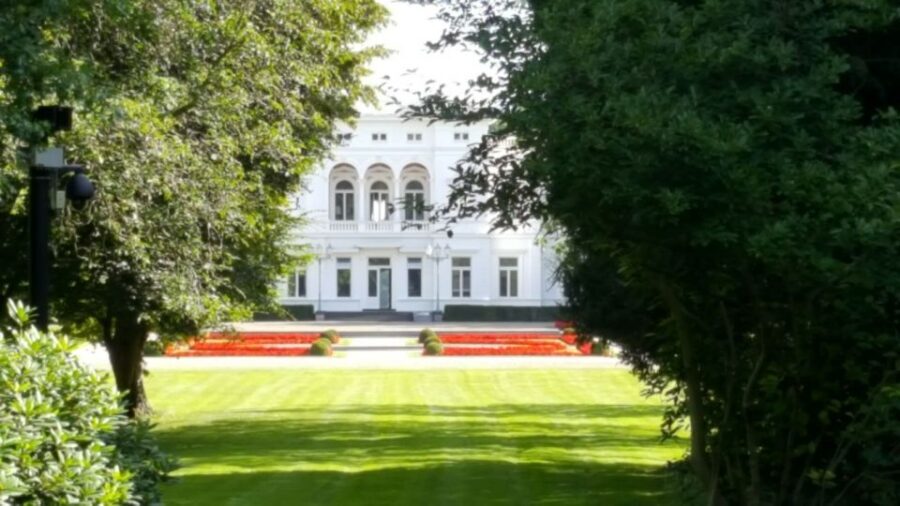
You’ll also get distant views of structures that add perspective to what you’re seeing up close. From the right angles you can take in Villa Hammerschmidt, Palais Schaumburg, and even the former Federal Chancellery. On top of that, you’ll notice the House of History and later-era skyscrapers like “Langer Eugen” and the Post Tower—markers that the city didn’t freeze in time. It kept changing, and the skyline shows that shift clearly.
One more practical point: there’s a short subway/metro segment near the end (you’ll see it after the Bundesbüdchen stop). So even though it’s an outdoor tour, you aren’t stuck doing every meter on foot.
Adenauerallee to Bundeskanzlerplatz: how the memorials and key sites connect
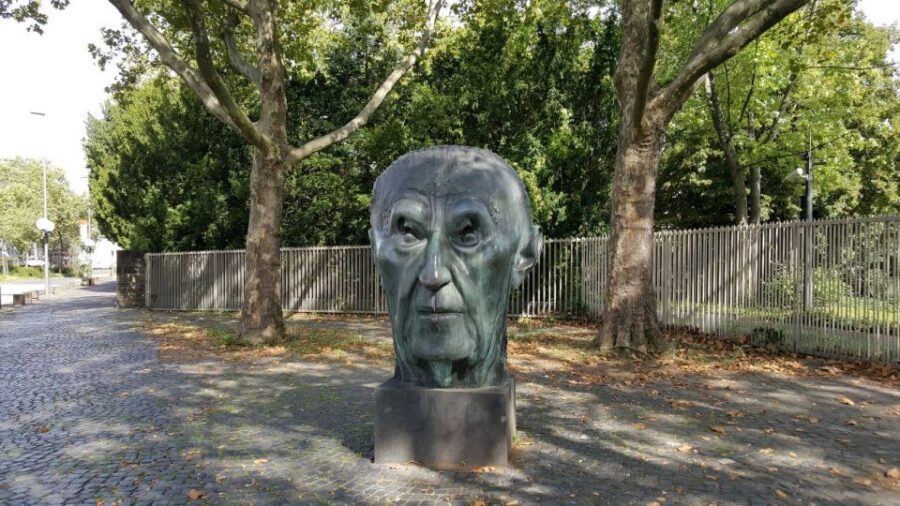
If you’re curious about West German leadership symbolism, this part is the heart of the tour. The guide brings you to the Konrad-Adenauer-Denkmal and the area around Bundeskanzlerplatz. This isn’t just a quick stop for photos—it’s treated like a landmark you can actually “read.”
Adenauer is woven into the way Bonn’s governmental identity formed in the post-war era. Seeing the memorial area with a guide helps you connect the statue and setting to what it represented at the time: legitimacy, continuity, and a new start after the rupture of World War II.
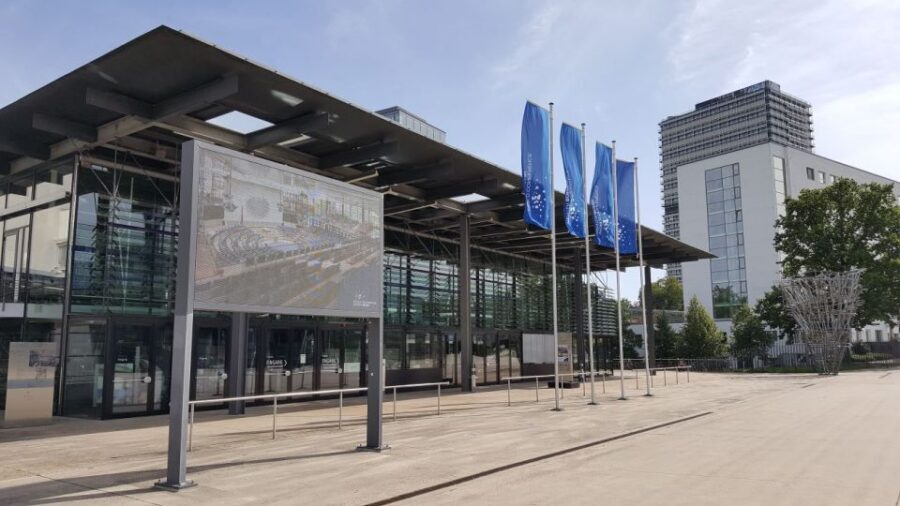
What I like here is that you’re not handed one dramatic viewpoint and left on your own. You’re guided with a sequence of nearby structures and sight lines, so your brain starts to understand where decisions were shaped and communicated. You’ll also pass by spaces linked to parliamentary activity—like the Plenarsaal area—so you can sense how different branches of government occupied the district.
This is also where your guide’s humor can really matter. Political history can turn into dry facts fast. On this tour, the tone is more human: you get explanations with personality, which makes the timeline stick. People highlight how much they learned about the working reality of post-war Germany, not just the official slogans.
The UN Campus corner-store moment: Bonn after power, but still in the same streets
One surprisingly memorable piece of this tour is the stop-outlook toward the UN Campus, including the original corner store concept. It sounds small, but it’s exactly the kind of detail that makes a district feel real. Institutions don’t live in a vacuum. Even in places tied to international diplomacy, daily life still shows up in the corners.
The guide brings you through the Federal Press Office direction and toward today’s United Nations Plaza. That’s a meaningful shift: you’re moving from national governance signals to a later international identity. If you’ve ever wondered how a city changes without completely losing its “power geography,” this is the part that answers it.
In practical terms, it’s also a good time in the tour to check your bearings. By now you’ve seen the political axes and memorial anchors. The UN-side area helps you understand why those same streets and institutions remain relevant—just under a different role.
Villa Hammerschmidt and Palais Schaumburg: reading buildings you can only view from the outside
A lot of the stops here are pass-by moments: Villa Hammerschmidt, Palais Schaumburg, and other key buildings. That’s fine, because in Bonn’s former government district, sight lines and positioning matter. You’re meant to learn what you can see from the street, not to expect inside access everywhere.
You’ll get guided pass-by time that helps you understand what each location represented in the broader system—who it served, why it mattered, and what the setting implies about power and privacy. Even when you’re only seeing the exterior, it’s easier to interpret when someone explains what to look for: the neighborhood scale, the relationship to nearby institutional buildings, and the way the district was designed to function.
The same logic applies to view points along the route. There’s a specific viewpoint segment in the itinerary, and it’s there for a reason: you need a wider frame to connect the dots between monuments, government spaces, and the later skyline.
If you hate “quick looks,” you might wish some of these were longer. But for most people, the outside viewing works because the guide keeps the focus on meaning, not on architectural trivia.

Bundesbüdchen: why the tour ends at a checkpoint vibe
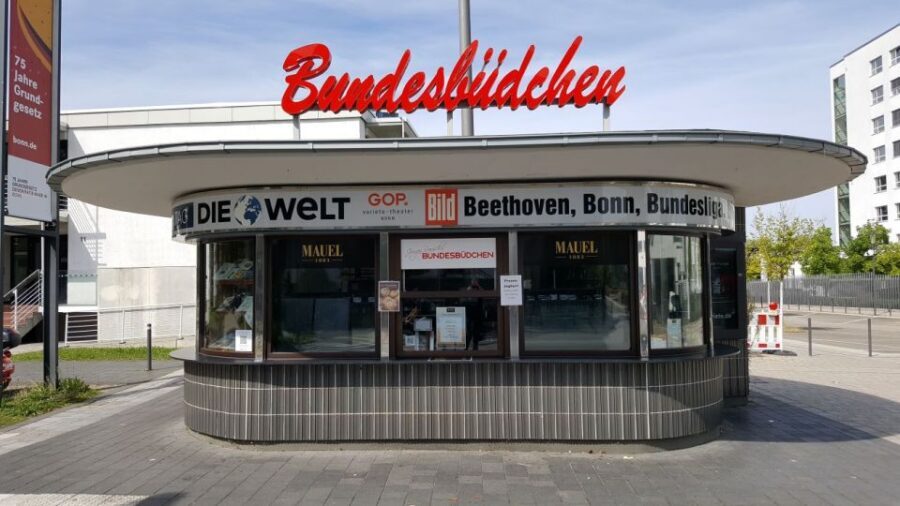
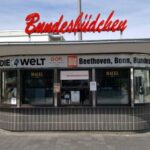
The finish is one of those “only in Germany” touches: the Bundesbüdchen checkpoint area, where the tour culminates. It’s not a random souvenir stop. It’s a functional ending point—almost like the guide’s way of turning the weight of the Bonn Republic story into something light and human.
You’ll spend a short guided visit at Bundesbüdchen, and then you’ll move toward the return connection by subway/metro. Ending here gives the tour a rhythm: you started at a museum orientation, moved through leadership and press-linked spaces, and finished with a community-scale marker that feels approachable.
I like this ending because it prevents the “history hangover.” By the time you reach this checkpoint-feel location, you’ve already learned the major landmarks and the district’s story flow. Now you can absorb it without feeling trapped in solemn monuments.
What you’ll actually see in 90 minutes (and what you shouldn’t expect)
This is a short tour, so it’s not trying to cover every single Bonn institutional site. Instead, it targets key nodes that help you build a working map: Museum Koenig to start, Adenauerallee and the Federal Press Office corridor, Konrad-Adenauer-Denkmal and Bundeskanzlerplatz, Plenarsaal and nearby government-linked areas, plus view cues toward the UN campus and later skyline elements like “Langer Eugen” and the Post Tower.
Expect mostly outdoor walking. The only indoor element is a brief look into the Koenig Museum’s luminous hall from the foyer. That’s useful if you want a quick change of pace, but don’t plan this like a long museum visit.
Also, this tour is only suitable for ages 16 and up. If you’re traveling as a family with younger kids, you’ll need a different option.
Price and value: is $117 per group up to 2 worth it?
At $117 per group for up to 2 people, this is priced for couples, close friends, or solo travelers who want a small-group feel. The value comes from three things you can actually measure:
First, it’s private. You get a guide dedicated to your group, not a “follow the herd” situation. That matters in a district like this, where small changes in position can change what you understand.
Second, you get professional guidance in German. If you’re comfortable with German (or you’re traveling with someone who is), that’s a real value factor because you’re not losing meaning in translation.
Third, the tour covers multiple high-impact landmarks in a compact timeframe. Even if you only remember a few images afterward—like the Adenauer monument area, the UN plaza direction, and the Bundesbüdchen ending—you’ll still have a clearer sense of how Bonn functioned when it was West Germany’s capital.
If you’re traveling solo, your per-person cost might feel high compared with standard group tours, but you’re paying for the speed and focus of a private guide.
Who should book this private Bonn Republic district tour
This tour fits best if you:
- Want a fast, guided map of Bonn’s former government district rather than random landmark hopping.
- Like history that’s tied to streets, not only museum walls.
- Prefer a private setup where you can ask questions without time pressure from a big group.
- Can handle an outdoor-first walk for 90 minutes.
It’s also a solid choice if you’re the kind of traveler who appreciates tone. The strong guide feedback points to humor plus expertise, which helps this subject stay lively instead of heavy.
If you’re mainly looking for deep museum time, or if you need lots of indoor stops, this may not be the best fit.
Should you book this Bonn former government district private tour?
I’d book it if you want a guided, coherent picture of the Bonn Republic era without stretching your day. The route is efficient: Museum Koenig start, Adenauer-linked government spaces, the UN plaza direction, and a friendly finish at Bundesbüdchen. That structure helps you learn quickly and remember what you saw.
Skip it if you hate outdoor walking or you’re bringing kids under 16. And if you need a long museum experience, you’ll likely want to pair this with extra time on your own rather than treat it as your only stop.
If your goal is to understand Bonn’s former political heartbeat, this private tour is one of the smarter ways to do it in a short window.
FAQ
Where does the tour start?
The meeting point is in front of Museum Koenig.
How long is the tour?
The duration is 90 minutes.
Is this a private tour?
Yes. It’s a private group tour, exclusive for your group.
How many people is the group limited to?
It’s priced for a group up to 2 people.
What language is the live guide?
The live tour guide is German.
Is the tour mostly inside or outside?
It’s mainly an outdoor experience. There is a brief indoor look into the Koenig Museum from its foyer, but most of the tour is outdoors.
What are some of the key landmarks you will see?
You’ll see or get views of the Museum Koenig area, the Konrad-Adenauer/Denkmal and Bundeskanzlerplatz area, the UN Campus/United Nations Plaza area (including the original corner store), and sights like Villa Hammerschmidt, Palais Schaumburg, and former Federal Chancellery from the route. You’ll also encounter the House of History and skyline elements such as “Langer Eugen” and the Post Tower.
Where does the tour end?
The tour culminates at Bundesbüdchen (Bundesstadt Bonn).
Is the tour suitable for children?
No. It’s not suitable for children under 16.
What should I bring?
You should bring comfortable clothes.
Is cancellation possible?
Yes. Free cancellation is available up to 24 hours in advance for a full refund.