REVIEW · BERLIN
Berlin: Deutschlandmuseum – Flexible Entrance Ticket
Book on GetYourGuide →Operated by Deutschlandmuseum · Bookable on GetYourGuide
Two thousand years of German history in one place. At Deutschlandmuseum in Berlin, I love the way the museum uses detailed historical stagings plus interactive media to make big turning points feel graspable, from the Battle of Varus all the way to the 2006 summer fairy tale. One thing to keep in mind: it can feel more visual and story-driven than strictly academic, so if you’re hunting for deep scholarly detail, adjust your expectations.
What also worked for me is the flow. You’re not stuck waiting around—there’s a separate entrance and no line pressure—so you can actually enjoy your time instead of watching a queue creep forward. And since the ticket is valid for 1 day with flexible appearance, you can fit it into a real Berlin day, not a rigid schedule.
If you like history that’s explained in plain language and presented through scenes you can actually picture, this is a fun stop. Just note that one drawback pops up in the feedback: at busy moments, it may feel a bit crowded, and crowded museums don’t always pair well with slow, comfortable reading.
In This Review
- Key things to know before you go
- Deutschlandmuseum Berlin: a playful timeline that still feels grounded
- What you’ll see: twelve German eras, from Varus to 2006
- How the interactive scenes help you understand (and remember) more
- A one-day ticket that works with a real Berlin schedule
- Where the “fun” factor comes from—and how to get it
- Price and value: is $30 a fair deal?
- Who should book this flexible Deutschlandmuseum ticket?
- Practical visit tips so you get more out of the day
- Should you book the Deutschlandmuseum flexible entrance ticket?
- FAQ
- How long can I spend at Deutschlandmuseum with this ticket?
- Do I need to pre-register for an entrance time?
- Will I have to wait in line?
- Is Deutschlandmuseum wheelchair accessible?
- Can I get a full refund if I cancel?
- What is the price for the ticket?
- What history does the museum cover?
Key things to know before you go
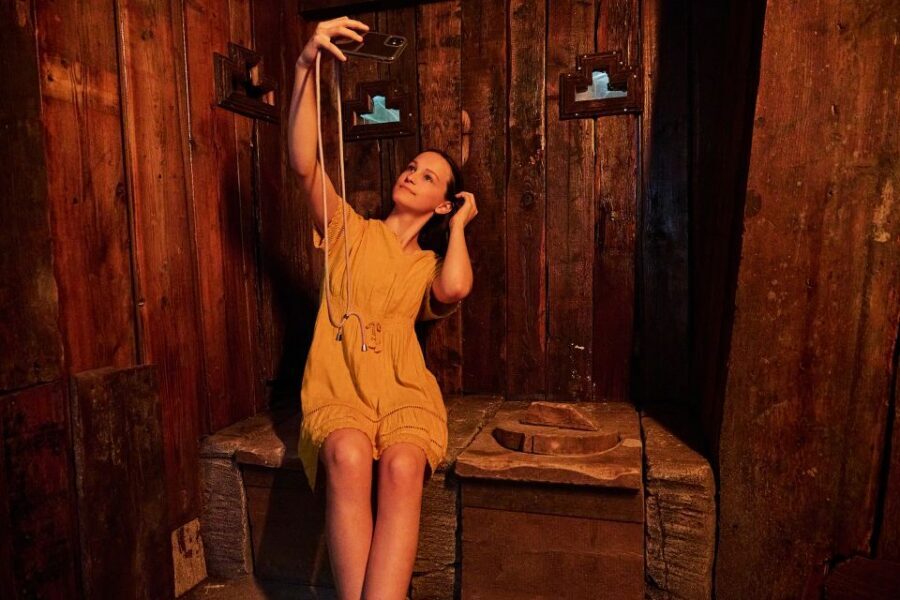
- A 12-era structure that connects major turning points across roughly 2,000 years of German history
- Period exhibits paired with interactive media, so you’re not just reading panels
- Two-story feel (station-to-station pacing): plan to spend real time at multiple scenes, not just a quick sweep
- No waiting in line via a separate entrance, which helps a lot when you’re tight on time
- Family-friendly atmosphere, with history explained in an easier way for kids
- Value at $30 if you want memorable scenes and variety more than academic depth
Deutschlandmuseum Berlin: a playful timeline that still feels grounded

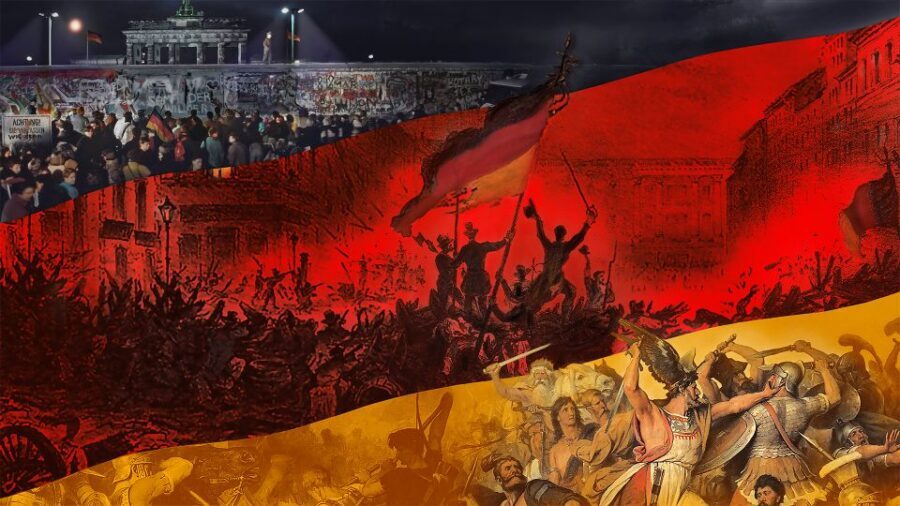
Deutschlandmuseum is built around one simple idea: history should be experienced, not just collected. Instead of treating German history like a wall of dates, it presents a chain of turning points across twelve eras, each with detailed staging and supporting exhibits from the time period.
I like museums that don’t make you work too hard to get oriented, and this one does that. You walk through scenes that help you picture what life looked like and what changed. It’s a big topic—roughly 2,000 years—but the presentation is designed to keep the story moving without drowning you in complexity.
You should also know the style. The museum is very intentionally hands-on and interactive in its presentation. One person’s verdict was basically: not super deep historically, but very clear, interesting, and varied. That pretty much sums up what you’ll feel. You’re likely to leave with a better sense of the timeline and major shifts, even if you don’t come out with a historian’s level of nuance.
A few more Berlin tours and experiences worth a look



What you’ll see: twelve German eras, from Varus to 2006
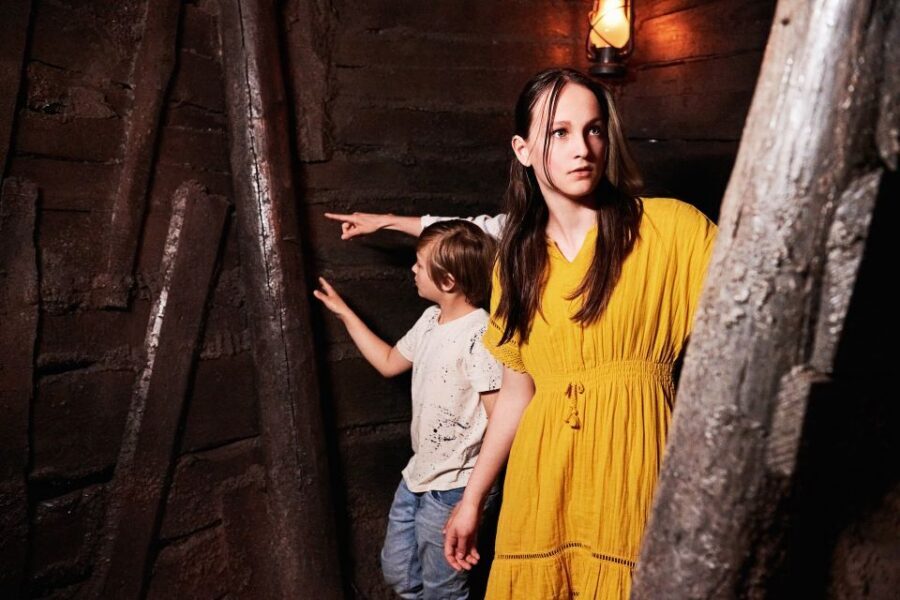
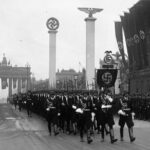
The core promise is straightforward: you’ll see historical turning points from twelve eras, laid out as interactive scenes. The museum highlights moments starting with the Battle of Varus and running to the 2006 summer fairy tale—a pretty wide span, so you’re going to move across centuries quickly.
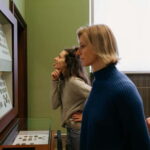
Here’s the key thing to understand before you go: each scene isn’t just a backdrop. It comes with period-appropriate exhibits, plus interactive components. So when you’re standing in a staging of an era’s turning point, you’re also seeing related artifacts or objects meant to match that time—and you’re given ways to engage beyond passive reading.
Because the eras cover such different contexts, the variety matters. One of the strongest compliments in the feedback was that the museum is interesting and varied, not a monotonous sequence. That makes a big difference in a museum like this, because long history displays can start to blur together. Here, the “new scene, new setup, new interaction” rhythm helps keep attention from slipping.
How the interactive scenes help you understand (and remember) more

History museums often fail in one of two ways: either they overwhelm you with facts, or they turn into a set of disconnected snapshots. Deutschlandmuseum tries a different approach: it uses staging plus period exhibits plus interactive media to connect the dots.
That blend is the secret sauce. Visual staging helps you understand the setting fast. Period exhibits reinforce what you’re seeing, so the scene doesn’t float off on pure imagination. Then interactive media gives you something to do—an extra layer of engagement that encourages you to slow down just a bit and process what the museum wants you to notice.
I also appreciate the plain-language feel implied by the feedback. One note called out that history is explained easily. Even without getting into technical detail, being able to understand what you’re looking at is what makes a museum visit feel worth your time.
One possible drawback: if you’re someone who wants careful, academic depth—debates, interpretations, and the kind of footnotes historians love—you might find the experience more approachable than scholarly. The museum’s goal seems to be making history understandable and enjoyable, not running a seminar.
A one-day ticket that works with a real Berlin schedule
This is a 1-day flexible entrance ticket, and that matters more than it sounds. Berlin is a city where your day can change quickly: you might start with Museumsinsel and then pivot if the weather turns, or if you find a great lunch spot and lose track of time.
Deutschlandmuseum fits into that mindset. You don’t need a rigid pre-set plan to enjoy it, and you can show up during your day. The ticket includes flexible appearance without pre-registration, which is great if your itinerary is still forming.
The other practical win is the lack of waiting. The ticket includes no waiting in line and uses a skip-the-line separate entrance. That means you can avoid the most annoying part of museum logistics: standing around before you even start.
If you hate wasting time, this is worth noticing. For a museum you’re visiting as part of a broader Berlin itinerary, saving even 20–40 minutes can change the entire vibe of your day.
Where the “fun” factor comes from—and how to get it
Deutschlandmuseum is not trying to be solemn. The feedback consistently points to a friendly atmosphere and a sense that it’s actually fun, not just educational. One comment even highlighted that it has a nice atmosphere for kids, with history explained simply.
So what creates that fun feeling?
- Scenes with historical turning points give you something concrete to picture.
- Interactive media adds a participation element, which keeps you from passively zoning out.
- A mix of eras means you’re not stuck in one kind of mood for hours.
That’s also why it can be a strong choice for mixed-age groups. If you’re traveling with kids (or you just don’t want history to feel like homework), this approach tends to land better.
Now, the caution. One piece of feedback mentioned it was too full and didn’t feel like fun. Even if the museum isn’t designed as a crowd-avoidance machine, it’s smart to think about timing. If you go during peak busy periods, you may spend more time navigating than reading. The interactive side can also be harder when you’re squeezed.
If you want maximum comfort, aim for a time when you expect the museum will be calmer—simple as that.




Price and value: is $30 a fair deal?
At $30 per person, Deutschlandmuseum sits in the “mid-range” category for museums. The value depends on what you want from the visit.
If you’re going for:
- a clear timeline through twelve eras
- visual, story-based turning points
- interactive components
- a museum experience that feels like variety rather than lectures
…then $30 starts to look pretty reasonable.
If you’re going for:
- deep historical analysis
- heavy academic interpretation
- a quiet, reading-only experience with lots of scholarly context
…then you may feel like the price is high for what you’re getting, because the presentation leans toward engaging storytelling and accessible understanding.
The best way I can frame it: this is a museum where you’re paying for experience design—staging, interaction, and variety. That often works out well, especially because the feedback rate is strong (a 4.8 average from 74 reviews), with people praising its clarity, interest, and atmosphere.
Who should book this flexible Deutschlandmuseum ticket?
This ticket is a great fit if:
- you want a practical way to grasp major chapters of German history without drowning in textbooks
- you like museums with interactive media and period staging
- you’re traveling with kids or you want a more approachable presentation
- you value efficiency: skip the line and use your time wisely
It might be less perfect if:
- you’re specifically hunting for highly detailed historical scholarship
- you’re sensitive to crowds and expect a lot of quiet reading
- your expectations are set on something more traditional and museum-library-like
Also, because you’re seeing moments from the Battle of Varus to 2006, it can work well as a “big-picture” stop in Berlin. Pair it with other Berlin history sites where you can zoom in on specific periods, and you’ll get both the overview and the depth.
Practical visit tips so you get more out of the day
You’ll get the best experience if you treat this as a route through stations, not as a race. With twelve eras, you’ll want a bit of breathing room at each turning point, especially where interactive media is involved.
A few simple habits help:
- Spend a little longer at the scenes that catch your curiosity, and don’t rush just because the next era is waiting.
- If you’re visiting with family, agree on a pace ahead of time so the kids don’t feel dragged and you don’t feel trapped.
- If you’re sensitive to crowding, plan your arrival earlier in the day rather than assuming you’ll find space later.
And if you’re the kind of traveler who likes to leave a museum with a mental map, this one rewards that mindset. The timeline format makes it easier to connect events as you move.
Should you book the Deutschlandmuseum flexible entrance ticket?
Yes—if you want a fun, accessible overview of German history presented through staged scenes and interactive elements. The strongest case for booking is the combination of variety, easy-to-follow explanations, and the practical convenience of no waiting in line with a separate entrance.
I’d skip or reconsider only if your top priority is academic depth or quiet, crowd-free museum reading. For everyone else—especially families, big-picture history fans, and people who want value for a day in Berlin—it’s a smart pick that fits real travel rhythms.
FAQ
How long can I spend at Deutschlandmuseum with this ticket?
The ticket is valid for 1 day, so you can plan your visit within that time window.
Do I need to pre-register for an entrance time?
No. The ticket includes flexible appearance without pre-registration.
Will I have to wait in line?
No. This experience includes no waiting in line, with a separate entrance to skip the queue.
Is Deutschlandmuseum wheelchair accessible?
Yes, it’s wheelchair accessible.
Can I get a full refund if I cancel?
Yes. Free cancellation is available up to 24 hours in advance for a full refund.
What is the price for the ticket?
The price is $30 per person.
What history does the museum cover?
You’ll see detailed stagings of historical turning points from twelve eras, covering roughly 2,000 years of German history, from the Battle of Varus to the 2006 summer fairy tale.