REVIEW · COLOGNE
Cologne – Private Tour
Book on GetYourGuide →Operated by Blackbuck Travels · Bookable on GetYourGuide
Cologne hits hard in three hours. This private walking tour strings together the big icons—Cologne Cathedral, Farina fragrance history, chocolate making, and Hohenzollern Bridge—without turning it into a rushed checklist. I especially like the way the route mixes art, architecture, and everyday Cologne life in short stops you can actually absorb. I also like that your guide is with you 100% of the time, so you can ask questions and go at your pace. One thing to keep in mind: major museum time comes with entrance fees not included for the Chocolate Museum and Farina Fragrance Museum.
You’ll walk through a 500-meter stretch of pedestrian streets where Roman and modern design sit side by side. Expect a 3-hour route with a strong mix of Gothic, Renaissance, Medieval, and Baroque/Classic influences, all taught in plain language. The tour is priced for a private group (up to 20), and the experience is designed to feel personal rather than like a bus tour with headphones.
In This Review
- Key highlights worth your attention
- Why this 3-hour private walk makes sense in Cologne
- The 500-meter pedestrian street: where modern and Roman meet
- Farina Fragrance Museum: the birthplace of Eau de Cologne
- Rathausplatz and Great St. Martin Church: Cologne’s power and faith
- Rathausplatz and the city hall that mixes styles
- Great St. Martin Church: Medieval foundations with changing influences
- Cologne Chocolate Museum: cacao trees, a 3-meter fountain, and machinery
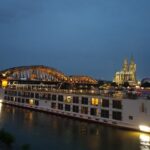
- Hohenzollern Bridge: built 1907–1911, shaped by war and redesign
- Cologne Cathedral: UNESCO-listed Gothic as the grand finale
- Price and value for a private group up to 20
- Who this private Cologne tour suits best
- Should you book this Cologne private tour?
- FAQ
- How long is the Cologne private walking tour?
- Is this a private tour?
- What languages are available for the tour guide?
- Are entrance fees included for the Chocolate Museum and Farina Fragrance Museum?
- Where do we meet the guide?
- Is the tour wheelchair accessible?
Key highlights worth your attention
- A private guide for your group: official guide with you exclusively for the full walk
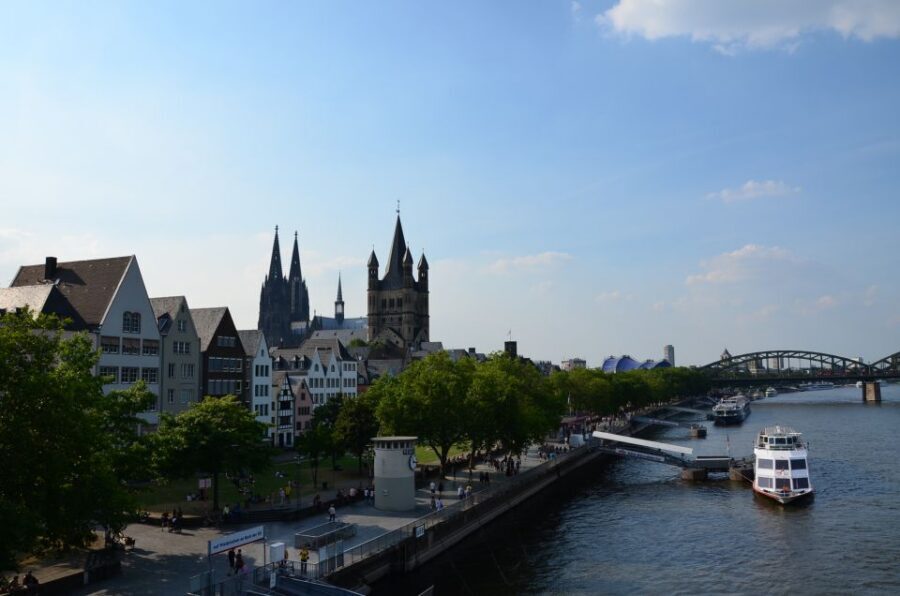
- UNESCO-listed Cologne Cathedral: seen up close as the grand finale
- Farina Fragrance Museum (Duftmuseum im Farina-Haus): Eau de Cologne origins and old production methods
- Chocolate Museum time with hands-on appeal: cacao trees, a 3-meter-high chocolate fountain, and period-style machinery
- Rathausplatz and Great St. Martin Church: power and faith through shifting European styles
- Hohenzollern Bridge history: built 1907–1911, tied-arch design since 1948, plus equestrian statues of Prussian kings and German emperors
Why this 3-hour private walk makes sense in Cologne
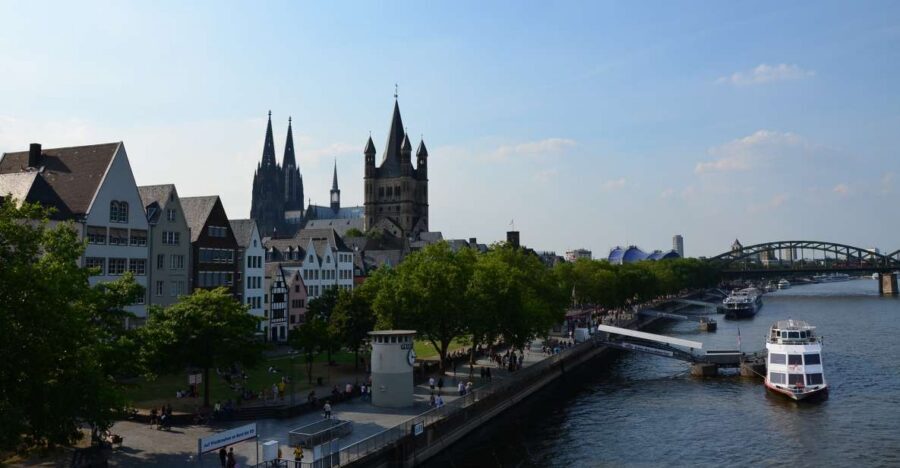
Cologne is the kind of city where you can burn a full day just wandering. This tour is useful because it does the opposite: it compresses a lot of meaning into a tight 3-hour loop you can build around the rest of your trip.
Since you’re on foot, you get to notice details that you’d miss from a distance: street-level architecture, church facades, and the way plazas and bridges shape movement through the city. And because it’s a private group, the guide can tailor explanations for your interests—architecture nerd mode, history focus, family-friendly stories, or just help figuring out what you’re looking at.
The main trade-off is simple: three hours disappears quickly. If you want long museum viewing or lots of inside-the-building time, you may need to pair this tour with extra time on your own (especially because two museum entrances are not included).
You can also read our reviews of more private tours in Cologne

The 500-meter pedestrian street: where modern and Roman meet
Early in the walk, you’ll move along a 500-meter-long pedestrian area that’s basically a mini course in how Cologne evolved. It’s a shopping street, yes, but it’s also a visual mash-up: modern pieces sitting near older layers of the city.
This part of the route includes:
- Atoniterkirche (a recognizable stop on the street)
- Weltstadthaus, a contemporary building designed by Renzo Piano
What I like about starting here is that it sets the tone. Cologne isn’t one single style. It’s layers. You’ll be able to look at modern design and then immediately contrast it with older religious and civic architecture you see later. It also helps you get your bearings fast—especially if you’re new to the city.
Practical note: this is still a pedestrian street. If you’re traveling with kids or you just want a slower pace, tell your guide early. A private tour works best when you communicate what comfortable walking feels like for your group.
Farina Fragrance Museum: the birthplace of Eau de Cologne
Next comes Duftmuseum im Farina-Haus, also called the Farina Fragrance Museum. This stop is more than a perfume break; it’s a story about an industry and a product that helped shape Cologne’s global reputation.
You’ll learn that this is the oldest fragrance factory and the birthplace of Eau de Cologne. The tour also frames the experience in the Rococo Era, including the astonishing production methods behind perfume—and how the original Eau de Cologne came to be.
Why this is a strong stop on a walking tour:
- You get context for Cologne’s identity beyond churches and cathedrals.
- You’re not just looking at displays. You’re getting an explanation of how the product was made and why it mattered.
- Even if you’re not into fragrances, you’ll probably enjoy the contrast between artful branding and the real process of production.
One heads-up: the entrance fee for the Farina Fragrance Museum isn’t included, so budget for it if you want to go inside for the full experience.
Rathausplatz and Great St. Martin Church: Cologne’s power and faith
After fragrance, you move into civic and religious landmarks—an efficient way to understand how European cities organized themselves.
Rathausplatz and the city hall that mixes styles
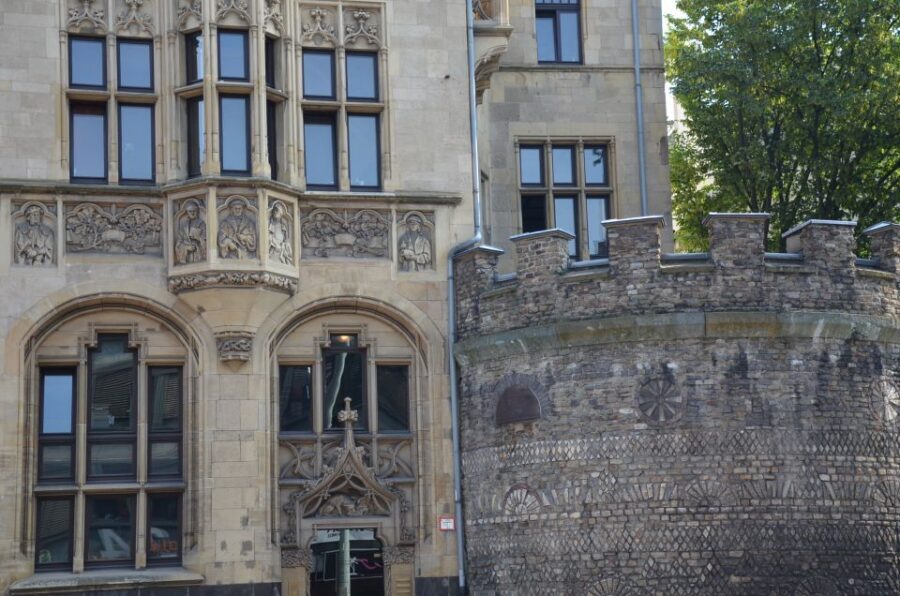
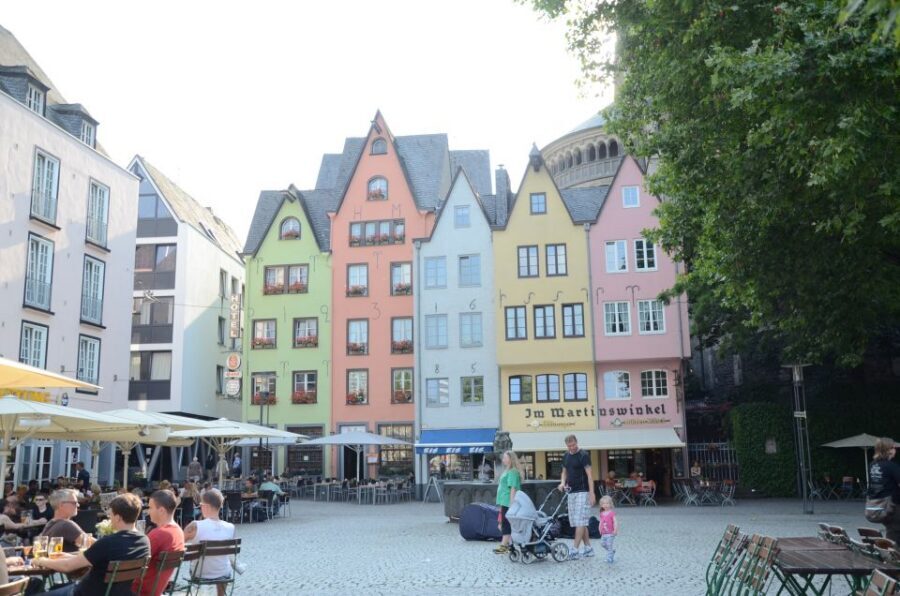
At Rathausplatz, you’ll see what’s described as the oldest city hall in Germany, founded in the 12th century. The setting is important: city halls like this aren’t just offices. They’re symbols, built to show authority in stone.
Here are the details that make it interesting:
- The building serves as home for the mayor and city government.
- It combines multiple styles: a Gothic-style tower that’s 61 meters high, plus Renaissance elements.
- You’ll also notice an external corridor, a piazzeta, and a “spanisher bau,” which gives the whole complex a unique design mix.
If you like architecture, this is one of those stops where a guide helps you “read” the building. A tower height number and a style label are facts—but a good guide connects them to why that style shows up where it does.


Great St. Martin Church: Medieval foundations with changing influences
Then you’ll visit Great St. Martin Church—a Medieval structure founded in the 10th century on the remains of a Roman chapel. It went through many rebuilds, and that’s why it carries influences from different periods, including Baroque and Classical styles.
This stop matters because you’ll see continuity and change at the same time: an older religious site, reused and reshaped as Cologne’s needs and tastes shifted over centuries.
Also, it’s a good moment to slow down. Churches can make people rush. With a private guide, you can ask what to focus on—façade details, the story of reconstruction, or how the site evolved from Roman roots.
Cologne Chocolate Museum: cacao trees, a 3-meter fountain, and machinery
Then the tour switches gears, and it works. Chocolate Museum time adds a playful layer to the day, while still staying tied to Cologne’s identity.
At the Cologne Chocolate Museum, you’ll experience chocolate history from the Maya period to today. That time jump is a big part of the value: chocolate is global, and the museum frames it as more than a candy product.
What stands out in the description:
- A palm house with cacao trees
- A 3-meter-high chocolate fountain
- Small versions of machines used in the creation of chocolate
Even if you’re not a museum person, these visuals do a lot of heavy lifting. Seeing cacao trees is a tangible link to where ingredients begin. The fountain is a built-in photo moment, sure, but it also helps you understand chocolate at a scale you can’t imagine from a wrapper.
Entrance note again: the Chocolate Museum entrance fee isn’t included, so factor that into your plan.
Hohenzollern Bridge: built 1907–1911, shaped by war and redesign
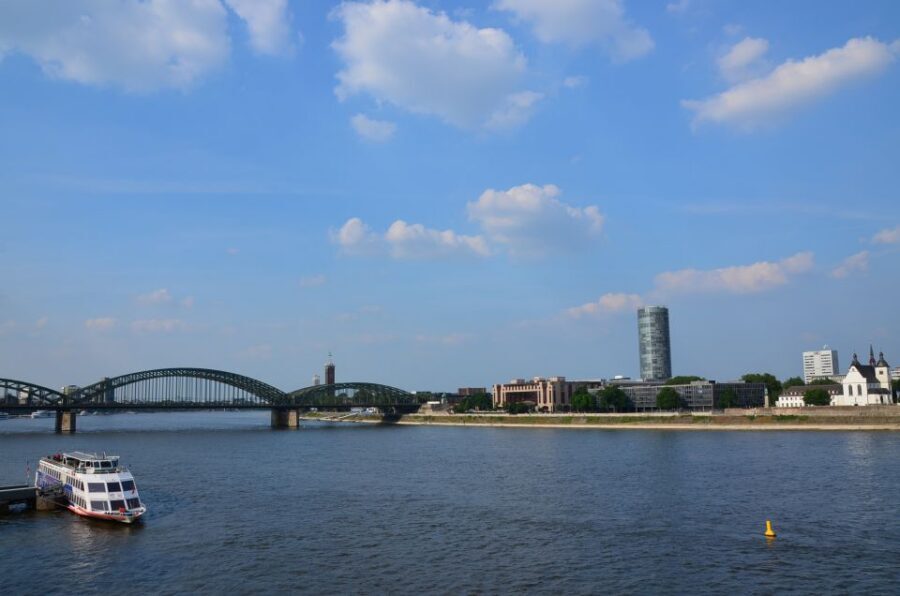
After the museums, you’ll walk to Hohenzollern Bridge, built between 1907 and 1911. The bridge has a World War II connection described as being one of the most important bridges during that period in Germany.
That history would be heavy on its own. But the tour also gives you the design story:
- Since 1948, it has become a tied arch bridge
- Around the bridge are four equestrian statues representing Prussian kings and German Emperors
This stop is valuable because it turns a crossing into a timeline. Bridges are functional, but they’re also political and technical landmarks. With a guide, you’ll likely pick up why the redesign mattered and how the statues fit into the way power was displayed.
Practical tip: bridges can be windy. If you’re traveling in cool months, bring a light layer, even if the day feels mild.
Cologne Cathedral: UNESCO-listed Gothic as the grand finale
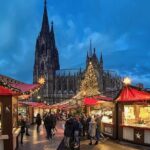
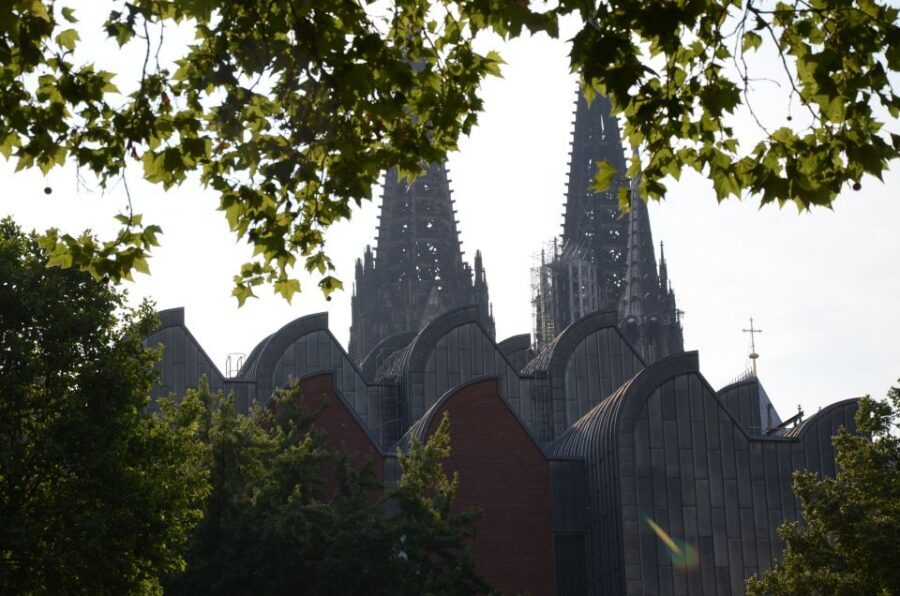
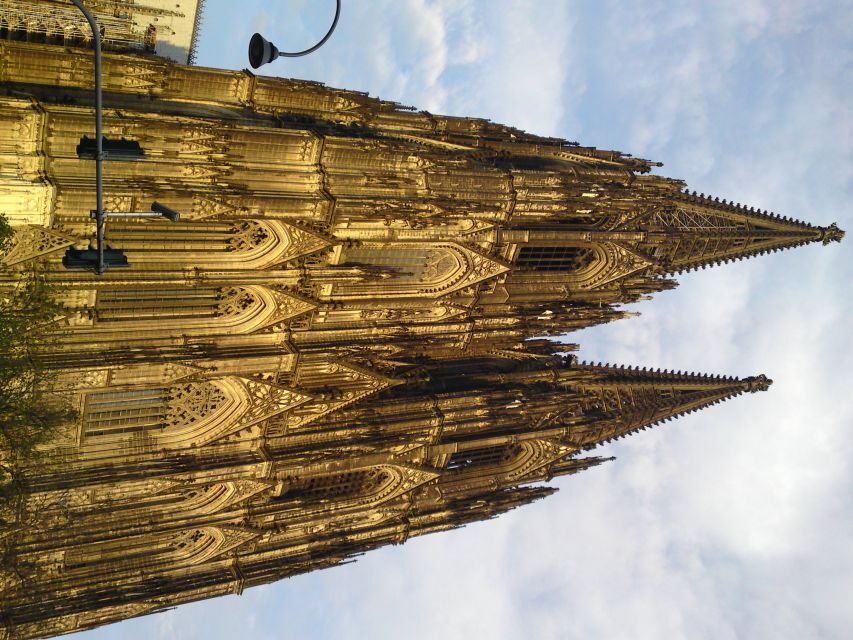
You’ll end with Cologne Cathedral, a World Heritage Site since 1996 and one of the world’s best-known Gothic landmarks. This is the climax of the whole route because it pulls together what you’ve been learning all morning: how cities build monuments to express identity.
What you’ll be looking at:
- Gothic architecture with the largest façade
- The tallest twin-spired design described as the tallest in the world
- A reputation as a masterpiece in Christian monument history
Even if you’ve seen photos, standing near it changes things. The scale is the point. Your guide can help you notice what makes the façade and spires so distinctive, instead of letting your brain just register size and move on.
Important budgeting note: the tour information specifically lists entrance fees as not included for the Chocolate Museum and Farina Fragrance Museum. It does not mention cathedral ticketing. That said, if you want to go inside or into specific areas, check what your tour includes when you reserve so there are no surprises.
Price and value for a private group up to 20
The price is $454 per group for up to 20 people, for a 3-hour private walking tour. That pricing structure is actually where the value shows up.
If you have:
- 1–4 people, the tour costs more per person, so you’ll want to treat it like a premium way to see the highlights with explanations.
- A larger group, the cost per person drops fast, and you’re basically paying to turn scattered sights into a connected lesson with a guide handling the storytelling.
What’s included:
- An official tour guide
- A meeting point at your hotel if it’s centrally located
What’s not included:
- Entrance fees for the Chocolate Museum
- Entrance fees for the Farina Fragrance Museum
So the real “cost” of the experience is the tour price plus two museum admissions. If you skip one of those entrances, you’ll spend less overall. If you do both, you’ll get the full arc—from perfume origins to chocolate history—plus the cathedral finale.
My practical take: this tour is best value when you want multiple key stops plus a guide who can answer questions. If you prefer to wander freely with zero structure, you might find self-guided options cheaper. But if you want your time to feel purposeful, this works.
Who this private Cologne tour suits best
This setup fits best for people who want control and context at the same time.
It’s especially good for:
- First-timers who want the main anchors without trying to plan a perfect route
- Families, since a guide can keep the story moving and adapt explanations for an 11-year-old level of attention (and it’s described as working well for groups like that)
- Architecture and design fans, because you’ll see a clear mix of Gothic, Medieval, Renaissance, and modern design by Renzo Piano
- Language comfort seekers, since the guide can be English, German, or Spanish
Also, it’s wheelchair accessible, which matters because Cologne’s streets can be uneven and sightseeing can get tricky fast. Still, you’ll want to stay aware that you’re walking as a group; the tour is short, but it isn’t a sit-and-watch experience.
Should you book this Cologne private tour?
Book it if you want a guided way to see Cologne’s big identity pieces in one compact plan: Cathedral, Farina fragrance, Chocolate Museum, and Hohenzollern Bridge—with time to ask questions.
Skip or reconsider if:
- You only care about one or two sights and plan to wander on your own.
- You don’t want to pay extra for museum entrances, since both Farina and the Chocolate Museum have fees not included.
If you like cities that reward attention (and you want the story stitched together for you), this is a smart, efficient way to experience Cologne.
FAQ
How long is the Cologne private walking tour?
The tour lasts 3 hours.
Is this a private tour?
Yes. It’s a private group, with a guide exclusively with your group.
What languages are available for the tour guide?
The guide is available in English, German, and Spanish.
Are entrance fees included for the Chocolate Museum and Farina Fragrance Museum?
No. Entrance fees for the Chocolate Museum and the Farina Fragrance Museum are not included.
Where do we meet the guide?
There is a meeting point at your hotel if it’s centrally located.
Is the tour wheelchair accessible?
Yes, it is listed as wheelchair accessible.