REVIEW · BERLIN
Understanding Kreuzberg: The roots of local (sub)culture
Book on GetYourGuide →Operated by Looking Glass Tours · Bookable on GetYourGuide
Kreuzberg has a story you can walk. This tour connects the district’s famous attitude to its squatter history and how everyday life still carries those values. I especially liked the hot chocolate stop and the way the route points out small details most people miss. The main drawback: it’s a sustained walk, so bring shoes you can stand in comfortably.
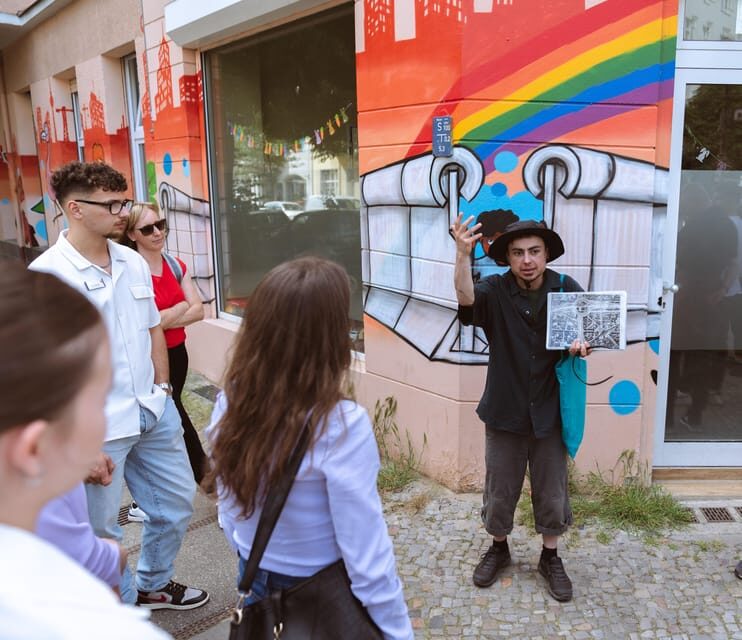
Lee (the guide) brings it down to earth with clear, practical context and lots of local texture, from Wall-era stories to backyards and street art. You get one hot drink with your tour, and the price lands around $35 for a session that can run up to about 210 minutes. With English, German, or Russian options and a private group option, it’s a good fit if you want a more human, neighborhood-level Berlin.
In This Review
- Key things you’ll notice on this Kreuzberg walk
- Why Kreuzberg became Berlin’s subculture factory
- What you learn: squatting, activism, and experimental arts (in plain terms)
- The start near Ostbahnhof: YAAM as a neighborhood anchor
- Schillingbrücke and the first walking chunk: reading the district as a story
- Photo stops and the 15-minute reset: keep your brain fresh
- Rio-Reiser-Platz: the hot chocolate break that explains the neighborhood
- Hidden backyards and street art: why those details matter
- From community projects to Wall-era stories: how the past keeps steering today
- The finish at Kottbusser Tor: end where the action keeps moving
- Duration, pace, and what to wear for a 2–210 minute walk
- Price and value: why about $35 can make sense in Berlin
- Who should book this Kreuzberg tour (and who should skip it)
- Should you book Understanding Kreuzberg?
- FAQ
- FAQ
- Where is the meeting point for the tour?
- When does the tour end?
- How long is the experience?
- What is included in the price?
- Where is the hot chocolate stop?
- What languages are offered?
- Is the tour wheelchair accessible?
- Can I cancel if my plans change?
- Is there a reserve now and pay later option?
- Is a private group available?
Key things you’ll notice on this Kreuzberg walk
- Squatter-scene origins explained through real social and environmental projects
- 1970s influence on today’s attitudes, not just museum facts
- Hidden backyards + street art that help you read the neighborhood visually
- Rio-Reiser-Platz hot chocolate break timed as a reset, not a tourist detour
- Community shaping the district through shared urban visions, then and now
- Small-group energy when availability is limited, which makes it easier to ask questions
Why Kreuzberg became Berlin’s subculture factory
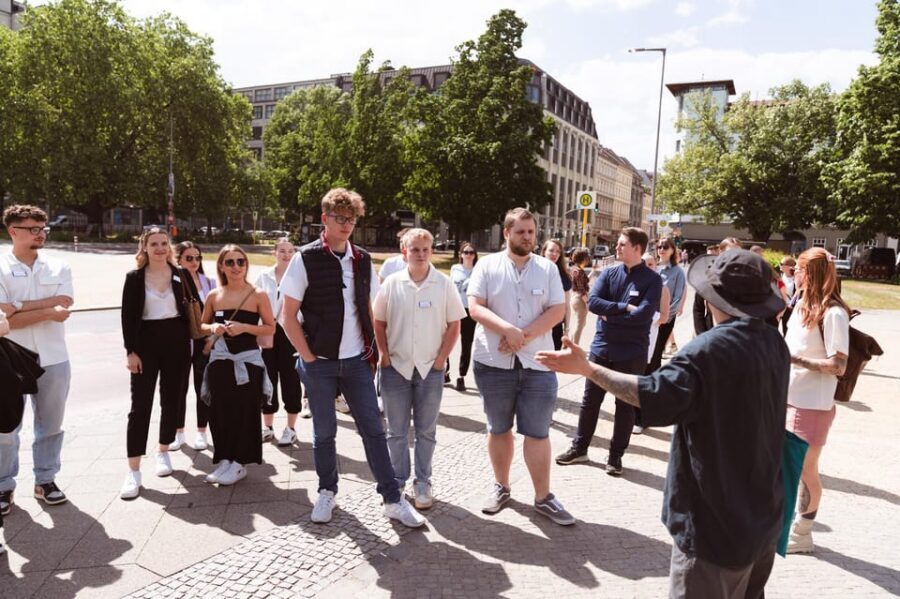
Kreuzberg’s reputation doesn’t come from a single landmark. It grew from pressure, opportunity, and a stubborn belief that neighborhoods can be built by people, not just planners. The result is a place where the experimental arts, activist habits, and creative communities you hear about actually show up in street corners, community spaces, and how people relate to one another.
What I like is how this tour keeps the story practical. Instead of treating the district like a themed attraction, it explains the why behind the vibe: how squatting and activism formed a local culture, and how that culture still shapes everyday decisions. You end up with a Berlin you can interpret on sight, not just one you pass through quickly.
You can also read our reviews of more tours and experiences in Berlin.



What you learn: squatting, activism, and experimental arts (in plain terms)
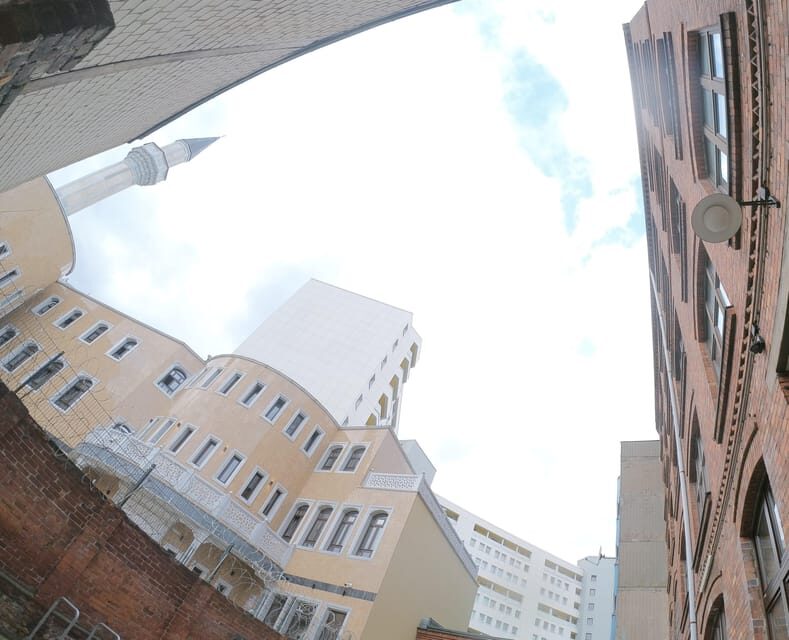
This tour’s core idea is simple: subcultures don’t stay in history books. They teach people patterns—how to organize, how to argue, how to create, and how to share resources. You’ll hear how Kreuzberg pulled in creative people for decades, and you’ll connect that pull to specific forces in Berlin’s city history, including the wall era and its aftereffects.
Expect three big threads:
1) Squatting as a response to the city’s housing and power gaps
2) Activism as a habit of organizing in public and in small local circles
3) Experimental arts as a way of living, not just producing art for galleries
The tour also ties those threads to the present day. You’ll look at social and environmental projects that locals organize together, and you’ll get a sense of how values can persist even when the original conditions have changed.
The start near Ostbahnhof: YAAM as a neighborhood anchor
You meet in front of the YAAM entrance, very close to Ostbahnhof. That matters because it drops you into the real rhythm of the district right away, rather than starting from a far-off postcard spot. It’s also a simple meetup point that’s easy to reach if you’re already using Berlin’s transit.
From the first minutes, the tour sets expectations: this isn’t just a sightseeing checklist. You’ll be learning how the district developed its particular attitude, and you’ll practice noticing the physical clues—architecture, small spaces, and street-level details—that reflect those social movements.
Schillingbrücke and the first walking chunk: reading the district as a story
The walk begins around An d. Schillingbrücke 4. You’ll cover about 1.5 hours of guided exploring, with scenic views along the way. This part works best if you keep your eyes up and your pace steady. When the guide points something out, you’ll understand it faster if you’re not constantly checking your phone.
This stretch is where the historical framing turns into something you can see:
- how different communities and outsiders shaped local culture
- how the 1970s still shows up in the district’s attitudes
- stories connected to Berlin’s Wall-time life and afterward
If you like tours that teach you to “read” a neighborhood, this first chunk is a win. You start connecting street-level reality to big-picture history, without getting stuck in lectures.
Photo stops and the 15-minute reset: keep your brain fresh
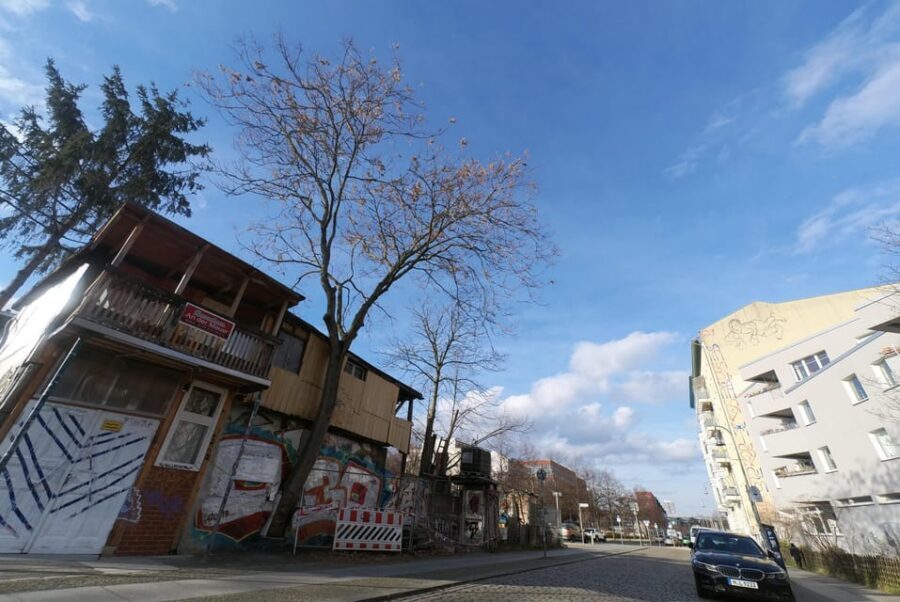
At some point you’ll get a photo stop with more scenic views. It’s brief, but it gives you a moment to catch up and ask quick questions while you’re still in motion.
Then there’s a short break—about 15 minutes. This is not just a pause for comfort. It’s timed so you can recharge before the second guided segment starts. For a topic like squatter history and community activism, a little downtime helps you process what you’ve learned instead of just collecting facts.



Rio-Reiser-Platz: the hot chocolate break that explains the neighborhood
One of the tour’s highlights is the stop at Rio-Reiser-Platz. You take a break there and treat yourself to chocolate from Berlin Chocolatiérs—one hot beverage is included as part of the tour.
This matters for two reasons. First, it’s a social reset in a real Kreuzberg setting, so you don’t feel like you’re being shuttled between sterile viewpoints. Second, the tour uses the break to keep the conversation grounded in how the district functions day to day. You’ll mingle with the locals during that moment, which helps the historical topic feel less abstract.
If you’re picky about sweets, don’t panic. The included hot drink is listed as chocolate or coffee or tea (so you should have options). The key point is that this stop isn’t an afterthought—it’s built into the rhythm of the tour.
Hidden backyards and street art: why those details matter
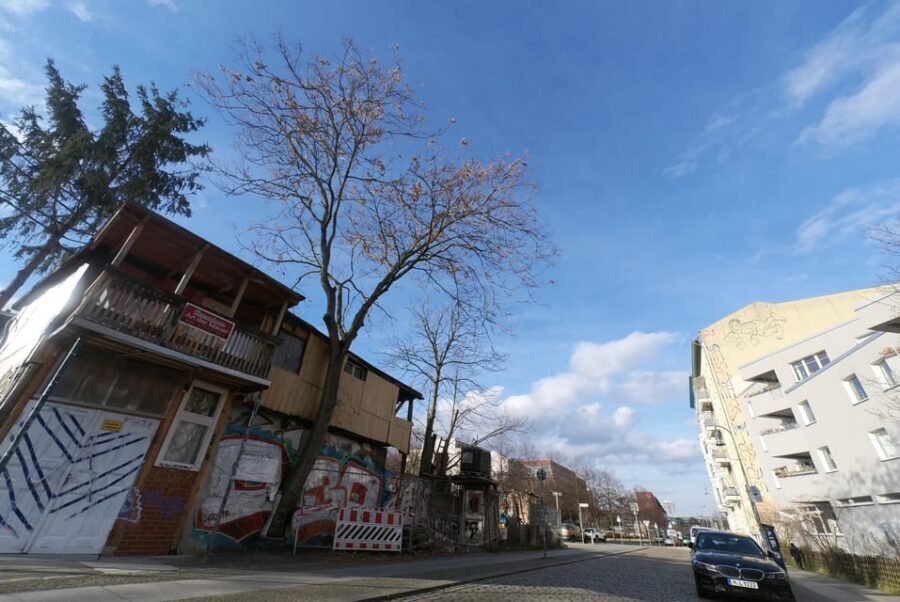
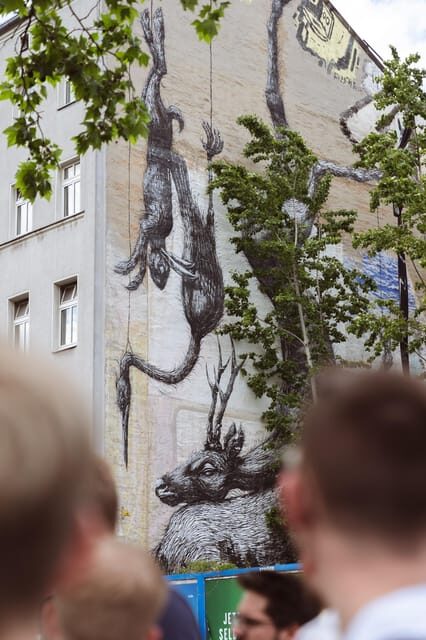
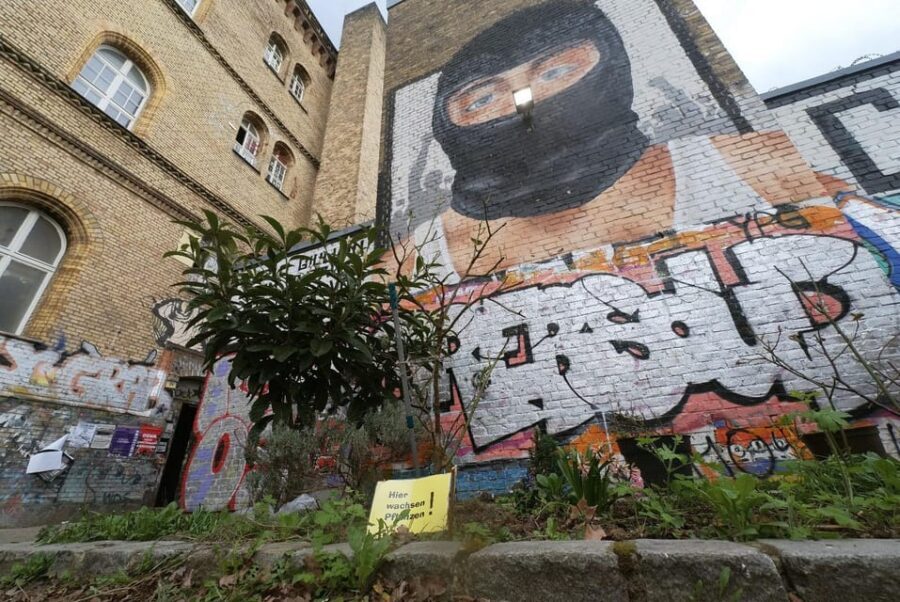
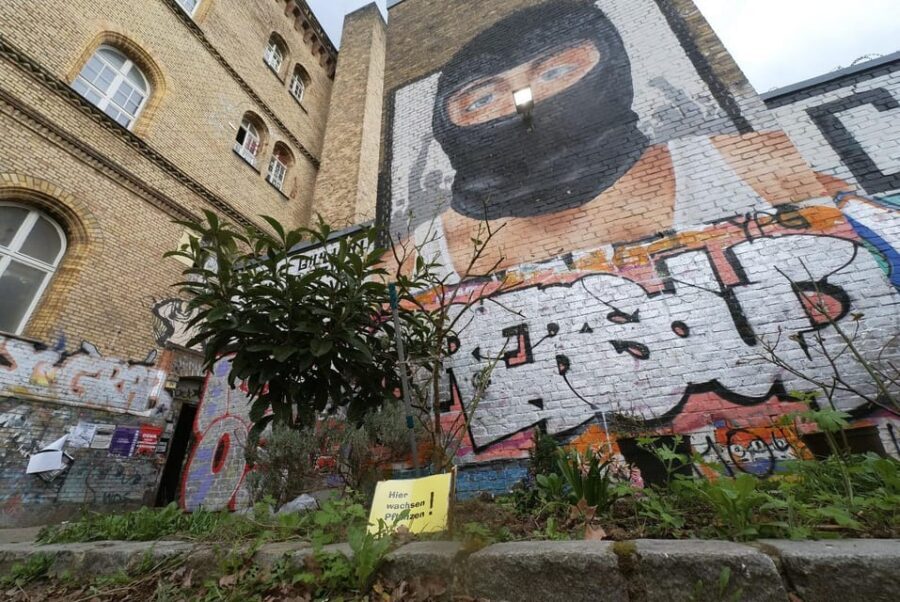
Later on, the guide steers you into side streets and hidden backyards where you can see the neighborhood’s creativity up close. You’ll also look at impressive examples of local street art.
The value here is interpretation. Street art can be easy to treat like decoration, but on this tour it’s treated like a local language—one shaped by activism, community identity, and the DIY energy that grew out of the squatter scene. When you learn the context, the walls stop feeling random. They start feeling intentional.
This is also where a good guide earns their pay. Lee’s style (as reflected in multiple accounts) is described as charming and story-driven, with details that stick. That kind of delivery helps you notice connections between buildings, public spaces, and the people who use them.
From community projects to Wall-era stories: how the past keeps steering today
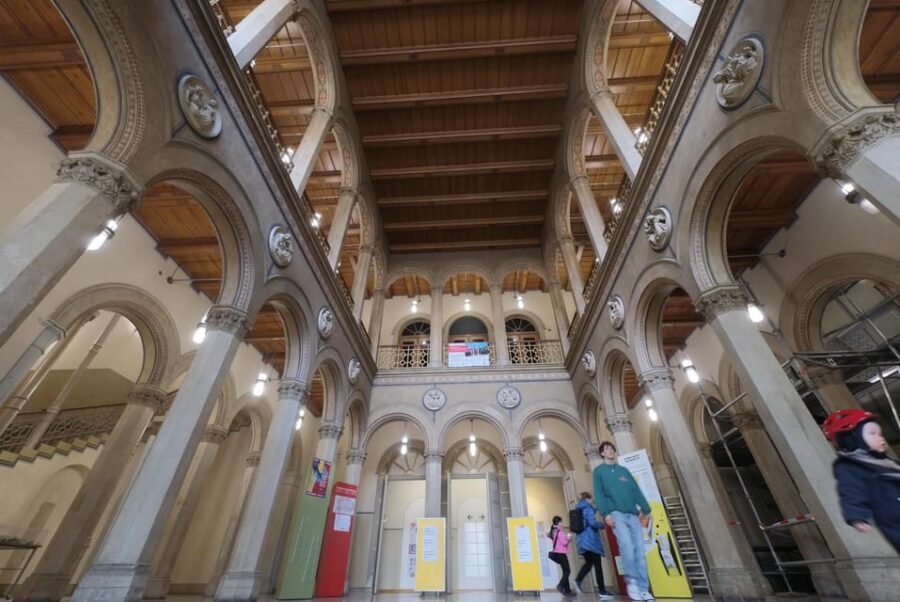
The second guided segment runs about 1.5 hours again, and it builds on what you learned earlier. You’ll connect the district’s earlier attitudes—squatting, activism, experimental arts—to the present, including how people shape their neighborhood together through social and environmental projects.
You’ll hear some crazy stories about life during the time of the Wall and afterward. The point isn’t shock for its own sake. It’s to show how the district developed a culture of adaptation and self-organization. When you understand that, you start spotting the “why” behind what you see: people creating spaces, communities sustaining projects, and culture happening in public.
By the time you walk toward the finish, the district’s character makes more sense. It’s not just about cool art. It’s about shared problem-solving and local ownership—social and physical.
The finish at Kottbusser Tor: end where the action keeps moving
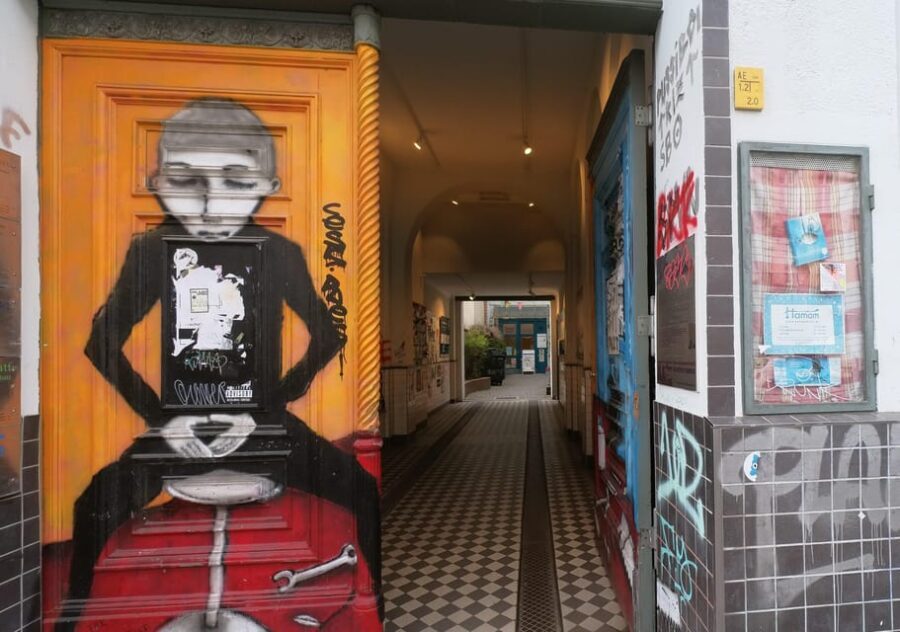
The tour ends at U Kottbusser Tor. That’s a practical choice because it places you near a big transit hub, so you can keep your day going without complicated return plans.
Also, ending here helps you extend the experience. After a walk like this, you usually want to go back out on your own and practice noticing what you just learned: the backyards, the mural choices, and the subtle cues of community life.
If you want to get more out of that follow-on time, lean on the guide for food and next-stop ideas. Accounts of Lee specifically mention that he gives tips for where to eat and where to go after the tour. That’s the kind of guidance that turns a good guided walk into a better day in Berlin.
Duration, pace, and what to wear for a 2–210 minute walk
The listed duration ranges from 2 hours up to 210 minutes. That means you should plan for a few hours of walking and standing, plus a short break and photo time.
Plan around that:
- Wear comfortable shoes. You’ll be on foot for most of the experience.
- Expect a steady rhythm, not constant long stops.
- Bring a small water bottle if you tend to run dry on long walks.
If you’re heat-sensitive, check the forecast. Berlin summers can get surprisingly warm, and the tour length doesn’t pause for long indoor sections.
Price and value: why about $35 can make sense in Berlin
At around $35 per person, this tour is priced like a serious neighborhood walk with a local guide and one included hot beverage. You’re not just paying for movement—you’re paying for context, story, and on-the-ground interpretation of Kreuzberg’s development.
Here’s where the value comes from:
- You get a structured explanation of why Kreuzberg’s subcultures formed.
- You receive a beverage included as part of the experience (chocolate/coffee/tea).
- The route includes meaningful stops like Rio-Reiser-Platz, plus street-level sights like backyards and street art.
- The guide is described as passionate and very skilled at communicating, which can change how much you remember after the tour ends.
Would I call it a bargain? It’s not a cheap impulse ticket. But compared with short tours that only skim surfaces, the extra time and the focus on how the district works make the price feel reasonable.
Who should book this Kreuzberg tour (and who should skip it)
This is a strong match if you:
- want history that connects to what you’ll actually see on the street
- like street art and backyards but want context for them
- enjoy walks where the guide tells stories tied to real neighborhoods
- want one included local break with hot chocolate (or coffee/tea)
You might want to skip it if:
- you don’t handle walking or standing well
- you only want a quick highlights loop with minimal explanation
- you’re looking for big museum stops (this is more about neighborhood reading)
The good news: you can choose your pace mentally. You’re learning, but the guide keeps the stories accessible.
Should you book Understanding Kreuzberg?
If you’re trying to understand why Kreuzberg feels like Berlin’s creative counter-current, this is the kind of tour that helps you. The balance of squatter-scene roots, Wall-era stories, and real examples of community projects gives you more than atmosphere—you get a framework for interpreting the district as you walk through it later on your own.
Book it if you want a guided day that’s grounded, human, and specific, ending with a satisfying break at Rio-Reiser-Platz and hot chocolate from Berlin Chocolatiérs. Skip it only if your mobility needs are limited or if you’re set on a short, purely visual sightseeing experience.
FAQ
FAQ
Where is the meeting point for the tour?
You meet in front of the YAAM entrance, very close to Ostbahnhof.
When does the tour end?
The tour finishes at U Kottbusser Tor.
How long is the experience?
It runs from about 2 hours up to 210 minutes, depending on the starting time and the day.
What is included in the price?
You get a guided tour with an experienced local guide and one hot beverage (chocolate or coffee or tea) in collaboration with a local small business.
Where is the hot chocolate stop?
The break happens at Rio-Reiser-Platz, with chocolate from Berlin Chocolatiérs.
What languages are offered?
The live guide is available in English, German, and Russian.
Is the tour wheelchair accessible?
Yes, it is listed as wheelchair accessible.
Can I cancel if my plans change?
Yes. You can cancel up to 24 hours in advance for a full refund.
Is there a reserve now and pay later option?
Yes. The tour offers reserve now & pay later, meaning you can book without paying immediately.
Is a private group available?
Yes, private group options are available.