REVIEW · ULM
Ulm: City Center Walking Tour with Minster Visit
Book on GetYourGuide →Operated by Ulm/Neu-Ulm Touristik GmbH · Bookable on GetYourGuide
Ulm’s spire makes you look up. This Ulm city-center walking tour packs medieval streets and modern buildings into 1.5 hours, then finishes at the Ulm Minster, known for Germany’s tallest church spire. It’s the kind of outing where every corner gives you context for what you’re seeing.
I especially like two things: the stroll through the Fishermen’s & Tanners’ Quarter, where narrow lanes and old bridges/jetties help you picture how Ulm worked in the Middle Ages; and the stop at the historic town hall with its ornamented astronomic clock and the dramatic painted facade. Those details make the city feel built, not just visited.
One consideration: the Minster interior visit depends on events, and between Jan 7, 2026 and Easter 2026, guided cathedral tours won’t run due to construction. You can still view the cathedral from the outside, but your experience will be slightly different on those dates.
In This Review
- Key Things That Make This Tour Worth Your Time
- Getting Oriented in Ulm’s Historic Center
- Medieval Meets Modern: How the Guide Connects Old and New
- Fishermen’s & Tanners’ Quarter: Where Old Ulm Still Feels Close
- The Historic Town Hall: Astronomic Clock and Painted Facade
- Ulm Minster Lutheran Church: Tall Spire, Then the Interior
- Price and Value: What $11 Buys You in Ulm
- Practical Tips for a Smooth Walk
- Who This Tour Fits Best
- Should You Book This Ulm Minster City-Center Tour?
- FAQ
- Where is the meeting point for the tour?
- How long does the Ulm city center walking tour last?
- What language options do you get with the guide?
- Is the tour wheelchair accessible?
- Can I bring luggage or large bags?
- Does the tour run in bad weather?
- Will I always be able to tour the Minster interior?
- What happens between January 7, 2026 and Easter 2026?
Key Things That Make This Tour Worth Your Time
- Ulm Minster visit with Germany’s tallest church spire as the big payoff
- A guided walk through the Fishermen’s & Tanners’ Quarter, with lanes, bridges, and jetties that match the Middle Ages look
- The historic town hall stop, including the astronomic clock and an eye-catching painted facade
- “Medieval Meets Modern” in practice: you’ll see newer central buildings right in the city core
- The tour includes a live professional guide in English and German
- It runs rain or shine, so you’re not stuck waiting for good weather to enjoy Ulm
Getting Oriented in Ulm’s Historic Center
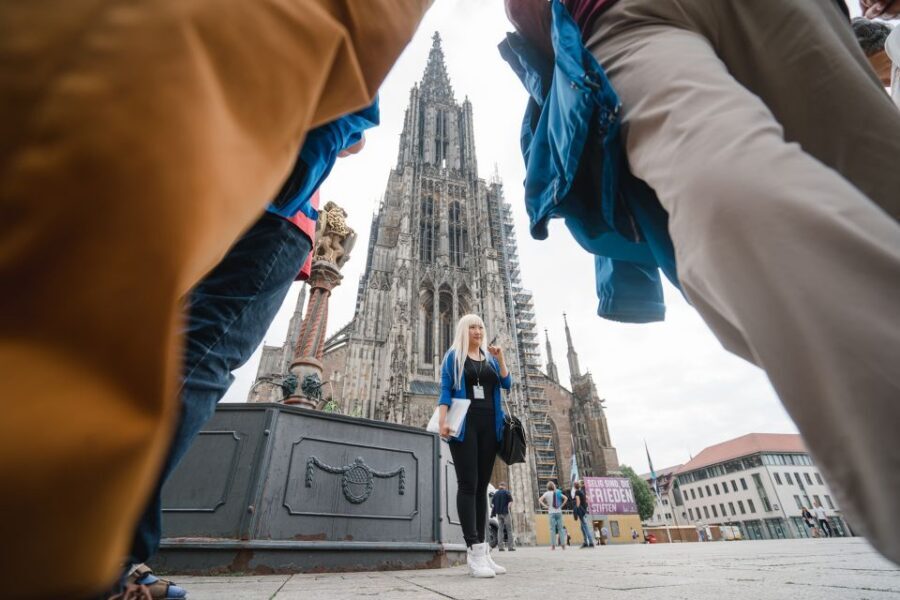
Ulm can feel deceptively compact. That’s exactly why a city-center walk works so well here. In about 1.5 hours, you get a guided path through the parts of town that explain Ulm’s story: trade life, medieval civic power, and the city’s more recent growth.
The tour starts at Tourist-Information Ulm. You’ll want to arrive about 15 minutes early. That buffer helps you find the meeting point, get oriented, and settle in before the guide starts shaping what you’ll notice. Since this is a live guide experience (German or English), the pacing matters. You’ll get the “why” behind the buildings rather than just a list of sights.
And yes, the spire is the gravitational pull. Even if you’re not a church-and-tower person, the scale of the Ulm Minster forces your attention upward. That’s a good feeling on a first visit.
You can also read our reviews of more walking tours in Ulm


Medieval Meets Modern: How the Guide Connects Old and New
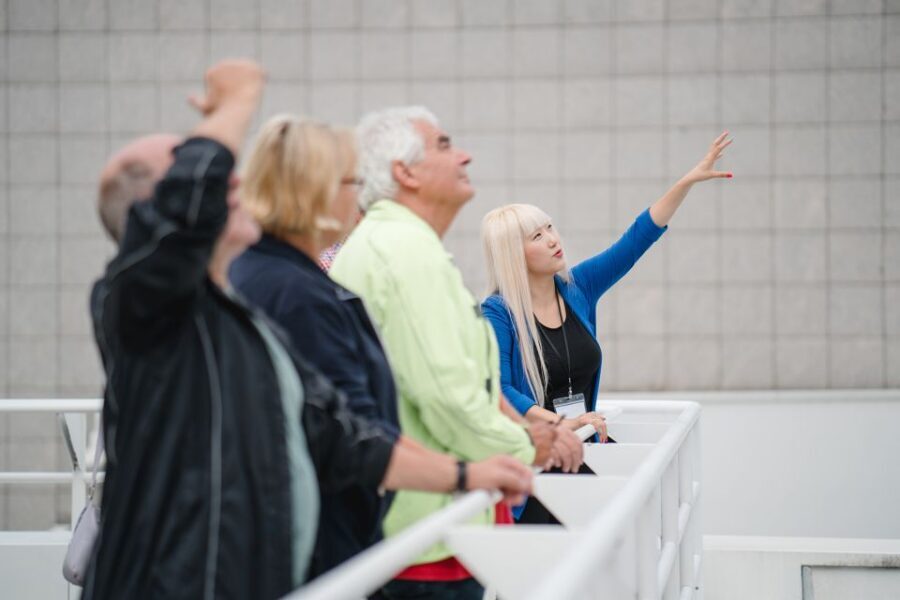
The best thing about this tour isn’t that it shows landmarks. It’s that it connects them. The guide works around Ulm’s motto, Medieval Meets Modern, and you can actually see the idea in the streets.
You’ll get stops in the traditional center, then you’ll also pass newer buildings that were recently erected in the middle of town. They’re not random additions. The tour frames them as the New Center of Ulm, so you understand how the city’s identity didn’t freeze in the medieval era.
For you, this matters because it changes how you read the city. Instead of seeing two time periods as separate worlds, you start noticing continuity: civic pride, architectural ambition, and how a city grows while keeping its core recognizable.
It also helps that the guide brings the story in a practical way. The experience is described as information-heavy and even a bit humorous, with anecdotes that keep the walk from becoming just lecturing.
Fishermen’s & Tanners’ Quarter: Where Old Ulm Still Feels Close
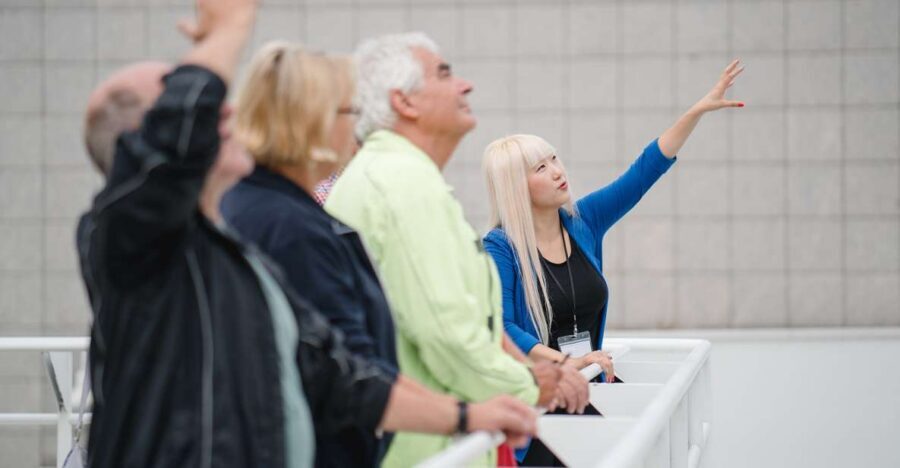
This is the heart of the “walk it and feel it” part. The Fishermen’s & Tanners’ Quarter is described as the most historic section of the center, and you can see why as you move through it.
Expect narrow streets that don’t let you speed through. Expect bridges and jetties that guide your view toward the river-related setup that shaped daily life. When you’re standing there, it’s easier to imagine medieval work rhythms than it is on a quick sightseeing loop.
The guide’s job here is key: you’re not only looking at the layout. You’re learning about what it meant for people living and working in Ulm. That turns the quarter into more than cute old-street photos.
Practical note: because the streets are tight and the walking is continuous, this part is best for travelers who like strolling rather than hopping from stop to stop. If you prefer minimalist walking, you’ll still be fine for 1.5 hours, but plan to stay engaged with your feet.
The Historic Town Hall: Astronomic Clock and Painted Facade
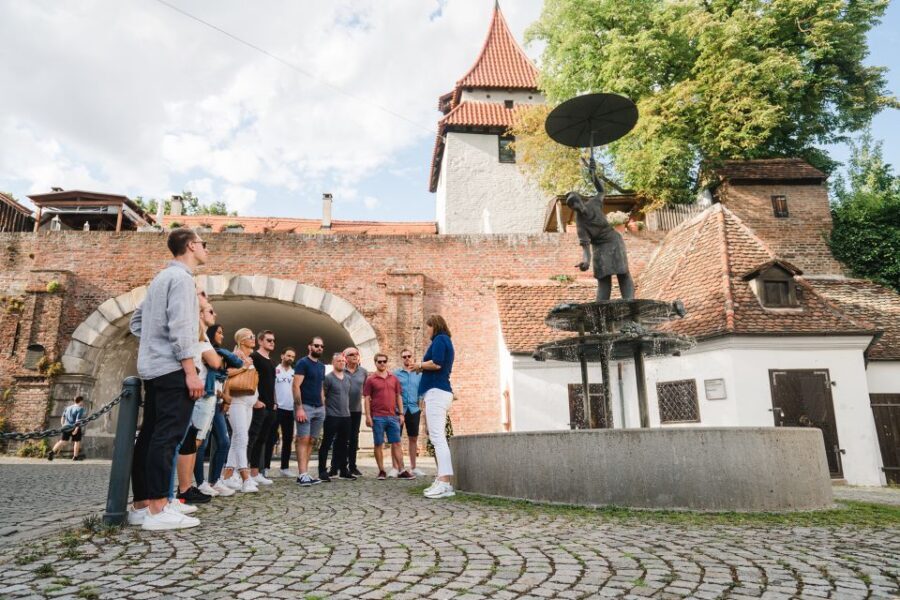
At some point, you’ll be standing in front of Ulm’s historic town hall and thinking, ok, this place is serious. The highlight isn’t just that it’s old. It’s what’s attached to it: a richly ornamented astronomic clock, plus an extravagant painted facade.
The astronomic clock is the kind of detail you might miss if you were on your own. Here, the guide helps you understand what you’re looking at and why it matters in a civic building. Even if clocks aren’t your hobby, a clock like this is a reminder that public life once revolved around more than schedules on a phone.
The facade painting adds another layer. It’s not subtle, and that’s the point. This is where civic buildings let people see power, style, and cultural ambition in one glance.
This stop is also a good “reset” inside the walk. After the quarter’s narrow lanes, you get a more open vantage point to take in the architecture and slow down for a moment without feeling rushed.
Ulm Minster Lutheran Church: Tall Spire, Then the Interior
Now for the main event: the Ulm Minster Lutheran Church with the tallest church spire in Germany. The spire is the headline, but the tour aims to deliver more than the outside silhouette.
When entry is possible, you’ll admire the beauty of the interior and learn about its construction from your expert guide. That inside look is where the Minster changes from landmark to experience. Tall spaces do something to your attention: you start seeing structure, not just decoration.
Two timing issues can affect this part, so read them carefully:
- The tour of the Minster is only possible if there are no events taking place.
- Between January 7, 2026 and Easter 2026, guided cathedral tours aren’t possible because of construction. You can still view the cathedral from the outside.
If your dates fall in that window, you’ll still benefit from the walk. You’ll still see the Minster and get the context, but don’t count on an interior visit during those weeks.
For practical planning, you’ll also want to dress for weather. The tour runs rain or shine, and you’ll be outside for key portions before you ever reach the Minster.




Price and Value: What $11 Buys You in Ulm
Let’s talk value in plain terms. At $11 per person for a 1.5-hour guided walk, you’re paying for structure, context, and a professional guide who ties sights together.
You’re not just getting entry to one monument. You’re getting:
- a guided pass through the historic lanes of the Fishermen’s & Tanners’ Quarter
- a town hall stop with the astronomic clock and painted facade
- the Ulm Minster as the big anchor
That mix matters because Ulm is a city where the story lives in details. If you show up without a guide, you can still see the Minster. But you might miss why the town hall clock is special, or what the quarter’s layout reflects. Here, the guide does that heavy lifting.
Also, languages matter. The guide works in English and German, which makes it easier to keep the flow without translation gaps. And the tour is described as wheelchair accessible, which is a real factor for planning a city-center day.
Bottom line: for the time and the number of major stops packed into 1.5 hours, this is good value—especially if this is your first time seeing Ulm.
Practical Tips for a Smooth Walk
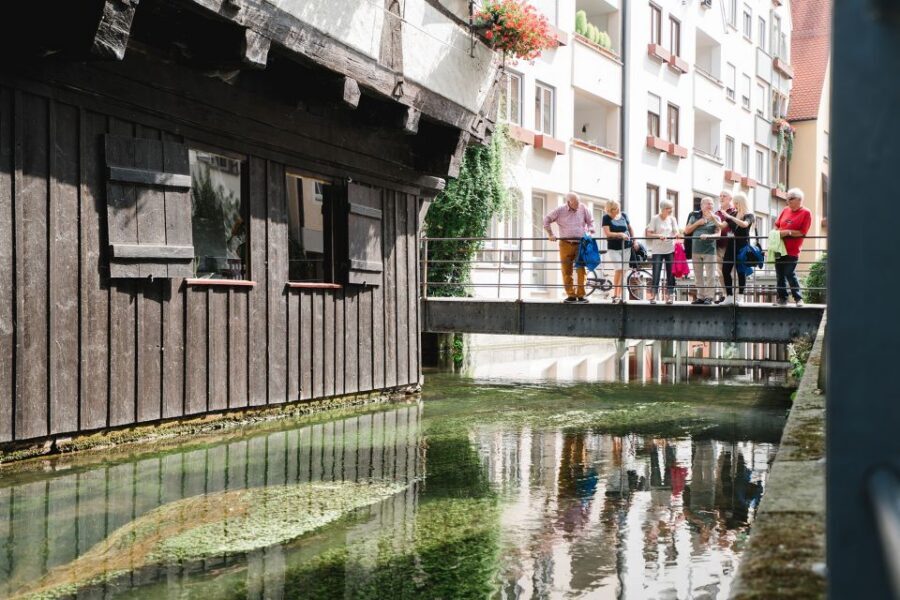
A few details will help you enjoy the experience instead of managing it.
Bring only small carry-on items. Large bags or luggage aren’t allowed. If you’re traveling light (daypack, small camera bag), you’ll fit right into the flow.
Arrive early. The meeting point is Tourist-Information Ulm, and the advice is to arrive 15 minutes before start. That’s long enough to settle and avoid stress.
Dress for weather. The tour happens rain or shine. Even in a good forecast, pack a light rain layer or umbrella you can manage while walking.
Expect some flexibility around the Minster. Events and construction can affect whether the interior tour is available. If your dates line up with the Jan 7, 2026 to Easter 2026 construction window, your experience will likely shift toward exterior viewing and guided context from there.
If you like walking tours that actually teach rather than just point, this one fits that style. If you hate being outside for stretches, you might still manage the 1.5 hours, but you’ll want weather gear.
Who This Tour Fits Best
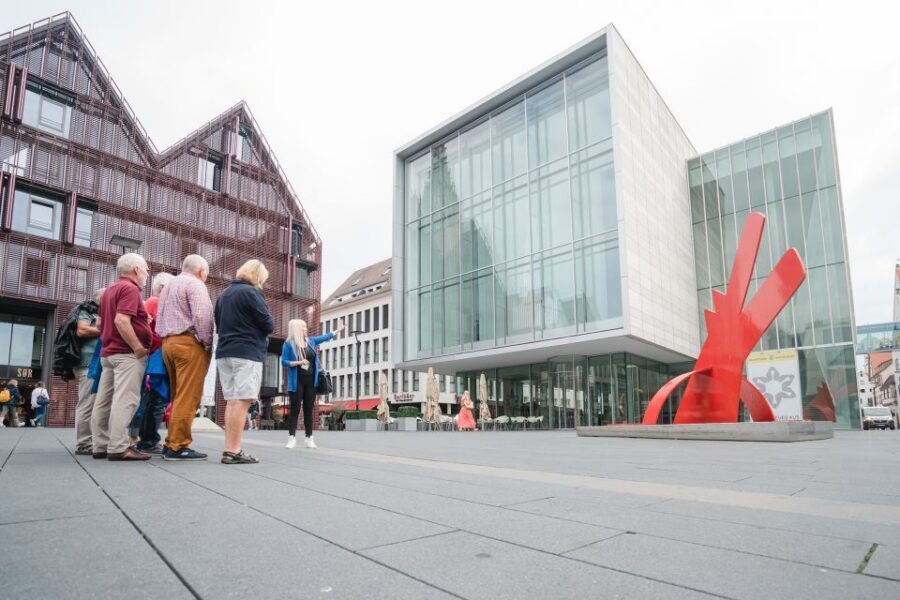
This tour is a smart pick if you want:
- a first look at Ulm’s city center without spending your whole day commuting between far-apart sights
- a guide-led explanation of key landmarks like the astronomic clock and Ulm Minster
- a balance of medieval streets and modern city-center development
It’s also ideal if you’re the kind of traveler who likes architecture, city planning, and how everyday life shaped a place. The Fishermen’s & Tanners’ Quarter is especially appealing when you enjoy reading a town through its layout.
Families with older kids can handle the time, as long as everyone’s comfortable with continuous walking and weather. Travelers using a wheelchair should be aware the tour is labeled wheelchair accessible, but you’ll still be moving through outdoor city paths.
Should You Book This Ulm Minster City-Center Tour?
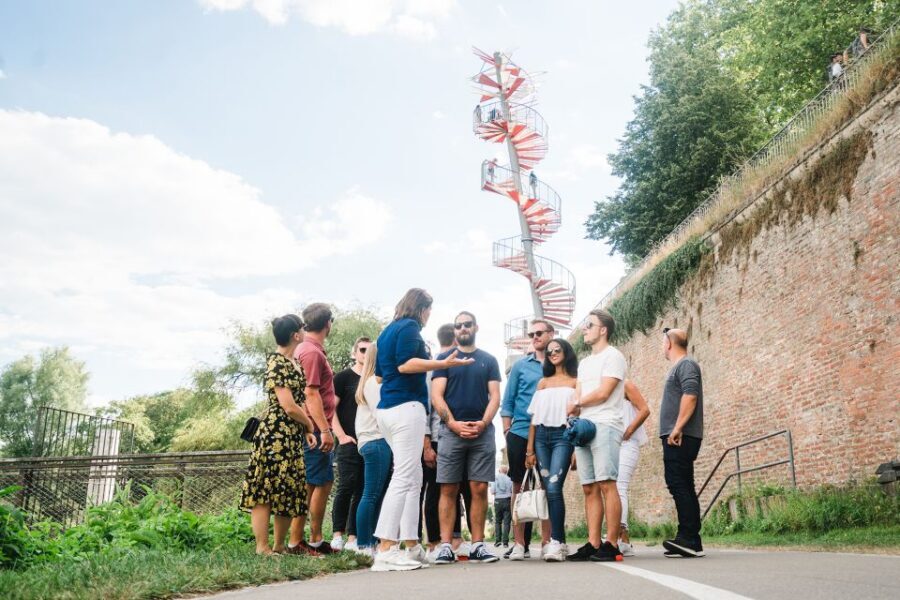
If you’re visiting Ulm and you want the quickest way to understand what you’re seeing, I think this is worth booking. The Minster alone is a reason, but the real value is how the walk adds meaning: medieval work-life in the Fishermen’s & Tanners’ Quarter, civic storytelling at the town hall with its astronomic clock, and the city’s “Medieval Meets Modern” mix.
The only strong reason not to book is if your travel dates fall within Jan 7, 2026 to Easter 2026 and you specifically need a guided interior Minster visit. Even then, you’ll still get the outside view plus guided context, but it’s not the same as a full interior stop.
If you can be flexible, this is a compact, high-impact tour that makes Ulm feel like a real place fast.
FAQ
Where is the meeting point for the tour?
The tour meets at Tourist-Information Ulm. Arrive 15 minutes before the activity starts.
How long does the Ulm city center walking tour last?
The duration is 1.5 hours.
What language options do you get with the guide?
The live guide is available in German and English.
Is the tour wheelchair accessible?
Yes, the tour is wheelchair accessible.
Can I bring luggage or large bags?
No. Luggage or large bags are not allowed.
Does the tour run in bad weather?
Yes. The tour takes place rain or shine.
Will I always be able to tour the Minster interior?
Not always. The Minster tour is only possible if there are no events taking place.
What happens between January 7, 2026 and Easter 2026?
Guided tours of the cathedral will not be possible during that construction period. You can still view the cathedral from the outside.