REVIEW · ULM
Ulm: Evening stroll through the old town
Book on GetYourGuide →Operated by Ulm/Neu-Ulm Touristik GmbH · Bookable on GetYourGuide
Ulm looks different after dark. This 1.5-hour evening walk pairs illuminated old-town streets with big sights like the Ulm Minster and the Town Hall clock, plus the charming fishermen’s and tanners’ quarter. I especially like how the route mixes medieval corners with newer architecture, so you get a real sense of how Ulm grew. One drawback to plan for: the live guide speaks German, and that can be a barrier if your German is basic.
You start at Minster Square and move at a comfortable pace, with stops that actually explain what you’re seeing instead of just pointing. I also like that the tour stays focused—long enough to connect the dots, short enough that an evening still feels free. If your group needs clear English interpretation, you may want to think twice before booking.
In This Review
- Key things to look forward to
- Why an evening stroll in Ulm is more than a pretty walk
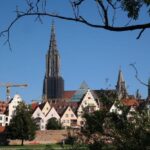
- Minster Square and the Ulm Minster exterior tower story
- From Minster area to modern Ulm: Medieval meets modern
- Ulm Town Hall: fresco cycle and the astronomical clock
- Leaning Butcher tower and the city wall walk
- The fishermen’s and tanners’ quarter: medieval alleys, bridges, and the Crooked House
- Pace, timing, and what to wear on a 1.5-hour route
- Value check: is $14 worth it for this evening tour?
- Who this tour suits best
- Should you book Ulm’s Evening Stroll Through the Old Town?
- FAQ
- How long is the Ulm evening old-town stroll?
- Where does the tour start?
- What major sights will I see during the walk?
- Does the tour include modern architecture as well as medieval streets?
- What’s special about Ulm Town Hall on this tour?
- Will I be walking most of the time?
- Is the tour guided, or self-guided?
- What language is the tour in?
- How much does it cost?
- Is there a refund if my plans change?
Key things to look forward to
- Ulm Minster exterior history: what makes the world-famous tower such a construction story
- Medieval meets modern: newer buildings placed right in the city center
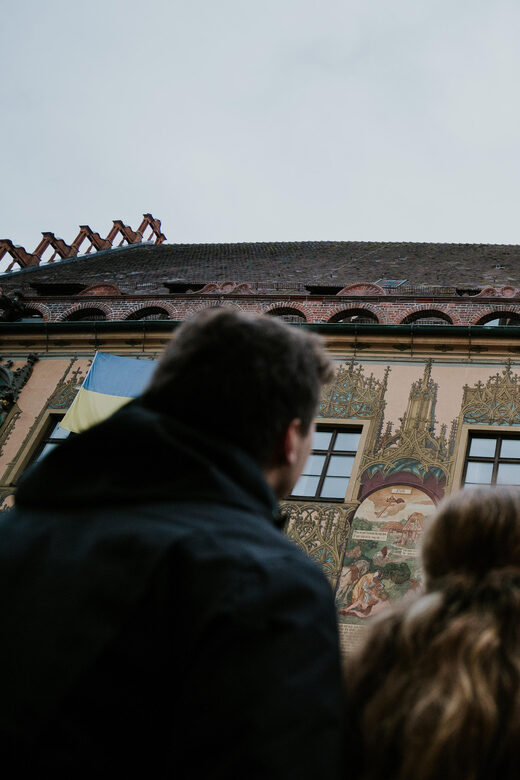
- Ulm Town Hall details: a major 16th-century fresco cycle and an astronomical clock
- Leaning Butcher tower and city wall: classic Ulm angles you’ll notice more at night
- Fishermen’s and tanners’ quarter: small alleys, bridges, and footbridges in a medieval-style setting
- Crooked House / leaning hotel: a Guinness-style curiosity in restored old craftsmanship areas
Why an evening stroll in Ulm is more than a pretty walk
Ulm at night feels calmer, like the town has room to tell its story. Streetlights soften the sharp edges of buildings, and small changes in lighting make details easier to notice—corner shapes, window patterns, street levels, and those “wait, why is that tower leaning?” moments.
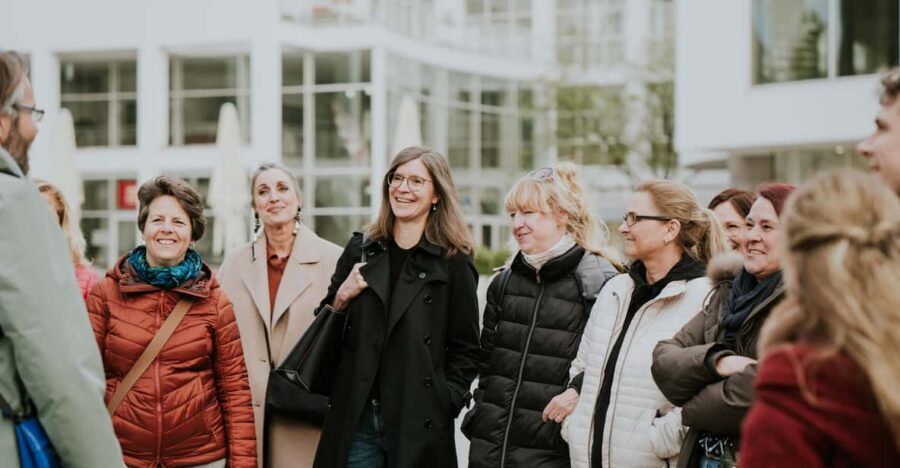
This tour works well if you want city context, not just sightseeing. You get a guided thread that links the Minster area to Ulm’s historic craft districts and then forward to newer architecture. I like that balance because it helps you understand Ulm as a living city, not a museum you pass through.
The price is also part of the value equation. At about $14 per person for a 1.5-hour guided route, you’re buying time and explanation—especially useful when the sights include specific items like an astronomical clock and a large fresco cycle.
You can also read our reviews of more tours and experiences in Ulm.



Minster Square and the Ulm Minster exterior tower story
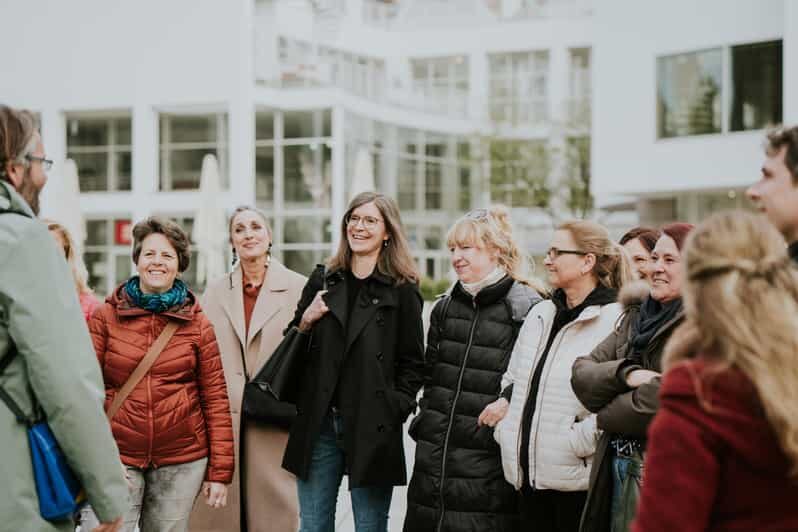
The tour begins at Minster Square, which is the natural starting point because the Ulm Minster sits there like the city’s anchor. Even from the outside, the Minster’s tower history is the kind of information that changes how you look at a building. You’ll hear what made the construction so notable and why the tower is often described in superlatives—without getting stuck in technical overload.
This is a great early stop for two reasons. First, it sets the scale of Ulm. Second, an exterior tour makes sense at night: you can look up, keep moving, and still take in the lighting effect on stone and silhouette.
Practical note: this portion includes time spent looking around, so if you’re sensitive to cold, bring a layer. If you’re not, you’ll still want to pause for the big-picture view when the group naturally slows down for the explanation.
From Minster area to modern Ulm: Medieval meets modern
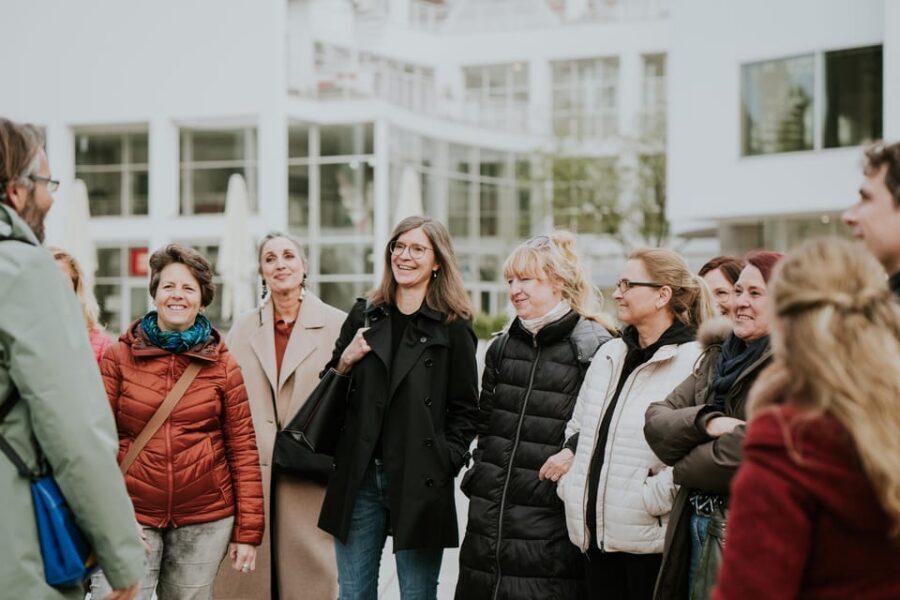
After you leave the Minster area, the tour shifts into the “Medieval meets modern” theme. You’ll walk toward the newer city center and see modern buildings that were constructed right where you’d expect older styles. For many visitors, that contrast is the whole point: Ulm didn’t stop at medieval times, and the city center shows how planning and growth continued for decades.
I like this section because it helps you avoid the common mistake of only photographing old streets. You’re not being asked to like modern architecture—you’re being given a lens to understand why the city placed it here, how it interacts with older landmarks, and what that says about Ulm’s identity.
If you enjoy architectural contrasts—old materials next to newer forms—this part will feel especially satisfying. If you only want Gothic details, you might treat this as a short transition, but it still sets up what comes next by showing how Ulm’s center is stitched together.
Ulm Town Hall: fresco cycle and the astronomical clock
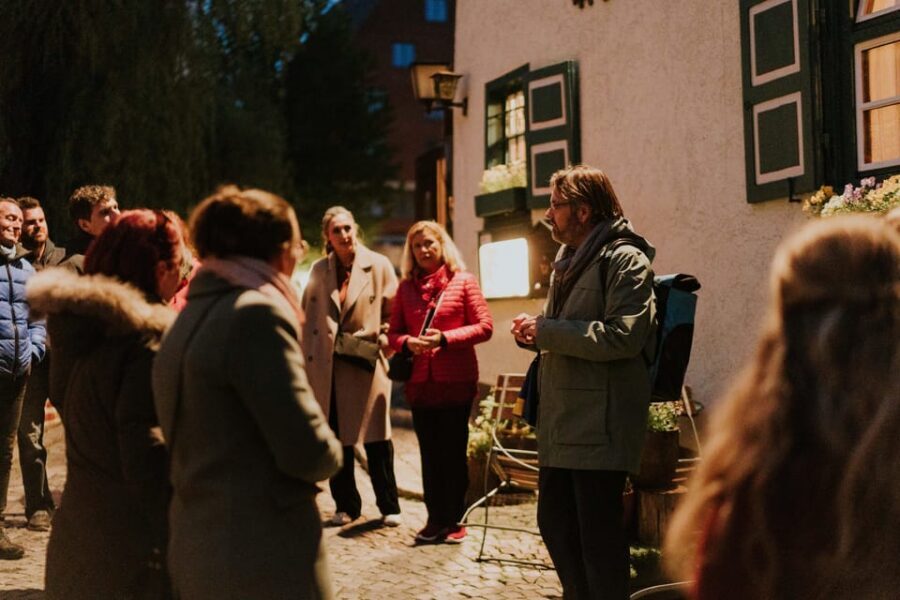
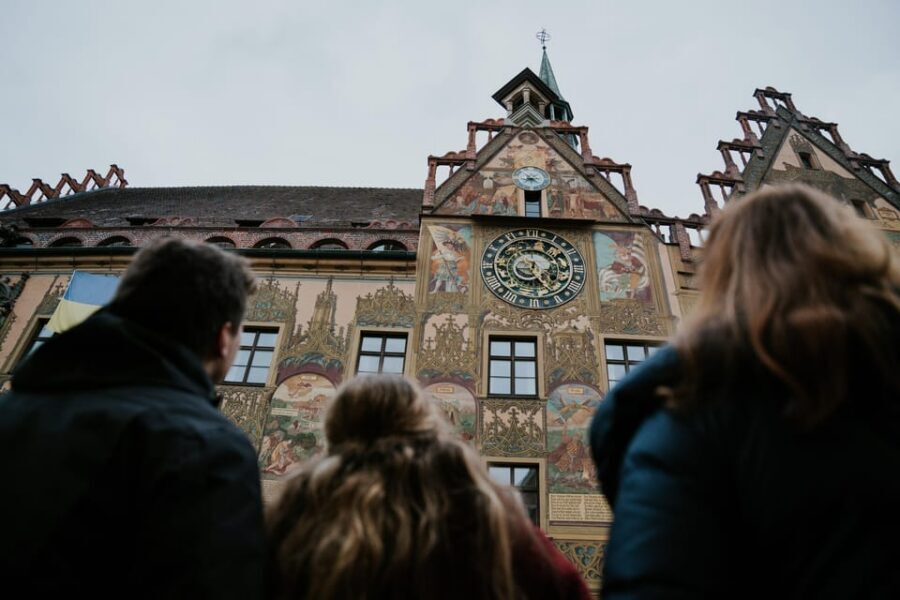
Near the route’s midpoint, you’ll reach Ulm Town Hall, an early Renaissance building that’s famous for two things that work together in your memory once you see them.
First, there’s what’s described as probably Germany’s largest 16th-century fresco cycle. You don’t need to be a Renaissance expert to appreciate why this matters. A large fresco cycle turns a building’s exterior and interior story into something visual and civic—it’s a statement about who ran the city and what was worth showing.
Second, there’s the astronomical clock with zodiac signs and moon phases. This is the kind of feature that makes old city centers feel alive, even when you’re standing still. Clocks like this connect daily life to a wider worldview—time, the sky, calendars—through a device you’d otherwise think of as purely practical.
At night, the Town Hall area often feels more dramatic simply because you’re paying attention to shapes and details rather than daylight crowds. You’ll get the explanations in context, which helps you understand what you’re looking at beyond the surface.
Leaning Butcher tower and the city wall walk
Next up is a mix of quirky and historical: you’ll pass the leaning Butcher tower and then continue toward the city wall. The leaning tower is one of those Ulm features that most visitors notice instantly, but the guided part matters because it frames the building as part of a larger urban story rather than a stand-alone oddity.
Then the route heads to the city wall, where your perspective changes. A wall isn’t just a wall—it’s how a city defined boundaries, defense, and movement. Even without dramatic ruins, walls tell you where people could go, where they couldn’t, and how the city grew around those constraints.
This is also a good stretch for photos, because angles matter more at night. If you like city silhouettes, this is when you’ll start comparing viewpoints you didn’t realize you were getting as you walked.


The fishermen’s and tanners’ quarter: medieval alleys, bridges, and the Crooked House
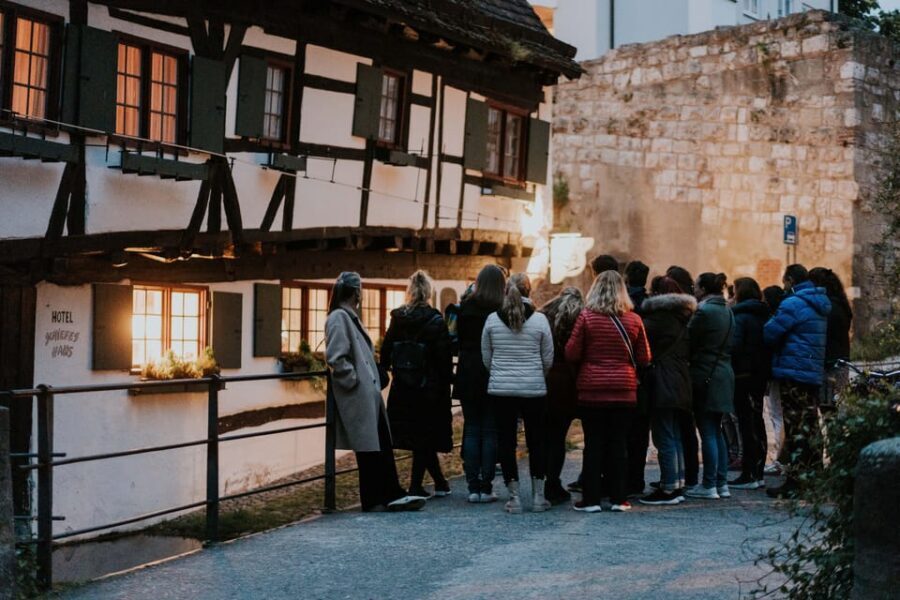
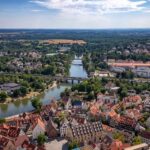
This is the romantic heart of the route. The tour heads into the fishermen’s and tanners’ quarter, often described as Ulm’s most important old-town ensemble. And yes, at night it really does feel medieval, mostly because of the layout: small alleys, bridges, and footbridges that make the old streets feel like they fold over each other.
You’ll see the area in a way that’s easier to appreciate on foot. Instead of “big attraction,” it becomes “maze-like charm”—the kind of place where you keep noticing small turns and then realizing you’re still following a guided logic. The restored craftsmanship character adds to the effect, because you’re not looking at raw ruins; you’re looking at buildings treated as part of the living city.
A key highlight is the Crooked House, described as the world’s most leaning hotel according to the Guinness Book of World Records. It’s the sort of photo stop that’s almost too simple—until you hear the context and realize you’re looking at a visible record of design quirks turned into a personality marker for the district.
If you’re traveling with someone who likes atmosphere as much as sights, this section is a strong match. It’s also one of the best times to slow your pace slightly during the free moments, so you can take in the alley details without feeling rushed.
Pace, timing, and what to wear on a 1.5-hour route
The duration is about 1.5 hours, and the route is built for an evening stroll: you’ll walk from one landmark cluster to another without long stretches of dead time. That time includes explanations, transitions, and enough stops for photos—just don’t plan to treat it like a slow wander where you stop whenever you want.
Wear shoes you trust. This is a walk through old-town streets and quarters, and even if the sidewalks are fine, you’ll be on uneven-feeling surfaces and small lanes in the medieval district.
Also plan for language. This is a live German tour, so if you’re not comfortable following German explanations, your enjoyment will depend on how much you can pick up from keywords like building names and clock features. One of the most helpful things you can do is come with a small mental checklist: Minster, Town Hall, astronomical clock, city wall, crooked house. Even partial understanding becomes more satisfying when you know what you’re aiming for.
Value check: is $14 worth it for this evening tour?
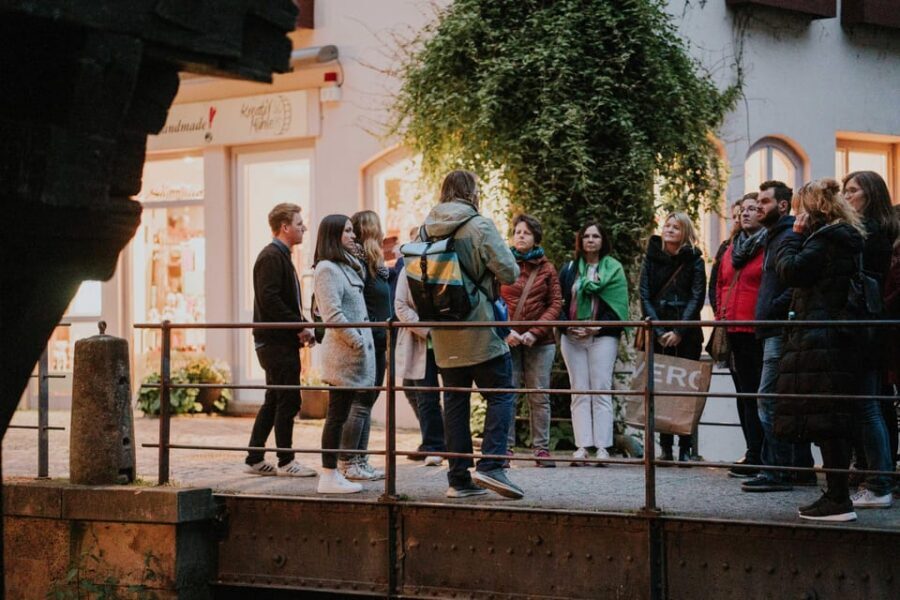
For around $14 per person and 1.5 hours with a professional guide, the value is strong if you like context. You’re paying for the connections: why the Minster matters, what the Town Hall fresco cycle means, what makes the astronomical clock special, and why Ulm’s craft quarter is arranged the way it is.
This tour is less about ticking boxes and more about turning landmarks into a story you can retell later. If you’re the type who enjoys guided explanations—especially when the guide is described as informative and even humorous—this price lands in the sweet spot.
If you’re only interested in quick photos and you already know the highlights, then you might prefer a self-guided walk. But most people appreciate having someone point out the details that you’d otherwise miss in the dark.
Who this tour suits best
This is ideal for you if:
- you want an evening-friendly way to see Ulm’s major landmarks in a short time
- you enjoy guided stories that connect architecture and city life
- you’re curious about unusual features like the astronomical clock and the leaning hotel
It’s a weaker fit if:
- you need the tour in English, because German is the live guide language
- you don’t want any walking and prefer seated attractions only
In reviews, one guide named Anne stands out for being humorous and answering questions, which is exactly the kind of guide style that makes an evening walk feel lively instead of scripted.
Should you book Ulm’s Evening Stroll Through the Old Town?
I think you should book it if you want a guided evening that’s short, organized, and genuinely focused on what makes Ulm feel like Ulm. The combination of Ulm Minster, Ulm Town Hall’s fresco cycle and astronomical clock, and the fishermen’s and tanners’ quarter hits a sweet spot: big landmark energy plus medieval street charm.
If your German is solid enough to follow a standard city tour, this is a simple win. If your German is weak, your decision depends on your comfort with partial understanding—because the guide is German-led.
FAQ
How long is the Ulm evening old-town stroll?
It lasts about 1.5 hours.
Where does the tour start?
The tour starts at Minster Square.
What major sights will I see during the walk?
You’ll see the exterior of Ulm Minster, the route through the north of the Minster area toward the newer city center, Ulm Town Hall, the leaning Butcher tower, the city wall, and the fishermen’s and tanners’ quarter including the Crooked House.
Does the tour include modern architecture as well as medieval streets?
Yes. The walk highlights the theme Medieval meets modern and shows newer buildings in the heart of Ulm.
What’s special about Ulm Town Hall on this tour?
You’ll learn about the building’s fresco cycle and you’ll also hear about its astronomical clock with zodiac signs and moon phases.
Will I be walking most of the time?
This is an evening strolling tour, so expect to walk through the old-town areas between stops.
Is the tour guided, or self-guided?
It includes a professional live guide.
What language is the tour in?
The live tour guide language is German.
How much does it cost?
The price is listed as $14 per person.
Is there a refund if my plans change?
Free cancellation is available up to 24 hours in advance for a full refund.