REVIEW · STRALSUND
Stralsund: Factory Tour with Fermented and Organic Tastings
Book on GetYourGuide →Operated by Ostsee-Probiotika GmbH · Bookable on GetYourGuide
Fermentation has a smell and a story. This Stralsund factory tour lets you see how organic ingredients turn into fermented products powered by lactic acid bacteria, then taste the results with a guide. I love how practical the explanations are, and I especially like that you get access to production areas that are normally closed off.
The small group setup is another plus. You’ll be led through the factory, learn the principles behind their everyday approach, and then try their in-house recipes so you can decide what the products taste like for yourself. One drawback to think about first: this is a focused food-and-fermentation experience, not a long sightseeing outing, and photography/video inside is not allowed.
In This Review
- Key Things I’d Put On Your Must-Do List
- Fermented Foods, Organic Ingredients, and a Small-Group Factory Walk
- Inside the Factory: The Closed-Off Rooms You Actually See
- The Fermentation Setup: Herbs, Berries, Roots, Spices, and 9 Bacteria Strains
- From Production to Your Table: How the On-Site Tastings Work
- More Than Human Comfort: Products for Animals and Soil
- Practical Info Before You Go: Languages and What’s Not Allowed
- Price and Value: Why Around $11 Can Feel Like a Bargain
- Is This Tour Right for You? Good Fit and Possible Misfit
- Should You Book the Stralsund Fermentation Factory Tour?
- FAQ
- How long is the Stralsund factory tour?
- What’s included in the price?
- How much does it cost?
- How big is the group?
- Which languages are available?
- Is the factory tour wheelchair accessible?
- Are photography or video recordings allowed inside?
- Are there restrictions on smoking, drones, or alcohol?
- What type of products are made and tasted?
- Are there rules about what I can bring?
Key Things I’d Put On Your Must-Do List
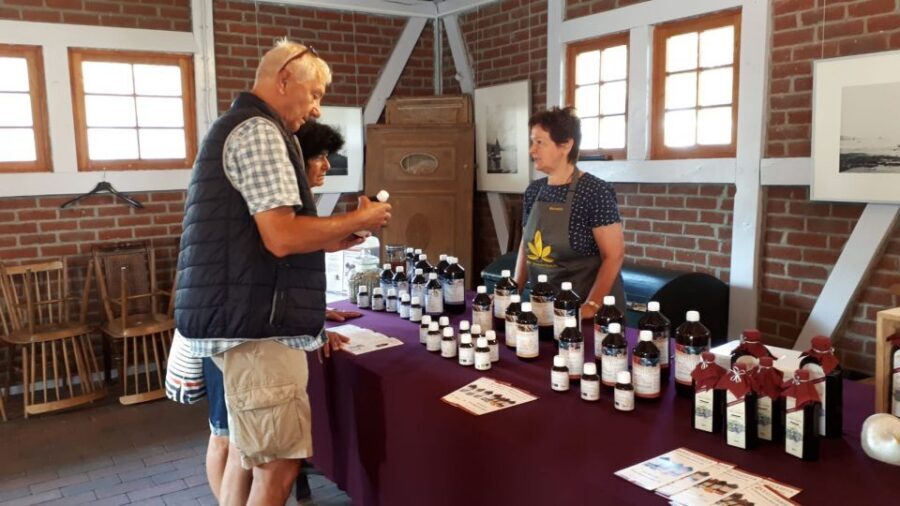
- Production rooms you can’t usually enter: see the process area directly, not just a showroom.
- Organic BIO approach: products are BIO certified or approved for organic farming.
- 9 strains of lactic acid bacteria: a clear look at the fermentation ingredients behind the flavor.
- Taste along with the story: the tour ends with on-site tastings.
- More uses than just food: they also make products for animals and for soil/garden use.
- A small group, real Q&A energy: limited to 6 participants, so questions don’t get lost.
Fermented Foods, Organic Ingredients, and a Small-Group Factory Walk
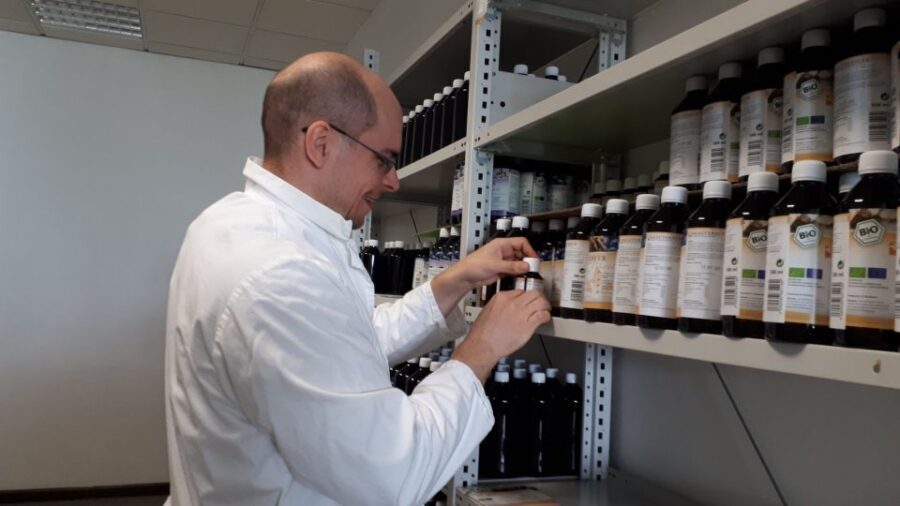
If you like food that has a purpose, this tour in Northern Germany is an easy yes. The experience is built around fermented products made with lactic acid bacteria, herbs, and berries, and the company is explicit about the organic side: the ingredients are BIO certified or approved for organic farming.
What makes it feel worth your time is the way the guide ties the science to daily life. You don’t just hear what’s in the jars. You learn the everyday principles they follow, how those show up in the production steps, and why they connect their work to something practical like gut comfort. In other words: it’s not “marketing talk.” It’s a production story told in plain terms.
Two details I really liked:
- You get to walk through real production areas, including rooms that are otherwise closed to the public.
- You taste on site, so you can match the explanation to the flavor right away.
You can also read our reviews of more tours and experiences in Stralsund.

Inside the Factory: The Closed-Off Rooms You Actually See
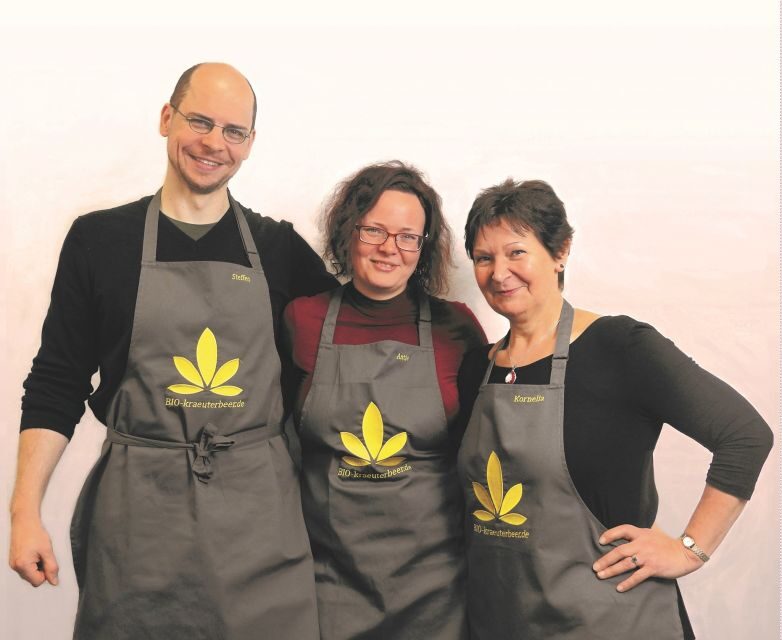
This tour is short—about 1 hour—so it doesn’t waste time. You’ll be guided through the factory to see how the fermented products move from ingredients to final, ready-to-hold products. The key difference here is access. They’ll show you areas that visitors normally can’t enter, including production rooms.
That matters because fermentation is hard to picture from a label. You want to see where the process happens, how the workspace is set up, and how the workflow feels. In a place like this, you often catch small cues: how they handle ingredients, how materials are stored, and how the production sequence is laid out. It’s the kind of “behind the curtain” view that makes the whole topic more understandable.
The overall vibe stays friendly and relaxed. Even when the topic gets technical—like strains of bacteria and fermentation principles—the guide keeps it readable. People also tend to enjoy the humor in the delivery, which helps the hour move quickly.
The Fermentation Setup: Herbs, Berries, Roots, Spices, and 9 Bacteria Strains
The heart of the tour is fermentation using lactic acid bacteria. You’ll learn what makes their products special, and they tie that to natural processes and organic ingredients.
Here are the elements you’ll hear about during the walk:
- Handpicked herbs
- 9 different strains of lactic acid bacteria
- Special berries
- Roots and spices
This mix is more than a list. It’s how they build flavor and function. Different bacteria strains can influence fermentation behavior, and that affects taste, texture, and how the product develops during the process. The herbs, berries, roots, and spices also contribute their own character, and the guide explains how those ingredients fit into the process steps.
If you’ve ever tried fermented foods and wondered why they taste so different from one brand to another, this part helps you connect the dots. You stop thinking of fermentation as one universal thing and start seeing it as a controlled natural process—guided by ingredient choices and fermentation principles.
From Production to Your Table: How the On-Site Tastings Work
After you’ve walked the production side, you shift into tasting. This is included, and the tasting is where the experience becomes personal.
You’ll experience the products with your own senses—so you can judge things like:
- how the flavors land on your tongue
- what the fermentation taste feels like (tang, depth, aroma)
- how the herbs and berries show up in the overall profile
The company also frames their food as a good gut feeling product. They don’t just say it’s for humans. They also describe use for animals and even for the garden, which is part of their “everyday life” approach. Whether you buy into the concept completely or just enjoy it as food, tasting is what makes it real.
One small practical thing: go in with a mindset that you’re trying, not judging. If you’re expecting a sweet snack, you might be surprised. If you already like tangy, fermented flavors, you’ll likely feel right at home.
More Than Human Comfort: Products for Animals and Soil
A standout part of this tour is that it doesn’t stop at food for people. You’ll learn about production and principles that connect to:
- products for animals
- products for soil and garden preparation
The idea is that fermentation-based inputs can support healthier plant growing and broader well-being. In real terms, that means you’re seeing the same philosophy applied in different directions—not just one narrow product line.
This is one of the reasons the tour gets strong feedback. People like the way the company thinks beyond a single use case. It also adds variety to what you see and hear. Instead of a factory tour that only focuses on a single consumer product, you get a more complete picture of their “natural process” approach across different applications.

Practical Info Before You Go: Languages and What’s Not Allowed
Plan this like a focused visit, not an all-day plan. The tour runs about 1 hour and is led by a live guide. Languages offered are German, English, and French, which helps if you’re traveling with limited German.
Group size is limited to 6 participants, so you’re not stuck in a crowd. That’s a real advantage in a factory setting because you can ask questions without the usual shuffle-and-wait dynamic.
One more practical note: the experience has clear rules for safety and conduct. You should be aware that:
- smoking is not allowed
- drones are not allowed
- alcohol and drugs are not allowed
- video recording is not allowed
- photography inside is not allowed
- bare feet are not allowed
- weapons or sharp objects are not allowed
These rules make sense in a production environment. Just don’t plan on taking photos as your main memory. Bring curiosity instead.
Also, the tour is wheelchair accessible, which is good to know if mobility is a factor for you or your travel group.
Price and Value: Why Around $11 Can Feel Like a Bargain
At about $11 per person for roughly an hour, this is priced like a small, straightforward experience—not a long museum-style visit.
What makes the value stand out is the mix of elements you get for the money:
- a guided walk through a working fermentation operation
- access to production rooms that are normally closed
- an on-site tasting of their products
- a small group of up to 6, which usually means better interaction
If you’ve ever paid more for tours that mostly show you a shop and a brochure, this doesn’t feel like that. It’s production-focused, and it ends with tasting. That combination—seeing process and tasting results—tends to deliver the best “did I learn something?” payoff.
The only time you might feel it’s not worth it is if you want a long, high-budget spectacle or lots of general sightseeing content. This is about fermentation and organic products. If that’s your interest, $11 feels fair. If it’s not, you’ll notice the short duration more.
Is This Tour Right for You? Good Fit and Possible Misfit
This tour is a great match if you:
- like fermented foods and want to understand what drives the taste
- care about organic/BIO ingredients
- enjoy practical tours where you see real work, not just displays
- want a small-group setting with space for questions
- are curious about fermentation beyond one single product category (including animals and soil)
It might be a less perfect fit if:
- you strongly dislike fermented flavors and don’t want to taste anything tangy
- you were hoping for a long cultural or historical walking route
- you depend on photography/video to remember a trip (since inside photos and video are not allowed)
A final balanced note: with a small family operation, the tour’s feel can be very personal—sometimes warm and funny, sometimes more focused and businesslike. You’re visiting a working process site, not a stage show. That’s usually a positive, but it’s good to calibrate your expectations.
Should You Book the Stralsund Fermentation Factory Tour?
I think you should book it if fermentation and organic food are on your travel curiosity list. The combination of production-room access, a small group, and tastings makes it feel efficient and memorable, even though it’s only about an hour. I also like that they connect the products to everyday use, including animals and soil/garden preparation, which gives you a fuller picture than a single-purpose tasting tour.
If you’re the type who gets more out of “how it’s made” than “where it is,” this will land well. If you’re only looking for general sightseeing or you’re sensitive to fermented flavors, you might want to pass—or at least go into the tasting part with open-minded expectations.
FAQ
How long is the Stralsund factory tour?
The tour lasts 1 hour.
What’s included in the price?
You get a guided tour and a tasting of the products.
How much does it cost?
It’s listed at about $11 per person.
How big is the group?
It’s a small group limited to 6 participants.
Which languages are available?
The live guide speaks German, English, and French.
Is the factory tour wheelchair accessible?
Yes, the activity is wheelchair accessible.
Are photography or video recordings allowed inside?
No. Photography inside and video recording are not allowed.
Are there restrictions on smoking, drones, or alcohol?
Yes. Smoking is not allowed, drones are not allowed, and alcohol and drugs are not allowed.
What type of products are made and tasted?
They produce fermented products using lactic acid bacteria, herbs, and berries (with BIO certified/organic-approved ingredients).
Are there rules about what I can bring?
Weapons or sharp objects are not allowed, and bare feet are not allowed.