REVIEW · BERLIN
Produce Techno and House Music in Berlin
Book on GetYourGuide →Operated by Andy Sexton · Bookable on GetYourGuide
Berlin starts with a beat. In this 2-hour house and techno production masterclass, I love the hands-on setup in a real studio in the clubbing district, where the goal is simple: you leave with a track shape, not just theory. You get real gear (modern and vintage) and time with production software, so the music feels like something you can actually build.
What I also like is the teaching style. Andy walks you through synthesizer and drum machine programming, then guides you through recording, arranging, and mixing so the result is ready for club sound. One consideration: the session is short, so you’ll move fast—if you want slow, step-by-step comfort, you may prefer a follow-up workshop.
In This Review
- Key takeaways before you book
- Why a Berlin Studio Session Beats a Typical Music Class
- The Studio Setup: Gear, Instruments, and a Proper Working Space
- A Simple 2-Hour Flow: Program, Record, Arrange, Mix
- Step 1: Programming synthesizers and drum machines
- Step 2: Record and arrange your house or techno track
- Step 3: Mixdown for club play
- Berlin Culture You Can Hear in the Process
- What the Teaching Style Feels Like in Real Life
- Equipment and Software: What’s Included, and Why It’s Good Value
- Price and Value: Is $147 for 2 Hours Worth It?
- Who This Is For (And Who Might Feel Frustrated)
- Practical Things to Know Before You Go
- Should You Book This Berlin House and Techno Masterclass?
- FAQ
- How long is the masterclass?
- Where does the experience take place?
- What music styles will I learn to produce?
- Do I need prior music production experience?
- What will be included during the session?
- Is the class small?
- Is it suitable for children?
- Is it accessible for wheelchair users?
- What are the basic rules in the studio?
Key takeaways before you book
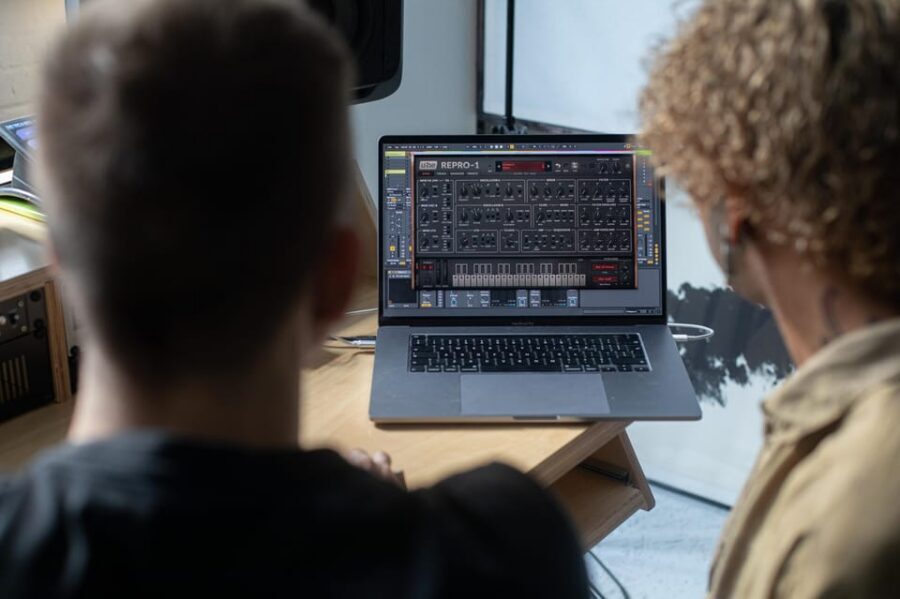
- Small group (max 4) means you’re not lost in a crowd while you set patterns and tweak sounds
- House and techno workflow: program, record, arrange, then mixdown for club-ready output
- Modern + vintage studio gear plus lots of microphones and instruments (piano, guitar, percussion) to try out
- English instruction with a friendly, structured approach that works even if you’ve never produced before
- Berlin context built into the session, so the music connects to the city’s underground culture
Why a Berlin Studio Session Beats a Typical Music Class
If you’re in Berlin for nightlife, it’s easy to only see the last 10%: the lights, the crowd, and the drop. This experience targets the other 90%—how a track gets made. You’re not learning music history in the abstract. You’re learning how house and techno are built, from drum patterns and synth voices to a final mix that’s meant to work in loud club environments.
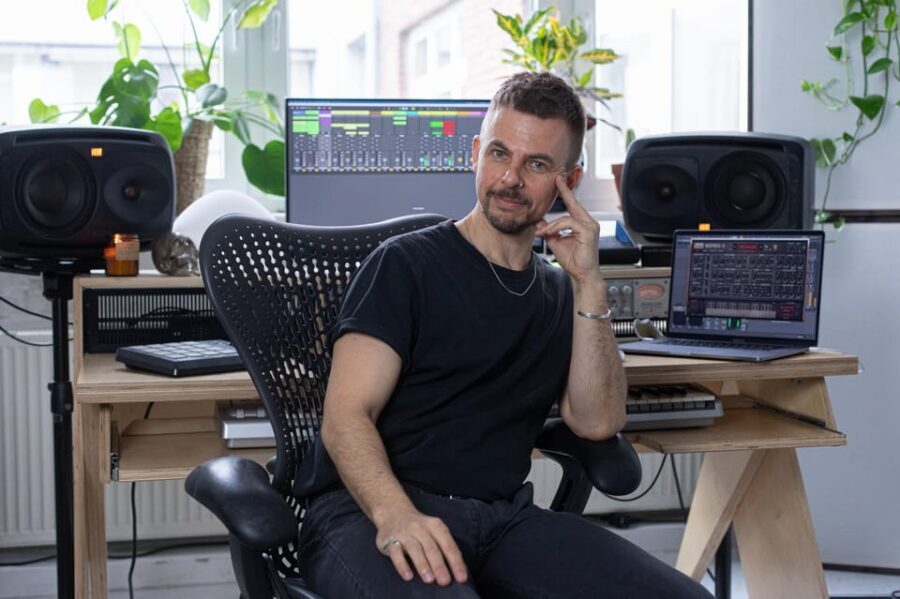
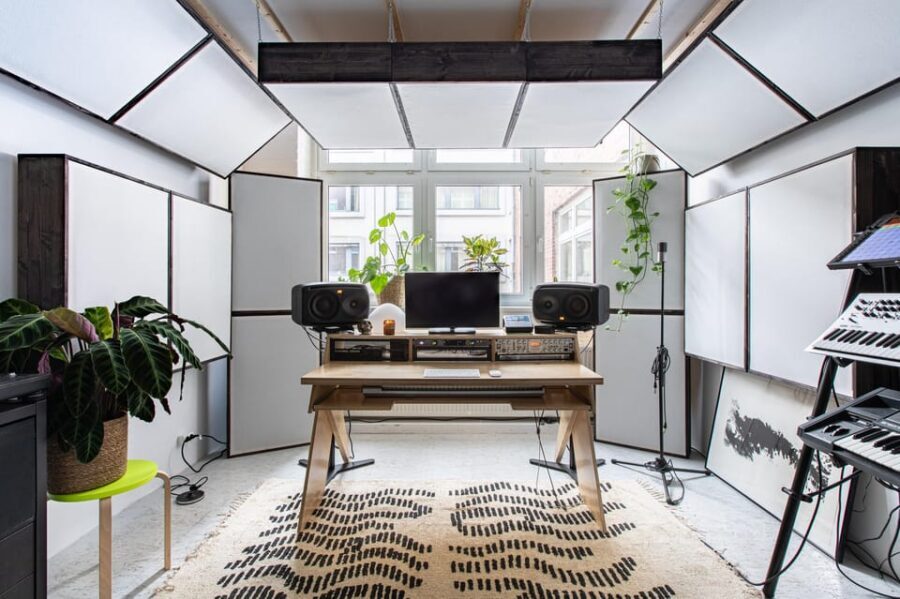
And the studio matters. This isn’t described as a classroom setup. It’s a working music space with both modern and vintage gear, plenty of microphones, and acoustic instruments like piano, guitar, and percussion. That mix of tools gives you options when you want something punchy, something melodic, or something textured.
The second big win is the teaching focus. You’re guided through practical decisions: what to program first, how to structure a track, and how to get a mix down that makes sense for the club. That’s the difference between fiddling with sounds and actually finishing a piece of music.
You can also read our reviews of more tours and experiences in Berlin.



The Studio Setup: Gear, Instruments, and a Proper Working Space
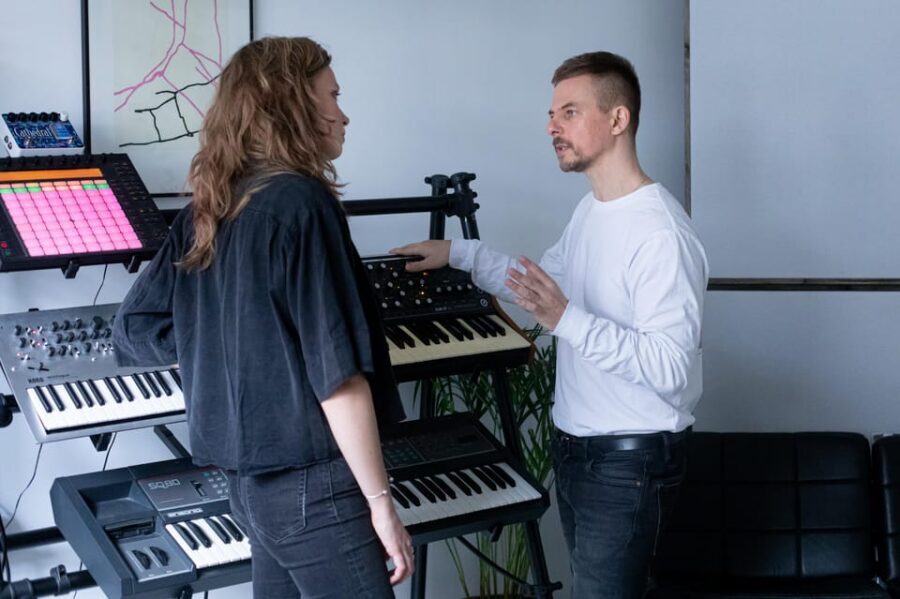
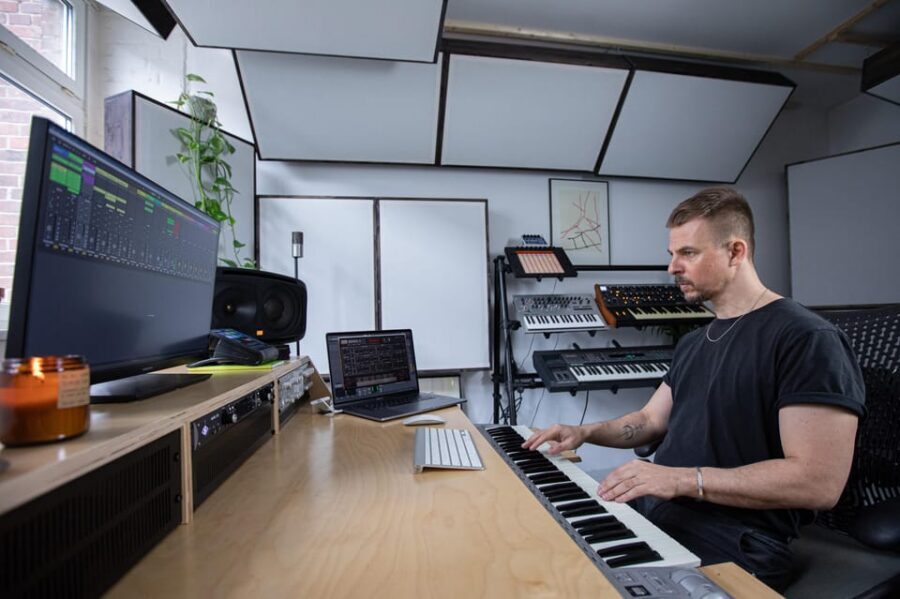
The studio is set up for real production, not just demo playback. You’ll have access to professional production software, and you’ll work with the kind of equipment that makes electronic music feel physical. Think of synthesizers and drum machines as your building blocks. Then layer in microphones and acoustic instruments if you want extra character.
A detail I appreciate from the way this is presented: the gear includes both modern and vintage options. That’s useful because house and techno producers often choose tools for a reason—tight transient response for drums, a particular character in synth filters, or a specific kind of grit. You may not know what you want yet, but having different options in the room helps you experiment without waiting for a second visit.
Also, the group size is limited to 4 participants. In a studio, that matters. When you’re programming patterns or recording parts, you need room to try, ask, and adjust. Small group teaching means you’re more likely to get unstuck quickly.
A Simple 2-Hour Flow: Program, Record, Arrange, Mix
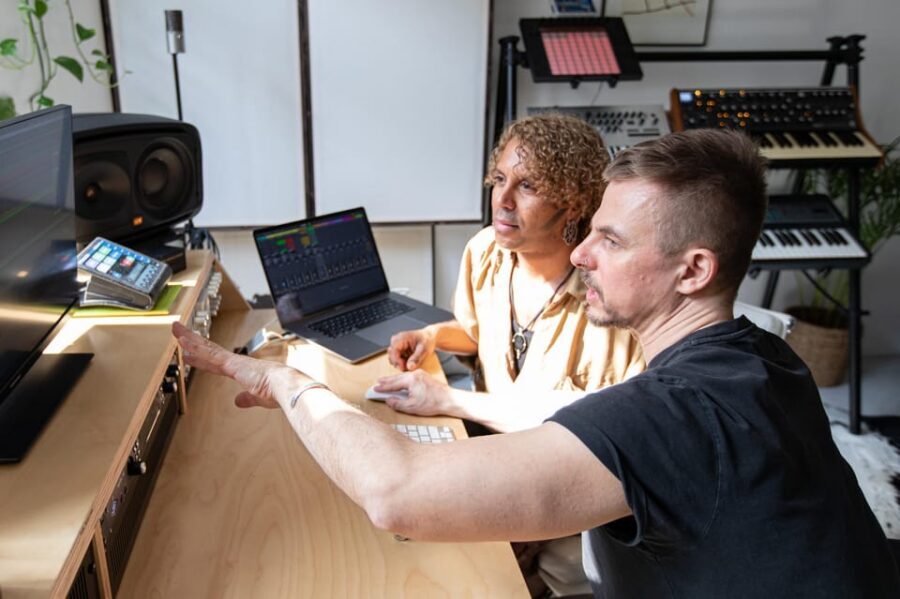
This masterclass is designed around a full mini-production cycle. In 2 hours, you’re not making a full album. You’re learning how the process connects—so you can repeat it later at home.
Step 1: Programming synthesizers and drum machines
The session starts with programming, and that’s the right place. House and techno are driven by rhythm and momentum. You’ll learn how to program synthesizers and drum machines to create a track foundation.
If you’re new, you might worry you’ll be overwhelmed by settings and menus. The format is built to avoid that. You’re shown the steps that matter for making a working groove, not a list of every possible parameter. You’re learning patterns, sequencing, and how sounds interact once they start moving together.
From the feedback shared about Andy’s teaching, one theme comes up: he doesn’t just show clicks. He explains the methodology and frameworks behind decisions. That’s valuable because it helps you understand what to do next time, even when the exact sound or software interface changes.
Step 2: Record and arrange your house or techno track
After you build a rhythmic base, you record and arrange. This is where a production session stops being a sound lab and turns into a song structure.
You learn how to record and arrange a house or techno track using the studio’s professional software. Depending on what you choose, you might add synth lines, adjust arrangement sections, or bring in more elements from the instruments available. The key is learning how the track evolves, not just how it sounds at one moment.
Berlin techno fans often talk about hypnotic structure. This is your chance to understand it hands-on—how repetition becomes movement when you change a sound here, add a layer there, and keep the groove consistent.




Step 3: Mixdown for club play
The final phase is mixdown—preparing your track for club-style playback. That’s included, and it’s one of the most practical parts of the experience. “Good enough to finish” isn’t the goal. The goal is “ready for loud speakers,” which means your levels and basic mix balance are thought through.
Mixing is often where beginners freeze. Here, the session is guided, so you’re not guessing in the dark. Even if you don’t become a mixing engineer in one afternoon, you’ll leave with a sense of what to check and why.
Berlin Culture You Can Hear in the Process
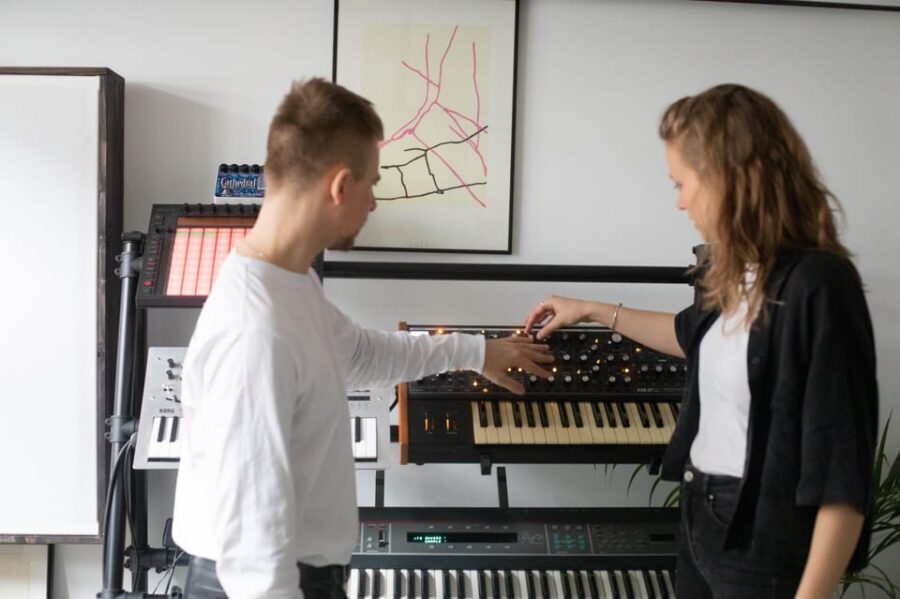
This isn’t a generic tech workshop. Berlin is presented as one of the most important international hubs for underground electronic music, and the session helps connect the city’s culture to the production work you’re doing.
In a practical sense, that means you’re learning why certain production choices fit Berlin techno and house. The city’s scene has shaped a sound that prizes rhythm, texture, and a kind of functional beauty that works in real venues. When you program drums and build a groove, you’re not just learning software—you’re learning a local music language.
One more thing: you get an inside view of the process that gives rise to the music that’s integral to Berlin culture. That perspective changes how you listen later. Instead of hearing a track as one blob of sound, you start spotting structure, pattern choices, and the difference between a simple loop and a groove that breathes.
What the Teaching Style Feels Like in Real Life
The instructor is Andy Sexton, and the English instruction is specifically helpful for international travelers. Small group teaching also makes a big difference when you’re learning a hands-on skill.
What stands out is that Andy is described as experienced and genuinely enjoy teaching. People highlight that he conveys more than steps. He shares his philosophy, methodology, and frameworks—so even if you only catch part of the process during the 2 hours, you gain something you can use later.
There’s also an empathy angle that matters more than people expect. One participant was accompanying someone with cognitive impairment who wanted to make music. Andy’s approach helped them get the concept quickly despite language barriers. That tells me the instruction style isn’t rigid. It adapts, and it works to get the session moving for different learning needs.
You might also find the atmosphere has humor and warmth. More than one description mentions friendliness and a good sense of humor, which matters when you’re trying to figure out sequencers and signal flow under time pressure.
Equipment and Software: What’s Included, and Why It’s Good Value
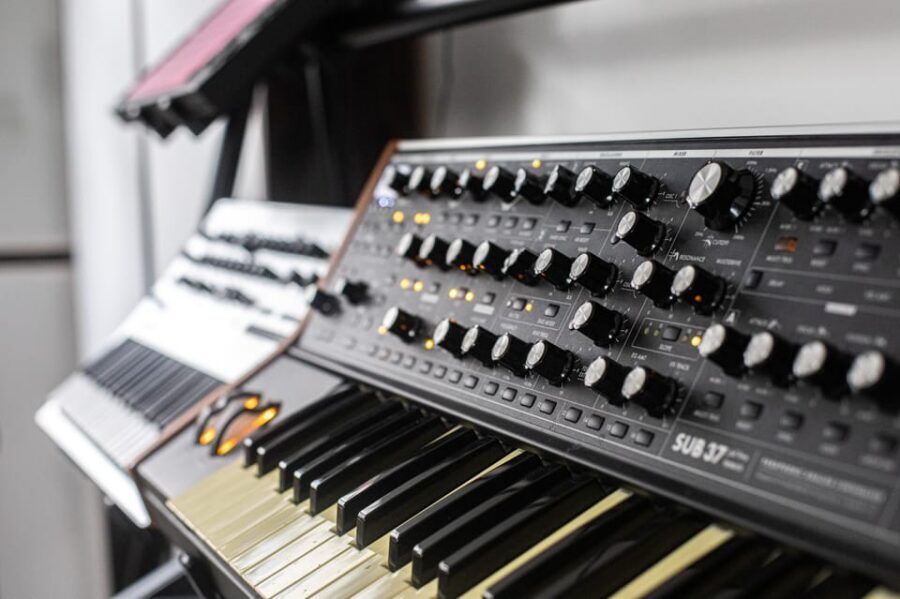
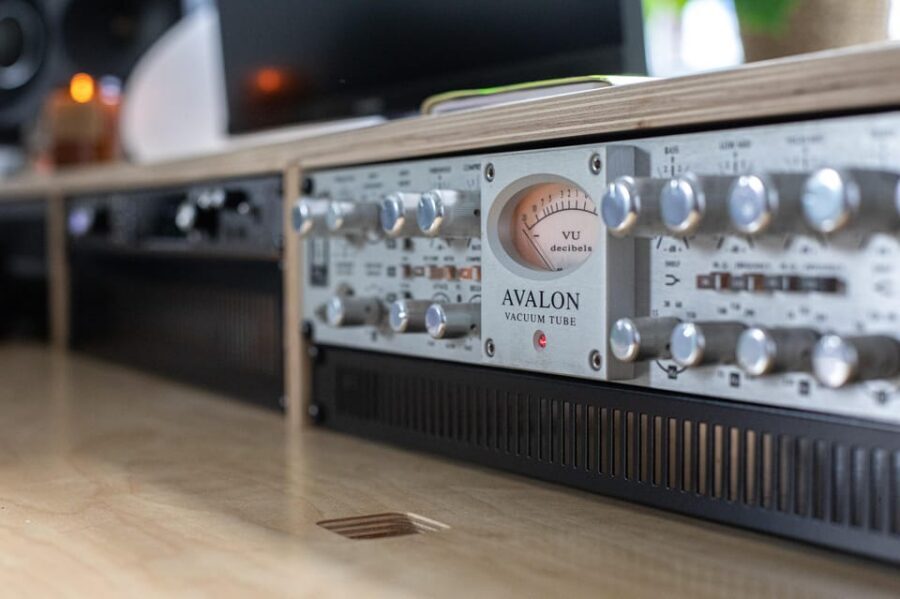
The experience includes access to professional music production software and use of modern and vintage music gear. That’s not a small detail. If you’ve ever tried to learn production with basic tools, you know how quickly you hit walls—especially with sound design, routing, and recording.
Here, the included equipment removes friction. You don’t have to guess what budget plugins or limited controllers you’ll be stuck with. You get studio instruments and microphones too, meaning your track-building options feel open.
Then there’s the included “mixdown preparation for club play.” In many short courses, the session ends before mixing or before it feels real. Here, you’re guided toward a result meant to translate to club sound. That’s part of why the 2 hours feel like a complete cycle.
Price and Value: Is $147 for 2 Hours Worth It?
At $147 per person for a 2-hour session, the value depends on what you want from Berlin.
If you want a quick taste—just one afternoon of knobs and beats—it can still be a good purchase because the group is limited to four and you’re actively making something. But the strongest value is for people who want a framework. You’re learning how to move from programming to recording and arrangement to mixdown. That’s a whole process, not a single trick.
Also, the instructor-led element is a big part of the price. You’re in a studio with professional software and gear, and you have guided time with an experienced producer. For that combination—studio access, gear, software, instruction, and mixdown—this reads like more than a casual workshop.
One practical note: since the time is short, if you’re aiming for deep mastery of sound design, you might want to treat this as step one. The course is designed to create momentum and clarity, not to turn you into a fully independent producer in one go.
Who This Is For (And Who Might Feel Frustrated)
This workshop is a strong fit if you:
- are curious about techno or house and want to understand how the music is built
- want a guided path without prior experience (no experience is required)
- like hands-on learning more than listening-only classes
- want a Berlin experience that goes behind the scenes of the underground scene
It’s also a decent option for people who want to test their interest in production. You’ll learn whether you like the workflow—sequencing, recording, arranging, and mixing.
It’s not suitable for children under 10, and participants must be at least 10 years old. The minimum age matters because the pace and technical focus are real. If you’re bringing a younger kid, you’d likely be fighting the time limits and the need to concentrate.
Practical Things to Know Before You Go
You’ll meet in a large industrial building with reddish brown brick, and you should show up a few minutes early at the front door. The session language is English, and the instructor is there to guide you through the production steps.
The format includes a strict no-smoking rule, and alcohol and drugs aren’t allowed. Littering is also not allowed. It’s a studio space, so these rules make sense and keep the environment focused.
The session is wheelchair accessible. And again, the group is small—limited to 4 participants—which is one reason the instruction can stay hands-on instead of turning into a demo.
Should You Book This Berlin House and Techno Masterclass?
If you want a Berlin music experience that’s more than nightlife sightseeing, I’d book this. The core strength is the full workflow: program drums and synths, build arrangement, then mix down for club-style playback. You also get a studio setting with modern and vintage gear plus instruments, which makes it feel like you’re actually producing, not just tapping buttons.
I’d only hesitate if you hate fast timelines. Two hours can feel intense when you’re learning production for the first time. But even then, it’s still a valuable way to get clarity. You’ll likely finish with a track shape and a better sense of what to practice next—exactly what you want from a first production session in Berlin.
If you’re a complete beginner, you’re still in the right place. And if you already make music, this can still help because you’re learning the workflow for a very specific sound: house and techno, built in a Berlin studio context.
FAQ
How long is the masterclass?
It lasts 2 hours.
Where does the experience take place?
In a music studio in Berlin’s clubbing district. The meeting point is a large industrial building with reddish brown brick; meet at the front door a few minutes before the scheduled start.
What music styles will I learn to produce?
House and techno.
Do I need prior music production experience?
No prior music production experience is required.
What will be included during the session?
Access to professional music production software, use of modern and vintage music gear, synthesizer and drum machine programming introduction, recording and arranging a house/techno track, and mixdown preparation for club play.
Is the class small?
Yes. It’s limited to 4 participants.
Is it suitable for children?
Participants must be at least 10 years old, and it is not suitable for children under 10.
Is it accessible for wheelchair users?
Yes, the experience is wheelchair accessible.
What are the basic rules in the studio?
Smoking is not allowed, and alcohol and drugs are not allowed. Littering is also not allowed.