REVIEW · POTSDAM
POTSDAM: Old historical town, a walk with a certified guide
Book on GetYourGuide →Operated by Reisebüro Urlaubsparadies · Bookable on GetYourGuide
Potsdam moves fast when you know what to look for. This 2-hour walk gives you a clear, story-led way to see the historic center, and then lands you at the Dutch Quarter to make the architecture click. I also like that the guide keeps it practical, with answers to real on-the-street questions like why the city gates look different and where the Landtag of Brandenburg is located, so you’re not just reading plaques.
One possible drawback: it’s a rain-or-shine walk, so if you hate getting cold or wet, bring real rain gear and plan for standing time on cobblestones.
In This Review
- Key takeaways before you go
- Potsdam’s story starts at Fortunaportal
- Two hours walking through Potsdam’s old, new, and “new old”
- Fortunaportal to the oldest surviving building: what you’ll notice
- Why Potsdam’s city gates look so different
- Finding the Landtag of Brandenburg on a real walking route
- Dutch-style architecture in the Dutch Quarter (and why it’s special)
- Hidden places and short stories that keep you moving
- The certified guide advantage (and why it changes your day)
- Price and value: $28 for 2 hours in Potsdam
- What to bring for a rain-or-shine walk
- Who should book this Potsdam walk?
- Should you book? My take
- FAQ
- How long is the Potsdam old historical town walk?
- Where do I meet the guide?
- Where does the tour end?
- How much does it cost?
- What language is the tour guide?
- Does the tour run in bad weather?
- What should I bring?
- Is the tour suitable for children?
- Is there free cancellation?
Key takeaways before you go
- Fortunaportal start, Dutch Quarter finish so the route feels logical and easy to follow
- Certified guide in German who explains the city in plain, story-first language
- Dutch Quarter facts: the largest closed Dutch-style buildings outside the Netherlands
- On-the-street questions about oldest surviving buildings and gate differences
- Two hours of walking that’s short enough to fit a day without feeling rushed
Potsdam’s story starts at Fortunaportal
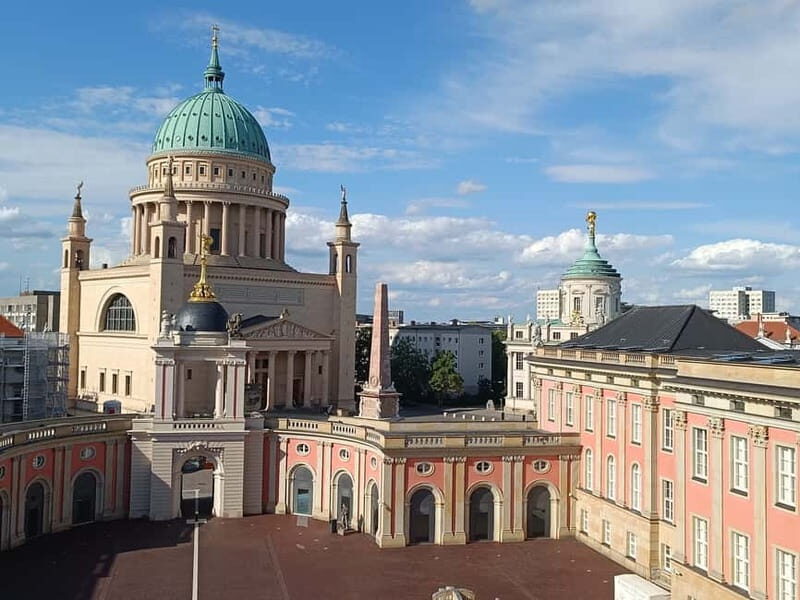
Potsdam is one of those towns where the buildings don’t just sit there. They explain the city. This tour begins at Fortunaportal, and that matters because you start with a clear historical point of entry instead of wandering randomly. Your guide waits next to the Fortunaportal, so you’re not left guessing where the meeting moment happens.
The pacing is built for the way most people actually explore: a focused walk through the historic center, with stops that answer specific questions you can carry with you. In other words, you’ll look at the city with a purpose, not just as pretty scenery.
You can also read our reviews of more walking tours in Potsdam



Two hours walking through Potsdam’s old, new, and “new old”
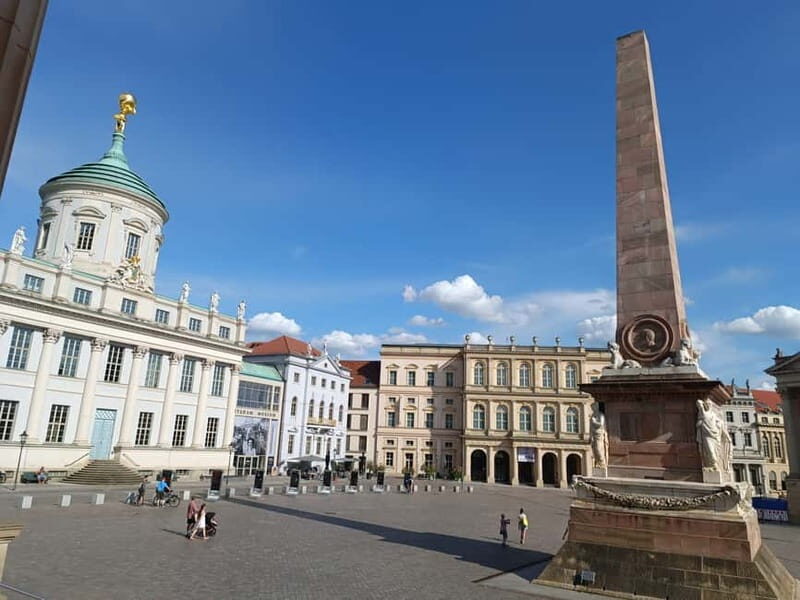
The tour is set for 2 hours, which is a sweet spot. Long enough to feel like you got oriented and learned real details, short enough to stay comfortable and not spend your whole day in transit or on your feet.
You’ll follow the footsteps of people who shaped Potsdam’s history, moving through different historic eras without the experience turning into a lecture. The goal is to help you connect what you see—buildings, gates, quarters—with why they ended up that way.
And that blend matters for value. A $28 guided walk only feels worth it when it saves you time and turns “I’m here” into “I get it.” This one aims for that by giving you context right where you can see the evidence.
Fortunaportal to the oldest surviving building: what you’ll notice
Early on, your guide will guide you toward the question that shapes the whole experience: Which is the city’s oldest surviving building? That’s not a throwaway trivia line. When someone points out the oldest surviving building, you start comparing scale, style, and survival—why some parts endured and others didn’t.
You’ll also get a sense for how Potsdam layers its identity. Even if you’re not a “history person,” the tour’s structure makes it easy to spot patterns: different styles in the same town, and different reasons those styles appeared.
Practical tip: wear comfortable shoes. This is a walking tour in a historic center, and you’ll be better off if your feet are happy from the start.
Why Potsdam’s city gates look so different
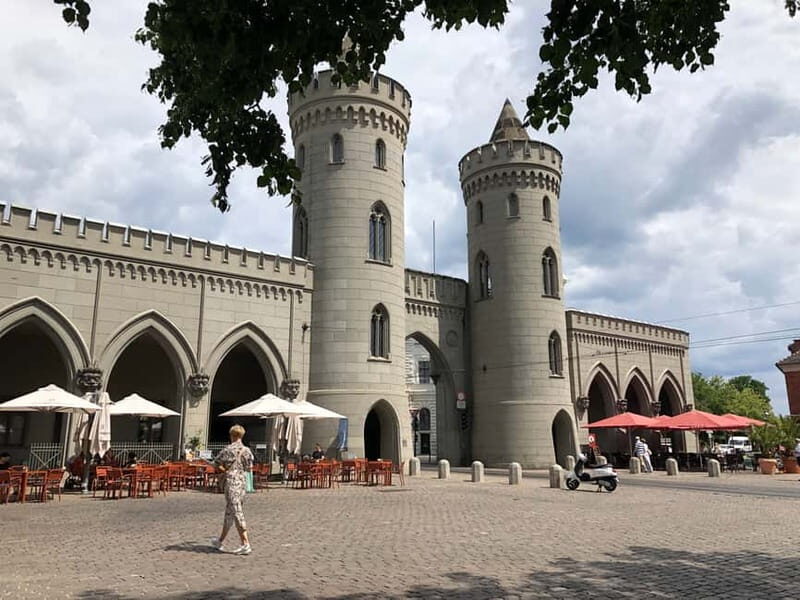
City gates are easy to ignore until you understand what they were for—and Potsdam’s gates become interesting the moment your guide asks why they look different.
Gates tend to reflect political changes, defensive needs, and shifting urban planning. Even when you don’t know the dates, you can usually see the differences in proportions, entrances, and overall style. With a guide, you don’t just notice; you learn what the visual differences likely meant.
This is one of the reasons I like guided walks like this in places like Potsdam: you get an interpretive lens. Instead of collecting random impressions, you start building a simple mental map of how the city changed over time.
Finding the Landtag of Brandenburg on a real walking route
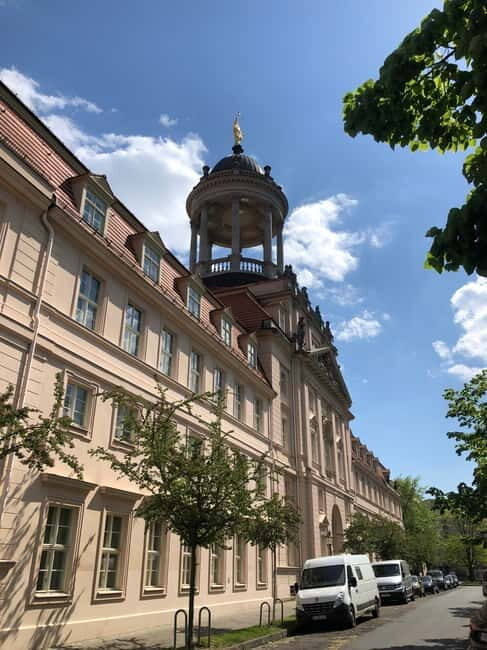
One of the clearer “you’re here, look now” moments is learning where the Landtag of Brandenburg is located. That’s the kind of landmark that can feel vague if you’re wandering on your own, because it’s not always obvious what it is or why it matters in the city.
With your guide, you get the landmark in context—part of the story of Potsdam’s civic life. And because it’s included in a walk that also covers older architecture and quarters, you can compare eras directly rather than jumping around between distant sites.
If you like doing photos that actually make sense afterward, this part helps you label what you’re seeing in your head.
You can also read our reviews of more guided tours in Potsdam

Dutch-style architecture in the Dutch Quarter (and why it’s special)
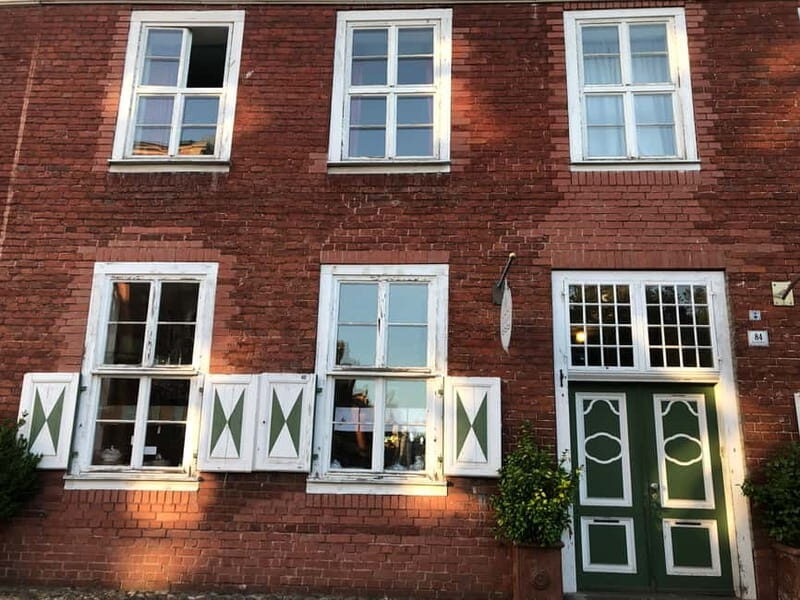
The tour’s ending point is the Dutch Quarter, which is where the “main event” feeling kicks in. The headline you should remember: the largest closed Dutch-style buildings outside the Netherlands.
That detail is more than bragging rights. It tells you the quarter was built as a complete statement, not a few scattered buildings. When you see a closed ensemble like that, you start understanding design as planning—how a group of buildings can communicate a single idea across an area.
During the walk, your guide will connect the quarter to the question who caused the Dutch Quarter to be built. That helps you avoid the common problem of looking at historic districts as just preserved “old stuff.” You start seeing them as deliberate projects.
Even if architecture isn’t your main interest, the Dutch Quarter is a good payoff because it gives you something to compare: earlier historic elements versus a highly specific stylistic district.
Hidden places and short stories that keep you moving
The highlights focus on hidden places and exciting stories, and that’s what makes the experience work. A 2-hour walking tour can’t cover every street, so your guide’s real job is selection: choosing the moments that create understanding.
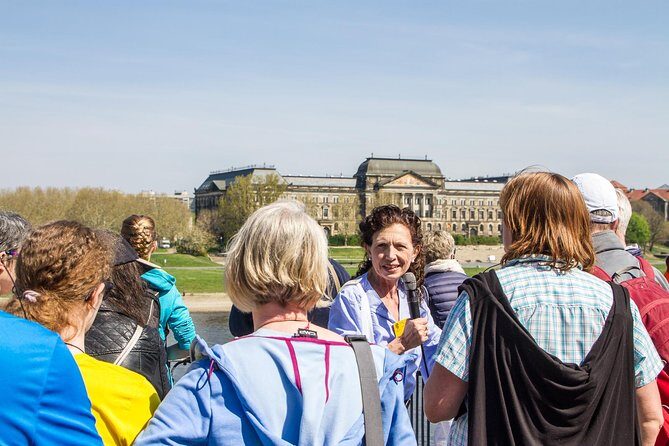
The reviews back up this approach. People liked that the guide led them into interesting corners of the city center, and that the stories felt both competent and enjoyable. One review specifically noted a humorful and skilled guide who kept the walk fun even in bitter cold, which tells me this tour isn’t dry or stiff.
Also, expect the kind of guide who answers your likely questions out loud. You may not know in advance what you’ll ask, but the tour is built around answers—oldest building, city gate differences, Dutch Quarter origins, and the Landtag location.
The certified guide advantage (and why it changes your day)
This is guided by a certified guide and the tour runs in German with a live guide. That can be a big advantage if you want the details to land clearly rather than you trying to interpret them through your own guesswork.
From the feedback you have here, the strongest pattern is guide quality: humor, competence, and lots of interesting details. I’d take that seriously, because you’re paying for the human layer. In a city like Potsdam, the street scene can look “beautiful but vague” unless someone explains what to look for.
If you read some German or you’re comfortable listening in German, this tour will feel especially smooth. If you don’t speak German, you’ll still enjoy the visuals, but the story content may be harder to follow.
Price and value: $28 for 2 hours in Potsdam
$28 per person for a 2-hour guided walk is not an impulse buy for everyone, so here’s how to judge whether it’s good value for you.
A guided city walk is worth the cost when it:
- saves you research time
- gives you context that you can’t easily find in a quick read
- helps you see the city as connected, not random stops
This tour is designed around those value points. It ends at a major landmark area (Dutch Quarter), starts at a clear meeting point (Fortunaportal), and includes specific “tell me about this” moments like the oldest surviving building and Dutch Quarter origins. It’s also short enough to fit into a busy trip day, which is real value when your schedule is tight.
If you’re the type who likes to learn while walking, you’ll likely feel the price is fair.
What to bring for a rain-or-shine walk
This tour runs rain or shine, and you’re told to bring:
- comfortable shoes
- rain gear
That’s the right advice. Historic city centers can mean uneven surfaces and damp air. Even if the forecast looks mild, bring something that keeps you comfortable for 2 hours. If you’ve ever done a cold walk in Germany without proper rain protection, you know how quickly it turns into a “just get through it” experience.
One small practical trick: wear shoes you can walk in for a full 2 hours without thinking about it. Then you’ll actually enjoy the stories instead of focusing on your feet.
Who should book this Potsdam walk?
This experience fits best if you:
- want a structured way to understand Potsdam without building your own itinerary
- enjoy architecture, civic landmarks, and “why this looks like this” explanations
- can handle a moderate walk in the historic center
It’s not suitable for children under 12, so plan accordingly if you’re traveling with younger kids.
It also helps to be comfortable with German, since the tour guide speaks German. If you prefer English-only experiences, you might feel limited here—but if you enjoy listening and you like learning on the move, it can still be a satisfying way to experience Potsdam.
Should you book? My take
If you want a guide-led way to connect Potsdam’s historic center with one of its standout areas, the Dutch Quarter, this tour is a strong pick. I’d book it if you like short walks with clear takeaways: oldest surviving building, gate differences, the Landtag of Brandenburg location, and the Dutch Quarter’s origin story.
Skip it if you hate getting outside when the weather isn’t great, or if you don’t want a German-language narration layer. In that case, you might prefer a different format that matches your pace and language comfort.
Overall: for 2 hours, starting at Fortunaportal and ending in the Dutch Quarter, this is a neat, efficient way to turn Potsdam from a beautiful place into a place you can explain.
FAQ
How long is the Potsdam old historical town walk?
The duration is 2 hours.
Where do I meet the guide?
The guide waits next to the Fortunaportal.
Where does the tour end?
The tour finishes at the Dutch Quarter.
How much does it cost?
The price is listed as $28 per person.
What language is the tour guide?
The live tour guide speaks German.
Does the tour run in bad weather?
Yes. The tour takes place rain or shine.
What should I bring?
Bring comfortable shoes and rain gear.
Is the tour suitable for children?
No. It is not suitable for children under 12 years.
Is there free cancellation?
Yes. It offers free cancellation up to 24 hours in advance for a full refund, and there’s also a reserve-and-pay-later option.