REVIEW · QUEDLINBURG
Quedlinburg UNESCO World Heritage Group Tour (private)
Book on GetYourGuide →Operated by Die freundliche Quedlinburger Stadtinfo · Bookable on GetYourGuide
Quedlinburg hits you fast: 1,100 years of town life in two hours. This private UNESCO World Heritage tour is a smart way to see the historic old town and the Schlossberg area without guessing what matters. I particularly like how the route strings together the town’s main landmarks, and I also love that you get local storytelling and practical tips on what to eat and where to go next.
The main thing to consider is pacing and comfort: the tour is in German, it includes cobblestones, and the Schlossberg has a steeper section. If you’re sensitive to slopes or you need very slow guiding, it’s worth going in with that in mind.
In This Review
- Key Things to Know Before You Go
- Quedlinburg in 2 Hours: Why This UNESCO Walk Works
- Where You Start: Market Square Meets the Green City Info Office
- Old Town Highlights: Town Hall, Churches, Streets, and That “Half-Cave” Stop
- What the Guide Teaches About Half-Timbered Houses (So You Can Actually See Them)
- Famous Personalities from Quedlinburg: Why Human Stories Matter
- Schlossberg: The Hilltop Portion That Makes Quedlinburg Feel Whole
- Klopstock House, Lyonel-Feininger Museum, and the Castle Gardens
- St. Servatii Collegiate Church: What You See (and What You Don’t)
- Price and Value: $117 for a Private Group Up to 12
- Language, Pacing, and Kids: The One Detail You Should Actually Decide On
- What to Do Before and After the Tour
- Who This Tour Fits Best
- Should You Book This Quedlinburg UNESCO Tour?
- FAQ
- How long is the Quedlinburg UNESCO private tour?
- What language is the tour guide?
- Where do we meet the guide?
- Which parts of St. Servatii Collegiate Church are included?
- Is it a private group and how many people can go?
- Are kids free, and can I cancel?
Key Things to Know Before You Go
- Private group up to 12 for a more personal pace and room for questions
- 1,100+ years covered through churches, streets, and the Schlossberg viewpoints
- Half-timbered houses explained so you know what you’re looking at
- Schlossberg highlight centers on the St. Servatii Collegiate Church area (inside not included)
- Klaus-style local anecdotes are a big part of what people love
Quedlinburg in 2 Hours: Why This UNESCO Walk Works
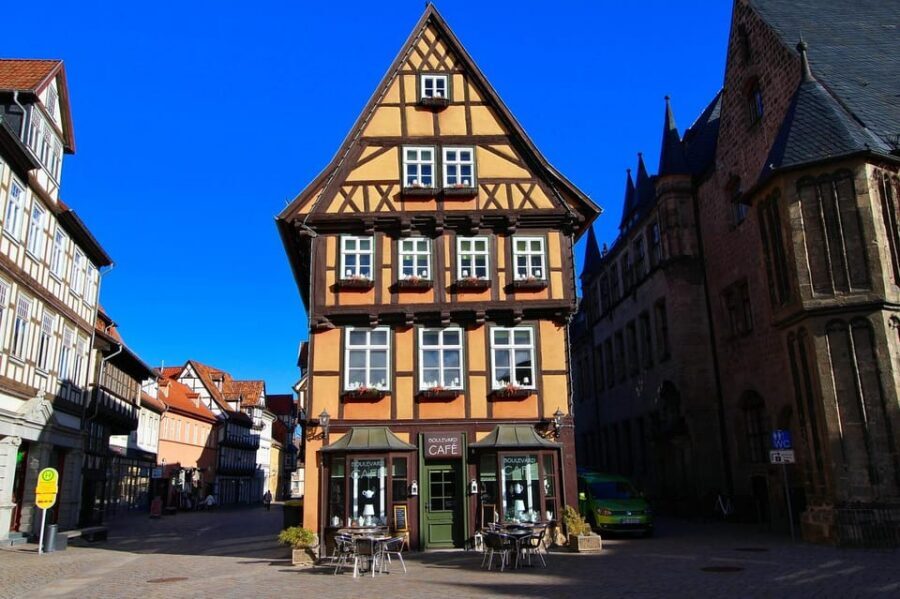
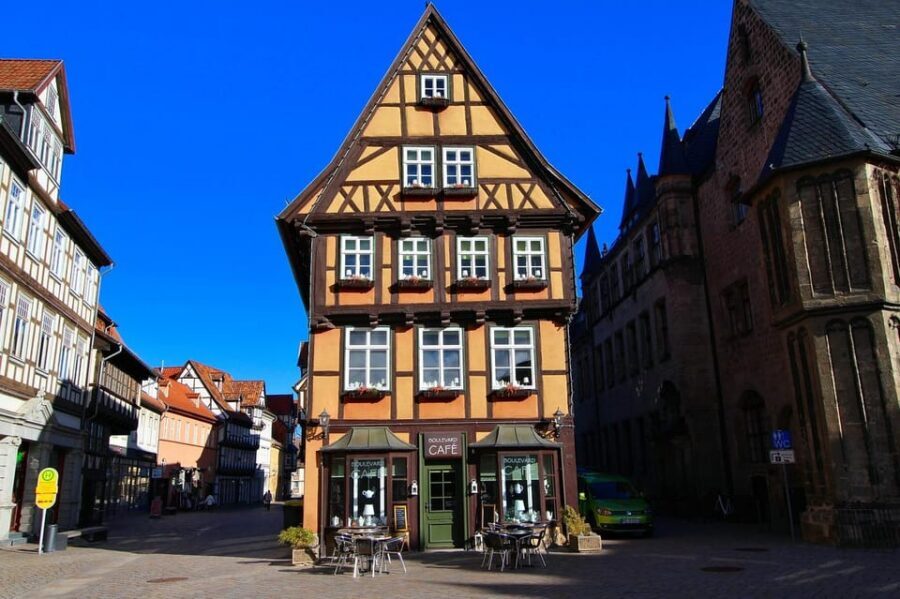
Quedlinburg can feel like a place you could spend days in. The half-timbered streets, the church towers, and the hilltop presence of the Schlossberg all pull your attention at once. This tour works because it keeps you moving through the most telling parts of the UNESCO core, then pauses at the spots that explain why the whole town matters.
The biggest win is focus. Instead of trying to cover everything, the guide links landmarks into a story about the town’s development across centuries—so you don’t just collect photos, you understand what they represent. And because it’s private, you can shape it slightly to your interests, whether that’s architecture, notable locals, or just getting the lay of the land quickly.
You’ll also appreciate how the tour includes both the “street level” sights and the hilltop perspective. That mix makes Quedlinburg easier to remember: you see the medieval plan down below, then you understand how the Schlossberg dominates the town’s identity.
You can also read our reviews of more private tours in Quedlinburg
Where You Start: Market Square Meets the Green City Info Office
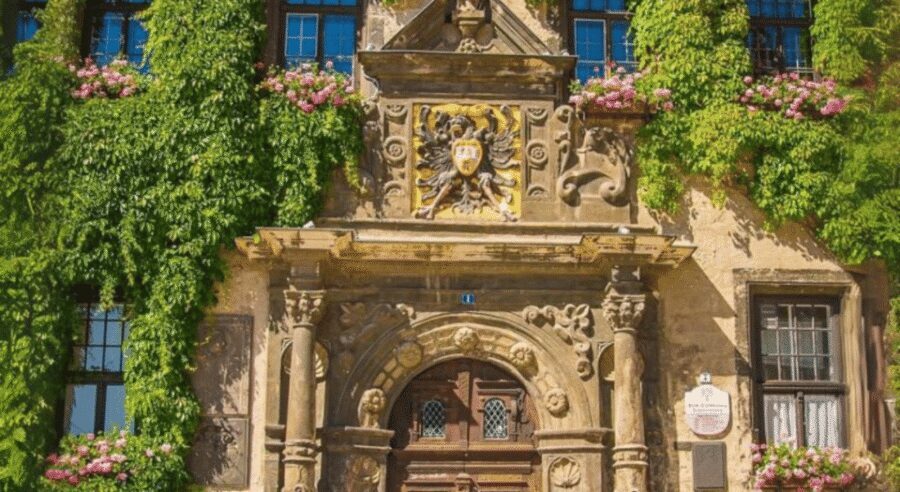
The tour begins right in front of the Quedlinburg city information office on the market square. The guide meets you shortly before the start at the pickup point in front of the friendly Quedlinburger Stadtinformation (green)—so finding the group is usually straightforward.
Arriving a bit early helps. You’ll get your bearings fast, especially because the route involves cobblestones and a steeper climb on the hill. If you’re traveling with kids or anyone with mobility limits, this small head start makes the first minutes less stressful.
Old Town Highlights: Town Hall, Churches, Streets, and That “Half-Cave” Stop
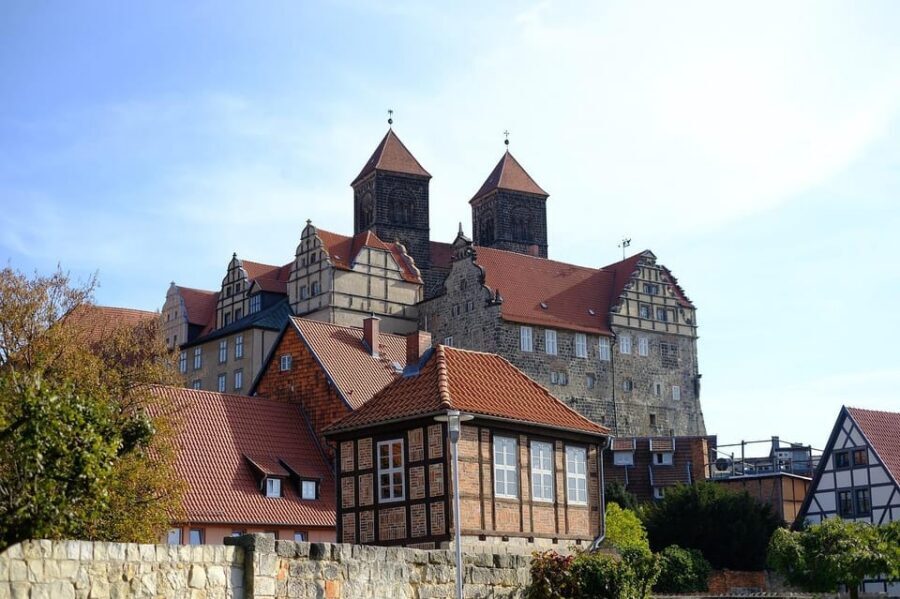
The old town portion is built like a walking spine: it moves from the civic center into the religious landmarks, then into the distinctive historic lanes and structures.
Town hall area: You start with the administrative heart of Quedlinburg. Even without going heavy on theory, it’s the kind of stop that helps you understand how a medieval town organized power and daily life—who gathered, where decisions were made, and why the market square mattered.
St. Benedikti (market church): This is one of the churches that anchors the old town. The value here isn’t only seeing a beautiful building—it’s learning what kind of role the church played in shaping the town’s rhythms and identity. You’ll get context that makes the architecture feel less like scenery and more like history you can point to.
Schuhhof and The Hell: These are the kinds of place names you won’t guess at without a guide. I like that the tour includes them because it signals you’ll learn Quedlinburg’s character at street level, not just the obvious postcard stops. You’ll have a better sense of how neighborhoods and lanes fit into the broader town layout.
Blasii church: Another key church stop helps you compare sacred architecture across the town. If you’re the type who notices towers, materials, and layout, you’ll likely enjoy how the guide points out what to look for.
Half-cave museum: This one adds variety. Instead of only focusing on churches and streets, you get a look at the more unusual historic side of the town. It’s a good way to break up the walk with something more specific and memorable—especially if your group likes quirky, local details.
A practical note: the old town is on cobblestones. Wear shoes you trust. You don’t want to spend your walking time thinking about your feet instead of listening to the guide.
What the Guide Teaches About Half-Timbered Houses (So You Can Actually See Them)
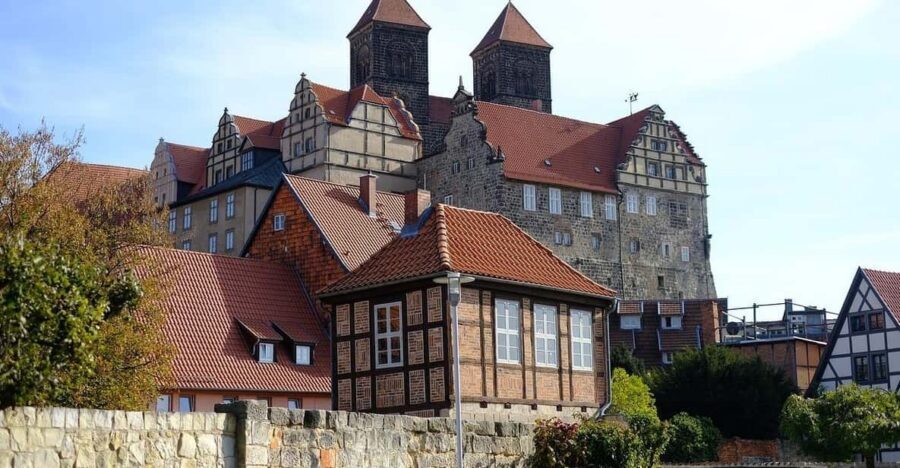
Quedlinburg’s half-timbered architecture is a huge draw, but it’s easy to stare without understanding. One of the most praised parts of this tour is the way it helps you notice and interpret what you’re seeing.
You’ll admire the variety of half-timbered art, but the real value is learning what makes styles and details meaningful. That turns the walk into a kind of outdoor lesson: after a while, you start spotting patterns, craftsmanship cues, and reasons certain features exist in specific settings.
If you like architecture, you’ll probably feel the difference immediately. A guide can point out elements you would otherwise miss—wooding patterns, proportions, and the visual logic behind the facades. And if you don’t “care about details,” you still benefit because the architecture becomes easier to read and less random.
Famous Personalities from Quedlinburg: Why Human Stories Matter
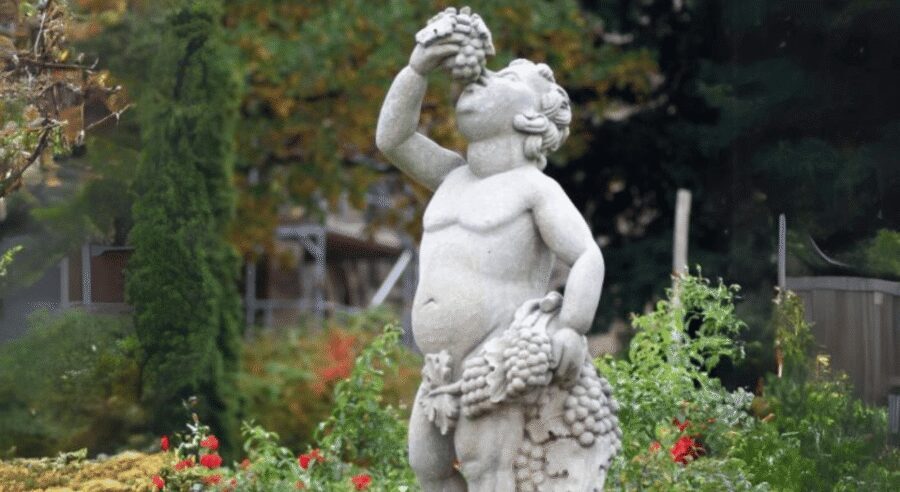
Architecture is only part of what makes historic towns stick in your head. This tour also includes famous personalities from Quedlinburg, and that human layer is one of the reasons people rate the experience so highly.
It’s not just names. The goal is to give you small stories that connect the town’s places to real lives and eras. That’s where the tour can feel less like a checklist and more like learning how Quedlinburg became the place it is.
And here’s a practical benefit: once you have a few personality threads, you’ll recognize places faster on your own after the tour. You’ll know what to look for, and your next walk won’t feel like you’re wandering through random streets.
You can also read our reviews of more historical tours in Quedlinburg
Schlossberg: The Hilltop Portion That Makes Quedlinburg Feel Whole
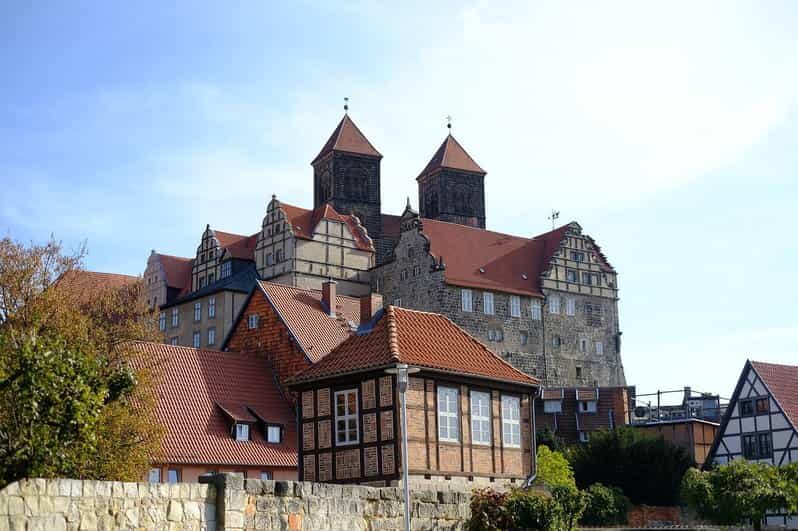
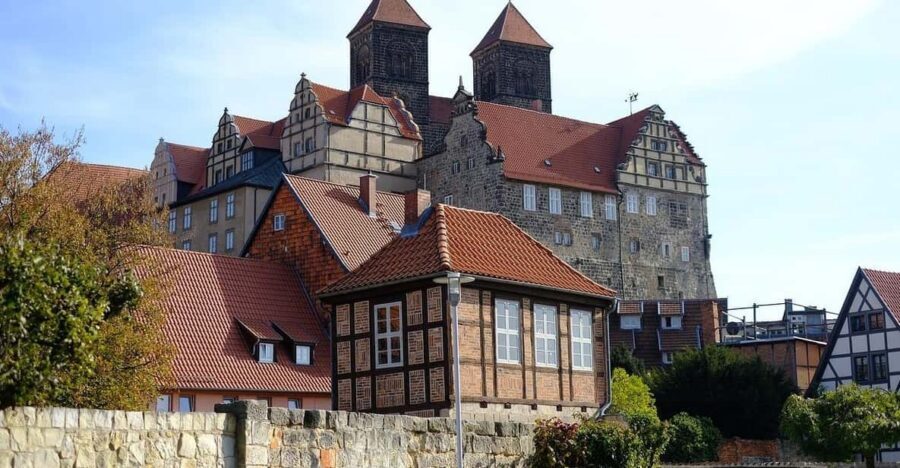
The Schlossberg is the tour’s highlight, because it ties the town’s beauty to its structure and history. The walk takes you from the compact historic core up to the hilltop, where the collegiate church area is a defining presence.
The biggest takeaway is perspective. From this angle, Quedlinburg’s layout makes more sense. You see how the town grew around the hill’s influence, and you understand why the Schlossberg is central to the UNESCO identity.
You should also plan for the physical reality: the Schlossberg includes a steeper section. It’s not unusual for historic towns, but it matters for comfort. If you’re traveling with older adults or anyone who struggles on slopes, take your time and consider water and breaks.
Klopstock House, Lyonel-Feininger Museum, and the Castle Gardens
The Schlossberg segment isn’t only one view and one church stop. You’ll walk through key cultural points that add variety and depth.
Klopstock House: This gives you a connection to notable local history. It’s the kind of stop where names become meaningful because you’re seeing the setting tied to them.
Lyonel-Feininger Museum: This is a smart inclusion for art lovers. Even if you don’t go inside during the tour, learning why the museum matters adds another layer to the story of Quedlinburg. It also helps you understand why the town continues to attract creative attention beyond medieval times.
Castle gardens: Gardens are a different kind of history—one that’s about how people use space and shape it over time. They’re also a welcome change of pace during a hilltop walk, giving you a calmer moment between architectural viewpoints.
All of this keeps the Schlossberg area from feeling like a single, repetitive stop. You get multiple “angles” on the same hill, and it helps the UNESCO experience feel complete.
St. Servatii Collegiate Church: What You See (and What You Don’t)
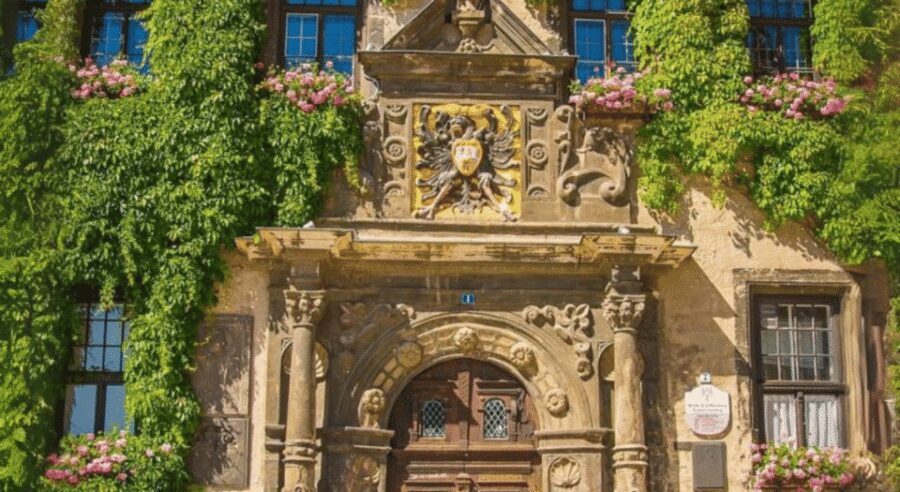
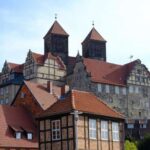
St. Servatii Collegiate Church is the centerpiece on the Schlossberg. You’ll tour the area around it, and it’s the kind of sight that instantly makes the town’s scale feel real.
One important detail: the tour does not include entering the collegiate church. That matters if you were hoping for an interior visit. For most people, seeing the exterior area and getting the guide’s context still makes it worthwhile, but it’s good to know upfront so your expectations match the plan.
If you’re traveling with people who really want church interiors, you might want to plan a separate stop after the tour time ends. This tour gives you the big architectural story, not an inside-the-church experience.
Price and Value: $117 for a Private Group Up to 12
At $117 per group (up to 12 people), the value depends on how you travel. For a family or a small group of friends, this can be a very cost-effective way to get a private, guided UNESCO walk. Even if you’re only two people, private guiding still helps because you’re not paying for a larger multi-group bus setup.
The tour lasts 2 hours, which is ideal if you want a high-impact introduction without losing a whole morning. Also, it includes historical highlights and recommendations, so you’re not only paying for the walk—you’re paying for the guidance that helps you keep your time useful after.
One more value point: the tour is private, so the guide can pace things around your interests. That’s especially helpful on a route with both flat-old-town walking and a steeper Schlossberg section.
And yes, the tour skips the ticket line. That’s a small thing, but time saved matters when you’re traveling.
Language, Pacing, and Kids: The One Detail You Should Actually Decide On
This tour runs with a live guide in German. If everyone in your group is comfortable with German, you’ll likely get more out of the smaller stories and the quick architectural explanations. If you’re not fluent, you might still enjoy the sights, but you’ll miss some of the “why” behind the stops.
Pacing is the other consideration. The guide’s knowledge gets praised, but some feedback notes the pace can feel fast, which can make it harder to catch everything. If you’re the type who likes to absorb slowly or ask lots of follow-up questions, tell yourself to be ready to listen actively.
For families: children and young people up to 16 are free. That can make the tour very attractive for mixed-age families. At the same time, one review criticized child-friendliness, so if you’re bringing younger kids, consider whether they can handle a mostly walking-and-listening format for 2 hours.
What to Do Before and After the Tour
This is the kind of tour that pays off when you follow it with your own exploring. After you understand where the main sites sit—market area, church stops, half-timbered lanes, and the Schlossberg—you can wander later with more confidence.
Before you go, check your footwear. Cobblestones plus a steeper section equals the need for solid, comfortable shoes.
After you go, use the included culinary hotspots and recommendations to choose dinner or a snack without guessing. Even if you’re not a big planner, having a local food direction can save you time and help you avoid touristy dead ends.
Who This Tour Fits Best
You’ll probably love this if you want:
- a guided introduction to Quedlinburg’s UNESCO core that makes the architecture make sense
- a route designed for time efficiency (2 hours)
- local storytelling and practical next-step advice, not just “look at this building” stops
This also makes sense if your group includes people who don’t speak German well enough to wander with confidence on their own. A private guide can smooth out the experience—especially at the less obvious stops with place names and historic functions.
You might choose a different option if you strongly want indoor church time, or if your group needs a very slow pace and lots of rest breaks.
Should You Book This Quedlinburg UNESCO Tour?
If your goal is a high-impact UNESCO walk with real local context, I think booking is a strong move—especially because the price is per group up to 12, and the route covers the core highlights in 2 hours. The best version of this tour is when you appreciate history as stories: churches, half-timbered architecture, a hilltop viewpoint, and recognizable cultural names like Klopstock and the Lyonel-Feininger Museum.
My advice: go in prepared for cobblestones and the Schlossberg slope, and make sure your group is comfortable with German pacing. If you want an architecture-and-stories first visit, this tour is the kind that sets you up for the rest of your Quedlinburg time.
FAQ
How long is the Quedlinburg UNESCO private tour?
It runs for 2 hours.
What language is the tour guide?
The live tour guide speaks German.
Where do we meet the guide?
You meet shortly before the start in front of the friendly Quedlinburger city information office (green) on the market square. The guide will receive your group there.
Which parts of St. Servatii Collegiate Church are included?
The tour includes a Schlossberg visit that covers St. Servatii Collegiate Church as part of the route, but entry inside the church is not included.
Is it a private group and how many people can go?
Yes, it’s a private group with up to 12 people.
Are kids free, and can I cancel?
Children and young people up to 16 are free. Cancellation is free up to 24 hours in advance for a full refund, and you can reserve and pay later.