REVIEW · MUNICH
Munich Third Reich and WWII Segway Tour
Book on Viator →Operated by FireWheels GmbH · Bookable on Viator
Munich tells its WWII story on two wheels. This Segway tour threads together Nazi Germany landmarks like the Führerbau and the sites linked to the White Rose, with an English guide explaining how Munich became central to the movement. I like the practical format: you cover a lot of ground without the stop-and-start of walking, and the ride helps you get your bearings fast. I also like the human side, especially guides such as Josef and Karl, who take time with nervous riders and questions.
One drawback to plan for: downtown can feel crowded, and the ride can get cold. I’d bring proper layers, because one group noted it gets very chilly while you’re moving outside, and not every day runs perfectly if staffing hiccups happen.
In This Review
- Key Highlights Worth Your Time
- Why This Segway Route Works for Munich’s WWII Sites
- Meeting at Artur-Kutscher-Platz and Getting Rolling
- Königsplatz to Führerbau: Where Nazi Power Took Stage
- Braunes Haus, the Schelling-Salon, and White Rose Connections
- Haus der Kunst, the Angel of Peace, and Public Memory in Munich
- Hitler’s Apartments, Odeonsplatz, and the Beer Hall Era Stops
- Tour Pace, Safety, and Comfort on Cold, Crowded Streets
- Price and Value: What You Get for About $82.82
- Who Should Book This WWII Segway Tour
- Should You Book This WWII Segway Tour in Munich?
- FAQ
- How long is the Munich Third Reich and WWII Segway Tour?
- What time does the tour start, and where is the meeting point?
- What language is the tour offered in?
- How many people are in the group?
- Do I need a paper ticket?
- Is there an admission ticket included or required?
- Is the Segway tour suitable for beginners?
- What WWII-related stops will we see?
- What is the cancellation policy?
Key Highlights Worth Your Time
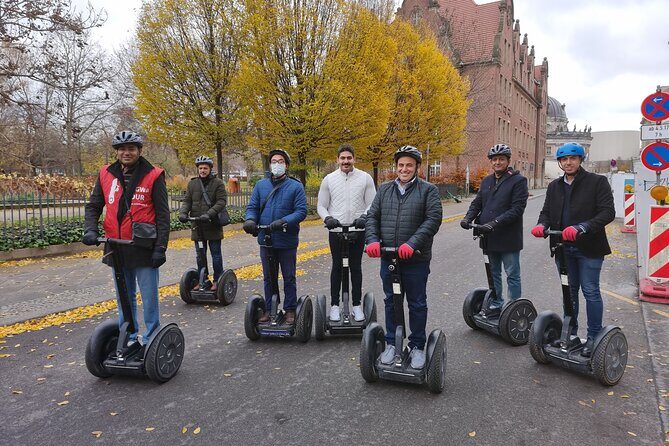
- Go where cars can’t for a faster, smoother way to see central Munich
- English guiding that connects the stops to the rise and fall of Nazi power
- Nazi-era landmarks on foot-free streets, including the Führerbau and Beer Hall–era sites
- Guides who slow down for learning and photos, including Karl and Josef
- Family-friendly pacing, designed for people who want more in less time
- A cold-weather reality check, since you’re out riding for about 3 hours
Why This Segway Route Works for Munich’s WWII Sites
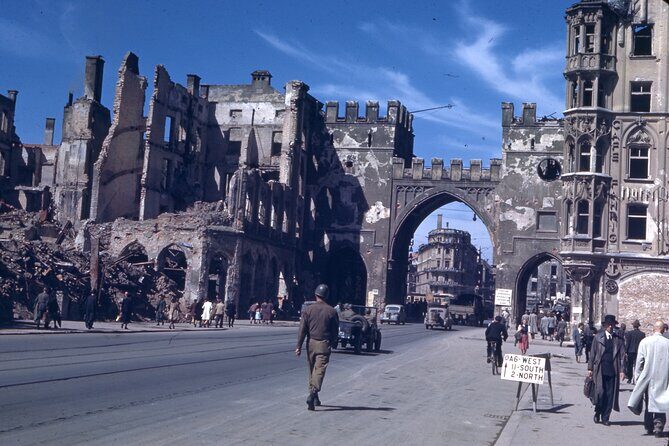
Munich is a city where a lot of the story is written in stone and street names, not just in museums. This tour uses a Segway so you can move steadily between key places without wearing yourself out. That matters because the theme here is heavy: the rise of Nazi power, the failed Beer Hall Putsch, resistance efforts, and how that era left a mark across the city.
I also like that the tour doesn’t just throw names at you. Your guide tells the timeline behind what you’re seeing, starting with a young Austrian arriving in Munich in the early 1910s and following how his political movement took hold in the Bavarian capital. That framing helps the stops make sense as one connected story instead of a random list of photos.
You can also read our reviews of more tours and experiences in Munich.


Meeting at Artur-Kutscher-Platz and Getting Rolling
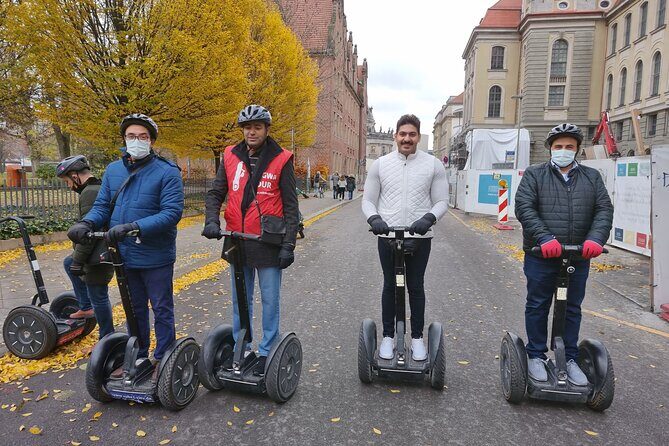
The tour starts at Artur-Kutscher-Platz 2A with a 10:00 am departure. It ends back at the meeting point, so you’re not stuck finding your way across town afterward. The location is described as near public transportation, which is a big deal in Munich: it makes it easier to combine this with other plans the same day.
Group size is capped at 20 people, which usually keeps the experience controlled and helps the guide manage safety and spacing. You’ll also have a mobile ticket, so you can keep things simple on your phone instead of hunting for paper.
Before you go far, you should expect time to get comfortable on the Segway. Several reviews praised guides for helping nervous riders, which is exactly what you want from a Segway tour. If you’re new to standing and balancing, treat the first minutes as practice time, not a race.
Königsplatz to Führerbau: Where Nazi Power Took Stage
This is the segment where the story locks into place. You start in Munich and move through a set of landmark areas tied to the Nazi movement. The names themselves are the lesson: places like Königsplatz and the Führerbau come up in the narrative because they reflect where the political machine gained visibility and momentum.
Here’s what I find useful about this approach: you’re not just seeing buildings, you’re being guided through the logic of the era. The tour’s storyline includes what led to Hitler’s rise and why certain early attempts failed. That gives context to the dramatic words and events you may have heard in textbooks, but now you’re attaching them to real Munich locations.
The Führerbau stop is especially central to this tour’s theme. Since the highlights specifically call it out, it’s worth paying extra attention here. Take your time for photos, but also listen—your guide is the one connecting why this place matters to how the movement tried to reshape Munich’s political identity.
Braunes Haus, the Schelling-Salon, and White Rose Connections
After the early-power sites, the tour continues through locations associated with how the regime operated in daily life. Stops such as Braunes Haus and the Schelling-Salon fit the idea that power isn’t only about speeches. It’s also about institutions, meetings, and the machinery that made the ideology practical.
Then you hit the shift toward resistance, with White Rose named as part of the route. That’s a valuable contrast, and it’s one reason I’d choose this kind of guided city walk over a purely scenic Segway loop. You can only understand the magnitude of what happened in WWII if you also understand that there were people pushing back—at risk to themselves.
If you care about how history turns from propaganda to consequences, this is where you’ll feel the tour change tone. The guide’s job is to keep it coherent, and the best guides do: they don’t just point, they connect the human outcome to what you’re standing near.
Haus der Kunst, the Angel of Peace, and Public Memory in Munich
The tour includes Haus der Kunst and the Angel of Peace as named stops. Even if you’re not a museum person, these stops are helpful because they show how regimes shape culture—and how cities later carry (and sometimes question) that legacy.
One practical tip: at these points, you’ll want to slow down your photo-taking. Stand where your guide indicates, listen for what role each place played in the story, then shoot. That order makes the photos more than decoration; they become reminders of what you learned.
Also, remember the timing: this is about 3 hours, so the tour is long enough to be meaningful, but it’s not a multi-day immersion. That’s a plus if you want education without swallowing your whole day.



Hitler’s Apartments, Odeonsplatz, and the Beer Hall Era Stops
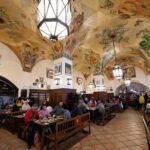
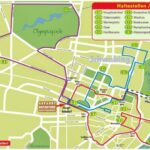
The itinerary includes two specific apartment references: Hitler’s apartment 1933 and Hitler’s apartment 1920–29, plus big central-city anchors like Odeonsplatz, Hofbräuhaus, Hofbraukeller, and Residenz München.
This part of the route helps you see how political life and everyday Munich life overlapped. Names like Hofbräuhaus and Hofbraukeller show up in the theme because the story isn’t only about secret documents; it’s also about public influence and mass gathering spaces. In the highlights, the guide mentions the Beer Hall Putsch and why it wasn’t successful—so when you’re near these classic Munich landmarks, the guide can connect the big events to the city’s geography.
A quick caution based on real-world experience: downtown can get busy, and one review mentioned traffic-like crowding and even a Segway problem that led to a fall. That doesn’t mean the tour is unsafe, but it does mean you should ride calmly, keep an eye on your surroundings, and practice gentle stopping and turning early. If you feel unstable, say something fast to your guide.
Also, this tour is a good fit if you like history in street-level context. You’re not sitting in a classroom. You’re learning while moving through the same kind of streets you’d walk anyway—only faster.
Tour Pace, Safety, and Comfort on Cold, Crowded Streets
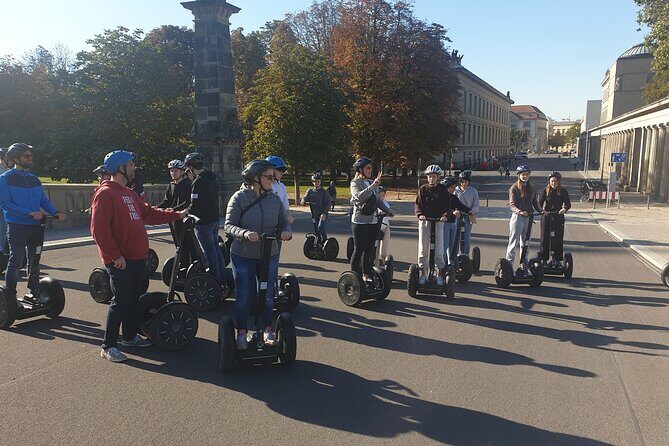
A 3-hour Segway tour is a balancing act. You get speed, but you’re also exposed. Reviews flagged one key comfort issue: on cold days, the ride can feel freezing. So dress for movement, not just the temperature on land. If you tend to get cold easily, bring an extra layer and gloves.
What about learning the Segway? Multiple reviews praised the setup and the patience of the guides. One person called out how the guide helped a nervous first-timer feel safe. Another mentioned that the guide took time for questions and even helped with picture-taking. That’s exactly the kind of pacing you want when you’re navigating public space on wheels.
Now, about organization: one review mentioned a day that wasn’t as organized because a guide didn’t come. That’s not something you can fully predict, but it’s a reminder to keep expectations flexible. If you’re planning a tight schedule, build in a little buffer.
Price and Value: What You Get for About $82.82
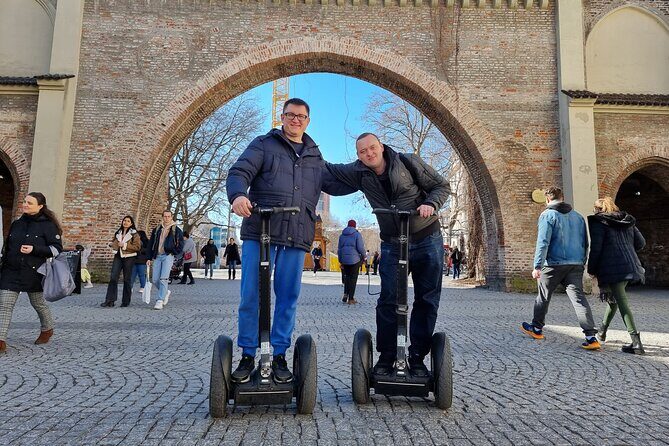
The price listed is $82.82 per person for about 3 hours, in English. That’s not cheap, but it can be good value if you think in terms of how much city you cover with a guided narrative.
Here’s where the value shows up:
- You’re not paying for entry into major attractions during the ride. The tour notes admission ticket free, which usually means you’re not budgeting for museum tickets on top of the tour cost.
- You’re paying for guide storytelling plus the Segway experience, which substitutes time and fatigue compared with walking.
- The group size limit of 20 people can help the guide manage the pace and safety.
If you’re the type who loves seeing more than one neighborhood in a day, this format can be a smart use of time. If you prefer very slow, museum-heavy touring, you might find a 3-hour Segway loop too short. But for most people who want a structured storyline across central Munich, the price often feels fair.
Who Should Book This WWII Segway Tour
This tour tends to fit best when you want:
- A guided city circuit with a clear historical storyline (not a random sightseeing walk)
- A faster alternative to walking, especially if you want to cover multiple named stops in one morning
- A tour you can share with teens and family members who still want the learning piece
Reviews specifically mentioned younger riders having fun and enjoying the history with a grandparent along for the ride. That suggests the guide approach works for mixed ages—assuming everyone is comfortable with the Segway experience.
You might want to skip it if:
- You hate crowds or you’re sensitive to cold weather while moving outdoors
- You want deep museum time rather than a street-level overview
Should You Book This WWII Segway Tour in Munich?
I’d book it if you want a practical, guided way to connect Munich’s Nazi-era landmarks into one understandable timeline—especially if you’re short on time. It’s also a great choice when you want the “wow” factor of a Segway without sacrificing story, because the route focuses on named historical sites rather than generic city sights.
I’d think twice if weather or crowd stress will ruin your day. Cold and packed streets can make the experience feel tougher, and the tour’s comfort depends on you being ready for that ride.
If you do book, go prepared: dress warm, ride calmly, and use the time to ask questions. Guides like Josef and Karl are the kind who slow down and help first-timers, which can turn the whole thing from a novelty ride into a meaningful morning.
FAQ
How long is the Munich Third Reich and WWII Segway Tour?
It runs for about 3 hours.
What time does the tour start, and where is the meeting point?
The start time is 10:00 am, and you meet at Artur-Kutscher-Platz 2A, 80802 München, Germany.
What language is the tour offered in?
The tour is offered in English.
How many people are in the group?
The tour has a maximum group size of 20.
Do I need a paper ticket?
No. You’ll receive a mobile ticket.
Is there an admission ticket included or required?
The tour notes admission ticket free.
Is the Segway tour suitable for beginners?
The tour states that most people can participate, and reviews mention the Segways are easy to learn and that guides help riders get used to them.
What WWII-related stops will we see?
The route includes stops such as Alte Synagoge, Königsplatz, Führerbau, Braunes Haus, Schelling-Salon, White Rose, Haus der Kunst, Angel of Peace, Hitler’s apartment 1933, Hofbraukeller, Maximilianeum, Hitler’s apartment 1920-29, Hofbräuhaus, Residenz München, and Odeonsplatz.
What is the cancellation policy?
You can cancel for a full refund up to 24 hours before the experience starts. If you cancel less than 24 hours before, the amount paid is not refunded. Cancellation cut-off times are based on local time.