REVIEW · BERLIN
Berlin: David Bowie in 1970s West-Berlin
Book on GetYourGuide →Operated by Berlin-Tours Martin Sauter · Bookable on GetYourGuide
Berlin in the 1970s feels like a secret still.
This tour connects David Bowie’s reinvention to real street corners, with stops tied to Hansa Studios and Bowie’s Berlin home. I also like how you don’t just hear facts; you get the story behind why West-Berlin mattered for his sound and songwriting.
You’ll start with the Bowie timeline at Martin Gropius Bau, then fan out through Potsdamer Platz and City West, with key locations linked to clubs and late-night city life. One possible drawback: it’s a 3-hour walking-and-transit outing and food isn’t included, so plan for water and comfortable shoes.
Martin Sauter’s guide, Martin, is consistently praised for being charming, funny, and easy to follow. In a private setup, he also has the flexibility to adapt to your pace and interests, and that personal touch makes the whole route feel less like a checklist and more like a guided night out in the era, minus the smoking indoors.
In This Review
- Key highlights you will care about
- Why 1970s West-Berlin mattered for David Bowie’s sound
- Martin Gropius Bau: the smart start for a 1970s Bowie timeline
- Potsdamer Platz and Where Are We Now: seeing Bowie’s Berlin at scale
- City West, KaDeWe, and the everyday side of Bowie’s Berlin
- Hansa Studios: the sound factory you can stand in front of
- Dschungel and Chez Romy Haag: nightlife energy, Berlin style
- Bowie’s Berlin home: why the final stop lands differently
- Price and what $288 really buys you in 3 hours
- Who this tour is best for (and who might want another option)
- Booking advice: how to make the most of it
- Should you book this Bowie in 1970s West-Berlin tour?
- FAQ
- How long is the tour?
- What language is the tour guide available in?
- Where does the tour start?
- Is hotel pickup included?
- Are food and drinks included?
- Is the tour refundable if I cancel?
Key highlights you will care about
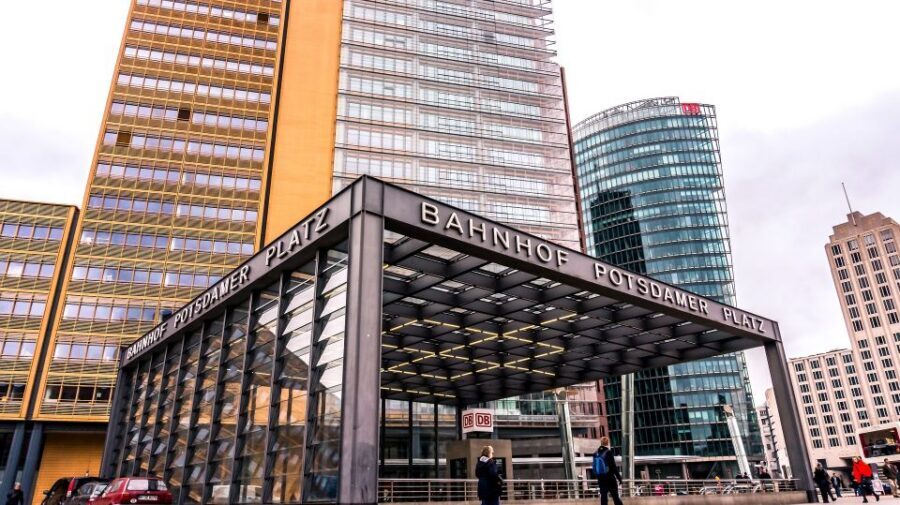
- Hansa Studios viewpoint: see where Bowie-era Berlin sound gets its real-world anchor
- Martin Gropius Bau start: a smart way to frame the 1970s story before you hit the streets
- City West route: Potsdamer Platz, KaDeWe area, and the broader Bowie geography beyond one address
- Former club sites: Dschungel and the Chez Romy Haag area, where nightlife energy shaped the myth
- Edgar Froese connection: learn how Tangerine Dream’s founder factored into Bowie’s early Berlin setup
- Bus to Bowie’s home: the trip ends at the place that makes the whole story click
Why 1970s West-Berlin mattered for David Bowie’s sound
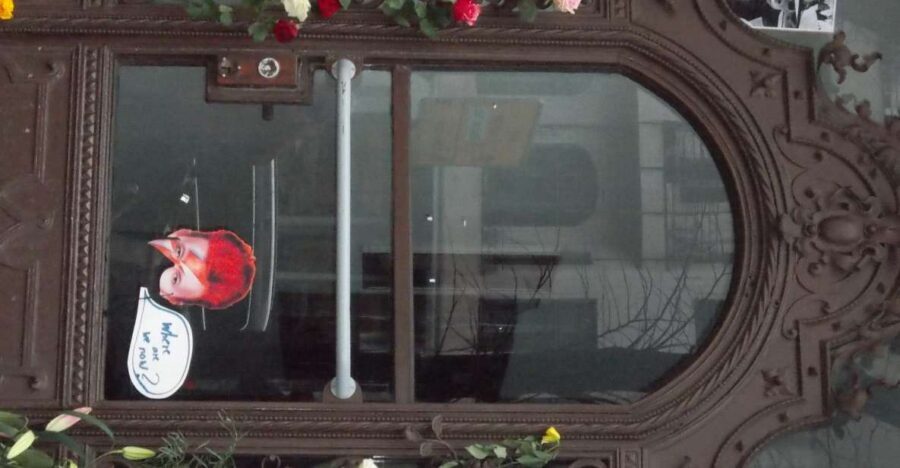
Bowie arriving in West-Berlin wasn’t a random move. After finishing Nicolas Roeg’s The Man Who Fell to Earth, he made the decision to leave the life he’d been living and settle into a city that felt like it was inventing itself daily. Part of the appeal was practical—new beginnings—and part of it was musical.
The tour walks you through one clear thread: Bowie’s fascination with the emerging electronic sound. And it wasn’t just happening in one place. Düsseldorf was important, but West-Berlin mattered too, and the guide connects that to Bowie’s creative momentum. You’ll also hear about the other influences that fed his reinvention, then tie them to the songs people associate with the era.
That includes Heroes—the one most linked to Berlin in general—but also tracks like Boys Keep Swinging, Yassassin, and Neuköln. The guide even points out that Bowie deliberately misspelled Neuköln, and it becomes more than trivia. It’s a clue to how he was processing the city: not copying it, but reshaping it into art.
If you like concerts and liner notes, you’ll enjoy how this tour treats songwriting like a map. If you’re more into history, you’ll enjoy how Berlin’s division-era mood shows up in the creative choices.
You can also read our reviews of more tours and experiences in Berlin.



Martin Gropius Bau: the smart start for a 1970s Bowie timeline
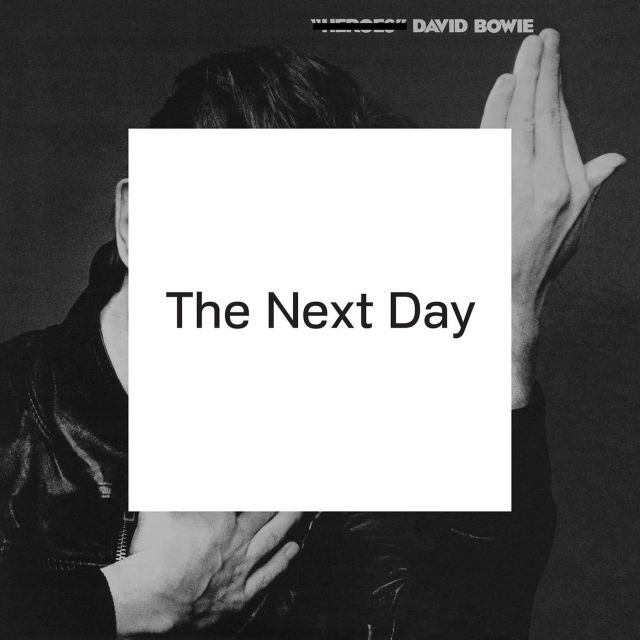
You begin at Martin Gropius Bau, a classic Berlin cultural building and the place that hosted the legendary David Bowie exhibition in 2014. Starting here matters because it gives you context before you start chasing addresses around City West.
From the very beginning, the guide sets up the “why Berlin” story in plain language. You’ll hear how Bowie’s move had multiple reasons, and how electronic music was one of them. You’ll also learn that before Bowie had his own flat, he was hosted—temporarily—at Edgar Froese’s apartment. Froese was the founder of Tangerine Dream, and that connection helps explain how Berlin’s experimental music scene fed Bowie’s next chapter.
I like tours that give you a timeline in the first 10 minutes. It prevents you from getting lost in random stops that all sound interesting but don’t add up. Here, the order helps: you learn what was changing in Bowie’s world, then you watch those influences show up around the city.
Potsdamer Platz and Where Are We Now: seeing Bowie’s Berlin at scale
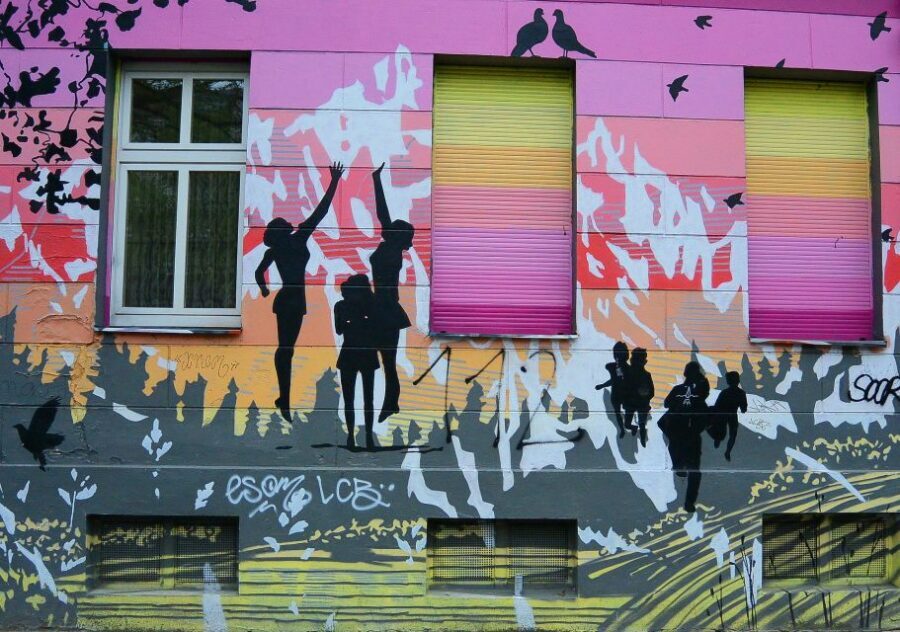
After the exhibition framing, you move toward Potsdamer Platz, a central meeting point for modern Berlin that Bowie referenced later on in Where Are We Now (2012). The tour uses this stop as more than a photo opportunity. It’s a way to widen your view from Bowie the person to Bowie the observer of Berlin’s shifting identity.
This is where you’ll start to understand the city as a sound-and-imagination machine. Bowie wasn’t only writing songs about Berlin; he was reacting to Berlin’s contrasts: new technologies and old traditions, glossy spaces and broken streets, public grandeur and private reinvention.
Potsdamer Platz is also a practical navigation win. If you’re short on time in Berlin, it’s one of those anchors that makes the rest of City West easier to place on a mental map. Even if you’re not a transit wizard, you’ll get your bearings fast.
City West, KaDeWe, and the everyday side of Bowie’s Berlin
From Potsdamer Platz, the tour keeps you moving through the City West area. You’ll pass by KaDeWe, a well-known department store landmark, and you’ll hear how this part of Berlin worked socially and culturally during the era Bowie fell for.
This section is valuable because it challenges a common mistake: thinking Bowie’s Berlin was only grit and underground clubs. West-Berlin had glamour too, and that contrast matters. Bowie was constantly chasing novelty, and he didn’t have to choose between style and experimentation. The point of City West in this story is that it shows up in how he navigated Berlin’s public spaces.
You also go past areas connected to the former Dschungel, a club venue from the time period that lives on more as a memory than a visible building. The guide doesn’t treat it like a myth-only stop. Instead, the route connects the club world to the broader City West ecosystem Bowie would have experienced during his routines.
If you care about how artists behave in cities, this is the section that brings it down to earth. Where people shop, walk, and show up on a weekday often shapes what they create on a Saturday night.
Hansa Studios: the sound factory you can stand in front of
One stop you’ll remember clearly is standing in front of Hansa Studios. It’s one of those Berlin landmarks that gives Bowie’s legend a physical location. If you’ve heard about Hansa in interviews or documentaries, this is where the story becomes real.
The tour treats Hansa Studios as more than a name. It’s a clue to the bigger point: Berlin wasn’t just providing inspiration. It was providing infrastructure for the electronic and experimental sound Bowie was chasing. By anchoring the sound story to a studio you can actually see from the street, the guide makes the connection feel immediate.
This is also the moment where your listening may change. Once you understand that Bowie was drawn to the electronic energy spreading through West-Berlin (and the broader region), tracks associated with the era start to sound like they were made for this specific place. Even if you’re not a die-hard audio person, the visual anchor helps your brain do the association work.
Practical note: expect a street-view moment rather than an inside tour. The value here is in the outside context—the guide’s story plus the location itself.



Dschungel and Chez Romy Haag: nightlife energy, Berlin style
Next comes the club world. The tour moves you through the areas where places like Dschungel used to be, and it also takes you to the vicinity tied to Chez Romy Haag—described in the tour as the spot you can mentally time-travel to.
This part matters for a simple reason: Bowie’s Berlin period wasn’t only about studios and songwriting rooms. Clubs shaped the social tempo. They also created a feedback loop—people, music, fashion, and experiments all rubbing shoulders.
The guide’s approach helps you understand how a songwriter’s environment shows up in lyrics and rhythm. When you connect a club setting to songs like Boys Keep Swinging and the way Bowie played with language and attitude, it stops being abstract. It becomes a lived atmosphere, even if the exact venue is no longer what it was.
You’ll also likely appreciate the humor and human tone in how Martin tells these stories. Reviews mention his friendly delivery and the way he makes the material easy to follow. That matters here, because club-era history can turn into name-drops if the guide doesn’t keep you grounded.
Bowie’s Berlin home: why the final stop lands differently
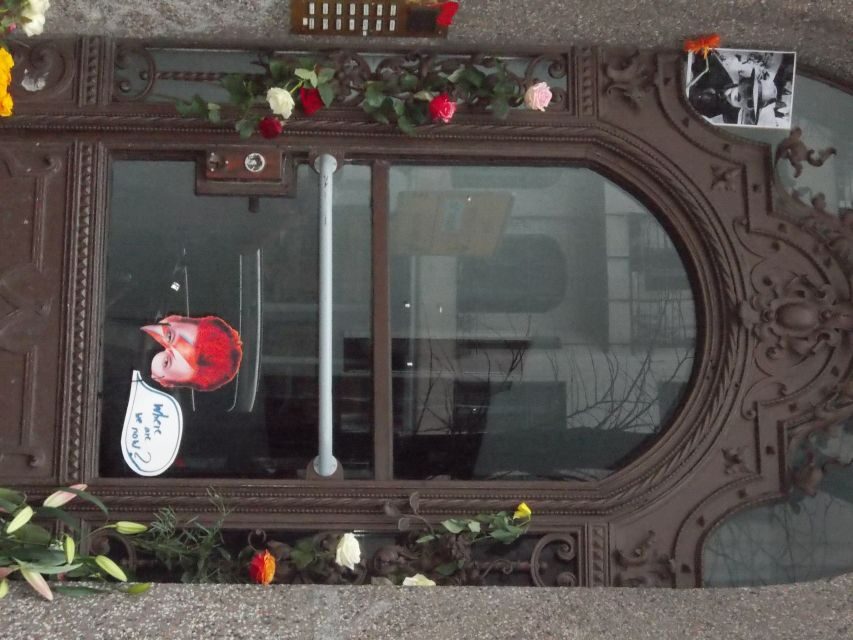
The last leg is the most emotional one for many people: a bus ride to David Bowie’s Berlin home, where the tour ends.
This is where the entire route clicks into place. Up to this point, you’ve been building a map of influences—electronic music pull, temporary living arrangements, studio culture, and club nightlife. Then you end at a home address type location that makes all that abstraction feel personal.
The key is not the address as an object. It’s what the tour has taught you to notice: Bowie’s Berlin years weren’t just a short stopover. He lived there between 1976 and 1978, and the city left an imprint on the work people still replay today.
In that final segment, I’d encourage you to slow down mentally. Look at the neighborhood feel. Think about routines. Imagine how a person reinvents themselves and keeps creating while living in a city that constantly offers something new.
This is also a good moment to ask your guide specific questions. A private group setup makes that easier than in large group tours.
Price and what $288 really buys you in 3 hours
At $288 per person for a 3-hour private tour, you’re paying for two things: time with a real guide and a focused route that connects multiple Bowie-relevant locations. It’s not just a bus with talking points. The tour route uses several recognizable Berlin anchors plus specific Bowie-linked sites—Hansa Studios, KaDeWe area, former club locations, and the final home stop.
Included benefits you’ll feel:
- In-depth view of Bowie’s life in what used to be West-Berlin
- Explanation of why Bowie chose Berlin
- Hotel pickup if desired (a small detail, but useful if you don’t want to wrestle with getting to the start)
What’s not included: food and drinks. That means the value is in the storytelling and the route, not in a packaged meal. Plan for a snack before you start or something quick after you finish.
If you’re the type of visitor who likes your entertainment to come with context, this price can make sense. You’re not paying for a single landmark; you’re paying for a guided timeline that links Berlin’s sound culture to Bowie’s songwriting choices.
Who this tour is best for (and who might want another option)
You’ll probably love this tour if:
- You’re a David Bowie fan who wants West-Berlin connected to specific songs
- You like electronic music history and how cities shape art
- You prefer a private-group pace where your guide can tailor the flow
You might skip it if:
- You’re expecting a full indoor museum tour at each stop (this is more street-facing and story-heavy than museum-heavy)
- You’re planning to “graze” with food on the go and need meals included
Either way, it’s a strong choice for a first-time Bowie-focused experience in Berlin, because it gives you a Berlin map you can reuse on your own after the tour ends.
Booking advice: how to make the most of it
To get the most out of the 3 hours, I recommend coming with a couple of Bowie songs you actually care about. The tour references Heroes, Boys Keep Swinging, Yassassin, and Neuköln, and it’s more fun when you can mentally follow along.
Also bring comfortable shoes. The route is time-efficient, but you’ll still be outside for stretches. And since food isn’t included, have water or a snack in your day plan.
If you have limited time, this tour is a clean way to cover multiple Bowie touchpoints without cramming your own day into a stressful scavenger hunt.
Should you book this Bowie in 1970s West-Berlin tour?
If you want a guided route that connects Bowie’s Berlin years to real places—Hansa Studios, City West, nightlife areas like Dschungel and Chez Romy Haag, and the final home stop—then yes, book it. The strongest selling point is the way the guide links the city’s sound culture to the songs and the decisions Bowie made while living there between 1976 and 1978.
Also, the private format is a real advantage. Reviews highlight Martin’s charm, his humor, and his willingness to slow down and adapt. For the price, you’re buying time plus coherent storytelling, not just a list of stops.
FAQ
How long is the tour?
The tour lasts 3 hours.
What language is the tour guide available in?
The live tour guide is available in English, French, and German.
Where does the tour start?
The tour starts at Martin Gropius Bau. Your guide will be holding a David Bowie album, book, or CD at the meeting point.
Is hotel pickup included?
Hotel pickup is included if you want it.
Are food and drinks included?
No. Food and drinks are not included.
Is the tour refundable if I cancel?
Yes. You can cancel up to 24 hours in advance for a full refund.