REVIEW · KIEL
Kiel Self-Guided Audio Tour: Explore this Historic Port
Book on Viator →Operated by VoiceMap Audio Tours · Bookable on Viator
Kiel has plenty of stories in one walk. This self-guided VoiceMap audio tour stitches together the port area, Kiel’s Imperial Navy background, and the last German Kaiser, all at the pace you choose. I really like the offline GPS directions and the step-by-step route that makes a smaller city feel easy to navigate.
The main drawback is simple: you need your own smartphone and headphones, and the audio setup may require following the app instructions closely before you hit the streets.
In This Review
- Key Highlights Worth Noting
- Kiel Port by Audio: What You’re Really Doing
- Price and Timing: Is $11.99 Good Value
- Where You Start and Finish (And Why That Helps)
- The Walk Flow: Step by Step Through Kiel’s Key Zones
- Starting Outside the Main Cruise Terminal: Get Oriented Fast
- Kiel Harbour: The Maritime Backstory While You Walk
- Aquarium Stop: Seals and a Softer Side of Port Life
- The Garden Where Kiel Castle Is Gone: History Through What’s Left
- Kaiser Wilhelm I Statue: How Leadership Shaped the City
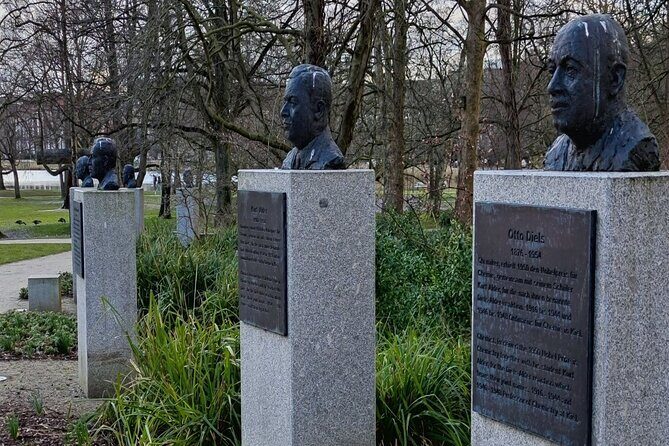
- Ratsdienergarten and the Sailors’ Mutiny Memorial: Public Memory at Human Scale
- Lake Kleiner Kiel and the Einstein Compass Connection
- Rathasturm Kiel: The Wooden Lift and the Bureaucracy Angle
- St. Nikolai Church Finish: Wrap-Up With Meaning
- Who This Tour Suits Best
- Should You Book This Kiel Audio Tour?
- FAQ
- How long is the Kiel self-guided audio tour?
- Where does the tour start and end?
- What language is the audio available in?
- Do I need internet to use the tour?
- What’s included in the price?
- What do I need to bring with me?
Key Highlights Worth Noting
- Offline access for audio, maps, and geodata, so you can keep moving without worrying about signal
- Self-guided timing: start anytime and pause/resume when you want breaks and photos
- Port-focused history route that connects the harbour, aquarium, and key monuments into one walking loop
- Kaiser Wilhelm I stop plus Imperial Navy context for a clear sense of Kiel’s past
- Einstein’s compass mention from the city/lake route, adding science to the historical themes
- Extra-curious detail at Rathasturm Kiel about a wooden lift and the need for special qualification
Kiel Port by Audio: What You’re Really Doing
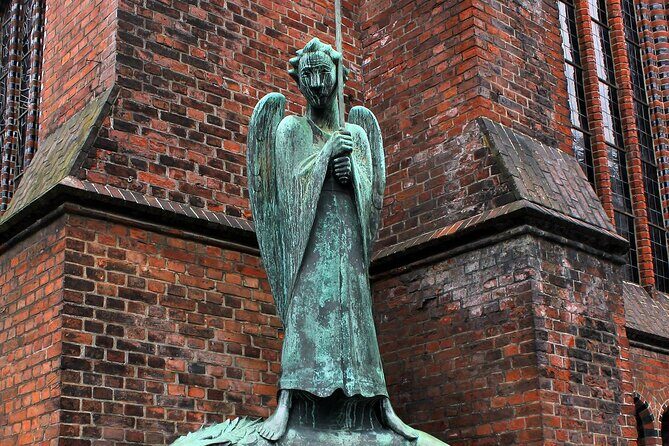
This is a walking “get your bearings fast” tour of Kiel’s waterfront and nearby sights. You’re not buying a seat on a big group bus. You’re picking up a smartphone route and letting the narration guide you from stop to stop, mostly around the cruise terminal area, the harbour, and the city streets that thread back toward the end point at St. Nikolai Church.
The best part is that Kiel can feel a bit concentrated. When you only have an hour to spare, it helps to have a route that explains what you’re seeing as you see it. Here, the audio is designed to make the port feel like more than just a place for ships. You get context: Imperial Navy ties, how leadership shaped the city, and small local stories that make the walk stick.
You’ll also appreciate that it’s in English, and that you can run it on your schedule. That matters in a working port city where crowds, weather, and cruise arrivals can change the vibe hour to hour.
You can also read our reviews of more guided tours in Kiel
Price and Timing: Is $11.99 Good Value
At $11.99 per person, this is priced like a value add rather than a full-day guided tour. And the “value math” looks strong because you’re paying for:
- Lifetime access to the tour content (so you can revisit later)
- An app-based experience that doesn’t require museum tickets
- Offline audio and mapping, which saves you both time and stress
In terms of time, plan on about 1 hour to 1.5 hours. That’s a realistic window for a self-guided loop: long enough to get the main sights explained, short enough to fit before lunch, between cruise activities, or as your first orientation walk.
If you’re the type who wants to spend money on experiences that also reduce your planning workload, this is a good fit. If you want a deep, hour-by-hour museum tour with timed entry tickets, this won’t be that. It’s a city-walk and story route.
Where You Start and Finish (And Why That Helps)
You begin outside Cruise Terminal Ostseekai, Wall 65, 24103 Kiel and finish in front of St. Nikolai Church, Alter Markt, 24103 Kiel.
That start point is practical. It puts you right where many visitors naturally arrive, especially if you’re in Kiel by cruise ship. It also means the tour’s first few minutes can act like an on-ramp: you’re introduced to the themes right as you step away from the main terminal area.
Finishing at St. Nikolai Church is also smart because it gives your walking loop a clear “wrap-up” moment. Even if you don’t go inside (tickets aren’t included), the location helps you mentally cap the route. And the listing shows the end point as open daily, 12:00 AM to 11:59 PM, which supports the self-paced, flexible feel.
The Walk Flow: Step by Step Through Kiel’s Key Zones
This tour is designed as a sequence of landmarks rather than a long wandering trek. You’ll move through these zones in order, each with its own focus:
- Cruise terminal start and tour intro
- Kiel Harbour for maritime and harbour context
- Aquarium for the city’s seal story
- Garden area tied to the destroyed Kiel Castle
- Statue of Kaiser Wilhelm I for leadership and impact
- Ratsdienergarten and the Sailors’ Mutiny Memorial
- City streets alongside the harbour and parts of lake Kleiner Kiel
- Rathasturm Kiel and the wooden lift inside the old town hall
- Final stop at St. Nikolai Church
What makes this flow work is that it keeps switching the “kind” of story: naval history, living waterfront, public memory, and even science. When one topic gets repetitive, the route shifts location and angle.
Starting Outside the Main Cruise Terminal: Get Oriented Fast
Right away, you’re placed outside the main cruise ship terminal area and given the tour’s themes. You also get an introduction to how VoiceMap works, which is useful if you haven’t used this style of audio routing before.
Here’s why this first section matters: it reduces the common self-guided problem where you spend the first 10 minutes trying to figure out how to follow the route. Instead, the tour gets you moving quickly, so the city becomes the classroom rather than a puzzle.
One practical note from typical self-guided setups: give yourself a few minutes before you start. You’ll want your app ready and any offline download steps completed so your audio doesn’t cut out mid-walk.
You can also read our reviews of more historical tours in Kiel
Kiel Harbour: The Maritime Backstory While You Walk

The harbour stop is where Kiel’s identity shows up most clearly. As you pass the Kiel Harbour, the narration explains the harbour’s history alongside marine history themes.
Even if you’re not the type who studies shipping facts, this kind of explanation changes how you perceive what you’re seeing. You start noticing what’s practical (layout, edges, how areas connect) and what’s symbolic (the way a port becomes a national story).
This is also a good moment to pause for photos. You’ll likely have a calmer walk than inside busy terminal zones, and harbour views typically give you a sense of scale that a city-center square never does.
Aquarium Stop: Seals and a Softer Side of Port Life
Next comes the aquarium, and the highlight is a very human kind of detail: the seals at the aquarium and how they’ve become part of the city’s best-loved characters.
This works for two reasons. First, it breaks the pattern of only war and politics. Second, it makes your route feel anchored in everyday life, not just historical monuments.
If you’re traveling with kids, this is an easy way to keep interest without adding extra tickets. The tour doesn’t promise museum entry, but it uses the aquarium as a storytelling landmark you pass by.
The Garden Where Kiel Castle Is Gone: History Through What’s Left
The route then passes through the garden of the destroyed Kiel Castle area.
This kind of stop can be surprisingly moving because it’s history you experience through absence. You’re walking a landscape shaped by what used to be there. The narration connects the castle story to the present-day garden as you pass through.
A fair consideration: if you’re expecting major castle ruins or a dramatic “wow” structure, you might find this section more reflective than spectacle. But that’s often the point. You’ll get the context, and you’ll understand what the garden represents rather than treating it as just another park path.
Kaiser Wilhelm I Statue: How Leadership Shaped the City
You’ll see the statue of Kaiser Wilhelm I and hear how the last Kaiser influenced Kiel.
This is a strong history anchor because a statue is an obvious visual cue. The audio helps you connect the figure to the city story, instead of leaving you with a generic monument and no explanation.
If you’re the type who likes historical cause-and-effect, this stop gives you that. If you prefer lighter walking, keep a steady pace here and save heavier listening for when you reach quieter stretches.
Ratsdienergarten and the Sailors’ Mutiny Memorial: Public Memory at Human Scale
At Ratsdienergarten, you’ll hear about the Sailors’ Mutiny Memorial. This is one of those “place tells a story” stops where the theme feels political, but the presentation is rooted in lived experience: sailors, unrest, and collective action.
Memorials are powerful because they turn history into a local point on the map. You’re not just learning dates. You’re seeing where the city chooses to remember.
If you want a smoother experience, treat this as a moment to slow down. Let the audio play fully, then look around before you move on. You’ll likely find the surroundings help the message land.
Lake Kleiner Kiel and the Einstein Compass Connection
As you wind through the city alongside the harbour and parts of lake Kleiner Kiel, you’ll hear about the compass Einstein invented while staying in Kiel, and how it’s still used today.
This is one of the more surprising segments, because it brings science into a route that’s mostly naval and civic history. It also gives your walk a change in tone: from conflict and memorials to something about invention and enduring impact.
Practical tip: lake areas tend to make great “standing breaks.” If you’re tired, this is a good place to pause, listen to the full Einstein segment, and then take a breather while the city quiets down around the water.
Rathasturm Kiel: The Wooden Lift and the Bureaucracy Angle
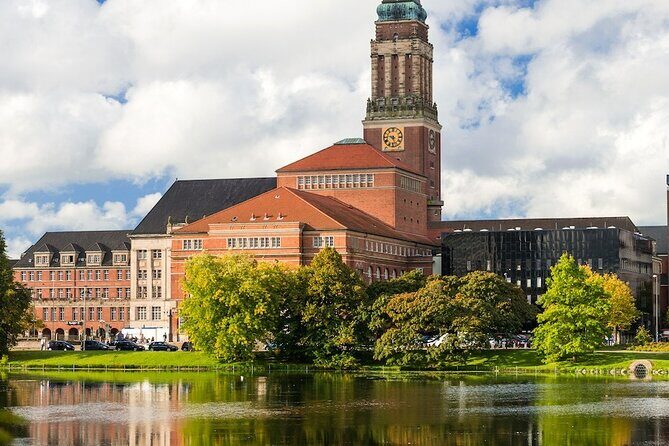
Later you pass by Rathasturm Kiel and hear a funny-but-true sounding detail: why Kiel’s bureaucrats need a special qualification just to use the wooden lift inside the old Town Hall.
This kind of stop detail is exactly what makes walking audio tours worth it. The monument isn’t just architecture. It’s a clue to how the city works, historically and socially.
If you like quirky history, don’t rush this part. Let the audio finish because the punchline depends on the build-up.
And if you’re thinking, so where do I see the lift, the honest answer is: you’re passing by, not buying a ticket. The tour provides the story, not an inside visit.
St. Nikolai Church Finish: Wrap-Up With Meaning
Your tour ends in front of St. Nikolai Church at Alter Markt.
Even without stepping inside, the end point works as a “you’ve made the loop” moment. By now you’ve connected several themes: port power, leadership, sailors and memory, a science thread through Einstein, and the city’s everyday quirks.
It’s also a nice way to transition. Once you finish, you can decide whether you want a longer walk around the area, a sit-down meal nearby, or just to head back toward your next plans.
Who This Tour Suits Best
This is a smart choice if you want:
- A short, self-guided history overview of Kiel’s port and nearby landmarks
- Clear directions that reduce guesswork
- Offline audio and maps for a smooth experience even with unreliable data
- A route you can pause and resume when you want photos or a break
It may be less ideal if you:
- Expect lots of indoor attractions with tickets (none are included)
- Prefer a full guided talk with deeper narrative layers and Q&A
- Want to cover more of Kiel than the port-and-city-center-ish storyline
Should You Book This Kiel Audio Tour?
If you’re spending a limited amount of time in Kiel, I think this is an easy yes. The price is reasonable for what you get: lifetime access, offline routing, and a walking loop that gives meaning to the harbour and monuments without requiring tickets.
I’d book it especially if you like history that mixes big events with small local details like seals at the aquarium and that odd wooden lift qualification story. And if you’re the type who hates planning, the step-by-step route and the fact that the app helps when you drift off course makes the experience feel low-stress.
If you’re only curious about one or two landmarks and you’re already confident navigating the area, you might feel the tour is more than you need. But for most people doing a first visit with about an hour to spare, this is a practical way to turn a port walk into a real city orientation.
FAQ
How long is the Kiel self-guided audio tour?
It typically takes about 1 hour to 1 hour 30 minutes.
Where does the tour start and end?
It starts outside Cruise Terminal Ostseekai (Wall 65, 24103 Kiel) and ends in front of St. Nikolai Church (Alter Markt, 24103 Kiel).
What language is the audio available in?
The tour is offered in English.
Do I need internet to use the tour?
You get offline access to audio, maps, and geodata, which means you can use it without relying on mobile data.
What’s included in the price?
You get lifetime access to the self-guided tour in English, plus the VoiceMap app for Android and iOS. Offline audio and maps are included.
What do I need to bring with me?
You’ll need your smartphone and headphones. Food, drinks, transportation, and any attraction tickets are not included.