REVIEW · HAMBURG
Hamburg: St. Pauli’s “Green Bunker” Tour – above the rooftops of Hamburg
Book on GetYourGuide →Operated by Hamburg-Stadtführung · Bookable on GetYourGuide
A concrete war relic grows a rooftop forest above Hamburg.
This 1-hour visit to St. Pauli’s Green Bunker is interesting because you get the contrast in real time: massive WWII architecture up close, then a calm green roof oasis with city views. You also learn how planners turned harsh infrastructure into something that now helps the urban climate.
What I love most is the focus on how the bunker works, not just what it used to mean. You’ll see the concrete structures and ventilation system, and you get stories that connect the building to the realities of WWII and then to today’s urban greening goals.
The second thing I like is the rooftop payoff. The walk from bunker level to the roof terrace feels like a transition from hard edges to nature, and once you’re up top you can linger, take photos, and enjoy the tranquil atmosphere. One drawback to consider: the tour content is in German, and some people may prefer longer explanations or more on-site info.
In This Review
- Key things to know before you go
- St. Pauli’s Green Bunker: why this roof-garden story feels real
- The one-hour flow: what you’ll do from start to finish
- Stepping inside: the WWII bunker architecture and ventilation system
- The climb on the connecting path: where the story changes from war to green
- The rooftop green oasis: plants, paths, and Hamburg on pause
- Price and value: is $14 worth your time?
- Language and pacing: what to expect from the guide
- Who should book this Green Bunker tour?
- Should you book the Green Bunker tour?
- FAQ
- Where is the meeting point for the Green Bunker tour?
- How long is the tour?
- What language is the tour?
- What’s included in the price?
- What should I bring since food and drinks aren’t included?
- Is the tour suitable for wheelchair users or people with mobility impairments?
Key things to know before you go
- WWII purpose explained at the entrance so you understand what you’re looking at before you step inside
- Ventilation system and concrete architecture up close for a hands-on look at how the bunker was built
- A connecting mountain path between the bunker and the roof terrace turns the tour into a short nature walk
- Green roof design with a climate protection concept so the greening isn’t just decoration
- Panoramic Hamburg views make it easy to plan a photo moment without rushing
- Expect a relaxed, guided pace when the guide is in full storytelling mode
St. Pauli’s Green Bunker: why this roof-garden story feels real
Hamburg’s Green Bunker sits in St. Pauli, and the whole experience is built around a simple idea: take a structure designed for war survival and repurpose it for everyday city life. That shift is the heart of the tour, from flak tower to urban landmark, and you’ll understand it much faster when you’re standing in the building itself.
This is not a museum tour where you just read placards and keep moving. You start at the entrance, get the context, then you go inside and look at the building fabric—concrete mass, interior layout cues, and the ventilation system. Later, the mood changes when you move along the path toward the roof terrace and reach the green roof.
You can also read our reviews of more tours and experiences in Hamburg.



The one-hour flow: what you’ll do from start to finish
The tour is timed to feel complete without dragging. You’re looking at about 1 hour total, with a clear arc: history at the bunker entrance, a focused inside look, then a short route up to the rooftop garden.
You begin at the meeting point outside the bunker complex. It’s at the bike racks on the left in front of the main entrance, beside the small house marked with the sign Ein Herz für St. Pauli. The guide is there about 10 minutes before the start, which is helpful if you want to confirm you’ve got the right group and spot before things begin.
Next comes the entrance briefing. You’ll get the significance of the place and why the bunker was built, plus its role during World War II. Then you enter the bunker and get the architecture rundown—massive concrete structures and the ventilation system—so you can connect the story to the building in front of you.
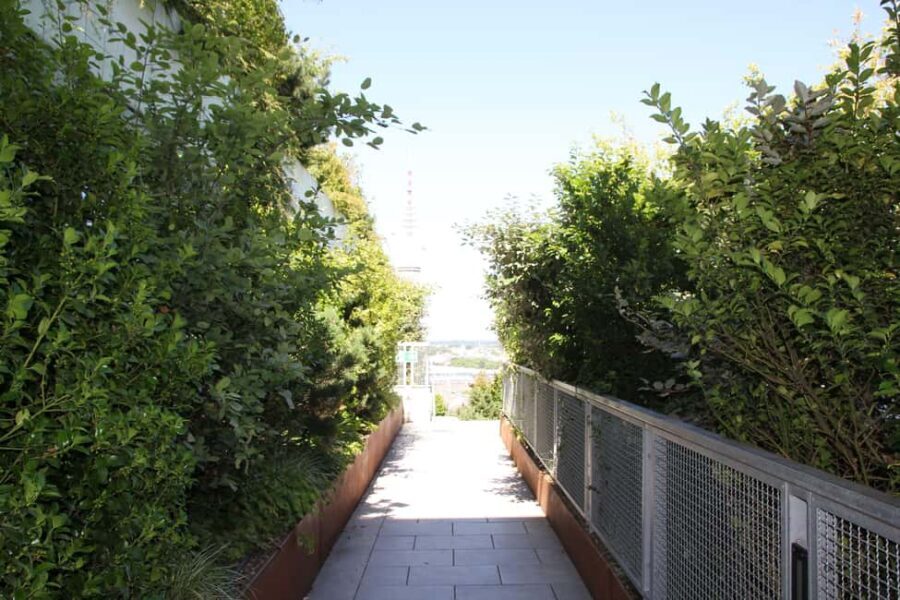
After that, you head out onto the connecting mountain path that links the bunker to the roof terrace. Along the walk, your guide explains how a former war bunker became one of the more exciting greening projects in Europe, and you’ll also get hints about planning challenges that shaped the design. Then you reach the rooftop and enjoy the green oasis—trees, plants, and panoramic paths—at your own pace.
Stepping inside: the WWII bunker architecture and ventilation system
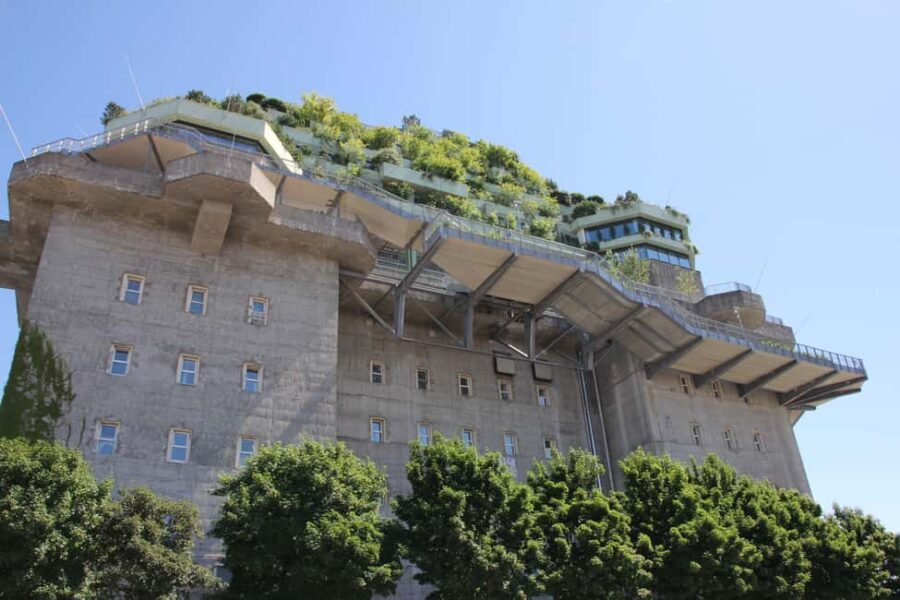
This is where the tour earns its keep. Standing inside a bunker changes the way you think about history, because you can feel the scale. The tour points out the massive concrete structures and helps you understand what those design choices meant in practice.
A big highlight is the ventilation system. You’re not just told that the bunker existed; you learn how it was engineered to deal with conditions inside the structure. That matters because it connects the building’s purpose to its physical design, not just its reputation.
You’ll also hear how the bunker’s design reflects resilience and a very specific architectural style tied to its wartime role. The tour stays practical here: instead of treating the bunker like a distant monument, it gets you looking at details you can actually see and interpret.
If you’re the kind of traveler who likes to match stories to surfaces—walls, openings, structure—this stop is going to land well. If you prefer only outdoor viewpoints and short explanations, you might feel the inside portion takes center stage. Still, that concrete-and-ventilation focus is the tour’s signature.
The climb on the connecting path: where the story changes from war to green
The walk from bunker level to the roof terrace is more than a corridor between two rooms. It’s described as a picturesque mountain path, and you’re given a running explanation of how the building transformed into a green project with a climate protection concept.
As you move, you’re also getting a mental reset. You start with the heaviness of the bunker and then shift to nature and surroundings as you walk. That change in scenery helps explain why rooftop greening works: you’re not just looking at plants, you’re experiencing the idea of a hardened urban site becoming livable space.
This portion also gives you a chance to take in the setting around St. Pauli. Even without turning the whole walk into a hike, it’s enough time to feel like you’ve made progress upward and away from the city noise in your head.
The rooftop green oasis: plants, paths, and Hamburg on pause
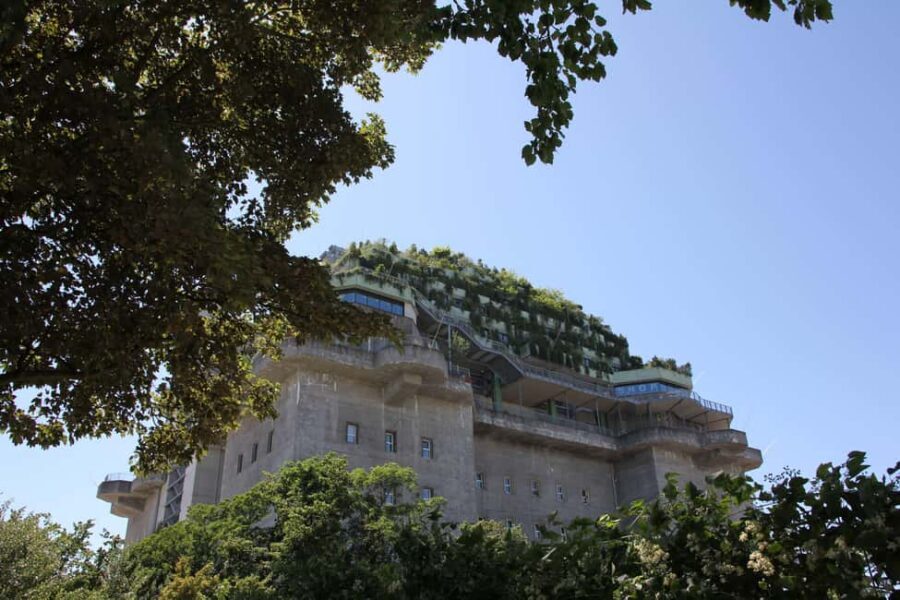
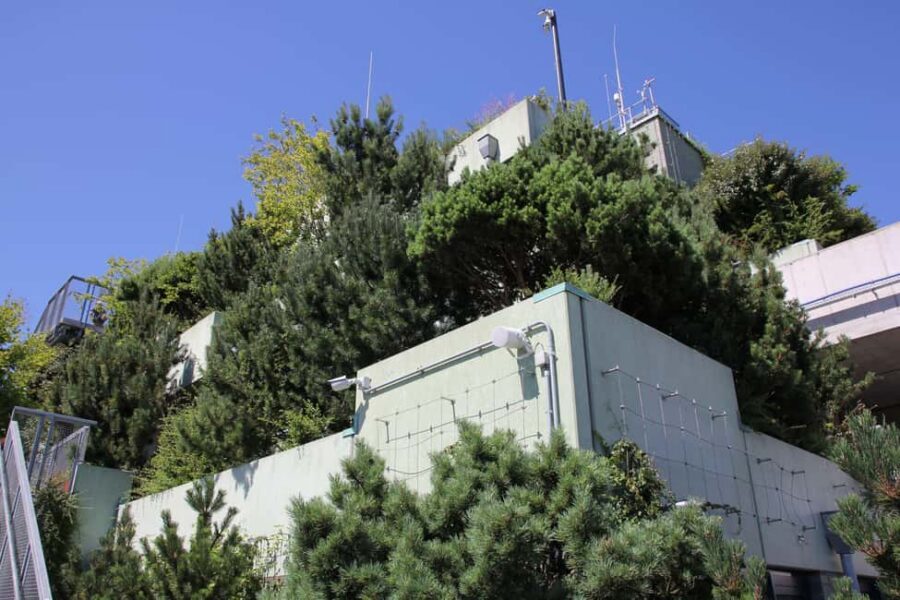
Once you reach the top, the roof terrace becomes the reward. You’re greeted by a green oasis with trees, plants, and panoramic paths, and you’ll have time to admire the variety of vegetation while enjoying views over Hamburg.
This is also where the tour’s “climate protection” angle becomes practical. The green roof isn’t presented as decoration; it’s tied to an innovative concept for helping protect the urban environment. You’ll likely understand this best if you think in terms of building design: rooftops are part of the city’s thermal and water story, and this roof garden is framed as a purposeful response.
Then there’s the simple part that still matters: you can linger. The experience includes photo tips and the option to slow down, take your time, and soak up the view. That’s a real advantage because rooftop experiences can easily turn into a rushed checklist, and here you’re given space to decide what you want to do—more photos or just quiet time with the skyline.
If you’re traveling for photography, the panoramic nature of the view is a clear win. If you’re not, it still works as a calm break from the streets, especially because the quiet feeling is part of the design.





Price and value: is $14 worth your time?
At about $14 per person for a 1-hour tour, this is positioned as good value for people who want more than a quick lookout. The cost makes sense because you’re paying for guided interpretation of two different worlds: WWII bunker architecture and modern roof-greening planning.
One reason it can feel like a bargain is that the tour’s information isn’t limited to what’s printed on the site. The experience is built around stories about the redesign and architecture, plus insider knowledge about the project’s use, planning, and challenges. That added context is often what turns an ordinary visit into a memorable one.
That said, value depends on your expectations. If you only want stand-alone sightseeing with minimal guide talk, you might feel you can accomplish the view and basic reading on your own. The best experience comes when you actually engage with the guide’s explanations during both the inside visit and the path up to the roof.
Language and pacing: what to expect from the guide
The tour is led by a live guide in German. Some content may be shown in its original language, which matters if you don’t read or follow German comfortably. I’d treat this as a tour for people who can handle German narration—or who don’t mind translating key ideas as you go.
When the guide is on form, the hour can feel smooth and easy. One theme from participant feedback is that the pace is relaxed and stress-free, and that the guide adds meaningful context beyond what you might find on signs and information boards. On the flip side, there are also complaints about the tour feeling like it offered little usable information, so your experience may depend on the day and the specific guide delivery.
In short: go in expecting a guided story, not a self-paced audio tour. If you want maximum learning, showing up ready to listen helps.
Who should book this Green Bunker tour?
This tour is a strong fit if you like architecture, engineering details, and how cities reuse heavy infrastructure. The inside look at concrete and the ventilation system will appeal to travelers who enjoy seeing how design choices connect to function. The rooftop part will satisfy people who want a scenic payoff without committing to a long trek.
You’ll also enjoy it if you’re interested in urban planning and climate-minded projects. The green roof is framed as an innovative concept, and you’ll learn how planning and challenges shaped the end result—useful if you’re the kind of traveler who wonders how ideas become buildings.
Who might skip it: if you rely on mobility aids or need wheelchair access, this tour isn’t a good match. Pets aren’t allowed (assistance dogs are allowed), and walking frames and baby carriages aren’t permitted. The experience also isn’t suitable for people with mobility impairments and wheelchair users, since the route includes moving through and up to the roof terrace.
Should you book the Green Bunker tour?
I think you should book it if you want a focused hour that mixes WWII structure with modern environmental design, then rewards you with panoramic views and time to linger on the roof. The price-to-experience ratio is strong, especially because you get more than surface-level facts: you hear how the bunker was used, how the redesign works, and why the roof garden has a climate protection goal.
Book with caution only if German narration will be a barrier for you, or if you’re expecting a more reading-heavy experience with lots of written details doing the work for you. If you prefer self-guided exploring, you might feel the guided interpretation is the main value—so check whether you’ll enjoy listening as much as looking.
FAQ
Where is the meeting point for the Green Bunker tour?
Meet at the bike racks on the left in front of the main entrance to the bunker, at the small house with the sign Ein Herz für St. Pauli. The guide will be there about 10 minutes before the start.
How long is the tour?
The tour lasts 1 hour.
What language is the tour?
The tour is guided live in German.
What’s included in the price?
You get a guided walk through the World War II bunker, explanations about its past and transformation, access to the roof garden with plants and panoramic paths, and views over Hamburg with guidance around urban greening and climate protection.
What should I bring since food and drinks aren’t included?
Food and drinks are not included, so plan to bring water or snacks if you need them during the hour.
Is the tour suitable for wheelchair users or people with mobility impairments?
No. It’s not suitable for people with mobility impairments and wheelchair users.