REVIEW · HAMBURG
Hamburg: Private Tour Down Town around City Hall
Book on GetYourGuide →Operated by Schoenes Hamburg · Bookable on GetYourGuide
Hamburg has a way of surprising you underground. This private downtown history tour brings the Hanseatic city to life with stops like Hamburg Rathaus and St. Nicholas’ Church, then throws in the cool, weird stuff: the city’s huge underground bunker system and Hamburg’s first pneumatic post. I also like how the guide leans on storytelling and humor, so you remember details instead of just collecting photos.
The only real catch is pacing: in two hours you’ll hit major landmarks fast, with short walks and quick photo stops, not long hangs in one spot. If you want slow shopping time on Mönckebergstraße or to linger by the water, plan a bit of extra solo time before or after.
In This Review
- Key highlights you’ll care about
- The Two-Hour Format That Works (And When It Doesn’t)
- Starting Near Central Hamburg: Getting Your Bearings Fast
- Mönckebergstraße and St. James’ Church: City Life Meets City Story
- Kontorhausviertel and Chilehaus: Architecture With a Purpose
- The Pneumatic Post and the Underground Bunker System: Hamburg’s Strange Genius
- Great Fire of 1842: Why Hamburg Looks Different Now
- Sprinkenhof and Reichenstraßen: Quick Stops, Useful Clues
- Africa House: A Detour Into Hamburg’s Global Connections
- St. Nicholas’ Church and Trostbrücke: Civic Grandeur Meets Human Weight
- Chamber of Commerce and Hamburg Rathaus: The Heart of Hanseatic Hamburg
- Price and Value: $294 for Up to 15 People
- Who This Tour Suits Best
- Guides and the Style That Makes the Difference
- Should You Book This Hamburg Downtown Private Tour?
Key highlights you’ll care about
- Hamburg Rathaus and the old town halls: classic civic power, explained in plain terms
- Chilehaus: an architectural conversation you can see from several angles
- Mönckebergstraße (Mö): the promenade-style main shopping street, with local context
- Africa House: a stop that feels like a detour into Hamburg’s global connections
- Trostbrücke: a small bridge with a big emotional payoff
- Bunkers and the pneumatic post: Hamburg tech + war history, made understandable
The Two-Hour Format That Works (And When It Doesn’t)
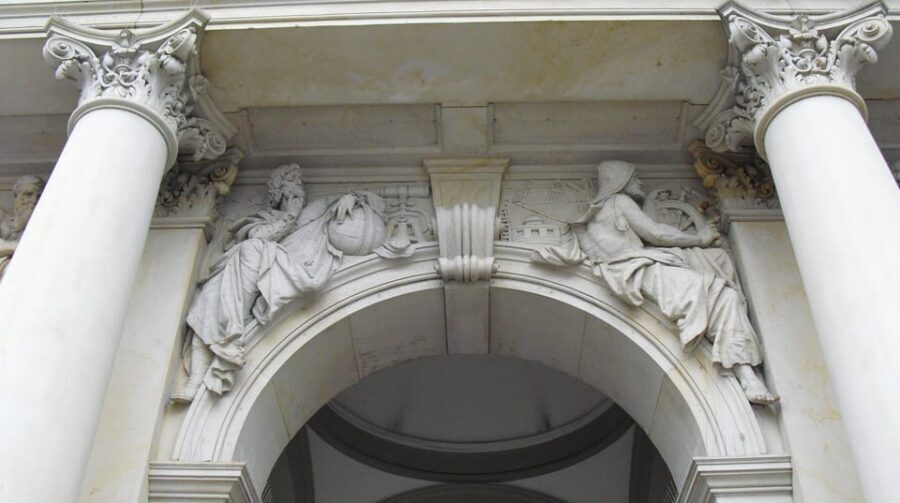
This is a 2-hour private tour focused on the core of Hamburg’s downtown story. You’re not trying to “see everything.” You’re getting a guided line through the city—old institutions, iconic buildings, and the key historical moments that shaped how Hamburg looks today.
The route runs through central landmarks around Hamburg Central Station and then threads its way past major old-town sites and architectural hits like Chilehaus, plus stops tied to Hamburg’s industrial, global, and war-era past (including the underground bunker network). The big value here is speed with structure. In a short time, you’ll connect dots: why the city expanded, what was rebuilt after major destruction, and how commerce changed the street pattern over time.
The main downside is also the nature of the format: most stops are brief, so you’ll get highlights plus explanation, but not a long sit-down tour of any one church or building. You’ll stand, look, walk, and move—so wear comfortable shoes.
You can also read our reviews of more city tours in Hamburg



Starting Near Central Hamburg: Getting Your Bearings Fast
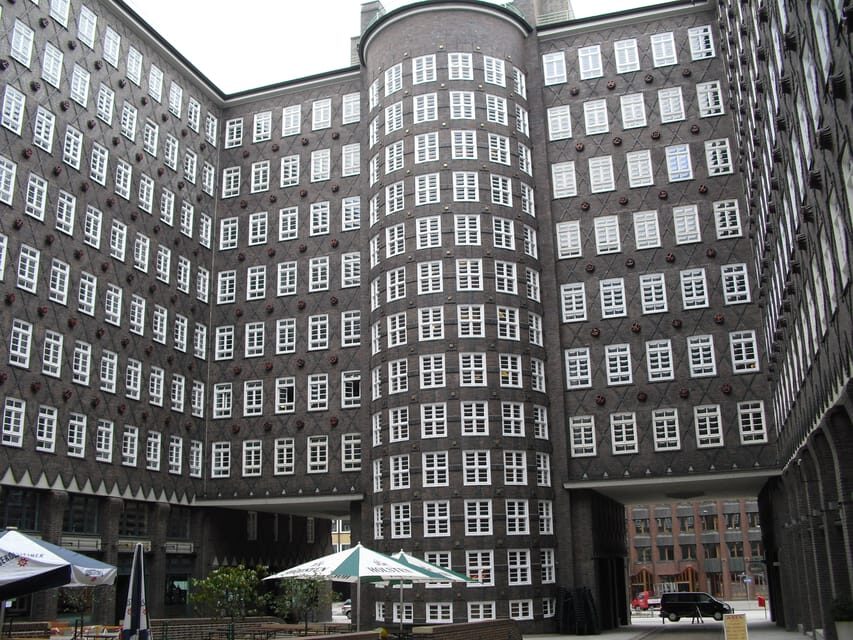
Your meeting point can vary depending on the option you choose, but the tour route centers around Hamburg Central Station and then moves into the old downtown areas. That’s a smart setup for most visitors because it helps you orient quickly. You don’t start in a random alley; you start where the city funnels people in and out.
You’ll also pass through Mönckebergstraße, which locals call Mö—a long shopping street that feels like a promenade. Even if you’re not shopping, it’s a useful visual anchor. You can feel how Hamburg grew into a commercial city while still carrying its older civic identity around it.
If your ideal day is quiet, this isn’t the moment for that. This part is active and urban, but it’s also where the guide can explain the city’s shift from older street patterns to a more modern commercial layout.
Mönckebergstraße and St. James’ Church: City Life Meets City Story
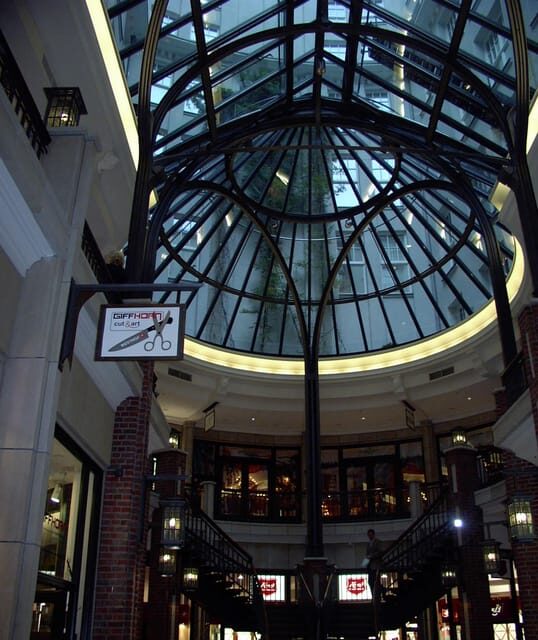
Mönckebergstraße is more than a place to buy things. With the guide, you start to understand the “why” behind the street’s importance: Hamburg’s downtown became the place where commerce concentrated, not just where people lived. The tour’s focus on history makes the shopping street feel less random. It becomes a timeline you’re walking.
After that, you’ll head to St. James’ Church for a quick guided stop. Even in a short window, church visits work well on this kind of tour because they give you a sense of continuity—Hamburg’s identity didn’t vanish just because the city changed. In plain terms, you’re seeing how religious and civic life coexisted with trade and rebuilding.
One practical tip: look up while you listen. Churches and historic institutions reward quick glances upward, and you’ll get more out of the short time if you’re scanning for details while the guide connects them to the broader story.
Kontorhausviertel and Chilehaus: Architecture With a Purpose
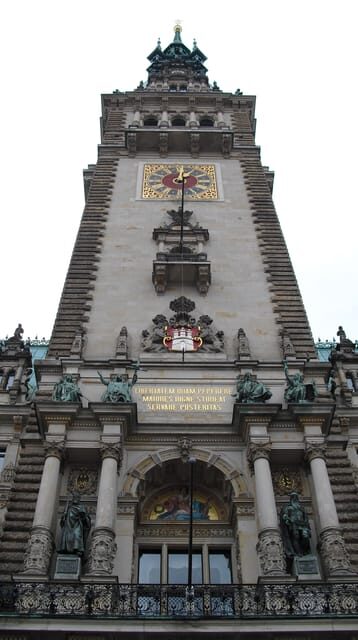
The tour reaches Kontorhausviertel, the office-building district tied to Hamburg’s commercial rise. This is the zone where you can best appreciate how money and planning shaped the city’s physical form.
Then comes Chilehaus, and yes, it’s imposing. The guide doesn’t just point at the building; the stop helps you read the architecture as something deliberate. Chilehaus is famous enough that you’ll likely recognize it from photos, but on the ground it feels more complex—lines, angles, and a sense of momentum that matches Hamburg’s trade-driven energy.
This is also one of the most photo-friendly segments. You’ll want to take a moment to step back and catch the building from different viewpoints, not just the front. If the crowd thickens, don’t rush. Move two or three paces and you’ll often get a cleaner perspective.
The Pneumatic Post and the Underground Bunker System: Hamburg’s Strange Genius
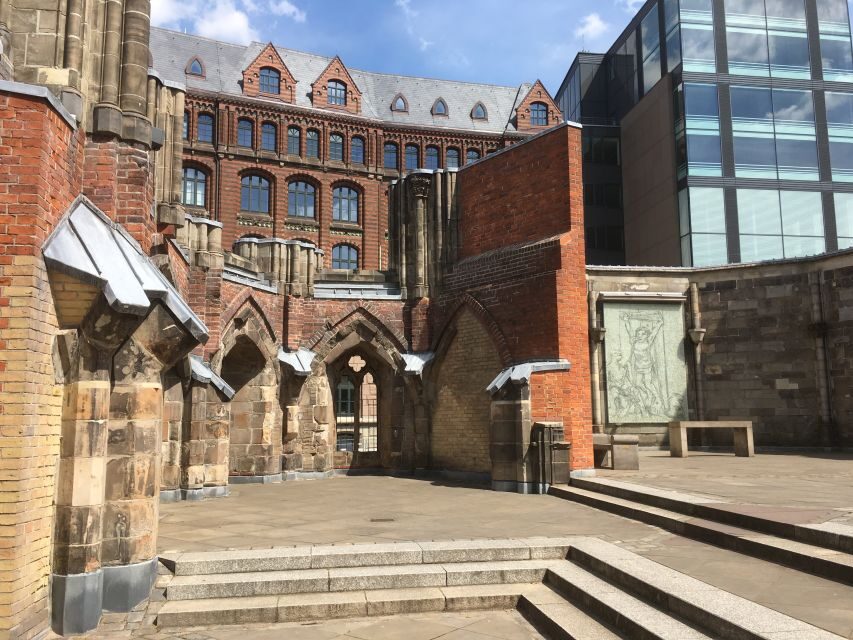
This tour gets its edge from the less-obvious history: the largest German underground bunker system, said to contain over 700 bunkers, and the city’s first pneumatic post, put into operation on 24 October 1864.
Those aren’t just trivia stops. They show you two sides of Hamburg:
- Hamburg as a problem-solver and connector, using technology like pneumatic tubes to move messages efficiently (a real “how did they do it then?” moment).
- Hamburg as a city that had to plan for threat and survival, resulting in a massive underground bunker network.
The best way to experience these stories is to slow down mentally even if you’re physically moving. When the guide explains how these systems worked and why Hamburg needed them, you start to see the city’s streets as more than scenery. They’re the surface layer of a much bigger system.
Also, think about timing: if you’re visiting in bad weather, these stops can still feel rewarding because the guide can tie technical facts to visible urban design. You don’t need special access. The story stays anchored to what you can see nearby.
You can also read our reviews of more private tours in Hamburg






Great Fire of 1842: Why Hamburg Looks Different Now
One of the most important historical threads on this tour is the Great Fire of 1842, which raged for four days and destroyed large parts of the old town. The guide uses this event to explain why Hamburg’s appearance changed so fast—from earlier narrow streets and passageways lined with half-timbered houses to a more modern commercial city.
This is where the tour helps you connect architecture to lived consequence. You can’t fully understand a city’s style without knowing what was lost and rebuilt. Even if you only catch a few street segments and key buildings, the fire story gives context for the “then vs. now” feeling you’ll notice.
When you leave this stop, try this on your own: look at nearby street widths and building types. The differences may not feel dramatic at first, but after hearing the fire narrative, you’ll start seeing the fingerprints of rebuilding.
Sprinkenhof and Reichenstraßen: Quick Stops, Useful Clues
You’ll also pass through or stop near areas like Sprinkenhof and Reichenstraßen. These are shorter guided moments, but they matter. The tour uses them like supporting scenes in a movie—places that help you understand how downtown functions and how different districts relate to each other.
Even if you don’t fall in love with every building in these segments, the guide’s commentary gives you a framework. You’ll start recognizing patterns: commercial growth, civic power, and the way Hamburg’s historic identity gets expressed through street planning rather than just single landmarks.
Africa House: A Detour Into Hamburg’s Global Connections
The Africa House stop is one I’d flag as the “wanderlust” pause on the route. It’s an unexpected shift from churches, civic buildings, and major architecture. Instead, it points you toward Hamburg’s global ties and the way the city’s trading identity translated into culture and institutions.
This is a good moment to pay attention to the mood change. You’ll probably notice the surroundings feel different here—more specific, more focused, less generic downtown. If you like travel that goes beyond the postcard highlights, this stop delivers.
And since the tour is time-limited, it helps that the guide makes the visit meaningful instead of just marking it as a must-see. You leave with context, not just a stamp on your mental list.
St. Nicholas’ Church and Trostbrücke: Civic Grandeur Meets Human Weight
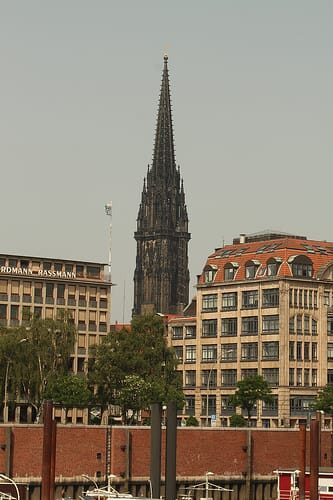
Two stops carry strong emotional contrast: St. Nicholas’ Church and Trostbrücke.
St. Nicholas’ Church (also tied to Hamburg’s major historical narrative) gives you the classic grand-civic feeling you expect from a major Hanseatic city. Even with a short visit, it helps you understand Hamburg as a place where institutions were meant to be seen and felt.
Then you reach Trostbrücke—the tour frames it as a memory stop, not just a photo location. It’s the kind of place where a brief guided explanation can change how you perceive the bridge and its surroundings. If you care about how places remember events and shape local emotion, you’ll like this part.
Practical note: bridges are also windier spots than you expect. If it’s chilly, dress for it. You’ll stand there long enough for it to matter.
Chamber of Commerce and Hamburg Rathaus: The Heart of Hanseatic Hamburg
The final big landmarks are the Chamber of Commerce and Hamburg Rathaus (Town Hall). This is where the tour’s main theme—Hamburg’s Hanseatic identity—comes together.
You’ll see civic power in stone and layout: where decisions were made, where business influence played out, and how Hamburg organized itself as a commercial hub. The guide also ties these places back to earlier points on the route, so the story doesn’t feel like separate “random stops.”
I like ending here because it gives you closure. Even if you forget every single detail, you’ll remember the feeling of a city run by trade, rebuilt after disasters, and still proud enough to place its identity in the open.
Price and Value: $294 for Up to 15 People
At $294 per group up to 15, this private tour can be excellent value—especially if you’re traveling with a small group of friends or family who want one guide instead of splitting into multiple tours.
Here’s how to judge whether it’s worth it for you:
- If you’re coming as a couple or family and want customized pacing, private time matters.
- If you’re staying only briefly in Hamburg, two hours gives you a high density of meaningful stops—architecture, institutions, and major historical moments.
- If you’re a history-minded visitor who likes explanations tied to what you see in front of you, this kind of guided storytelling saves time.
If you’re the type who loves long museum hours and deep reading, you might still enjoy the tour—but you’d likely want to add more self-guided time afterward.
Who This Tour Suits Best
This Hamburg downtown tour is ideal if you:
- Want a guided history walk that stays practical and visual
- Like architectural icons like Chilehaus but also want the “why”
- Care about Hamburg’s technology and underground wartime planning, not just surface-level landmarks
- Prefer private group touring in a short, well-paced format
If you’re traveling with kids who need constant movement, you can make it work, but keep expectations realistic: stops are short, so it’s not built for long attention spans. If you’re traveling with seniors, the route likely works best when everyone uses comfortable shoes and is ready for standing still during explanations.
Guides and the Style That Makes the Difference
The strongest praise tied to this experience is the guide approach: prepared, friendly, and funny. I’m especially impressed by the specific guide names mentioned in past tours, like Birgit, Jörn Löding, and Frau Stange—because it signals a consistent emphasis on storytelling, humor, and turning stone-and-building facts into something you actually feel.
That style matters on a tour like this. Hamburg has a lot of layers. A good guide helps you keep them in order.
Should You Book This Hamburg Downtown Private Tour?
If you want a tight, high-impact overview of Hamburg’s old downtown—civic landmarks, major architecture, and the city’s unusual tech and survival history—this is a strong choice. It’s short enough to fit almost any schedule, but structured enough that you’ll leave with a clearer picture of how Hamburg became what it is now.
Book it if:
- You’ll appreciate historical context as you walk (not after you get home)
- You want Chilehaus, Africa House, Trostbrücke, and Hamburg Rathaus in one guided loop
- You’re traveling as a group where private value makes sense
Skip it (or plan extra time) if:
- You hate standing in cold wind on bridges or dislike quick-stop pacing
- You’d rather spend most of your time shopping on Mö without a history focus
If your goal is to get oriented and understand Hamburg’s downtown story fast, I’d say this tour is a solid hit.