REVIEW · HAMBURG
Hamburg Old Town on foot – the guided tour with heart
Book on GetYourGuide →Operated by Best Hamburg Tours · Bookable on GetYourGuide
Old Town in Hamburg hits like a storybook walk. This Rathausmarkt to Elbphilharmonie route brings the city’s merchant roots into focus, with standout stops that include the 112m town hall tower and the St. Nikolai memorial. I love how the guide connects what you see to what it meant for Hamburg, and I especially love the St. Nikolai details that put its former world-height in perspective. One catch: you’ll walk about 2.5 km, so plan for weather and a bit of endurance.
You get a live English or German guide, and when a guide like Sebastian is on deck, the stories tend to feel lively and highly specific to Hamburg (not vague textbook stuff). If you want a compact old-to-new tour that mixes classic landmarks with modern music-city energy, this is a strong pick—just dress for all kinds of conditions.
In This Review
- Key highlights to watch for
- Rathausmarkt to the Town Hall Tower: Hamburg’s “Start Here” Moment
- Chamber of Commerce and the 1558 Trading Room Feeling
- St. Nikolai Memorial: The Tallest Story That Lost Its Way
- Willy-Brandt-Straße and Deichstraße: 500 Years of Hanseatic Architecture Walk
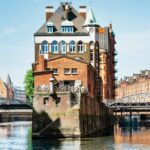
- Speicherstadt: Trade Goods You Can Almost Taste
- HafenCity and the Elbphilharmonie Finish: Modern Hamburg’s Music Mood
- Price and value: Is $33 worth two hours?
- Getting the most out of it: how to pack for moody Hamburg
- Who should book this Hamburg Old Town walk?
- Should you book it?
- FAQ
- How long is the guided Hamburg Old Town walking tour?
- What does the tour cost?
- Where do I meet the guide?
- What language is the tour offered in?
- Is the tour wheelchair accessible?
- How much walking is involved?
- What is included in the price?
- Are HVV public transport tickets or food included?
- What should I bring?
- Is there free cancellation and pay-later booking?
- Does the tour run with small groups or private options?
Key highlights to watch for
- Rathausmarkt kickoff with the city model so you understand Hamburg’s layout fast
- Rathausdiele + Chamber of Commerce with a close-up look at Germany’s oldest still-active stock exchange (since 1558)
- St. Nikolai memorial and the true scale of its former height and role in the city
- Deichstraße through Hanseatic architecture—a walk that traces about 500 years of building tradition
- Speicherstadt trade stories tied to everyday goods like tea, coffee, and oriental carpets
- HafenCity and the Elbphilharmonie for a modern finish with music and panoramic potential
Rathausmarkt to the Town Hall Tower: Hamburg’s “Start Here” Moment
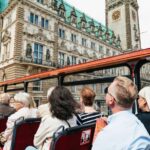
Most Old Town tours start with a landmark. This one starts with direction—literally. You begin at the Hamburger Rathaus area on Rathausmarkt, where there’s a city model that helps you get your bearings fast. Hamburg is built around water, trade, and long-running neighborhoods. Having that quick visual map early means you’ll follow the route with less guesswork and more understanding.
Then it’s into the Rathausdiele and the town hall story. The town hall isn’t just pretty facades; it’s a statement about civic power and the city’s confidence. The tour highlights the tower height (112m), which helps you picture why it mattered so much when Hamburg was rising as a trading hub. Even if you’re not into architecture, the guide’s job is to make the building feel like a living part of the city’s strategy.
Practical payoff for you: starting here makes the rest of the walk click. When you later hear about merchants, markets, and the city’s trading network, you’ll understand why these institutions were built to be seen.
You can also read our reviews of more guided tours in Hamburg



Chamber of Commerce and the 1558 Trading Room Feeling
From the town hall energy, the tour moves into commerce territory, passing the merchant trading houses and heading toward Hamburg’s Chamber of Commerce areas. This stop connects the street-level vibe to a long-running economic engine.
The big point: Germany’s oldest still-active stock exchange dates back to 1558, and the guide frames it as a thread that still runs through Hamburg’s identity. The value here isn’t just a date on a plaque. It’s the idea that Hamburg’s old walls and old institutions weren’t designed for tourism—they were built for business continuity, deal-making, and trust.
What I like about this approach: you get context while the city is still fresh in your head. You’re not walking past “important buildings” like a checklist. You’re learning why these places mattered to real decisions and real livelihoods.
A small consideration: this is a story-focused segment. If you’re hoping for lots of time inside every room, keep your expectations aligned. The tour is only about two hours, so it moves.
St. Nikolai Memorial: The Tallest Story That Lost Its Way
St. Nikolai is where the mood changes. The memorial (once tied to the former church) carries weight because of what it once represented in the skyline. You’ll learn about St. Nikolai as a former world-height contender—an attention-grabber fact that helps you understand how ambitious Hamburg was.
But the best part is how the guide ties the monument to the people who lived with it. You’re not just absorbing measurements. You’re getting a sense of why a building’s height, visibility, and reputation could shape a city’s image—and how that image changes after major events.
For you, this stop is a great mental reset between the commercial parts of the tour and the waterfront trade neighborhoods later. It also makes the later jumps to Speicherstadt and HafenCity feel logical. Hamburg didn’t stop growing; it shifted its focus.
If you’re visiting in wind or rain, plan to slow down here. It’s a reflective moment, and lingering is part of the point.
Willy-Brandt-Straße and Deichstraße: 500 Years of Hanseatic Architecture Walk
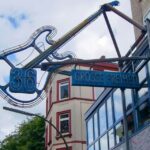
Then comes the long connective tissue: Willy-Brandt-Straße leads you toward Deichstraße, and the tour treats the route like a timeline. Deichstraße is presented as a journey through about 500 years of Hanseatic architecture.
This is one of those walking sections where the details matter. The buildings along these streets are part of why Hamburg feels different from many German cities. They show continuity—repairs, replacements, and the way trade needs shape what people build and where.
The value for you: you’ll start noticing patterns—where merchants wanted visibility, how streets supported movement, and how the city’s water-based economy influenced street life. You’re not just looking at facades. You’re learning to read the street.
Potential drawback: because the focus is on interpretation, it helps if you’re okay with stopping for photos and short explanations. If you’re the type who wants to keep walking with no pauses, this isn’t a speed-run. It’s built for learning.
Speicherstadt: Trade Goods You Can Almost Taste
Speicherstadt is where Hamburg turns into a real sensory memory machine. The tour detours there and uses the area’s merchant tradition to explain why specific goods mattered.
You’ll get stories tied to tea, coffee, and even oriental carpets. That last one is a great reminder: Hamburg wasn’t only about local industry. It was a gateway city for goods and tastes that traveled far from home.
This stop is also useful because it’s visually dramatic. The canals and the historic warehouse character give you a strong physical sense of how trade operated. It’s not abstract. You can picture storage, sorting, and the flow of imports and exports.
If you’re traveling with kids or friends who love photo ops, this is usually the most satisfying stretch. The guide keeps it grounded though, so it doesn’t become just scenery.
Consideration: if you’re expecting a long, slow wander inside every corner, the short walking tour format means you’ll skim highlights. The upside is you’ll move on to HafenCity without feeling trapped in one neighborhood.




HafenCity and the Elbphilharmonie Finish: Modern Hamburg’s Music Mood
After the historic trading backdrop, you step into HafenCity, Hamburg’s newer quarter. The tone shifts. The guide frames this as a continuation of the city’s identity—still about global connections, just now expressed through new design and a different cultural spotlight.
The highlight here is the Elbphilharmonie, Hamburg’s new landmark and concert hall. Even from the outside, it signals something: this is a city that reinvents without erasing itself. You’ll get a guided photo stop and the story behind why the hall matters to modern Hamburg’s image.
If you want more than the exterior view, there’s a smart add-on mentioned for a panoramic perspective: booking an Elbphilharmonie Plaza guided tour. That’s the kind of next step that turns a landmark visit into a view-and-story experience.
One practical note for you: ending at Elbphilharmonie can be a perfect finish point for people who want the last photos to look like “new Hamburg.” It also gives you an easy way to anchor your evening plans afterward (dinner nearby, or simply lingering in the area).
Price and value: Is $33 worth two hours?
$33 per person for a guided two-hour walking tour is a pretty reasonable trade if your priority is interpretation, not just sightseeing. You’re paying for an experienced guide to connect multiple major locations—Rathausmarkt, the Chamber of Commerce area, St. Nikolai, Deichstraße, Speicherstadt, and HafenCity/Elbphilharmonie—into one coherent narrative.
Here’s how I think about the value:
- You’re getting expert guidance across distances that would be harder to piece together on your own quickly.
- You’ll spend less time guessing which streets and buildings matter and more time understanding why they matter.
- You avoid the “random walk” problem where you see a lot but remember little.
The only real “watch out” is that it’s a concentrated format. If you want long stops, museum time, and unstructured wandering, you might want a longer, slower itinerary on another day.
Getting the most out of it: how to pack for moody Hamburg
Hamburg weather can change fast. This tour runs in all weathers, including rougher conditions. That means the best prep is simple: weatherproof clothing. You’re outdoors for a good chunk of the time, and the streets are walked on, not toured from a bus seat.
Bring:
- A rain layer or waterproof shell
- Comfortable shoes you can trust on wet pavement
- A light warm layer, because coastal wind can surprise you
Plan your pace, too. The tour is about 2 hours and around 2.5 km, and it asks that you be a good walker. The pace is structured with photo stops and brief guided segments, so don’t plan tight connections right after it ends.
Meeting logistics are straightforward: you meet in front of the main entrance at Rathausmarkt 1. Look for the BestHamburgTours/Hamburg Guides badge so you can quickly spot your guide.
For language, you can expect a live guide in English or German, which helps if you want the storytelling in your comfort zone rather than reading everything on plaques.
Who should book this Hamburg Old Town walk?
Book it if you want:
- A compact, high-impact Old Town story in about two hours
- A guided link between Hamburg’s merchant past and today’s music-landmark future
- A walking route that covers Rathaus, trade institutions, St. Nikolai, Speicherstadt, and HafenCity without feeling like separate tours
Skip it (or think twice) if:
- You hate walking in rain or you need long indoor breaks
- You want deep time inside buildings rather than guided exterior and close-by moments
- You prefer self-paced exploring with no scheduled stops
Should you book it?
Yes, if your trip is short or you want the clearest “first understanding” of Hamburg fast. This tour is built for people who like context: the why behind the buildings. The $33 price makes sense because you’re buying a guided storyline across multiple top-tier sights, not just a stroll.
The only reason not to book is if your body or schedule can’t handle a roughly 2.5 km walk in changing weather. If that’s you, consider another day with calmer conditions or choose a longer, more flexible plan.
FAQ
How long is the guided Hamburg Old Town walking tour?
It lasts about 2 hours.
What does the tour cost?
The price is $33 per person.
Where do I meet the guide?
Meet in front of the main entrance at Rathausmarkt 1.
What language is the tour offered in?
The live guide speaks English and German.
Is the tour wheelchair accessible?
Yes, it’s wheelchair accessible.
How much walking is involved?
You should plan for about 2 hours of walking and roughly 2.5 km for the tour.
What is included in the price?
An experienced, dedicated guide is included.
Are HVV public transport tickets or food included?
No. HVV tickets are not included, and food and drinks are not included.
What should I bring?
Wear weather-appropriate clothing, since the tour takes place in all weather. Comfortable, weatherproof shoes help a lot.
Is there free cancellation and pay-later booking?
Yes. You can cancel up to 24 hours in advance for a full refund, and you can reserve now and pay later.
Does the tour run with small groups or private options?
Private or small groups are available, and the tour starts with a minimum of 4 participants.