REVIEW · FRANKFURT
Frankfurt: Highlights and New Old Town English-Language Tour
Book on GetYourGuide →Operated by Tourismus+Congress GmbH Frankfurt · Bookable on GetYourGuide
Frankfurt’s old core is back in focus. On this 1.5-hour English tour, I like how the rebuilt streets bring the medieval feel back without feeling like a theme park, especially around Römerberg and the half-timbered lanes. I also love the way the walk connects landmarks to meaning, notably St. Paul’s Church, where Germany’s democracy story starts to make sense on the ground.
One heads-up: the name can make you expect the whole old town, but the emphasis is really on the reconstructed New Old Town area. If it’s hot or you’re not into constant short stretches of walking and stopping for photos, you may feel the time more than you expect.
In This Review
- Key highlights I’d prioritize
- Where the tour begins: Römerberg and the feeling of being in the center
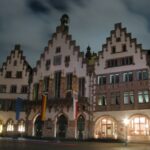
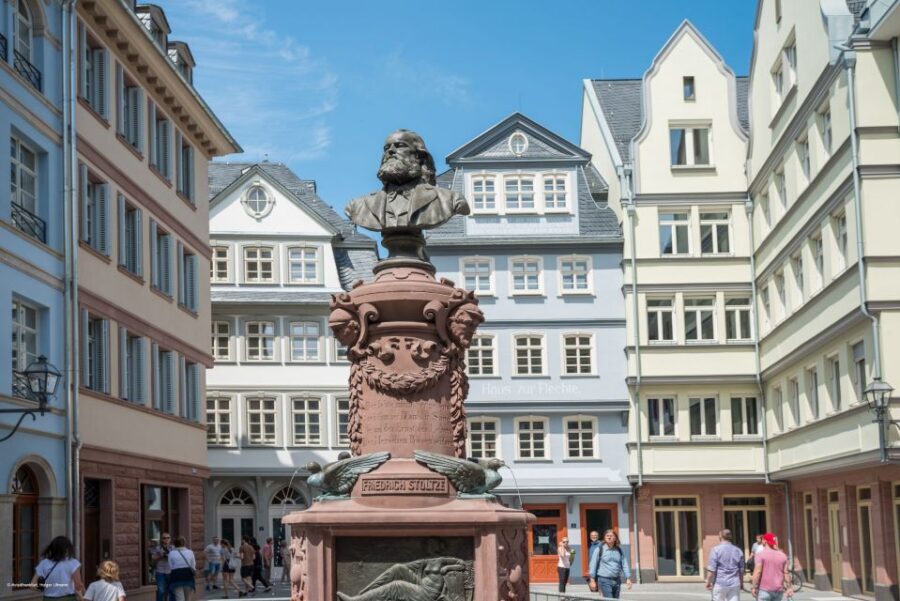
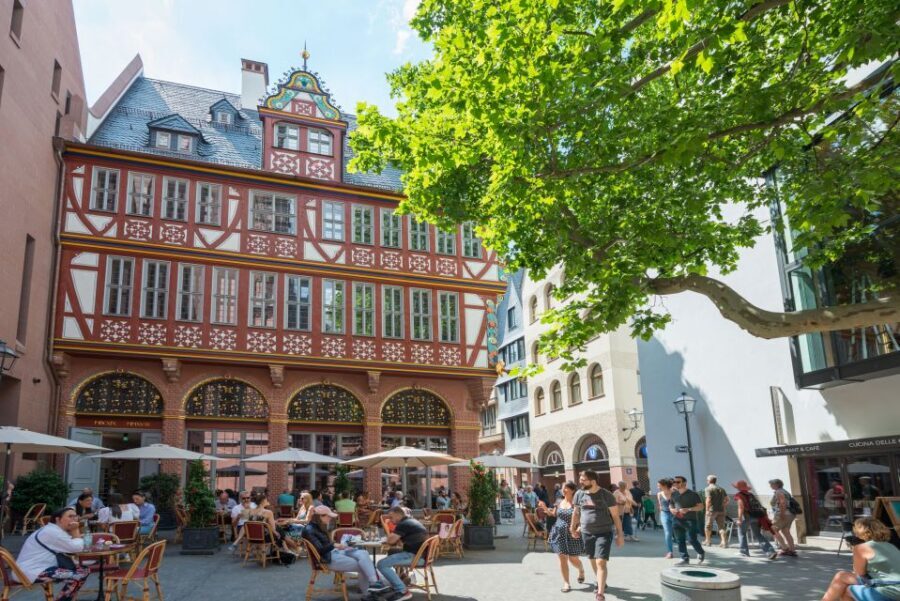
- Half-timbered New Old Town streets: the reconstruction you can actually walk through
- The Römer and Römerberg: medieval city power in one concentrated block
- Frankfurt Cathedral and the bigger church-and-city connection
- St. Paul’s Church: where Germany’s democracy story takes shape
- Eiserner Steg footbridge: the popular photo spot you’ll want to use well
- Museum Embankment: 39 museums and a city skyline view
- How the pace feels in real life (and how guides keep it fun)
- Price check: why $21 can feel like good value
- Getting the most out of it: what to bring and how to act
- Who should book this English highlights tour?
- Should you book this Frankfurt New Old Town tour?
- FAQ
- How long is the Frankfurt Highlights and New Old Town English-Language Tour?
- Where do I meet my guide?
- What’s the language of the tour?
- What is the price per person?
- What’s included in the tour?
- Is this tour wheelchair accessible?
- What are the main sights covered?
- Is there free cancellation?
- Can I reserve without paying immediately?
Key highlights I’d prioritize
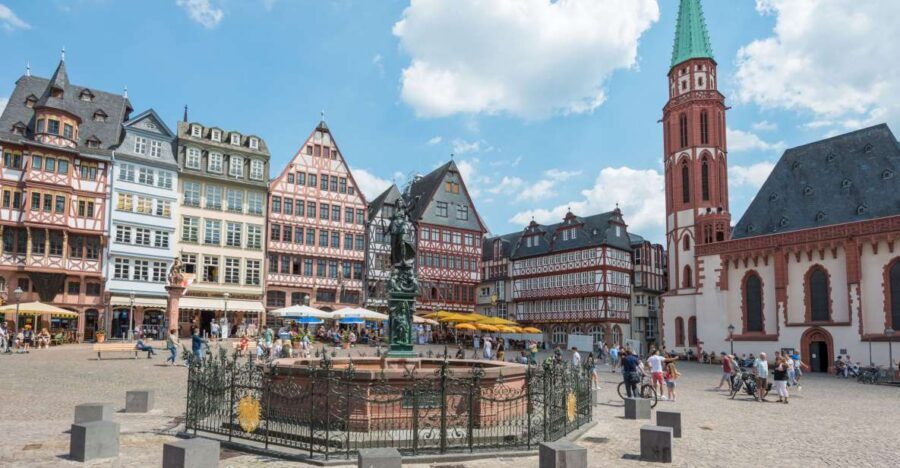
- Start in front of the Römer and get oriented fast at Römerberg
- Spot half-timbered architecture in the reconstructed city center
- See Frankfurt’s medieval City Hall complex at the Römer
- Visit St. Paul’s Church for the early democracy chapter
- Make time for Eiserner Steg, the iconic photo footbridge
- Get a skyline view angle from Museum Embankment’s museum cluster
Where the tour begins: Römerberg and the feeling of being in the center
Your guide meets you at the Tourist Information Office Römer. From there, you walk into Römerberg, Frankfurt’s classic square and the natural starting point for understanding how the city once organized power and daily life. It’s a good spot to begin because the buildings do the teaching: you can see why this area became the heart of the city, long before modern streets and transportation took over the edges.
You’ll also get a simple orientation that makes the rest of the walk easier. Instead of memorizing facts, you’ll connect what you see—city hall, church, bridges, riverfront—with the bigger idea: Frankfurt kept reinventing itself, and the New Old Town reconstruction helps you read that story at street level.
You can also read our reviews of more tours and experiences in Frankfurt.


Half-timbered New Old Town streets: the reconstruction you can actually walk through
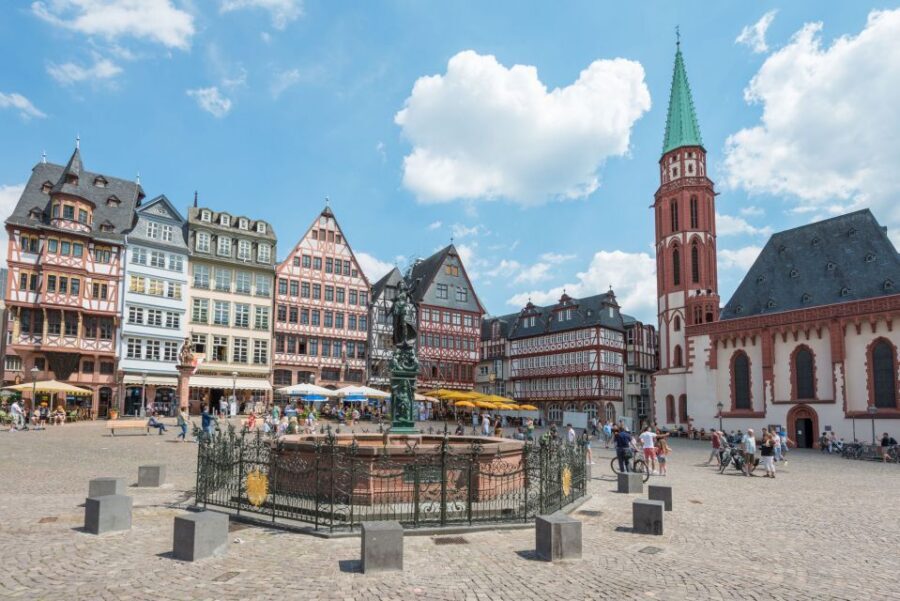
One of the coolest parts of Frankfurt tourism is how history can feel complicated. This is where the reconstructed center helps. As you move through the winding laneways, you’ll see half-timbered architecture and restored facades that make the past look tangible. The point isn’t just pretty buildings—it’s the rhythm of older city design: tighter streets, dramatic facades, and corners that force you to slow down.
This is also the moment when the tour’s title makes sense. You’re not doing a generic stop-every-20-minutes walk. You’re seeing the New Old Town in enough depth that it starts to feel like a real district again. If you like cities where architecture tells the story, you’ll enjoy how the guide points out what was rebuilt and why it matters.
The Römer and Römerberg: medieval city power in one concentrated block
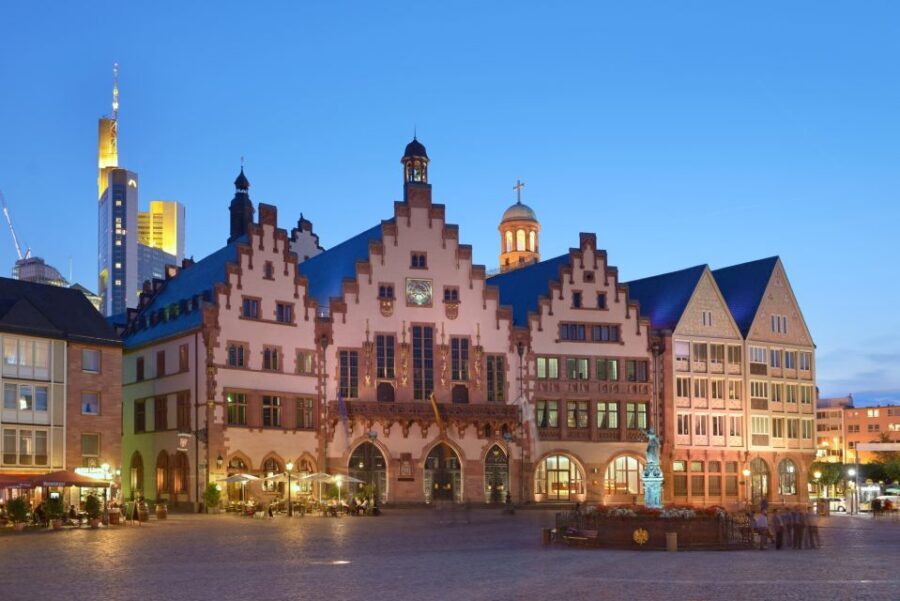
The tour centers on the medieval City Hall of Frankfurt, the Römer, and the long-standing significance of Römerberg. This isn’t a vague “look at a historic building” moment. It’s more like the city’s administrative DNA in stone and timber.
At the Römer, you’ll learn how this place functioned as a civic center. You’ll also hear how the square and surrounding structures shaped public life. Standing here with your group, it’s easier to imagine medieval governance than when you just glance at the building from a distance.
Practical tip: if you want the best photos, you’ll likely want to be ready when the group pauses. These spots fill quickly, especially around the square’s best angles.
Frankfurt Cathedral and the bigger church-and-city connection
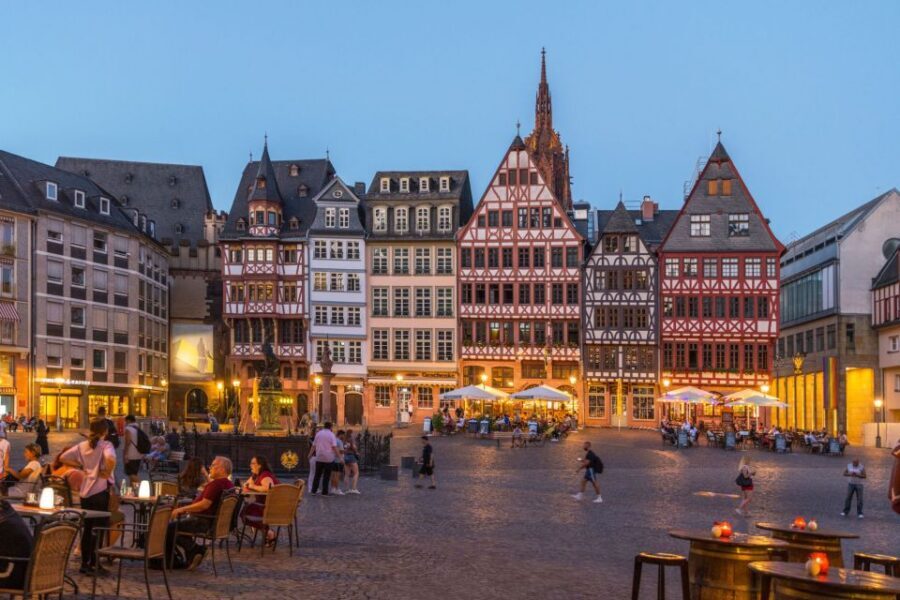
Along the walk, you’ll also see Frankfurt Cathedral. Even if you don’t go inside, it helps to understand how churches and civic institutions sat close together in older European cities. Your guide ties these religious landmarks to the everyday life around them—where people gathered, what mattered socially, and why certain places kept their importance across centuries.
I like this part because it balances the tourist “checklist” effect. You’re not only chasing the most famous postcard sites—you’re getting a sense of how the city’s public identity worked.
St. Paul’s Church: where Germany’s democracy story takes shape
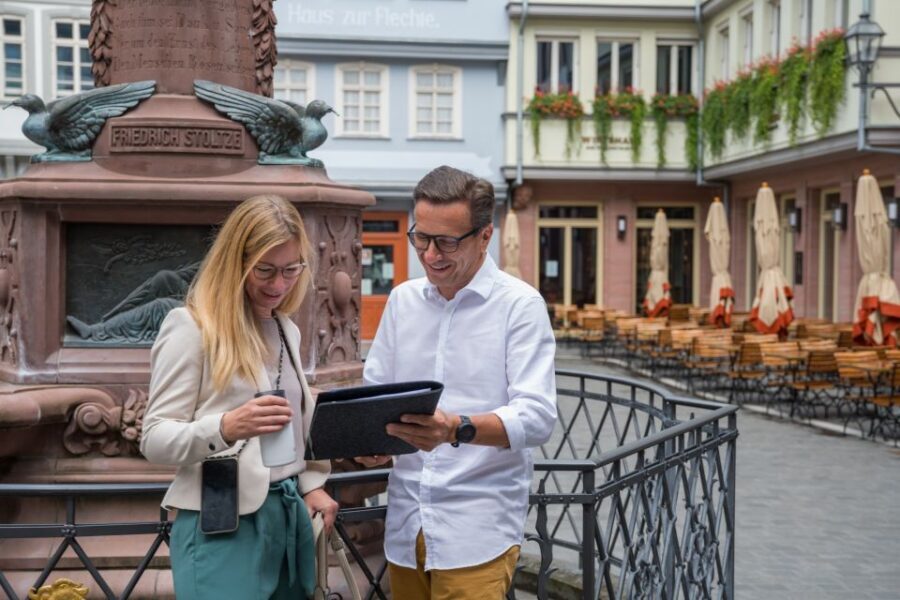
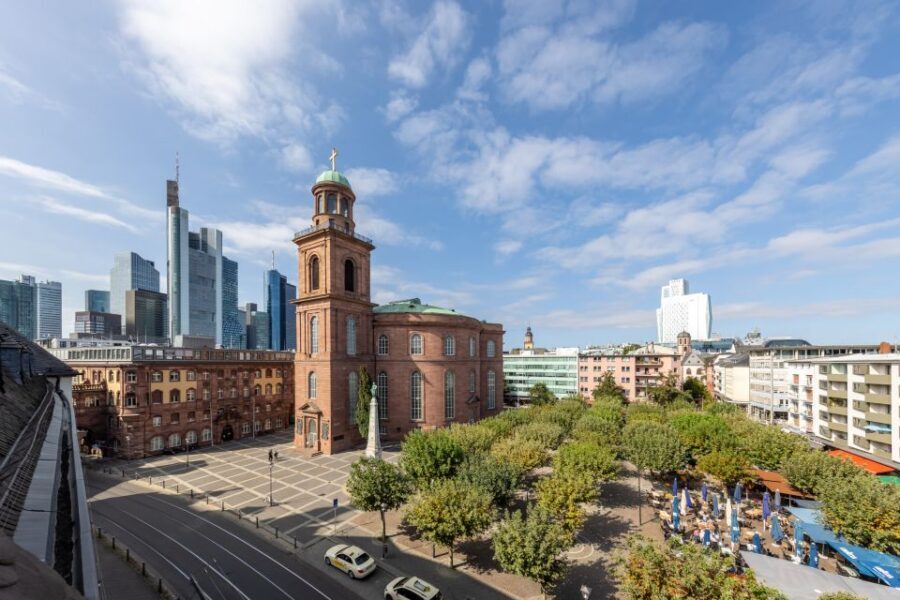
Then you reach St. Paul’s Church, one of the tour’s most meaningful stops. The guide explains how this is tied to where democracy began in Germany. You’ll walk up with the square-and-streets feeling already in your head from the earlier stops, and then the tone shifts toward political history.
This is a smart inclusion for a short tour because it turns architecture into context. Instead of reading about democracy in a book, you’re linking the idea to a specific place and setting. It helps a lot if you’ve ever wondered why European cities have so many monuments that feel both artistic and political.
You might hear the story told with humor, too. In past English tours, guides such as Lili and Alexander have mixed historical explanation with light pacing, which is a big part of why even teenagers have stayed engaged.

Eiserner Steg footbridge: the popular photo spot you’ll want to use well
Eiserner Steg is the kind of place you see on social media and then want to understand in real life. You’ll admire the distinctive footbridge and get a photo angle over the Main. This is one of the clearest “modern landmark” moments on the tour, and it works because it contrasts with the older streets behind you.
Here’s how to make this stop pay off: don’t just take a quick shot from wherever you happen to be. When the group pauses, look around. Try a side angle that includes the river line, then another that frames the bridge from a slightly different height. If your phone has a portrait mode, this is a good environment for it. The bridge’s design holds up beautifully, even if you’re not a photography person.
And yes, it’s popular. That’s not a drawback—it’s proof the structure makes visual sense.
Museum Embankment: 39 museums and a city skyline view
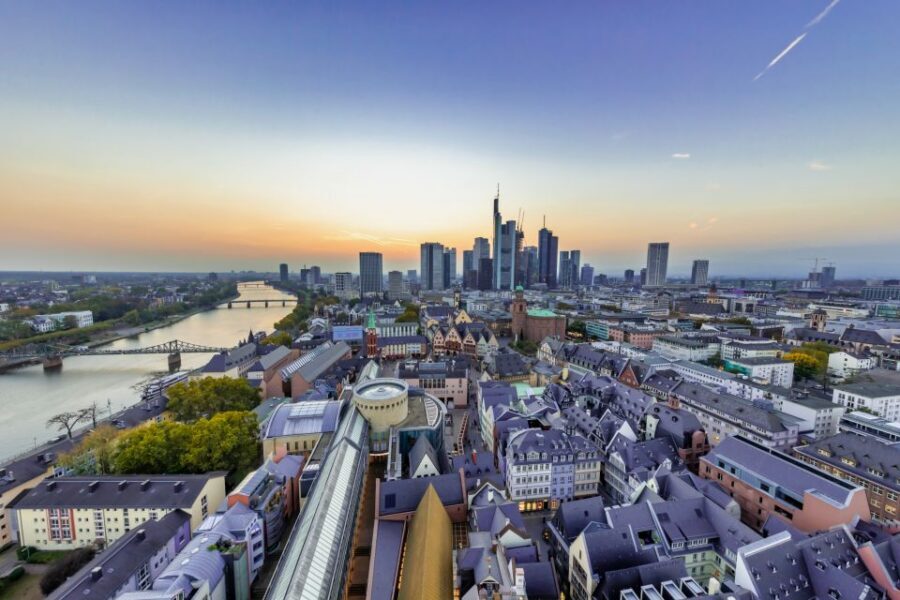
The walk also gives you a glimpse of the Museum Embankment, with its cluster of 39 museums. Even if you’re not planning a museum day, this section helps you read Frankfurt as a city that values culture and reinvention.
You’ll get views toward the skyline, which is key. It prevents the tour from feeling stuck in the past. You finish with the sense that Frankfurt is modern, busy, and always building on top of older layers—sometimes literally, through reconstruction.
If you like riverside stroll vibes, you’ll also probably want to linger nearby after the tour ends. This is the point where the walk gives you a reason to come back and spend longer on your own.
How the pace feels in real life (and how guides keep it fun)
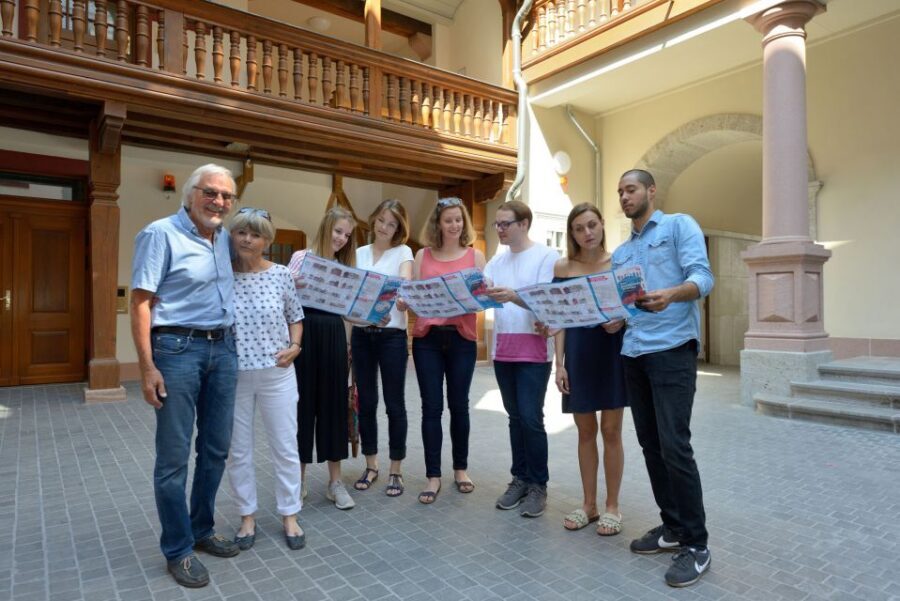
At about 1.5 hours, this is a compact tour. You’re walking, then stopping at key points for explanation and photos. That rhythm is part of what makes it work. In past sessions, guides like Lutz, Frank, and David have managed a balance of fun facts and historical facts, with enough breaks that people don’t feel dragged from stop to stop.
There’s also variety in delivery. Some guides lean more humorous—like Alexander’s mix of jokes and information. Others lean more story-driven—like Robert’s approach or Gabriella’s clear explanations. The main thing I’d watch for is your own energy level: if you’re traveling with kids or teens, this pacing tends to work, but it still includes outdoor walking.
One possible drawback: on very hot days, the walking can feel more demanding. It’s not a marathon, but you’ll want water and sun protection.
Price check: why $21 can feel like good value
The price is about $21 per person for a live, English-language walking tour with a certified guide. For Frankfurt, that’s solid value if you want an organized overview rather than trying to piece together the city’s old-core story on your own.
What makes it worth it is not just the sites—it’s the connections. In a short window, you go from Römerberg and medieval governance to St. Paul’s Church and a democracy story, then to riverfront landmarks that show Frankfurt’s modern face. If you’re doing multiple things in the city, this tour is a great “first read” of what matters.
If you’re the type who prefers deep, slow museum time, this won’t replace that. But as a highlights-style orientation with real context, the value is strong.
Getting the most out of it: what to bring and how to act
This tour is outdoors and depends on good walking shoes. I’d wear comfortable sneakers and plan for some time standing while you listen and take photos. If you’re sensitive to heat, treat the start time like a priority—don’t gamble with your schedule.
Also, if you care about photos, keep your phone charged. Eiserner Steg and the river angles are the obvious targets, but Römerberg and the reconstructed streets also offer great architectural shots.
Finally, come curious. The tour works best if you let the guide do the connecting. You don’t need to study beforehand—you just need to pay attention to how each stop relates to the next.
Who should book this English highlights tour?
I think you should book if you want:
- A focused introduction to Frankfurt’s reconstructed New Old Town and the meanings behind the main landmarks
- A short, guided walk that includes civic history, architecture, and a riverfront payoff
- A lively guide who can balance facts with stories (and keep younger visitors interested)
You might skip it if:
- You’re hoping for a sweeping tour of every major historic district in Frankfurt
- You don’t like outdoor walking at all, even when it’s paced with frequent stops
Should you book this Frankfurt New Old Town tour?
If you’re spending limited time in Frankfurt, I’d strongly consider it. For a little over an hour, you get a high-impact mix of Römerberg, the Römer complex, St. Paul’s Church, Eiserner Steg, and a skyline moment from Museum Embankment. It’s the kind of tour that helps you understand why people love certain corners of the city—and where to go next on your own.
If you do book it, go in expecting reconstructed New Old Town focus, good photo stops, and a guide who brings the story to life with humor and clear pacing. That’s the sweet spot this tour is built for.
FAQ
How long is the Frankfurt Highlights and New Old Town English-Language Tour?
The tour lasts 1.5 hours.
Where do I meet my guide?
Please meet your guide in front of the Tourist Information Office Römer.
What’s the language of the tour?
The tour is in English with a live guide.
What is the price per person?
The price is $21 per person.
What’s included in the tour?
It includes a walking tour and a certified guide.
Is this tour wheelchair accessible?
Yes, the tour is wheelchair accessible.
What are the main sights covered?
You’ll see Römerberg and the Römer (Frankfurt’s medieval City Hall), St. Paul’s Church, Eiserner Steg footbridge, and Museum Embankment with views toward the skyline. You may also see the Frankfurt Cathedral.
Is there free cancellation?
Yes. You can cancel up to 24 hours in advance for a full refund.
Can I reserve without paying immediately?
Yes. You can reserve now and pay later.