REVIEW · MAINZ
Exclusive Wine & Food Tasting in Historic Cellar | Mainz Old Town
Book on Viator →Operated by BottleStops · Bookable on Viator
Six wines later, Mainz feels personal.
This 2-hour tasting in an atmospheric, historic cellar is a fun way to understand local wine culture fast, led by German wine expert Jérôme with excellent English. I especially love the small group of 12, which makes it easy to ask questions and actually talk through what you’re tasting, and I like how the menu uses Mainz staples as a flavor shortcut. The main practical drawback: the cellar can run chilly, so plan for cooler temperatures underground.
If you’re starting your evening in Mainz around 5:30 pm, this is the kind of plan that gives you both something to drink and something to take home mentally: how local grapes behave, how Sekt differs from Champagne, and why pairing changes what you taste. Expect wine-focused storytelling, paired small plates, and a relaxed pace that doesn’t feel like a class.
In This Review
- Key Highlights Worth Showing Up For
- Where You Start in Mainz at 5:30 pm
- Inside the Historic Cellar Experience (and Why It Works)
- The First Pour: Classic Sekt and the Champagne Connection
- The Wine Flight: 5 Wines That Build the Mainz Picture
- Dry Riesling with Sausage (Mainz’s “Weck, Woscht & Woi” Mood)
- Grauburgunder (Pinot Grigio) with Cheese
- Spätburgunder (Pinot Noir) with Dry-Cured Sausage
- Red Blend with Spundekäs
- Dessert Finish: Riesling and a Surprise Pairing
- Pairings That Make the Tasting Feel Like Mainz, Not Just Wine
- Jérôme as the “Make-It-Click” Ingredient
- Timing and How to Fit It into Your Evening
- Price and Value: What $102.12 Really Buys
- Who This Tasting Suits Best (and Who Might Skip It)
- Final Call: Should You Book This in Mainz?
- FAQ
- How long is the Mainz old town wine and food tasting?
- What is the tasting price per person?
- How many wines and snacks are included?
- Where is the meeting point and when does it start?
- Is the tour offered in English?
- What if I cancel last minute?
Key Highlights Worth Showing Up For
- A historic Mainz hillside cellar setting where you’re tasting deeper underground than you expect
- Small-group flow (max 12) so you can ask real questions, not just listen
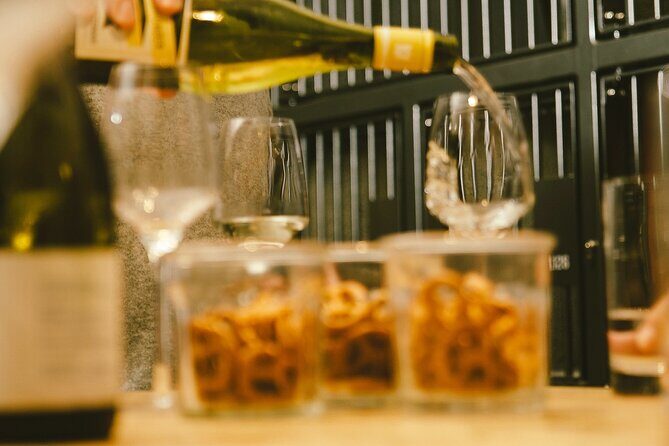
- Six total wine-and-snack pairings starting with Classic Sekt, ending with a surprise Riesling
- Mainz food trio references like Weck, Woscht & Woi and snacks such as Spundekäs
- Jérôme’s Mainz wine stories and crisp English to connect geography, history, and flavor
- The three-sips tasting tip that helps you notice more than first impressions
Where You Start in Mainz at 5:30 pm
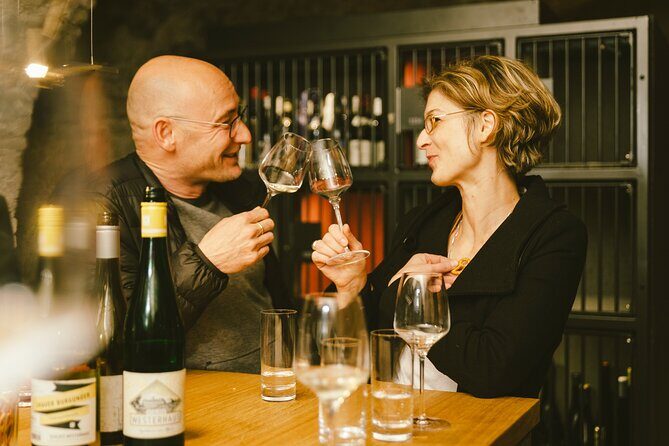
You meet at Kupferbergterrasse 23, 55116 Mainz, and the tasting starts at 5:30 pm. The venue is near public transportation, so you can keep dinner plans flexible afterward without needing a taxi right away.
This is offered in English, and you get a mobile ticket, which keeps things simple. You’re also looking at a maximum of 12 travelers, so the vibe stays personal from the first pour.
One thing to keep in mind: because this is set in a cellar, it’s not recommended for travelers with mobility issues. If stairs or uneven surfaces are a concern for you, it’s worth thinking twice before booking.
You can also read our reviews of more tours and experiences in Mainz.



Inside the Historic Cellar Experience (and Why It Works)
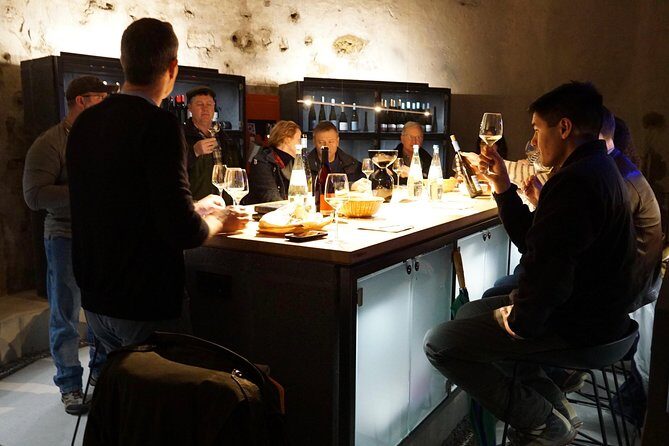
This tour is built around one idea: wine makes more sense when you taste it in context—place, people, and food. You’ll head into one of Mainz’s notable cellars, deep in the hillside area, where the setting already hints that wine here is more than a product. It’s a local craft with a long timeline.
The pace also helps. You’re not rushing from one stop to another all over town. Instead, you settle in for about two hours, sampling 5–6 wines paired with local snacks. That structure is great if you want a compact experience that still feels substantial.
The best part for many people is the conversation side. You can ask questions, and you’ll hear stories tied to the region’s wine culture and the grapes you’re tasting. If you tend to be curious in tastings, this format fits your style.
The First Pour: Classic Sekt and the Champagne Connection
You begin with Classic Sekt (sparkling wine), paired with a surprise snack. This first course is smart because it sets expectations for German bubbles right away: crisp, lively, and tightly linked to local tradition.
You’ll also learn about the historic relationship between German Sekt and French Champagne. Even if you don’t normally order sparkling wine, starting here can help your palate wake up. It also makes the rest of the flight easier to understand because sparkling wine acts like a reset between tastings.
And since the pairing is unexpected, it’s a good way to break out of autopilot. You stop thinking only about the wine and start noticing how the food shape shifts the flavor.
The Wine Flight: 5 Wines That Build the Mainz Picture
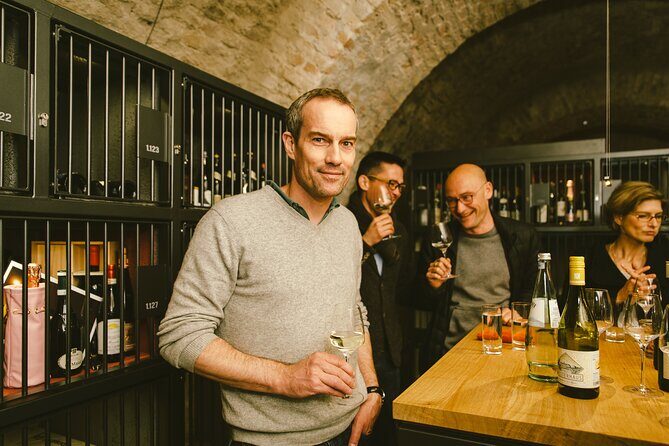
After the opening Sekt, you’ll move through a flight of local wines. The exact bottles and pairings can vary by season and availability, but the tasting always stays focused on the essentials of regional wine culture, history, and geography.
In the sample menu, you’ll get a strong spread across styles:
Dry Riesling with Sausage (Mainz’s “Weck, Woscht & Woi” Mood)
The pairing here evokes Mainz’s own food identity: Weck, Woscht & Woi. You’ll taste dry Riesling alongside sausage, using a local flavor anchor to show how acidity and bite can work with cured meats.
If you’ve ever heard that Riesling is always sweet, this course is exactly the kind of counter-message you want. Dry Riesling tends to taste cleaner and more structured, and the food pairing helps you notice that structure instead of just sweetness level.

Grauburgunder (Pinot Grigio) with Cheese
Next is Grauburgunder (Pinot Grigio) paired with cheese. The teaching angle is practical: you’ll see how a “simple” grape can change character in a food pairing.
This is a useful stop if you tend to pick wines based on label stereotypes. Cheese often pushes toward creaminess and texture, so you can experience how the wine responds rather than just tasting it alone.
Spätburgunder (Pinot Noir) with Dry-Cured Sausage
Then you’ll move into Spätburgunder (Pinot Noir) paired with dry-cured sausage. Pinot Noir in Germany can feel more delicate than the heavy, oaky version many people expect, and the cured meat pairing helps highlight savory, aromatic notes.
This part also gives you a balanced view of the region: you’re not stuck in whites the whole time. You’ll get to compare how the same “snack logic” works across grape types.
Red Blend with Spundekäs
Don’t leave Mainz without tasting a local favorite: Spundekäs, paired with a red wine blend described as having French roots. This pairing is a standout because it links local snack culture with a wine profile that doesn’t always show up on typical tourist orders.
If you like trying new combinations more than sipping in a straight line, this course gives you something memorable to talk about later at dinner.
Dessert Finish: Riesling and a Surprise Pairing
You end with a Riesling dessert option and a surprise pairing. The point isn’t to force sweet wine on you. It’s to challenge the idea that pairing is only for dry whites or that Riesling can’t work in a final course.
This last stop can be surprisingly persuasive if you’ve ever decided you don’t like sweet Riesling. Even if the pairing is the star, it teaches you how context changes perception.
Pairings That Make the Tasting Feel Like Mainz, Not Just Wine
The snacks are not random. They’re chosen to connect the wine with the local table. The sausage pairings keep showing up in the menu because they match the flavor logic of German wine culture: acidity, texture, and savory notes all matter.
The inclusion of Spundekäs is also key. It turns “Mainz wine tasting” into something you can mentally link to a real food memory, not just a list of labels. And cheese pairings help you learn what “good with food” feels like, even if you don’t cook much at home.
Here’s what I think you’ll appreciate: you get food pairing reps throughout the flight. That means you walk away with instincts, not just trivia.
Jérôme as the “Make-It-Click” Ingredient
The whole experience runs on communication, and Jérôme is the pivot point. Based on the consistent praise for his hosting style, the tastings aren’t just instructional. They’re conversational, with time for questions and explanations tied to what you’re tasting.
One small tip you’ll likely remember: the three-sips method. The idea is that the first sip is often about impact, but the third helps you catch what’s still developing—flavor, texture, balance. If you’ve ever felt like wine tastings move too fast, this kind of pacing advice helps you slow down mentally.
You’ll also pick up practical shopping guidance. People mention learning how to read what labels indicate, how to spot reputable producers, and how price ranges fit into quality expectations. That’s the stuff that turns a tour into a tool you can use later.
And yes, the English is described as impeccable, which matters because wine jargon can wreck a good tasting if translation is fuzzy. Here, you get the stories clearly enough to actually connect them.
Timing and How to Fit It into Your Evening
This starts at 5:30 pm and runs about 2 hours. That timing is ideal for an early evening plan: you’ll leave the cellar ready to eat dinner somewhere nearby without feeling like you need a big lunch first.
Because water is included and the tasting is paced, you can keep things comfortable. Still, treat this as a tasting with alcohol involved. Plan your next step accordingly, especially if you’re continuing around Mainz on foot.
Also, because you’re underground, dress for comfort. Even in mild seasons, cellars can be cooler than you expect—one consistent note is to bring a jacket.
Price and Value: What $102.12 Really Buys
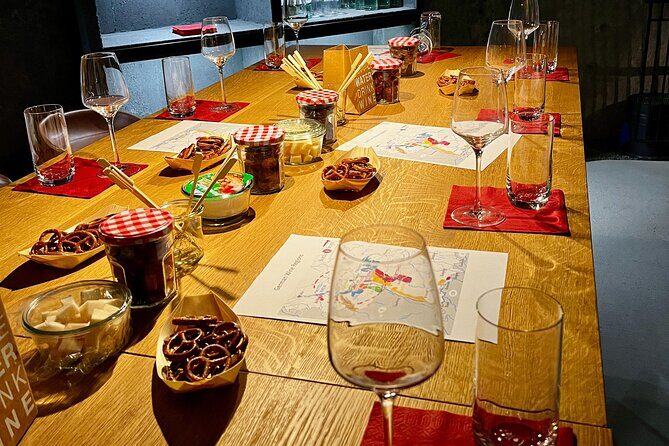
At $102.12 per person, this isn’t a budget-only stop. But the value stacks up quickly if you look at what’s included:
- 5–6 wines (not one token pour) matched to local snacks
- Water included
- A small group max of 12, which typically means more attention and better pacing
- A guide who connects wine to Mainz’s place-based culture, not just tasting notes
For many people, the best value comes from the combination: you’re not paying just for wine, and you’re not paying just for a story. You’re paying for wine + story + food, under one roof, for two hours, with a guide who keeps it interactive.
If you’re the type who usually buys one bottle at a time and wishes you understood why it tastes the way it does, this price can feel like a shortcut.
Who This Tasting Suits Best (and Who Might Skip It)
This works especially well if you:
- Want an easy evening plan in Mainz Old Town that feels local
- Like asking questions and learning as you taste
- Want a structured introduction to German wines without feeling overwhelmed
It’s also a smart choice if you normally avoid certain styles. The menu intentionally touches dry Riesling, plus German Pinot varieties, plus a red blend paired with local snack culture. That variety helps you find what clicks for you rather than betting everything on one grape.
If you have mobility concerns, you should be cautious. The cellar setting is central to the experience, and it’s not recommended for travelers with mobility issues.
Final Call: Should You Book This in Mainz?
I’d book it if you want a high-satisfaction tasting that mixes Mainz food habits with a focused set of wines in a real cellar. The format is built for people who want to learn without feeling like they’re being lectured, and Jérôme seems to deliver that balance.
Skip it only if you strongly dislike underground spaces, you’re worried about temperature (bring a jacket), or you prefer tastings that are more self-guided and less discussion-based. Otherwise, this is one of the easiest “do this first” activities you can plan for an evening in Mainz.
FAQ
How long is the Mainz old town wine and food tasting?
It lasts about 2 hours.
What is the tasting price per person?
The price is $102.12 per person.
How many wines and snacks are included?
You’ll taste 5–6 wines matched to local snacks, and water is included.
Where is the meeting point and when does it start?
You meet at Kupferbergterrasse 23, 55116 Mainz, Germany, starting at 5:30 pm. The activity ends back at the meeting point.
Is the tour offered in English?
Yes, it’s offered in English.
What if I cancel last minute?
Free cancellation is available up to 24 hours in advance for a full refund.