REVIEW · COLOGNE
Cologne: Old Town Historical Walking Tour with GEO Epoche
Book on GetYourGuide →Operated by Eat the World GmbH · Bookable on GetYourGuide
Old Cologne tells stories best on foot.
I love the way this tour uses old photos to compare today’s facades with how the city looked before. You also get a tight set of stops, including the cathedral and classic Old Town squares, so the history doesn’t feel like a lecture that floats above street level.
The main drawback is simple: this is a German-only live tour, and the pace means you may not get time for every question. Also, some older sites can be exterior-focused rather than full “go inside” moments, depending on what’s possible that day.
If you’re ready for a rain-or-shine walk with comfortable shoes, this is a very solid way to get a new perspective on Cologne’s center in just two hours.
In This Review
- Key highlights and what they mean for you
- Old Town Cologne, explained street by street
- Finding the meeting point at Heumarkt 47 without stress
- Fischmarkt: market history you can almost smell
- Schmitzsäule: a monument with a personality
- St. Kolumba: where layers show up in real time
- Glockengasse: small street, big sense of place
- Cologne Cathedral: the headline sight, handled without overkill
- What makes the storytelling different here
- Price and value: $29 for 2 hours of guided focus
- Weather, pacing, and comfort: the real “logistics” that matter
- Who should book this Cologne Old Town walk?
- Final verdict: should you book?
- FAQ
- How long is the Cologne Old Town Historical Walking Tour?
- What does the tour cost?
- Where do I meet the guide?
- What stops are included on the walk?
- Is the tour offered in English?
- Does the tour run in bad weather?
- What should I bring?
- Are pets allowed?
Key highlights and what they mean for you
- Old-photo comparisons: You’ll see buildings as they were, not just as they are now.
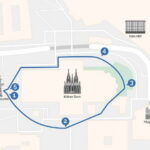
- Landmarks you can picture later: Fischmarkt, Schmitzsäule, St. Kolumba, Glockengasse, and the cathedral anchor the walk.
- Guide-led storytelling: Expect well-structured historical anecdotes tied to what you’re standing next to.
- A brochure that helps: Illustrated material from the past gives you something to reference afterward.
- Rain or shine walking time: It’s not a sit-down history lesson; plan for real foot time.
- Bring a follow-up mindset: If you ask questions, be ready to catch the guide at the right moment.
Old Town Cologne, explained street by street
Cologne’s Old Town can feel like a “pretty postcard” until someone connects the buildings to the people and events behind them. That’s what makes this walking tour work: you don’t just pass sights. You learn why those sights exist where they do, and how the city changed over centuries.
I like that the tour is built around short, focused segments. Each stop is a chance to reframe what you’re looking at. One square becomes more than a square. One monument becomes a clue to local identity. And because you move at walking speed, the city turns into a story you can actually follow.
Best of all, the history isn’t delivered as a foggy timeline. It’s tied to visible details—especially when the guide compares what you see today to images from the past.
You can also read our reviews of more walking tours in Cologne

Finding the meeting point at Heumarkt 47 without stress
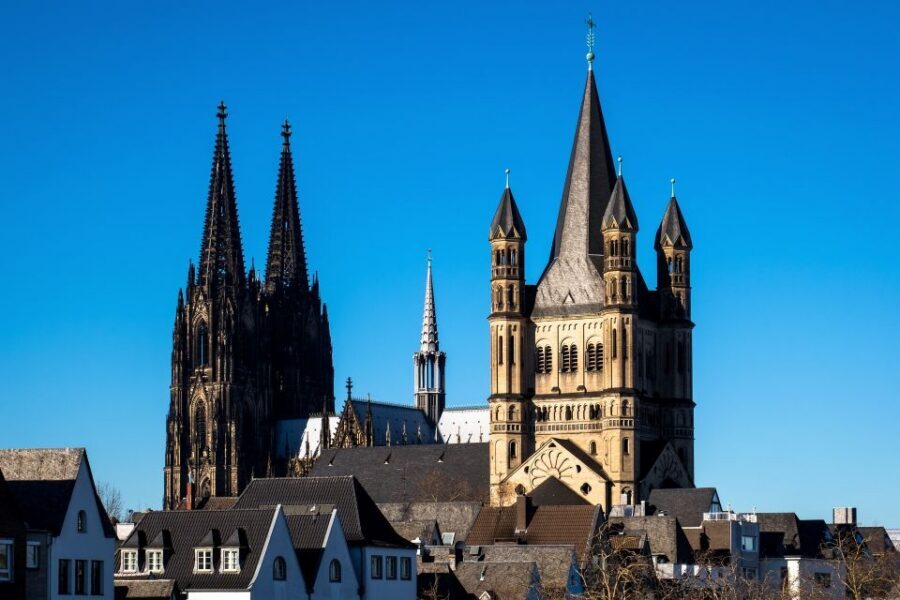
You meet at Heumarkt 47, on the corner of Gürzenichstraße, right in front of the Restaurant Heumarkt. This matters because walking tours can look similar from a distance, and the easiest way to avoid a messy start is to arrive a bit early and orient yourself to the corner and the restaurant.
Practical tip: take 30 seconds to check you’re at the right side of the street corner before the group begins to form. If you’re arriving from another tour near the same area, don’t assume they all start at the exact same spot. This one has a specific corner location, so treat it like a meeting, not like a general meeting area.
Fischmarkt: market history you can almost smell
Your walk starts steering toward the kinds of places where city life happened: trade, daily goods, and the public rhythm of the market district. The Fischmarkt stop is a good example of why this tour feels practical.
Markets are where a city’s history becomes human-scale. Even if you don’t know much about Cologne yet, you can usually tell where commerce concentrated. The guide ties that feeling to the past—how these spaces worked, what they meant for residents, and how the city’s center developed around those routines.
A nice bonus here is the tour format itself. You’ll often hear stories and facts while looking directly at the streets and facades you’re learning about, which makes the information stick.
Schmitzsäule: a monument with a personality

Next up is the Schmitzsäule, one of those landmarks people notice but rarely stop to understand. A column like this usually has more going on than a quick glance suggests—public symbolism, local memory, and the kind of civic storytelling that makes Old Town feel lived-in instead of staged.
On this tour, you get the “why” behind what you’re seeing. The guide uses historical context and the surrounding environment (the nearby streets and buildings) to explain how a monument can function like a chapter title for the city.
If you like learning small, specific things—dates, references, and local meaning—this stop is exactly that style: a clear moment to connect a single object to broader Cologne history.
St. Kolumba: where layers show up in real time
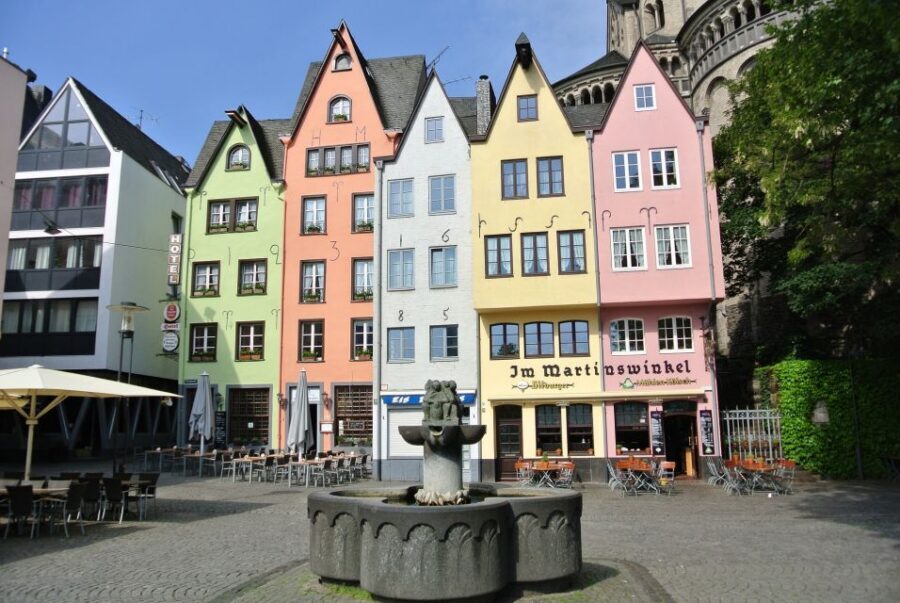
St. Kolumba is a smart stop on a walking tour because it sits in the kind of city-center setting where layers of time are hard to ignore. Even when you’re just looking at a building, you can feel that Cologne has been rebuilt, repurposed, and re-imagined over and over.
This stop adds perspective. It helps you notice how Cologne doesn’t erase its past; it rearranges it. The tour encourages that kind of observation by pairing what you see with comparisons to how the area looked earlier, plus stories about the people connected to the sites.
Drawback to keep in mind: some older sites on city tours are only viewed from the outside. If your goal is inside access, ask your guide at the start what parts are exterior-only that day. That way you don’t end up disappointed if entry isn’t part of the route.
You can also read our reviews of more historical tours in Cologne
Glockengasse: small street, big sense of place
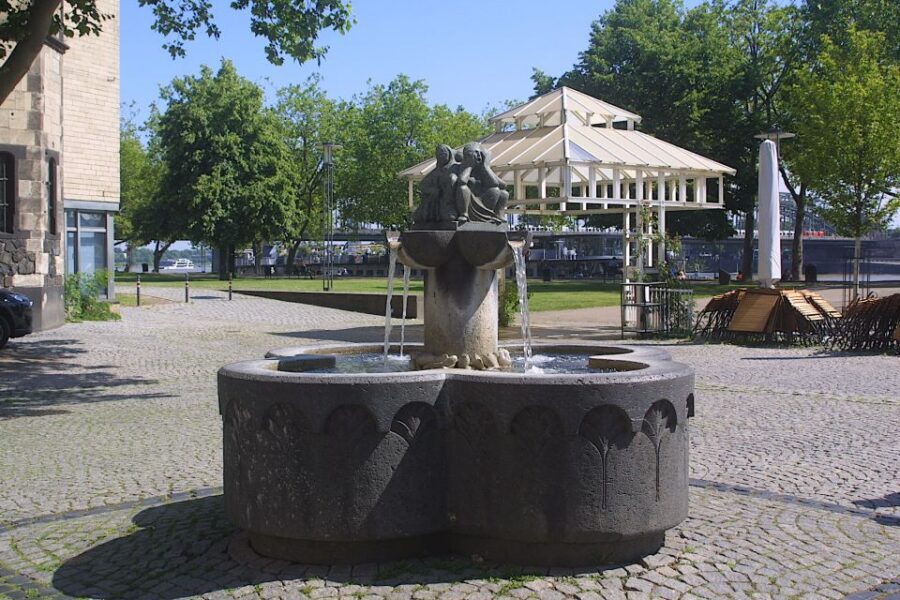
Glockengasse (Bell Lane) is the kind of street that sounds like a detail until you’re standing there. On a tour like this, a street stop is useful because it teaches you how to read a city.
Instead of treating the tour as a checklist of famous names, the guide helps you understand how streets connect landmarks, guide foot traffic, and shape neighborhood identity. You’ll also pick up anecdotal history, which is often where “Cologne the city” starts to feel real.
What I like here is the pacing. After market and monument stops, a street gives you a breather while still moving the story forward.
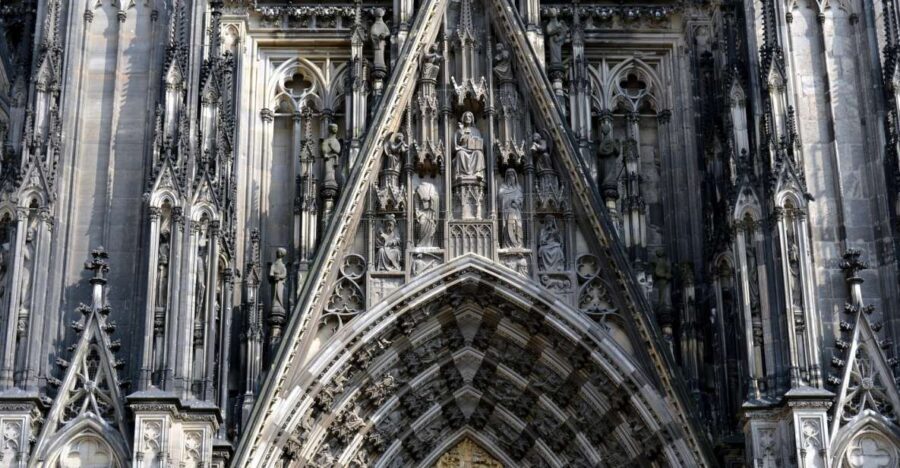
Cologne Cathedral: the headline sight, handled without overkill

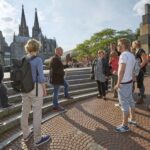
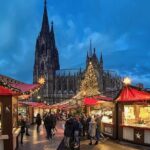
The tour’s final major landmark is the cathedral. This is the big name, so it can go two ways on tours: either you get rushed past it, or you get a slow speech that ignores what you’re seeing. This route tends to keep it grounded.
You’ll walk through the area and learn what to notice. Expect historical context tied to the cathedral’s role in Cologne’s identity, plus observations that help you look at the structure with more meaning than “it’s tall and impressive.”
One practical consideration: some people end up thinking the tour will include more time right inside the cathedral. Your ticket is for a guided walk with stops, not stated admission. If you want interior time, plan that as a separate add-on so you’re not gambling on whether the schedule allows it.
What makes the storytelling different here
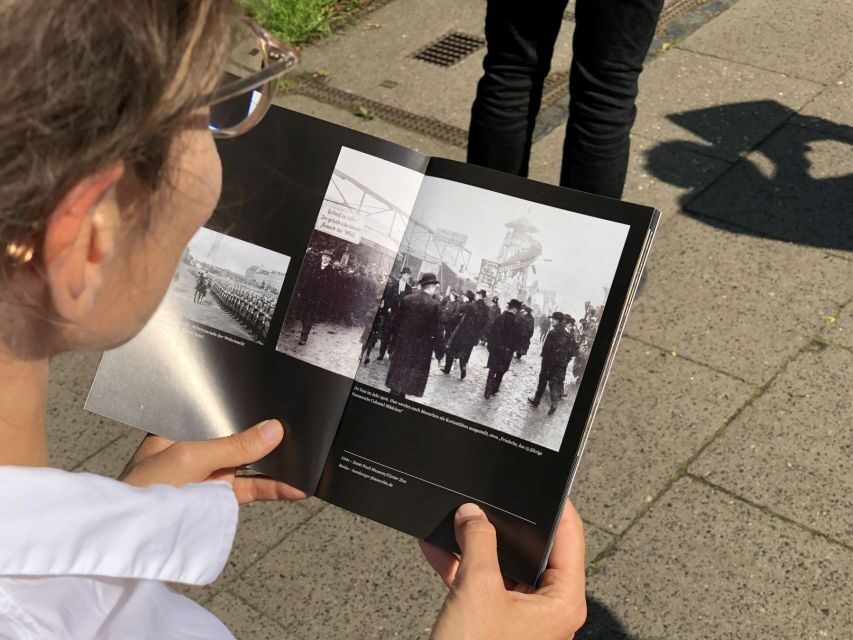
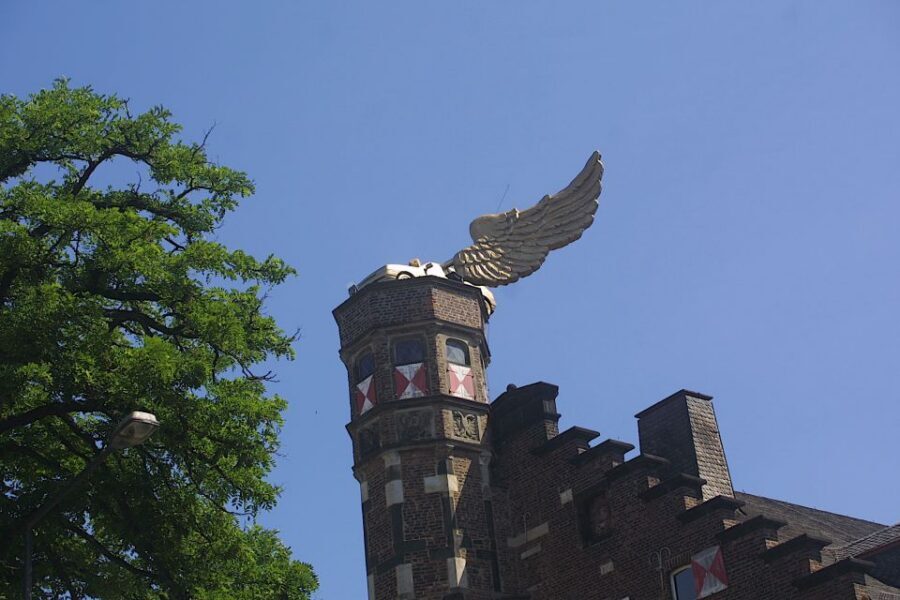
A lot of Old Town tours do a quick “this happened here” style. This one leans into something more visual: comparing facades with pictures from the past, and then explaining what changed and why.
That approach matters because it trains your eye. After seeing the comparison once, you start noticing details you’d otherwise ignore:
- architectural shifts
- how buildings sit in relation to older city patterns
- the way public spaces evolved around trade and community life
The tour also includes a brochure with illustrative pictures from the past. That’s not just a souvenir. It gives you a way to keep the story straight after the walk, especially if you’re taking photos and trying to remember which stop was which.
Price and value: $29 for 2 hours of guided focus
At $29 per person for 2 hours, this tour sits in a “good-value” zone if your goal is orientation plus stories. You’re paying for:
- a live guide who can connect multiple landmarks into one narrative
- a walk that hits several recognizable Old Town points in a short time
- picture-based context that helps you retain what you see
If you’re already familiar with Cologne basics, you’ll still likely appreciate the photo comparisons and the way the guide ties each stop to the city’s changes over time. If you’re new to Cologne, two hours is long enough to feel oriented without eating your entire afternoon.
It’s not the best choice if your main priority is museum-level depth or guaranteed interior access. But for a focused, street-level understanding of the city center, the price-to-time ratio is sensible.
Weather, pacing, and comfort: the real “logistics” that matter
This tour runs rain or shine, and it involves leisure walking. The route is short enough to stay enjoyable, but you still need comfortable shoes and weather-appropriate clothing.
Bring a reusable water bottle. Two hours can feel longer in cool rain or warm sun, and you’ll be happier if you’re not waiting until you find a shop.
It’s also not suitable for people with mobility impairments, since the walk is part of the experience. If you’re traveling with someone who uses mobility aids, this is one to reconsider in favor of a different format.
Pets aren’t allowed, so factor that into who’s traveling with you.
Who should book this Cologne Old Town walk?
This is a great fit if you want:
- a German-led guide and you’re comfortable following the tour language
- an efficient way to learn multiple Old Town landmarks in one go
- photo-and-facade comparisons that help you see changes over centuries
- a guided story that stays tied to what you’re standing in front of
It’s less ideal if:
- you need a tour in English (the tour is in German)
- you want guaranteed time inside major sites, rather than stop-and-look moments
- you’re not up for a rain-or-shine walking schedule
Final verdict: should you book?
I’d book this if you’re the type of traveler who enjoys learning while walking, and you like history that points to visible details. At $29 for two hours, it’s a practical way to upgrade your first-day experience in Cologne, especially thanks to the old-photo comparisons and the cluster of recognizable landmarks like Fischmarkt, St. Kolumba, and the cathedral.
Skip it if language is a barrier or if you’re expecting mostly indoor access. If those points don’t apply, this tour is a strong, no-drama way to see Cologne with better context.
FAQ
How long is the Cologne Old Town Historical Walking Tour?
It lasts about 2 hours.
What does the tour cost?
The price is $29 per person.
Where do I meet the guide?
Meet at Heumarkt 47, on the corner of Gürzenichstraße, in front of the Restaurant Heumarkt.
What stops are included on the walk?
You’ll visit places such as Fischmarkt, Schmitzsäule, St. Kolumba, Glockengasse, and the cathedral.
Is the tour offered in English?
No. The tour is in German.
Does the tour run in bad weather?
Yes. The tour takes place rain or shine.
What should I bring?
Wear comfortable shoes and weather-appropriate clothing. Bring a reusable water bottle.
Are pets allowed?
No, pets are not allowed.