REVIEW · FRANKFURT
Central and Eastern Europe Highlights 7-Day Tour from Frankfurt
Book on Viator →Operated by goEUgo International Limited · Bookable on Viator
Coach tours can be fast. This one is fast in the best way. You’ll stack major Central Europe sights in a week, then finish in Switzerland with mountain views and lake time. The key is that the planning runs in the background, so you spend your energy on cathedrals, palaces, and viewpoints.
Two things I like a lot: the itinerary hits big-picture highlights (Prague Castle to Titlis) without feeling random, and the group setup keeps moving on schedule with air-con coaches and a tour manager onboard. One thing to consider: it’s a high-walk, tight-time format, and delays can ripple if people aren’t back on time.
In This Review
- Key Highlights
- From Frankfurt to Prague: a long coach day that’s worth it
- Prague Castle, St. Vitus, and Golden Lane: royal Bohemia in concentrated form
- Charles Bridge to Bratislava: the day-two pacing shift
- Danube cruise and Buda’s viewpoints: Budapest in two halves
- Vienna’s palaces and the St. Stephen’s finish: big-city music energy
- Mondsee to Munich: Sound of Music history and Marienplatz breaks
- Titlis, Lucerne, and the Lion Monument: Switzerland without the confusion
- Lake Zurich, Rhine Falls, Lake Titisee, and the Black Forest return
- Price and value: what $1,035.42 buys you (and where to budget extra)
- Hotels and comfort: mostly solid, but don’t assume every night is identical
- Tour management and group reality: the difference between smooth and stressful
- Should you book Central and Eastern Europe Highlights from Frankfurt?
- FAQ
- How long is the tour?
- What is the price per person?
- Where does the tour start and when?
- Are hotel rooms and breakfast included?
- Are lunch and dinner included?
- Are attraction tickets included?
- What are the luggage limits?
- How many people are in the group?
Key Highlights
- Six countries in seven days with overnight stops that reduce backtracking
- Prague Castle + Golden Lane + St. Vitus for a concentrated dose of royal Bohemia
- Danube River cruise paired with Fisherman’s Bastion and Matthias Church views
- Schönbrunn Palace and St. Stephen’s Cathedral in Vienna, plus time to explore
- Titlis summit options (including the Titlis Rotair and suspension bridge ideas)
- Black Forest and Lake Titisee to close the loop back in Germany
From Frankfurt to Prague: a long coach day that’s worth it
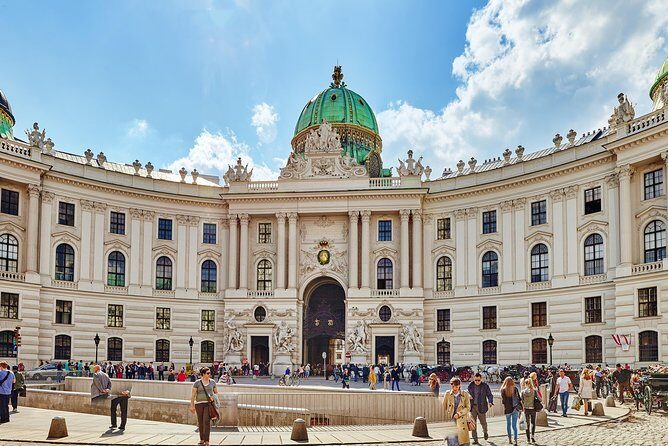
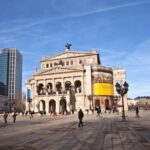
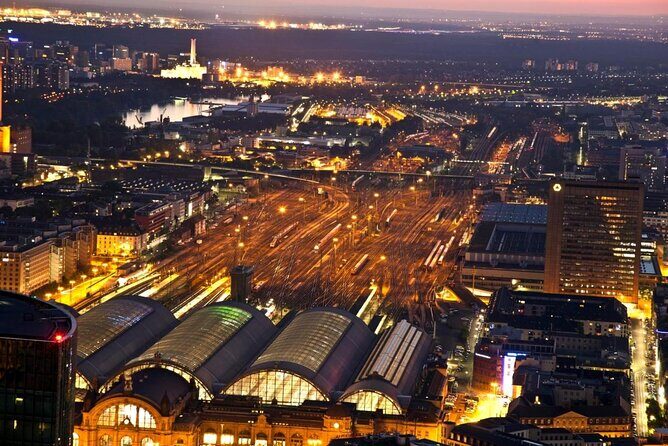
Your tour starts at Frankfurt (Main) Central Station (8:30 am). Then you board the coach and settle in for a full day ride through classic German scenery before arriving in Prague in the evening. This is one of those travel days that feels like work, but it’s also how the schedule stays sane. You’re not burning precious sightseeing hours on transit between stops.
What helps here is that the coach day comes with structure: you’re with the group, the route is handled, and you’re not navigating unfamiliar highways. Plus, arriving in the evening means you can still get a taste of Prague after check-in—then you wake up ready for the big sights.
The first night is in Prague (morning 2 is your main event). If you’re the type who likes sleep, pack a neck pillow and keep your day bag light. Coach tours punish heavy luggage fast.
A few more Frankfurt tours and experiences worth a look
Prague Castle, St. Vitus, and Golden Lane: royal Bohemia in concentrated form
Day two is built around Prague’s most photogenic religious and royal complex area. You start with Prague Castle, walking the Royal Route that follows the old coronation path. Even if you’re not chasing every chamber, the timing works because you get the classic Castle Hill viewpoints early, then move into the castle complex.
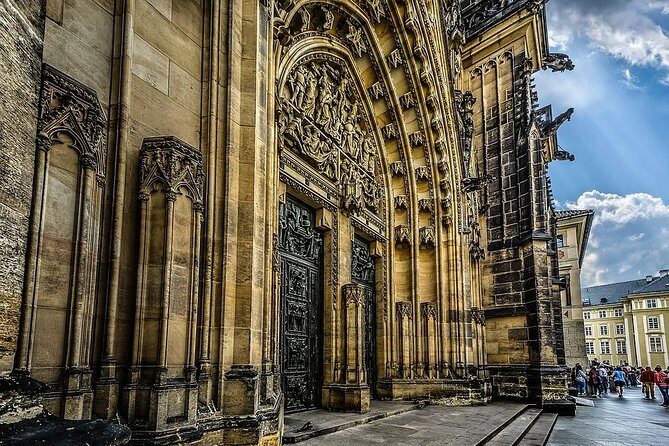
Next are the Gothic anchor stops: St. Vitus Cathedral, plus the Old Royal Palace area, St. George’s Basilica, and the legendary Golden Lane. Golden Lane is especially fun because it’s lined with traditional buildings—perfect for wandering at human scale after bigger monumental spaces.
After lunch time in the city, the tour transfers you to Bratislava, where you sleep for the night. This is a smart sequencing choice: Prague is your “wow” day, then Bratislava sets a quieter pace the next time you’ll actually explore.
Small drawback: several parts of this day involve stairs, uneven surfaces, and lots of moving between sites. You’ll want comfortable shoes even if you usually travel in sneakers only for cities.
Charles Bridge to Bratislava: the day-two pacing shift
Even though the headline sights are on the Castle Hill side, the itinerary still includes a classic Prague Old Town walk: a stroll past Charles Bridge and through the alleys toward Old Town Square, with the Astronomical Clock on the route. Then you loop into your lunch and transition plan.
By the time you head to Bratislava, you’ve already done the heavy sightseeing lift in Prague. Bratislava becomes the reset point—less pressure, easier to absorb the day.
One practical note: the itinerary lists multiple stop times around the Castle and Golden Lane area. That means you should expect some regrouping and waiting at meeting points. In real life, the difference between a smooth day and a stressful one is whether people show up on time.
Danube cruise and Buda’s viewpoints: Budapest in two halves
Day three is where the tour earns its keep. You start with the Danube River experience—then you pair it with Budapest’s standout names: Budapest History Museum (Castle Museum), Fisherman’s Bastion, Matthias Church, and views from Gellért Hill. This is a great mix because the cruise gives you the “shape” of the city, and the historic sites let you read that shape on land.
Budapest is really two places—Buda and Pest, separated by the river but living as one capital. This itinerary leans into that idea: Buda-side highlights include the terrace at Fisherman’s Bastion and the medieval feel around Matthias Church. Then you get that “wow” overlook feeling again at Gellért Hill.
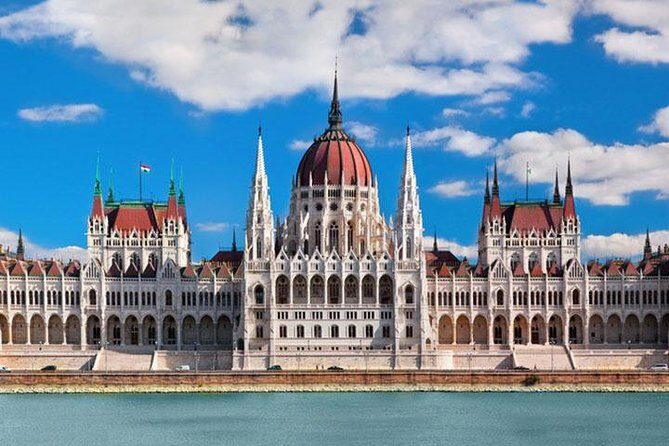
Over on the Pest side you hit Heroes’ Square and the grand Hungarian Parliament Building from the riverside area. If you like architecture, this is your photo day.
You also have an optional evening add-on. The tour can include an extra traditional dinner in Budapest with Hungarian folkdance and music. That sort of evening is where the tour shifts from sightseeing to culture, and it can be an easy way to avoid hunting for something authentic after a busy day.
Vienna’s palaces and the St. Stephen’s finish: big-city music energy
Vienna day starts with Schönbrunn Palace, the Rococo summer residence tied to the Habsburg dynasty. It’s a huge name for a reason: even if you don’t want to spend hours inside every room, the grounds and structure are enough to set the scene. From there you move through central Vienna toward Hofburg Palace and major landmarks with the driving tour past places like City Hall and the Austrian Parliament building area.
After lunch you go to Wiener Staatsoper (Vienna State Opera house). You’re not staying there all day, but you’re getting the landmark moment. That’s useful if you want a taste of Vienna’s classical identity without turning this day into a museum marathon.
The finish is St. Stephen’s Cathedral and time to wander around Stadtpark, including the Johann Strauss II statue. The itinerary also recommends an optional Viennese waltz concert. If you’re going to spend extra money on one evening experience, this is one of the best types of add-ons because it matches the city’s core vibe.
If you’re sensitive to pace: Vienna can feel like a quick checklist day. The upside is you’ll leave with a mental map of the center—so even if you want to come back someday, you’ll know where everything is.
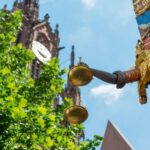

Mondsee to Munich: Sound of Music history and Marienplatz breaks
Day five is a travel day with two personality shifts. First you stop in Mondsee at the Basilika St. Michael, known for the wedding location used in The Sound of Music. The cloister church connection makes this more than a random stop—it ties a famous scene to a real place you can actually stand in.
Then you roll onward to Munich. The itinerary includes Marienplatz and the New Town Hall. This is a good choice because it places you right in the city’s center—easy to self-explore afterward.
You’ll also get downtime options. The tour guide can suggest a simple plan like finding a German beer garden, which is a nice break when you’ve been in churches and palaces for days.
Practical tip: Munich in particular is a place where you might want cash for small purchases and snacks, especially if you arrive hungry after travel. Lunch isn’t included, so having a plan for meals is part of making this day enjoyable.
Titlis, Lucerne, and the Lion Monument: Switzerland without the confusion
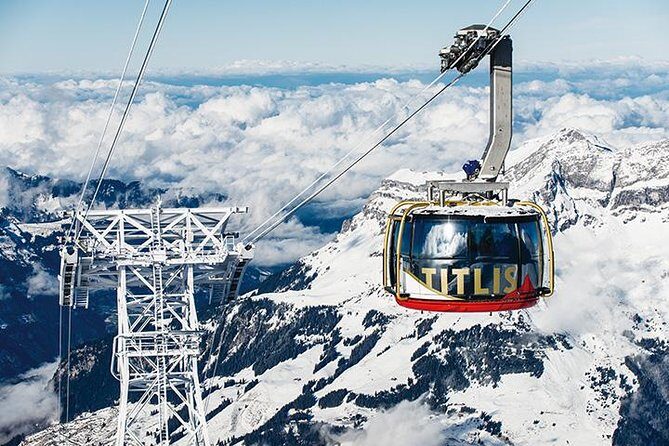
Day six is the day you trade city architecture for mountain scale. You head to the Swiss Alps area and start in Engelberg, then move toward Mount Titlis. The itinerary lays out the option structure clearly: you can take cable cars in stages up to the summit, including the Titlis Rotair (the revolving gondola). From up top you can pause at the sun terrace for panoramas.
The plan also includes a fun technical highlight: a 150-metre ice cavern inside a glacier core. If you love weird, man-made access to natural features, this is exactly that kind of stop. There’s also the option of walking across Europe’s highest suspension bridge for views.
Then you move to Lucerne, where the tour focuses on the center feel. You’ll see the Lion Monument, famous enough to have been cited by Mark Twain. Lucerne is all about walking through the compact old town zone, so you’ll have room to browse for Swiss watches and chocolates and just enjoy the slower rhythm.
The itinerary adds a “maybe” photo stop if conditions allow: Liechtenstein could appear in the mix depending on weather and traffic. That’s the honest kind of optionality. Mountain routes can change quickly.
Lake Zurich, Rhine Falls, Lake Titisee, and the Black Forest return
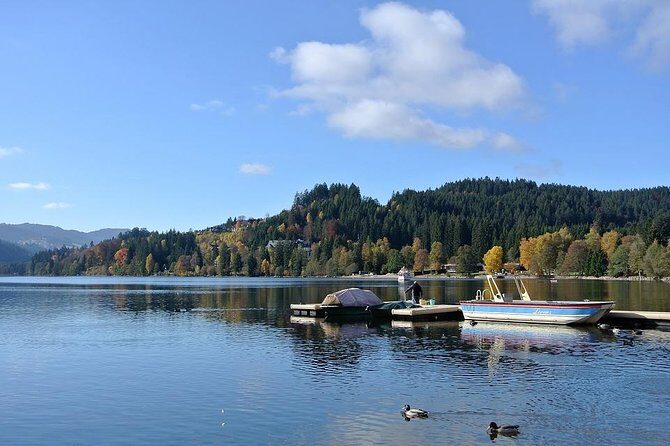
Day seven is a closer. You start with a chance for a picture stop at Lake Zurich, then move to Rhine Falls, described as Europe’s biggest waterfall. Even if you’ve seen other waterfalls before, Rhine Falls is wide enough that it can reset your sense of scale.
Then the tour goes back into Germany via the Black Forest, with time at Lake Titisee. This is a very classic “tour end” pairing because it gives you a calm setting after days of churches and palaces. You can stop at lakeside cafés for Black Forest cherry cake, and there’s also a cuckoo clock shopping vibe. The itinerary even mentions a demonstration of how the mechanisms work, which is a nice change from just buying souvenirs.
Finally, you return to Frankfurt for drop-off back at the meeting point.
This is also the day you should keep your expectations realistic. It’s not a long stay anywhere on the last day—it’s a sampler. If you want more time in Switzerland or the Black Forest, plan a separate extension after the tour.
Price and value: what $1,035.42 buys you (and where to budget extra)
The tour price is $1,035.42 per person, and it includes some of the hardest parts of travel: hotel nights (3-star minimum), daily coach transport, a tour manager, and breakfast (6 times). That value equation matters, because the big costs in this kind of itinerary are usually hotels and transport. If you tried to arrange this yourself, you’d likely spend a lot of time and energy just booking the moving pieces.
But you should budget for what’s not included. Lunch and dinner are not included, and the stops list tickets as not included for the attractions. On top of that, there’s a gratuity: €10 per person per day, collected in cash during the tour.
My practical advice for budgeting is simple:
- Carry some cash for small purchases and daily gratuities.
- Plan to pay separately for main attraction entries if you choose to go inside.
- Keep extra money for meals, drinks, and optional experiences.
Also remember the tour involves a lot of walking. That tends to make you want coffee, snacks, and bathrooms along the way. A review mentioned public bathroom costs, and that’s a good reminder: bring coins and don’t assume everything is free.
Hotels and comfort: mostly solid, but don’t assume every night is identical
Accommodation is listed as comfortable 3-star (min.) hotels with private facilities and rooms set up for twin/double/single. The tour also notes that hotel details are provided 24–48 hours before check-in, so you won’t know the exact property far ahead.
Here’s the balanced truth: many people describe good hotels and comfortable rooms. I also see some complaints about room size and even a lack of elevator in one case, plus concerns about one hotel location and limited air-conditioning in another. That doesn’t mean the whole tour falls apart—but it does mean you should travel ready for the reality of European hotel variation.
If comfort is your priority, pack light and prepare for older building layouts, especially in older cities.
Tour management and group reality: the difference between smooth and stressful
What makes this tour work is the hands-on leadership. Several guides named in feedback—like Daniel, Andy Lo, Lex, Miriam, Mano, Jack, Geno, Gino, Eric, Didier Florian, Krisztian, and Choung Ho—show up repeatedly in positive comments for organization, on-time pacing, and clear explanations.
Still, you’re in a group with up to 30 travelers. That means the schedule depends on people being ready at the meeting points. One negative experience highlighted that late group members caused nearly an hour of lost time on multiple days. So here’s the best rule for you: be early, not just on time.
If you hate rushing, this might not be your ideal vacation style. But if you want a guided route that covers a lot without planning headaches, this kind of structure can feel like freedom.
Should you book Central and Eastern Europe Highlights from Frankfurt?
I’d book it if you want a guided highlights tour where most logistics are handled: coach transport, hotel stays, a tour manager, and a lineup of major sites across Germany, Czech Republic, Slovakia, Hungary, Austria, and Switzerland.
I wouldn’t book it if you want a slow, laid-back vacation with long independent exploration days. This itinerary is built for maximum seeing in minimum time, and you’ll do plenty of walking. It’s also not a “all meals included” deal, so factor in food and optional ticket costs.
If you’re the kind of traveler who enjoys stacking iconic places and learning the story behind them in one week, this is a strong value play. Just go prepared: shoes on, cash handy, and always come back to the bus on time—then the route can feel like a smooth, memorable loop through some of Europe’s most famous highlights.
FAQ
How long is the tour?
The tour is 7 days (approx.), starting and ending back at the Frankfurt meeting point.
What is the price per person?
The listed price is $1,035.42 per person.
Where does the tour start and when?
It starts at Frankfurt (Main) Central Station (Am Hauptbahnhof), 60329 Frankfurt am Main, with a start time of 8:30 am.
Are hotel rooms and breakfast included?
Yes. You get accommodation in comfortable 3-star (min.) hotels for included nights, and breakfast is included for 6 days. Accommodation before the start and on the last day is not included.
Are lunch and dinner included?
No. Lunch and dinner are not included.
Are attraction tickets included?
No. The itinerary lists admissions as not included for the attraction stops.
What are the luggage limits?
You’re allowed one luggage up to 30kg and one small hand carry on (like a purse, backpack, or camera bag).
How many people are in the group?
The tour has a maximum group size of 30 travelers.