REVIEW · FRANKFURT
Frankfurt: Museum of Communication Exhibitions
Book on GetYourGuide →Operated by Museum für Kommunikation Frankfurt · Bookable on GetYourGuide
A day here turns everyday tech into a story. The Museum of Communication in Frankfurt lets you compare past, present, and future ways of communicating through interactive displays. I love how the permanent show traces the whole arc from a cuneiform tablet to data glasses, and I like that you’ll see real, physical artifacts from telegraphs to today’s media.
One thing to plan around: it can get loud, especially with lots of children in shared spaces before you settle into exhibits.
In This Review
- Key highlights worth aiming for
- Frankfurt’s Museum of Communication turns media history into something you can feel
- The permanent exhibition: Mediengeschichte|n neu erzählt! across 2,500 square meters
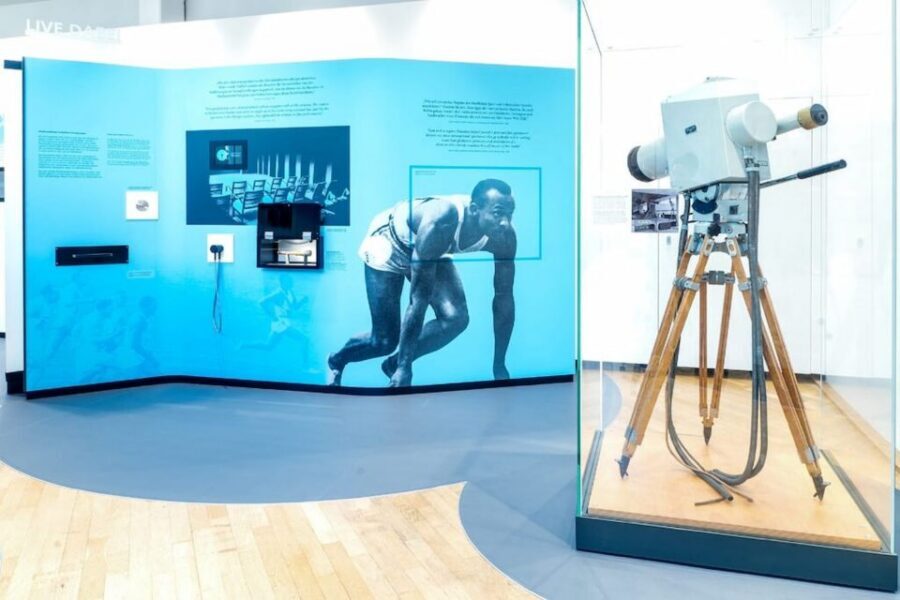
- Old telegraphs, phones, fax machines, radios, and TV sets you can actually picture
- KLIMA_X: a temporary exhibit that asks what you do with information
- Timing your visit: noise levels and when to enjoy the Main River café terrace
- What you should plan for in a full day (without feeling rushed)
- Price and value: a $10 ticket for a full media history experience
- Who this museum is best for (and who should adjust expectations)
- The practical takeaway: how to get the best day
- Should you book the Museum of Communication Frankfurt?
- FAQ
- Where is the Museum of Communication Frankfurt?
- How much does entry cost?
- How long should I plan for?
- What are the main exhibits to focus on?
- What communication technologies will I see?
- Is there food available on site?
- Does the ticket help me avoid waiting?
- Is the museum wheelchair accessible?
- When is the museum open on public holidays?
Key highlights worth aiming for
- Mediengeschichte|n neu erzählt! spans communication history across 2,500 square meters
- Interactive displays make media history feel more like using tools than reading labels
- Old telecom tech: telegraphs, phones, fax machines, radios, and TV sets
- KLIMA_X temporary exhibit pushes you to think about concrete actions for the climate
- Main River terrace café gives you a breather with views of the water
Frankfurt’s Museum of Communication turns media history into something you can feel
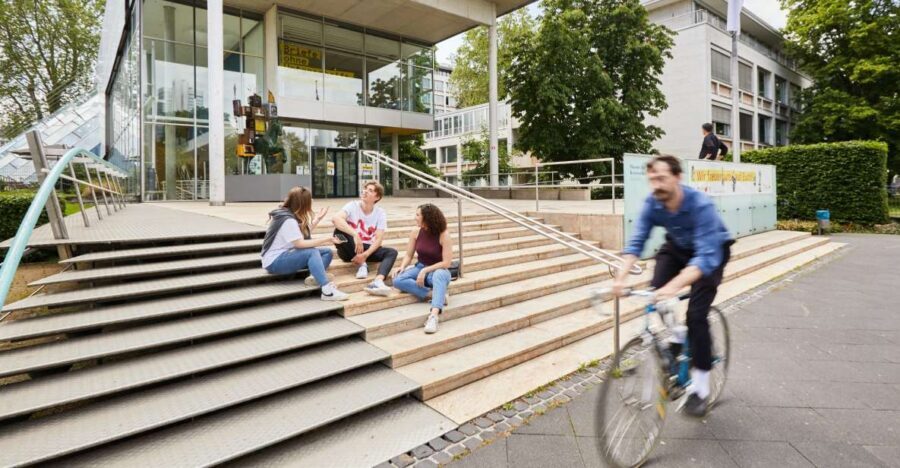
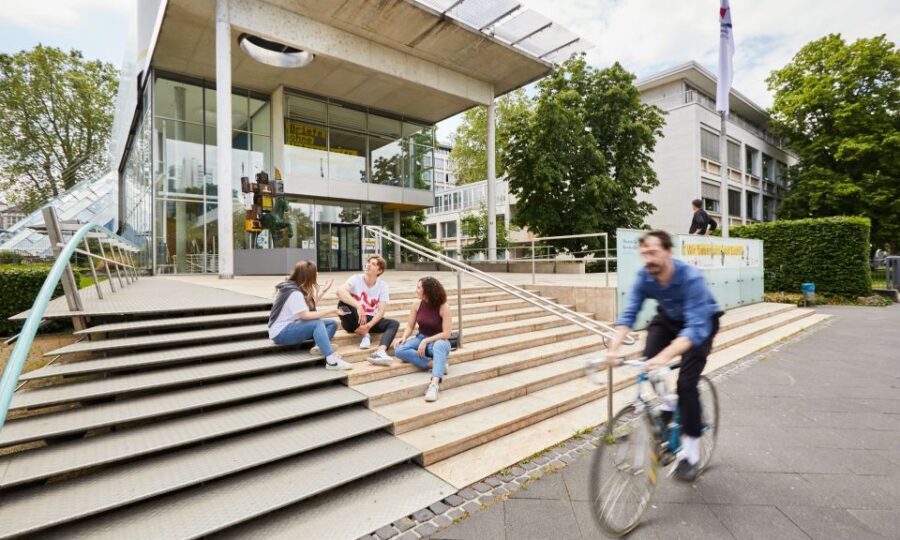
If you’ve ever wondered how communication shapes power, habits, and even climate choices, this museum gives you a clean path to that thinking. It’s housed in the award-winning museum building on Schaumainkai, right by the Main, so the setting already matches the subject: a place built for links, movement, and exchange.
I like that the museum doesn’t present communication as a straight line of inventions. It frames media history through four big themes—acceleration, networks, control, and participation—which helps you see why every new device changes more than just speed. You get context fast, and you can still wander at your own pace.
The museum’s size matters too. The permanent exhibition covers 2,500 square meters, so it’s enough room to spread out and actually compare time periods without feeling like you’re sprinting.
You can also read our reviews of more museum experiences in Frankfurt


The permanent exhibition: Mediengeschichte|n neu erzählt! across 2,500 square meters
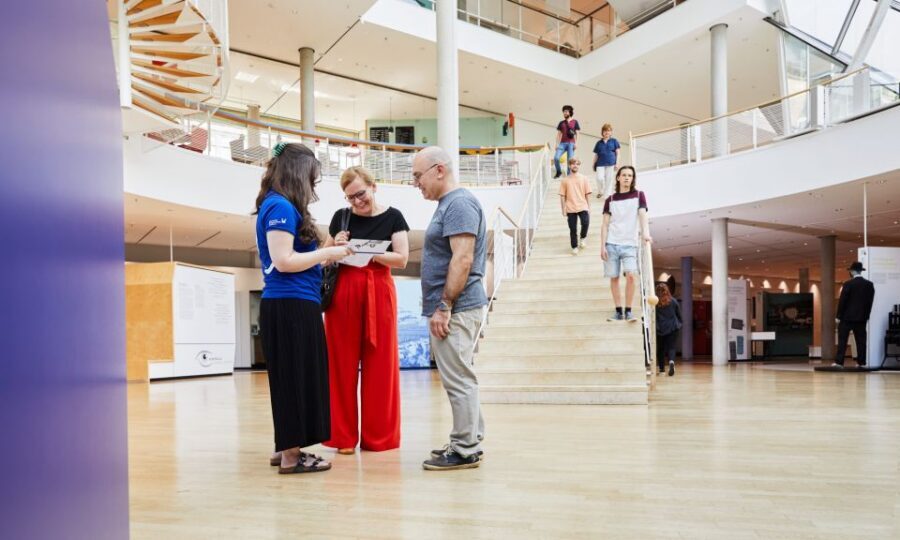
The main event is the permanent display titled Mediengeschichte|n neu erzählt!. Think of it as a timeline that’s also a set of questions. What gets faster? Who gets included? Who gains control? What do networks enable? Those four themes show up as you move through the galleries.
Here’s what you should expect the museum to do well:
- It gives you the long view, rather than just a checklist of famous gadgets.
- It ties human communication choices to the tools people used at the time.
- It keeps the experience hands-on with interactive exhibits, so you’re not only looking—you’re responding.
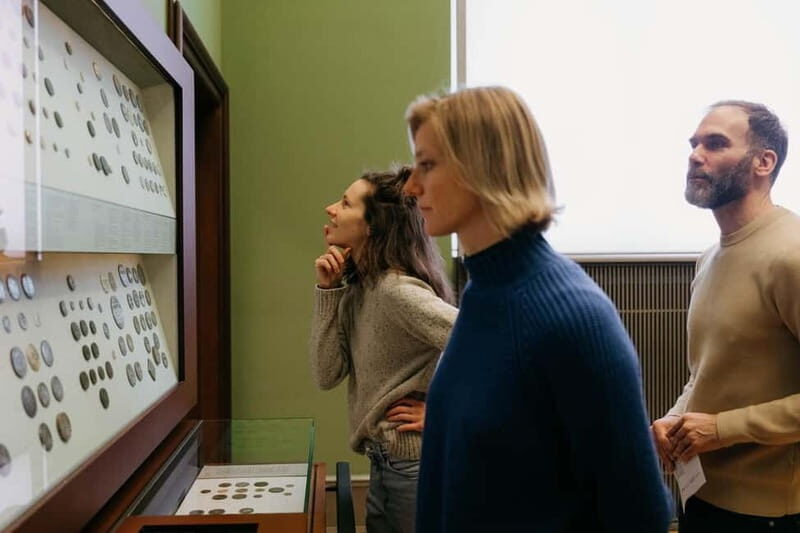
The arc from the earliest written communication to today’s media is a big part of the payoff. You’ll move from older writing technology—like cuneiform tablets—to modern concepts such as data glasses. Even if you’re not a gadget person, the range helps you realize something simple: communication methods always reflect what a society needs and what it fears.
Old telegraphs, phones, fax machines, radios, and TV sets you can actually picture
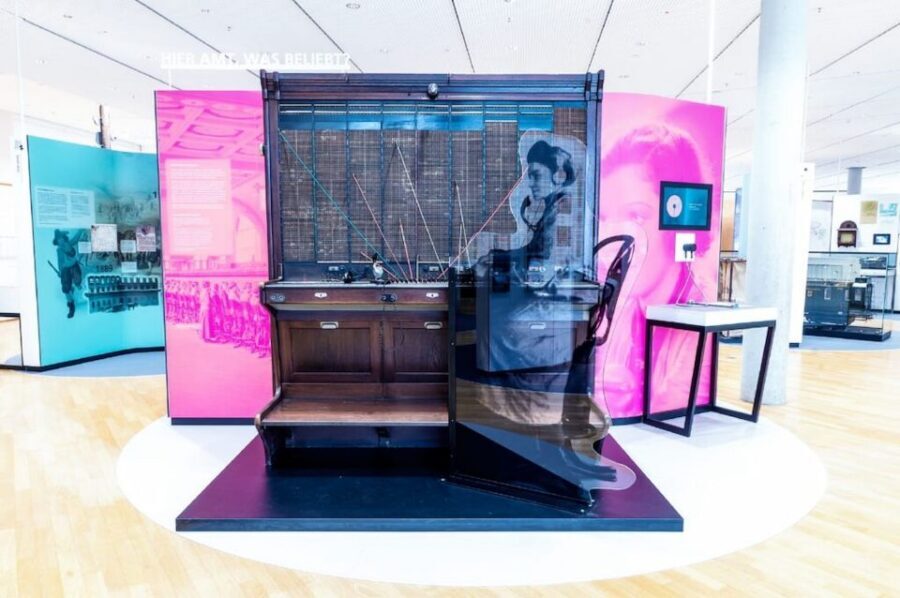
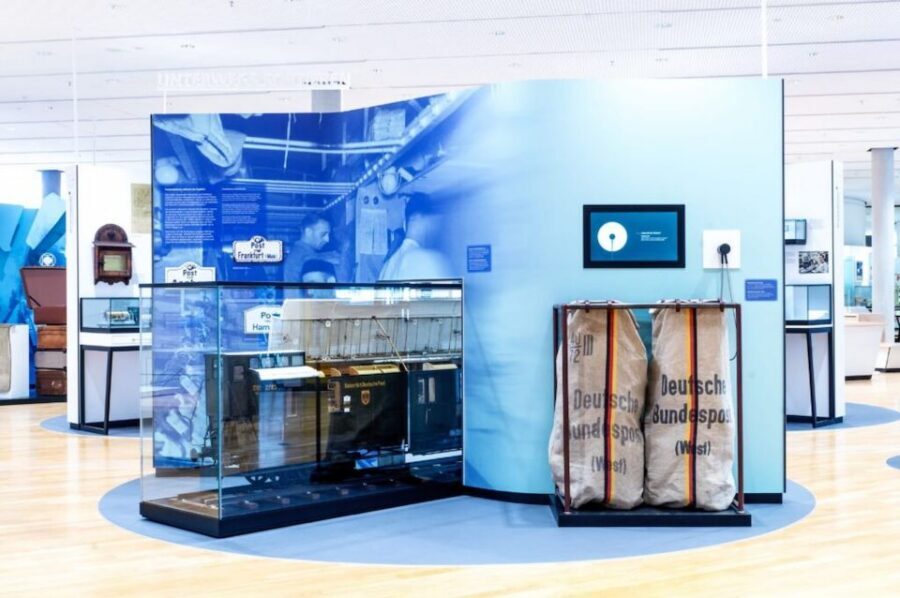
One of the museum’s strongest attractions is the collection of communication devices you can recognize instantly. The museum includes a spread of older tech like:
- telegraphs
- phones
- fax machines
- radios
- TV sets
This matters because these aren’t just “history” in theory. Seeing the actual objects helps you understand how people used them, even if the specific models are older than your grandparents’ everyday life. A telegraph system tells you about distance and delay. A fax machine tells you about sending documents without being in the same room. Radios and TV sets show how audio and images started to become mass media.
I also like how this kind of display supports the museum’s bigger idea: communication always involves infrastructure. Power, networks, and rules shape what’s possible. When you look at old hardware, you can almost feel the constraints that shaped daily life.
KLIMA_X: a temporary exhibit that asks what you do with information
The temporary exhibit KLIMA_X brings the museum’s themes into the present. It’s focused on climate change, with an invitation to explore what you can do to help change the world for the better.
You’re not just getting a lecture. The exhibit nudges you toward looking at your actions—how you respond to information, how habits form, and what kinds of participation actually move the needle. The museum also reminds you that there are simpler methods to implement, and it asks you to reflect on the current climate crisis and your role in it.
This works especially well if you came for communication history but don’t want the whole day to stay in the past. KLIMA_X connects modern media habits to real-world impact, which is a useful reminder. The same communication systems that can spread awareness can also shape attention and urgency.
Timing your visit: noise levels and when to enjoy the Main River café terrace
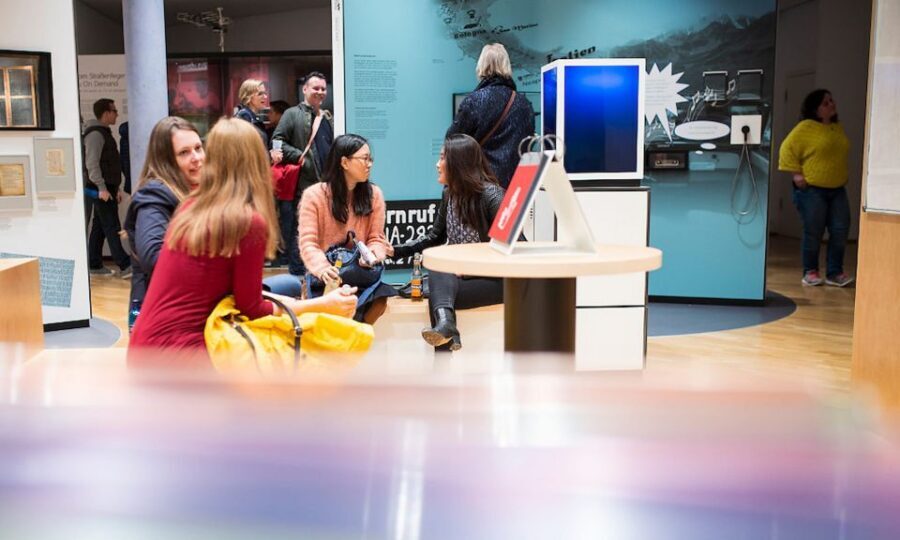
A museum day goes best when you can focus. Your main practical concern here is sound. Based on real visitor feedback, the museum can be extremely loud at times—especially in the lobby area with groups of children. If you’re sensitive to noise or you like reading details slowly, I’d choose a calmer time slot.
A good strategy:
- Plan to enter and settle into exhibits early in your visit.
- If the lobby feels hectic, move quickly into the galleries where you can concentrate.
- If you can pick days, go on a weekday for a quieter experience.
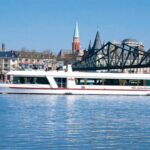
Now, when you need a break, the museum makes it easy to switch gears. One highlight is the café terrace, where you can make yourself comfortable and enjoy a coffee break with a view of the Main River. That view is a nice reset after you’ve spent time thinking about networks and systems.
There’s one small payment heads-up. One review notes that the café didn’t accept Mastercard/visa. If you rely on those cards, I’d bring some cash or have a backup payment method ready.




What you should plan for in a full day (without feeling rushed)
This is a 1-day visit, and it’s the kind of museum where you’ll get more from it if you don’t treat it like a checklist. The permanent exhibition alone takes time, because it covers multiple eras and repeats key themes so you can spot patterns.
A good pacing plan for you:
- Start with the permanent exhibition, since it gives the structure for everything else.
- Leave time for KLIMA_X so it doesn’t feel like an afterthought.
- Build in a break at the terrace, especially if you want to read and think rather than speed through.
Because the museum is 2,500 square meters for the permanent portion, you’ll likely end up making decisions on the fly. Some sections will pull you in more than others. That’s fine. The museum is designed so you can wander while still keeping the “why” of communication in mind.
Price and value: a $10 ticket for a full media history experience
At about $10 per person, this museum is a strong value if you like exhibits that mix visuals, objects, and interactive elements. You’re paying for access to:
- the permanent exhibition across 2,500 square meters
- interactive displays that cover multiple eras
- a temporary climate-focused exhibit (KLIMA_X)
You also get a small convenience win: the experience includes skip the ticket line, which saves time when you’re eager to start browsing.
If you’re trying to decide between museums that focus on one era or one type of subject, this one is different. Communication touches everything—technology, society, and daily behavior. The museum’s four-phenomena approach helps connect that broad subject into something you can actually follow.
Who this museum is best for (and who should adjust expectations)
This is a great fit if you:
- enjoy tech history and want the bigger story behind devices
- like interactive exhibits rather than just reading wall text
- want something thoughtful that still feels fun
- are interested in climate issues without only seeing a political presentation
It’s also fine for families, but with one caution: you should expect the museum environment to get noisy at times. If your group needs a quiet setting, pick your timing carefully.
If you’re someone who hates crowds, go in with a plan to seek calmer galleries quickly and take breaks when you feel your focus slipping.
The practical takeaway: how to get the best day
You’ll get the most out of this visit if you treat it like a conversation between eras. Look at the gadgets and then ask why communication changed. Ask what networks made easier. Ask what control mechanisms appeared. Notice how participation shows up as people gain new ways to join in.
Also, don’t skip the terrace break. It’s one of those simple travel wins—sit down, reset your attention, and watch the Main River while your brain moves from artifacts back to everyday life.
And if you care about payment at the café, bring a backup just in case.
Should you book the Museum of Communication Frankfurt?
I’d book it if you want a high-value, one-day museum that mixes real devices with interactive thinking and a present-day climate exhibit. The $10 price is easy to justify when you consider the permanent exhibition size and the fact that it includes both telecom history and KLIMA_X.
Skip booking only if you know you’ll struggle with noisy spaces or if your idea of a museum day is silent, slow, and extremely calm. If that’s you, choose a quieter time slot and plan your café break around it.
In short: if you like communication as a human story—not just a tech timeline—this is an easy yes.
FAQ
Where is the Museum of Communication Frankfurt?
It’s located in Hessen, Germany, in the museum building on Schaumainkai in Frankfurt.
How much does entry cost?
The price is $10 per person.
How long should I plan for?
Plan for about 1 day.
What are the main exhibits to focus on?
The permanent exhibition is Mediengeschichte|n neu erzählt!, and there is also a temporary exhibit called KLIMA_X.
What communication technologies will I see?
You can expect to see telegraphs, phones, fax machines, radios, and TV sets.
Is there food available on site?
Food and drinks are not included with the ticket, but the museum has a café terrace where you can take a coffee break.
Does the ticket help me avoid waiting?
Yes. The experience includes skip the ticket line.
Is the museum wheelchair accessible?
Yes, the museum is wheelchair accessible.
When is the museum open on public holidays?
On public holidays, the museum is open from 10:00 AM to 6:00 PM.