REVIEW · BRUNSWICK GERMANY
City tour Braunschweig: diverse and full of surprises.
Book on GetYourGuide →Operated by BraunschweigTeam · Bookable on GetYourGuide
A 1000-year city story in just two hours. This Braunschweig walk mixes the big names (Henry the Lion, the Guelphs) with street-level details, and I especially like how questions are encouraged and how the guides keep the pace friendly. I also like that you’re not stuck on only the “top photos”; you get surprises built around what you’re curious about. The only real drawback to note: the route isn’t set up for everyone, and the tour also says it’s not suitable for some mobility and sensory needs.
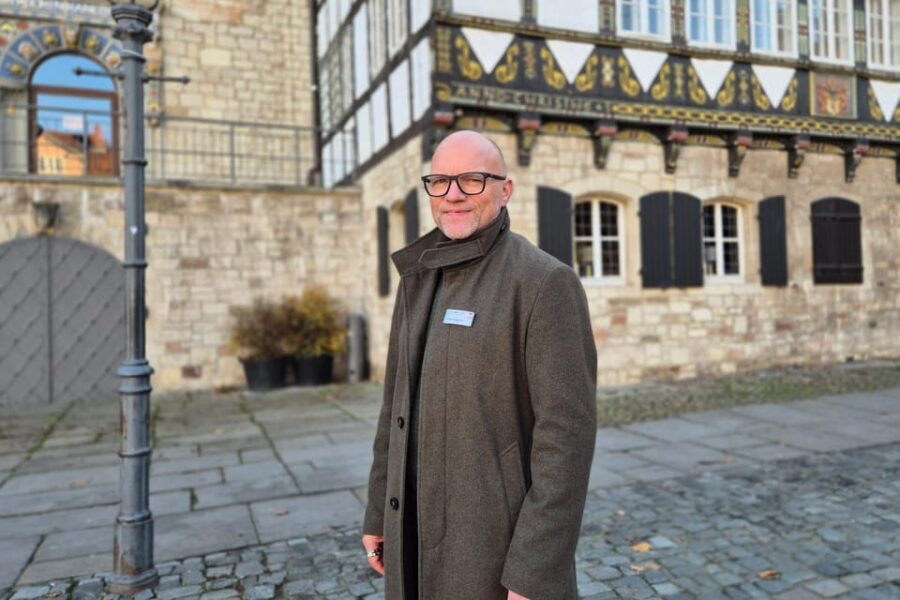
What you’re really buying here is time with Tom Ahlgrim or Tobi Volkmer—both BVGD-certified—while you connect modern research Braunschweig with medieval power, war damage, and the half-timbered character that survived and got reshaped. It’s priced at $88 per group (up to 2), and for two people for two hours, that can feel like good value if you like guided context rather than aimless wandering.
In This Review
- Key highlights to look for on this Braunschweig walk
- Braunschweig in two hours: the story behind the stone
- Meeting at Magni Boutique Hotel: start point and what helps
- Tom Ahlgrim or Tobi Volkmer: how the guiding actually feels
- Rizzi House and Brunswick Palace: the modern surprise before the medieval story
- German Unity Square to Burgplatz: where the lion and the Guelphs show power
- Ringerbrunnen and Kohlmarkt: merchant clues you can actually notice
- Martinikirche and Altstadtmarkt to Altstadtrathaus: ending where the old town breathes
- How this tour handles questions, pace, and rainy weather
- Price and value: $88 for up to 2 in a 2-hour guided format
- Who should book this Braunschweig city tour
- Quick practical tips before you go
- Should you book?
- FAQ
- How long is the Braunschweig city tour?
- What does it cost for a group?
- Where does the tour start?
- Which languages are offered?
- Is this a private tour?
- Is audio recording allowed?
- What if I arrive late?
- Can I get a refund if my plans change?
Key highlights to look for on this Braunschweig walk
- Certified, local guiding by Tom Ahlgrim or Tobi Volkmer
- A clear 1000-year timeline, from early documents to today’s science-and-research city
- Big landmarks plus “why this place matters” street details
- Guelphs, Henry the Lion, and Hanseatic merchant traces
- War destruction context and why some buildings look the way they do
- English or German, with a private group feel for up to 2
Braunschweig in two hours: the story behind the stone
Braunschweig (Lower Saxony’s “Lion City”) is the kind of place where you can feel centuries layering on top of each other. The city is now known for science and research, but it still looks back almost 1,000 years, and this tour is built to make that connection feel logical.
You’re guided through medieval streets and major squares, then you land on the civic and cultural centerpieces that show how Braunschweig’s identity shifted over time. The best part is that it’s not just dates and names. You get the “so what”—why Henry the Lion and his wife Mathilde of England mattered, how the Guelphs shaped the city, and where merchant activity left traces you can still spot.
This is also a good fit if you like architecture, but you don’t need to be an expert. The guide explains what you’re seeing and why it’s there, including the scars from war destruction and the unique half-timbered look that came out of rebuilding.
You can also read our reviews of more city tours in Brunswick Germany
Meeting at Magni Boutique Hotel: start point and what helps
The tour meets at Magnikirchenplatz, on the corner of the Magni Boutique Hotel. If you’re driving, central parking is available in the Schlossarkaden car park at Ritterbrunnen 1, and it’s a short walk (about 200 meters) from there.
Bring simple things that make walking tours easier: comfortable shoes, weather gear, and a phone with enough battery (for photos). Food and drinks aren’t included, so if you’re the type who gets snacky mid-walk, plan ahead.
Two practical notes that matter:
- Late arrivals: the guide waits 15 minutes at the agreed meeting point, and any extension requires a phone call.
- Audio recording is not allowed.
The private group format (up to 2 people) is one reason this works well. You can ask questions without feeling like you’re competing with a crowd, and you’ll usually get answers that connect back to what you’re standing in front of.
Tom Ahlgrim or Tobi Volkmer: how the guiding actually feels
Tom Ahlgrim and Tobi Volkmer aren’t just reciting facts. They steer the conversation so the tour stays human. I like tours where the guide can balance structure with responsiveness, and this one is good at that.
In real terms, that shows up in a few ways you’ll notice quickly:
- You get clear explanations at each stop, not long monologues.
- The guides create room for questions while still keeping the walk moving.
- Pace feels considerate. One of the nicer touches is that the guide points out places to rest, so you can pause without losing the thread.
If you’re in a mixed-age group, this kind of pacing can make a huge difference. The tone also stays friendly and relaxed, with just enough humor to keep things light when the topic gets serious—like war destruction and rebuilding.
One more plus: communication before and after the tour seems well handled, which reduces that pre-tour stress of figuring out where to go and when.
Rizzi House and Brunswick Palace: the modern surprise before the medieval story
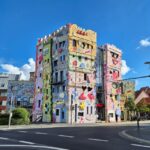
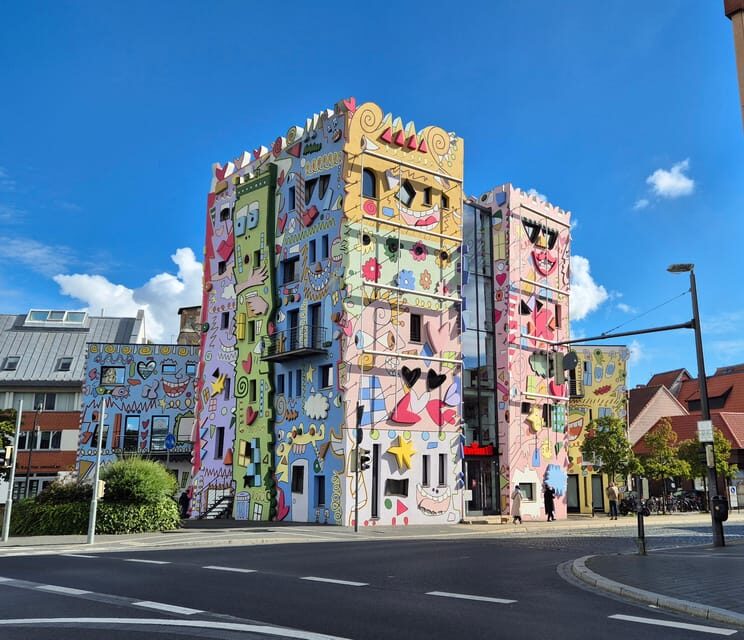
The walk starts in the Magniviertel, and the first landmark stop is the Rizzi House right in front of the Braunschweig Residential Palace. This is a smart opening choice because it gives you a visual anchor fast. Even if you don’t know the details yet, you can see the city’s layers right away.
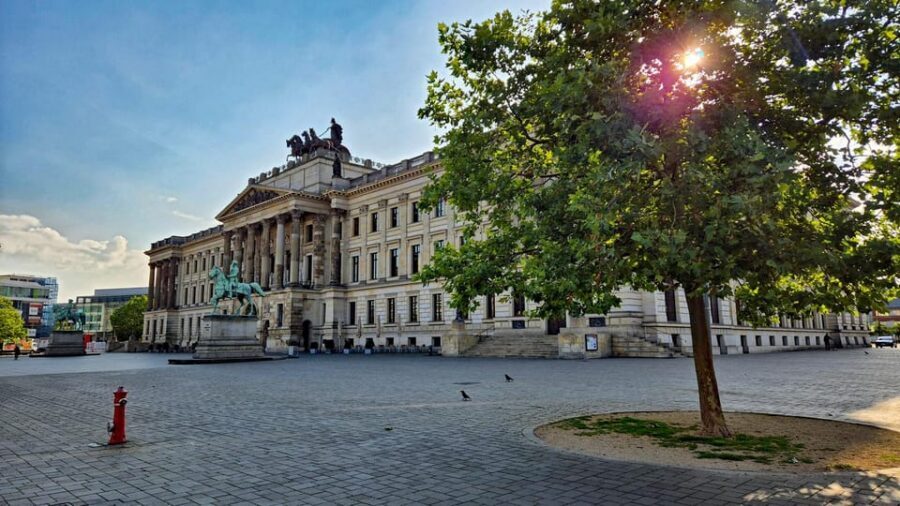
From there, you move toward the Brunswick Palace area. The guide’s job here is to connect “this building exists” with “here’s what it tells you about power.” Braunschweig’s identity didn’t appear out of nowhere. It was shaped by rulers and institutions, and the guide helps you understand why these royal-civic spaces mattered.
Why I like this part of the tour: it doesn’t treat Braunschweig as only ancient. It lets modern visitors feel oriented first, then the medieval story clicks into place.
German Unity Square to Burgplatz: where the lion and the Guelphs show power
Next you head to Platz der Deutschen Einheit. It’s the kind of stop that can feel like a quick photo moment on its own, but on a guided walk it becomes more. You get context about how Braunschweig fits into a bigger national story—not just a regional one.
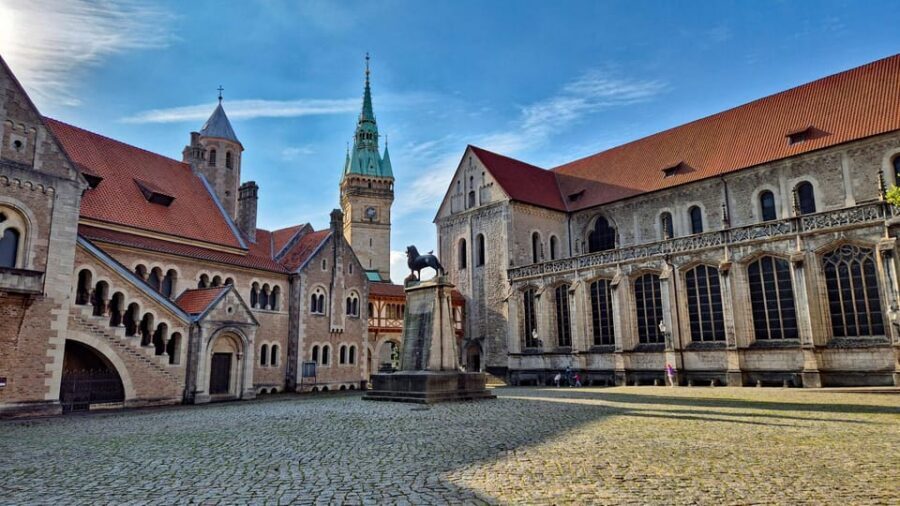
Then the tour lands at Burgplatz, one of the key civic stages. This is where Braunschweig’s landmark lion comes in. The lion isn’t random decoration; it’s part of the city’s language of identity, tied to the historical forces that shaped this place.
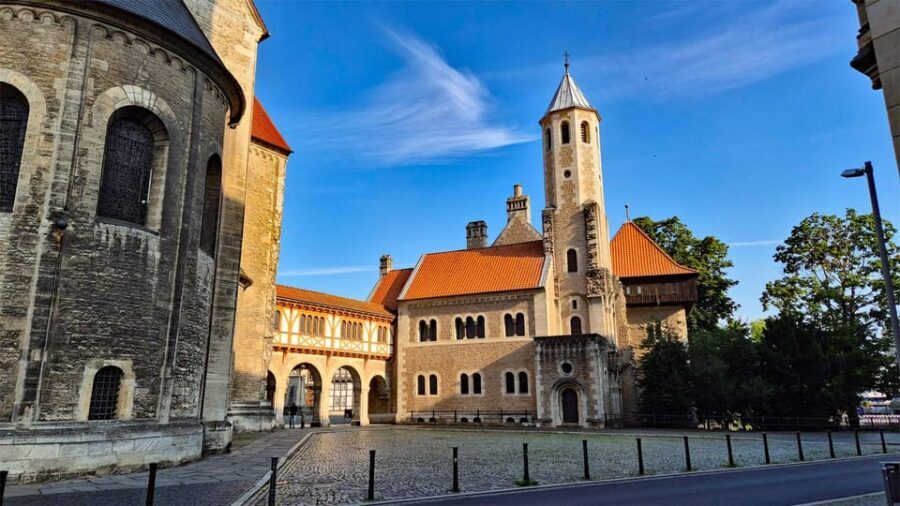
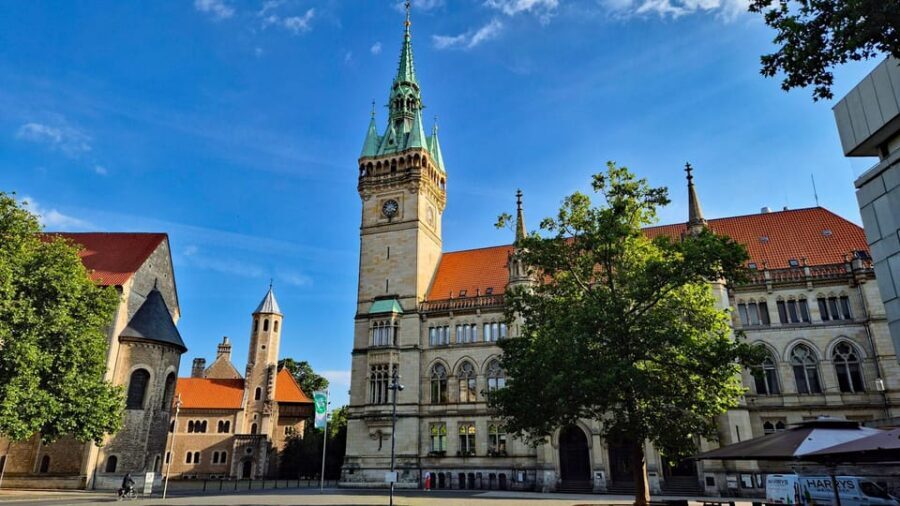
On Burgplatz you also see or cover Dankwarderode Castle and St. Blasii Cathedral in the same sequence. That matters, because you’re seeing multiple expressions of influence in one area:
- castle-like prestige and authority
- religious power and community life
- symbolic “this is who we are” messaging through public art
You’ll also hear the historical thread connecting back to the Guelph dukes and the era when Braunschweig became a residence linked to Henry the Lion and Mathilde of England (documented about 850 years ago in the tour narrative).
If you like moments where symbolism becomes readable, this is the section where you’ll feel it most.


Ringerbrunnen and Kohlmarkt: merchant clues you can actually notice
After the big squares and monumental buildings, the tour shifts to the everyday world—still historical, but closer to daily life.
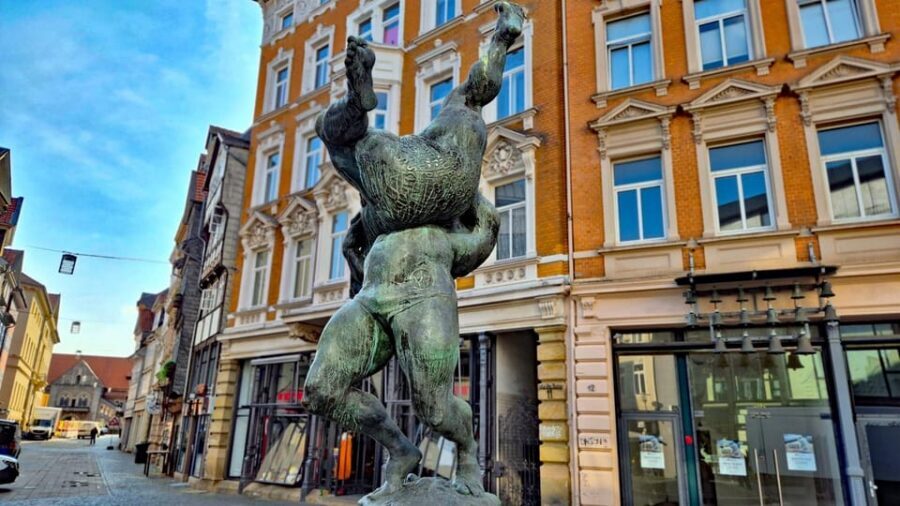
You pass by the Ringerbrunnen, a fountain area that helps you slow down and notice details. Fountains like this weren’t just pretty; they were part of how public space worked and how people moved through town.
Then you move toward Kohlmarkt, a lively square area in the old town setting. The guide ties this kind of place back to merchant activity and the traces of Hanseatic commerce. Even if you aren’t walking through a museum, you’re reading the city like a document: where people gathered, where business happened, and why certain spots became permanent fixtures.
This section is valuable because it balances the “rulers and wars” theme with “how the city functioned.” It’s easier to remember a city when you understand what people did there day to day.
Martinikirche and Altstadtmarkt to Altstadtrathaus: ending where the old town breathes
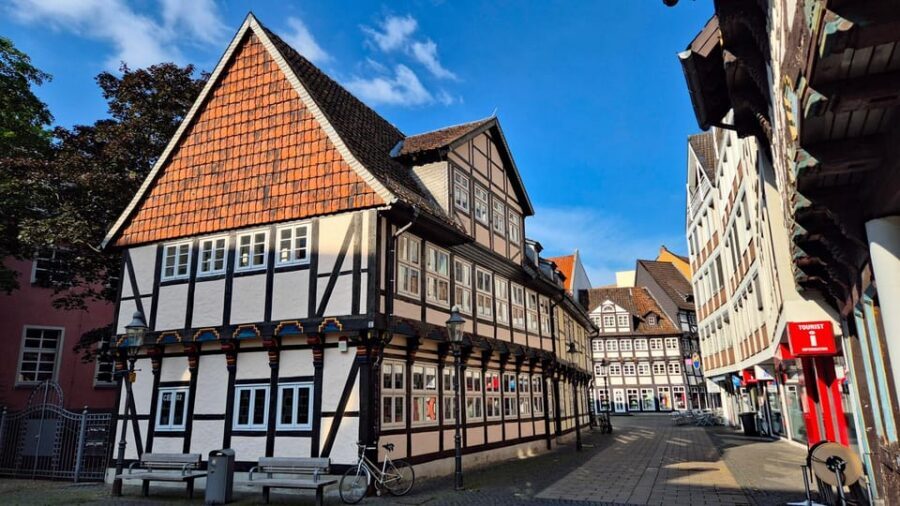
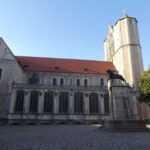
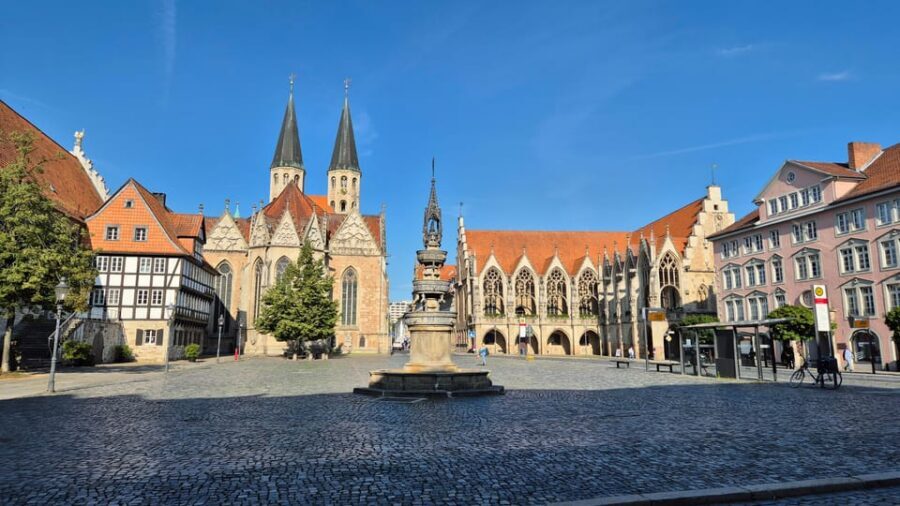
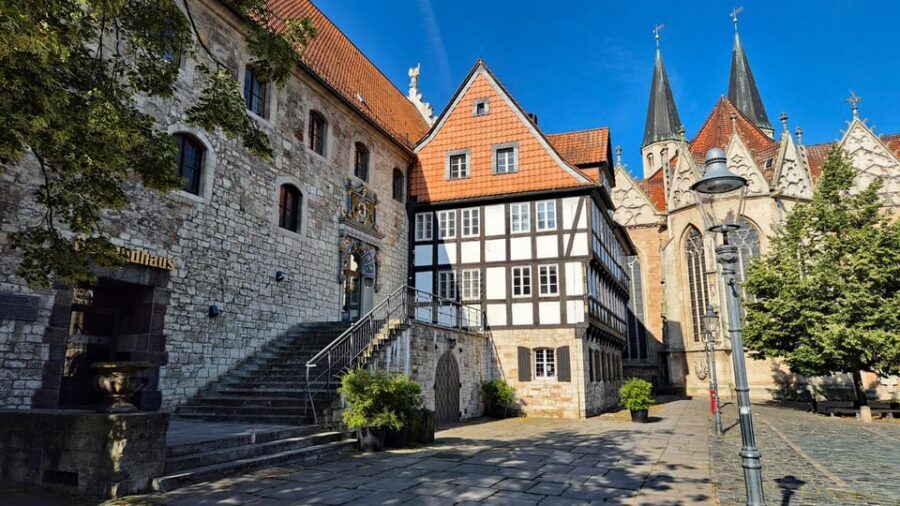
The final stretch lands around Martinikirche and the Altstadtmarkt area—the historic old town market space—and then you finish at the Altstadtrathaus.
This is a strong ending because markets and church squares tend to hold the longest continuity in European old towns. Even when buildings are damaged or rebuilt, the function of these spaces often persists. That’s where you get the “why it feels like Braunschweig” feeling.
You’ll also get the tour’s rebuilding angle—how war destruction reshaped what was there, and how you can still see that story in architectural character, including the distinctive half-timbered presence highlighted in the tour’s theme.
Practically, this is also a good place to stop if you want to keep exploring afterward. You’re already in the old town’s natural circulation route, so continuing on your own feels easy rather than chaotic.
How this tour handles questions, pace, and rainy weather
One of the most consistent strengths from guide style is how well the tour stays interactive. When you ask something, you get an answer that connects back to the place in front of you rather than a generic lesson.
I also like how the tour can flex for the group. One review noted that a guide built in small surprises tailored to a family situation. Another noted the importance of pointing out benches for an older group (70 to 89). That’s small, but it’s the kind of detail that turns a standard history walk into a comfortable experience.
Rain can ruin a lot of city tours. Here, it sounds like the guide still made the most of it—keeping the group interested and making sure the time didn’t feel wasted.
If you’re the kind of traveler who wants facts but also wants to feel like you’re spending time with a local (not being pushed along), this tour’s tone fits that.
Price and value: $88 for up to 2 in a 2-hour guided format
At $88 per group up to 2, you’re not paying per person in a way that usually makes sense only for big families or large groups. Instead, you’re paying for one-on-one style attention (with up to two people in your group), plus guided explanations at each stop.
For me, the value equation comes down to two things:
- You’re getting a structured walk that covers major landmarks and the “why it matters” context.
- You’re not stuck doing it alone. In a city like Braunschweig, context changes everything—especially for symbols like the lion and the historical line from early documentation through the Guelph era.
Food and drinks aren’t included, and you should plan for that. Tips aren’t included either (as usual). But the guide time and booking fees are included, so you don’t have to guess what you’re paying for.
If you enjoy history that’s explained in plain language, this price typically feels fair for a private, two-hour outing.
Who should book this Braunschweig city tour
This tour is a strong choice if you:
- want a clear 1000-year timeline without reading a guidebook for hours
- like medieval power stories but also want the everyday merchant angle
- prefer questions and conversation over rigid lectures
- are traveling in a small group (up to 2) and want personal attention
It may be less suitable if you:
- rely on audio support (audio recording is not allowed, but more importantly: audio-based learning isn’t mentioned as a feature)
- need accommodations beyond what’s listed. The data says wheelchair accessibility, but it also states it’s not suitable for people with mobility impairments, visually impaired people, hearing-impaired people, and people over 95.
If you fit the first group and you’re comfortable walking in a city center, you’ll likely enjoy this.
Quick practical tips before you go
- Wear comfortable shoes. You’ll be walking through squares and old-town streets.
- Bring a light layer and a rain plan, because weather can change quickly in Northern Germany.
- Bring curiosity. The best tours are the ones where you ask one or two questions, especially when the guide references the frieze and decorative clues on buildings.
- Plan to arrive on time at Magnikirchenplatz (corner of Magni Boutique Hotel).
Also, since you’re walking through a city with layers of history, take a couple of photos but don’t treat it like a checklist. The real payoff is understanding what each spot is telling you.
Should you book?
Yes, if you want a private 2-hour Braunschweig city tour that turns “I’ve seen the buildings” into “I understand the story.” The biggest reason to book is the combination of certified local guiding with a pace that feels friendly—plus the mix of medieval power, Guelph influence, merchant traces, and the rebuilding context tied to war destruction and half-timbered character.
Skip it only if your needs fall outside what the tour states it can handle, or if you want a totally self-guided experience. Otherwise, this is one of those walks where you leave feeling like Braunschweig is more than a stop on the map. It becomes a place you can explain.
FAQ
How long is the Braunschweig city tour?
The tour lasts about 2 hours.
What does it cost for a group?
It costs $88 per group for up to 2 people.
Where does the tour start?
It starts at Magnikirchenplatz, on the corner of the Magni Boutique Hotel.
Which languages are offered?
The tour is available in English and German.
Is this a private tour?
Yes. It’s listed as a private group tour.
Is audio recording allowed?
No, audio recording is not allowed.
What if I arrive late?
The guide waits 15 minutes at the agreed meeting point. Extending that wait requires contacting by telephone.
Can I get a refund if my plans change?
Free cancellation is available up to 24 hours in advance for a full refund, and there’s also a reserve now & pay later option listed.