REVIEW · BERLIN
Berlin Highlights in One Day
Book on GetYourGuide →Operated by Vive Berlin e.G · Bookable on GetYourGuide
Berlin can feel like a puzzle. This one-day private tour turns it into a story you can actually follow. I love how the guide builds a 800-year timeline while still moving at a pace that fits you, and I like that you get both iconic stops and lesser-known angles. One thing to consider: it’s a lot of major sights in 6 hours, so you’ll see plenty but you won’t have time for long museum-style deep dives.
If your guide is Luciana, you’re in good hands. Her style in the reviews is all about being prepared, keeping things clear, and letting you set the rhythm—exactly what you want when you’re crossing between former East and West Berlin. The main drawback I’d plan for is logistics: public transport is part of the plan, but the transport ticket itself isn’t included, so you’ll want to budget for that.
In This Review
- Key Highlights You’ll Feel Immediately
- Why 800 Years of Berlin Fits in One Day
- The Route Logic: Old Town Links, East-West Contrast, Smart Ending
- Memorial Church and Kurfürstendamm: West Berlin’s Big Statements
- Brandenburg Gate and the Memory of Europe’s Murdered Jews
- Potsdamer Platz and the Sony Center: Where Modern Berlin Shows Off
- Checkpoint Charlie and Hackescher Markt: The Divide Becomes Personal
- Berlin Wall Remains and Under den Linden: Seeing the City’s Past in the Streets
- Museum Island and Alexanderplatz: Big-City Identity at Full Volume
- Tailored Pace, Local Guide Energy, and Why It Matters
- Price and Logistics: What $511 for Up to 6 People Really Means
- What to Bring and How to Plan Your Day
- Who This Tour Is Best For
- Should You Book This Berlin Highlights Tour?
- FAQ
- How long is the Berlin Highlights in One Day tour?
- Is this tour private?
- What languages are available for the live guide?
- Does the tour include hotel pickup and drop-off?
- Is public transportation included?
- What sights are covered during the day?
- What should I wear or bring?
Key Highlights You’ll Feel Immediately
- 800 years of Berlin in one day with a route that connects eras, not just landmarks
- Old Town to modern squares so you see how the city keeps changing (and why)
- East vs West comparisons using places like Kurfürstendamm and the Wall remnants
- Serious memorial stops including the Memorial to the Murdered Jews of Europe
- Tailored pace and interests so you’re not stuck with a cookie-cutter script
Why 800 Years of Berlin Fits in One Day
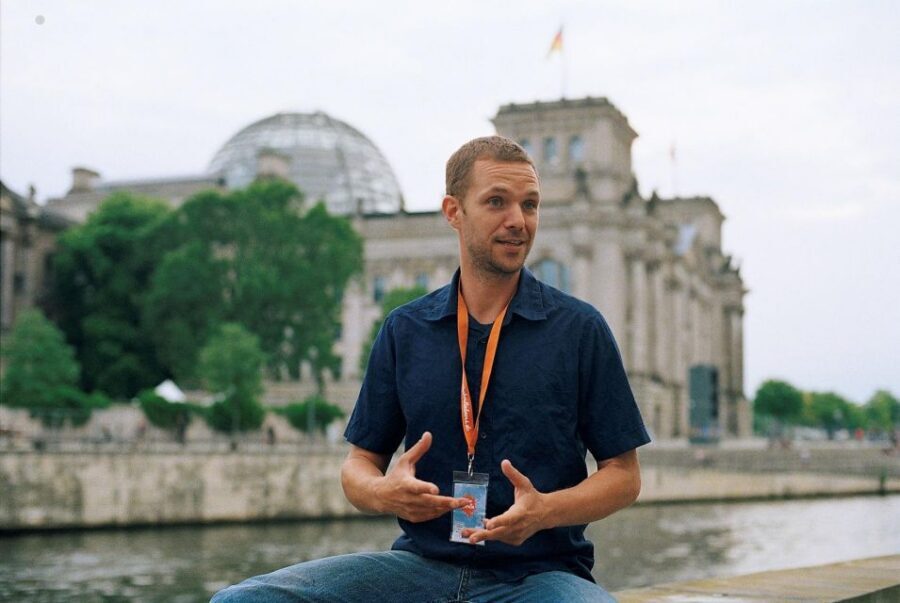
Berlin has a weird talent: it can look modern, then suddenly hit you with a centuries-old layer. That’s the trick this tour is built around. Instead of treating Berlin as a list of monuments, you get a guided thread through the city’s evolution—from beginnings along the Spree River to today’s capital.
You’ll also get a sense of how Berlin absorbed shocks and still kept reinventing itself. World War II devastation, the creation of the GDR (East Germany), the separate identities of East and West, and reunification all come up as the guide explains what you’re standing in front of. The value here is that the city stops being random. You’ll get it, fast.
And because it’s a private group for up to 6 people, your guide can slow down when you want more context—or move ahead when you’d rather just get bearings and keep going. That’s a big deal in Berlin, where the distances are manageable but the “what does this mean?” part can take time.
A few more Berlin tours and experiences worth a look


The Route Logic: Old Town Links, East-West Contrast, Smart Ending
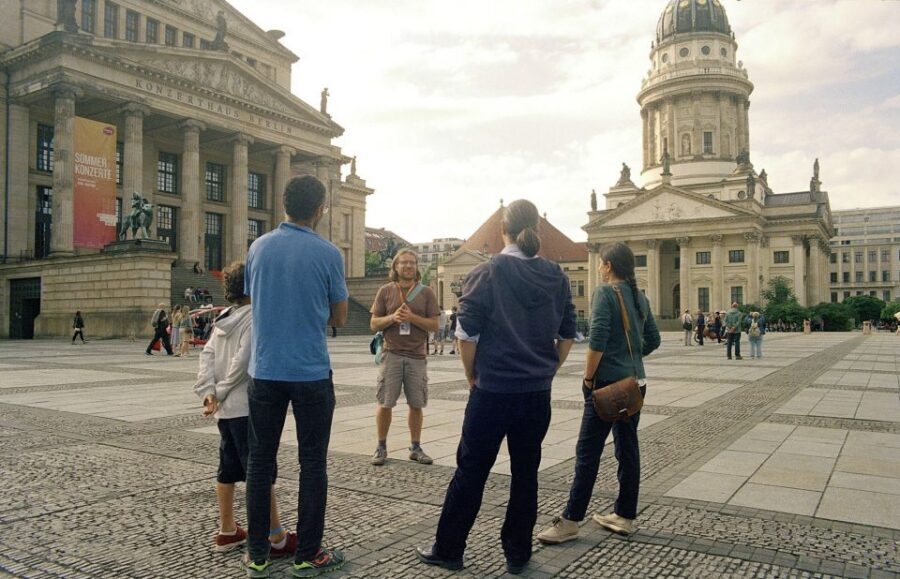
The tour covers a wide sweep of central Berlin and is designed to optimize the meeting point and ending location. You don’t need to play “where do we go next?” the whole time, because the guide’s routing is built to keep the flow smooth.
What you should expect is a deliberate mix:
- Historic Berlin moments tied to the Old Town and major avenues
- Division-era Berlin comparisons (East vs West) using the city’s most recognizable contrasts
- Modern Berlin energy in plazas and architecture, like the Potsdamer Platz area and the Sony Center
This matters because Berlin’s story is visible across neighborhoods. If you only hit the famous sights, you can miss the emotional logic of the city: why certain buildings stayed, why others changed, why certain streets became symbols.
Also, you’ll be using public transport during the day. That keeps things efficient, but it also means you’ll want comfortable shoes and a small mental reset each time you switch modes. It’s not hard, just busy.
Memorial Church and Kurfürstendamm: West Berlin’s Big Statements
You start (and often frame the day) with places strongly associated with West Berlin’s identity. The tour includes the Memorial Church, which is a powerful landmark because it’s tied to war memory and the way Berlin rebuilds with history still visible.
From there, you move into the West-style skyline mood through Kurfürstendamm. This is one of those names that belongs on every Berlin “first-timer” list, but the guide’s job is to explain why it’s more than a shopping street. You’ll also get context about the West’s cultural magnetism—often linked in the city’s story to areas like Bahnhof Zoo—so you understand why people gravitated here.
Then there’s the Victory Column. It’s the kind of monument that can look like a postcard photo from far away, but standing near it with a guide changes the experience. You’ll connect it to the broader themes of power, nationalism, and how different eras tried to shape Berlin’s image.
If you’re the type who likes to know what you’re looking at before you take pictures, this part is satisfying. If you prefer to keep a low-information sightseeing pace, you might feel the early history loading a bit quickly—so if you’re tired, ask the guide to slow down for the first couple stops.
Brandenburg Gate and the Memory of Europe’s Murdered Jews
No Berlin one-day tour avoids the Brandenburg Gate, and this tour doesn’t treat it like just a photo op. The guide uses it as a pivot point—where Berlin’s identity as a capital shows up in one frame, alongside the deeper story of what happened here.
The most moving stop in this section is the Memorial to the Murdered Jews of Europe. This isn’t the kind of place you rush through. The guide’s role helps you understand what the memorial is communicating—without turning it into a lecture—and that’s exactly how it should feel.
A practical note: this memorial can be emotionally heavy. If you’re traveling with teens or you’re sensitive to somber sites, it can help to take short pauses when you feel you need them. The tour’s pace is meant to be tailored, so you can ask for a moment.
Potsdamer Platz and the Sony Center: Where Modern Berlin Shows Off
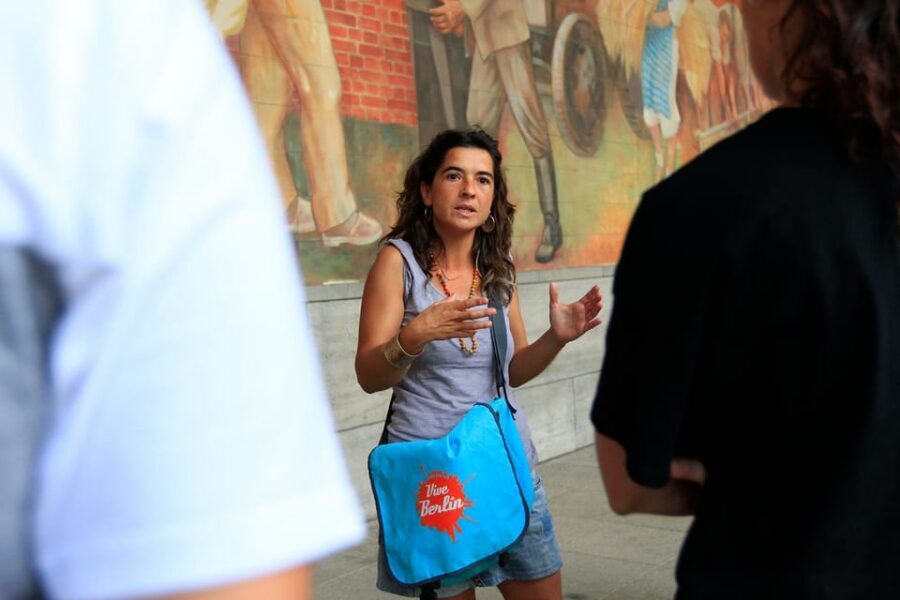
After the weightier historical moments, you get a dose of what Berlin looks like today. The tour includes Potsdamer Platz and the Sony Center, which together show how Berlin reassembled itself into something forward-looking.
Potsdamer Platz is one of those places where you can feel the city’s reinvention in real time: a broad, open square vibe, large-scale architecture, and a lot of human movement. The guide helps connect this modern energy to what came before, so you don’t just see glass and steel—you understand why this area became a symbol of transformation.
This section is a good “breather” in the schedule, because it’s easier to walk around and get your sense of direction. It also helps with photos: you’ll likely have plenty of opportunities for pictures without feeling like you’re stuck in a narrow lane.





Checkpoint Charlie and Hackescher Markt: The Divide Becomes Personal
If Berlin division-era history feels abstract to you, the tour makes it concrete. Checkpoint Charlie is one of the most recognizable symbols of separation, and the guide’s explanations help you place it into the bigger story of travel, borders, and daily life during division.
Then you shift toward Hackescher Markt, which brings you into a more lively, human-scale Berlin. Instead of only monument-sized stops, this area helps you feel how Berlin’s city life happens—shops, streets, and that slightly offbeat mix Berlin does well.
What I like about this combo is that it changes the emotional channel. You go from border symbolism back to street-level reality. That contrast makes the city’s history feel less like a lesson and more like something that shaped how people lived.
And again, because it’s a private tour, you can choose how much to linger. If you want more time to look around Hackescher Markt, you can ask. If you want to keep momentum and cover the next set of sites, the guide can keep things moving.
Berlin Wall Remains and Under den Linden: Seeing the City’s Past in the Streets
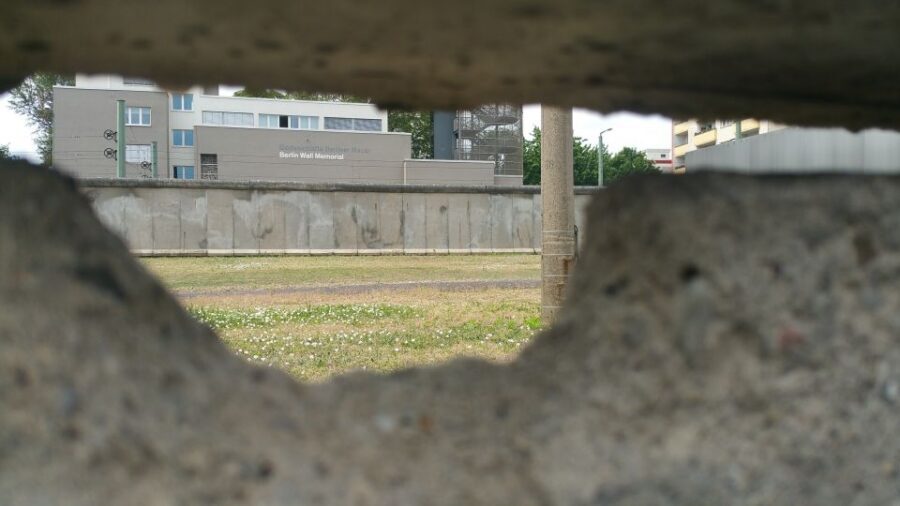
You’ll also visit remains of the Berlin Wall, and this is the moment where Berlin stops being “explained” and starts being “felt.” A guided walk here helps you understand what you’re seeing and why it matters. Even if you know the basics, the on-the-ground context can make the story click.
Then comes Unter den Linden, one of Berlin’s defining avenues. This part is about scale and continuity. The street acts like a corridor through important eras, and with the guide’s framing you’ll see how the city’s layout supports the historical narrative.
This is also where the tour touches on Baroque Berlin. You’ll get pointers to remnants of that period and how the city’s architectural and urban design choices echo older power and prestige. It’s not about becoming an architecture student—just learning to notice the “why” behind what’s in front of you.
Museum Island and Alexanderplatz: Big-City Identity at Full Volume
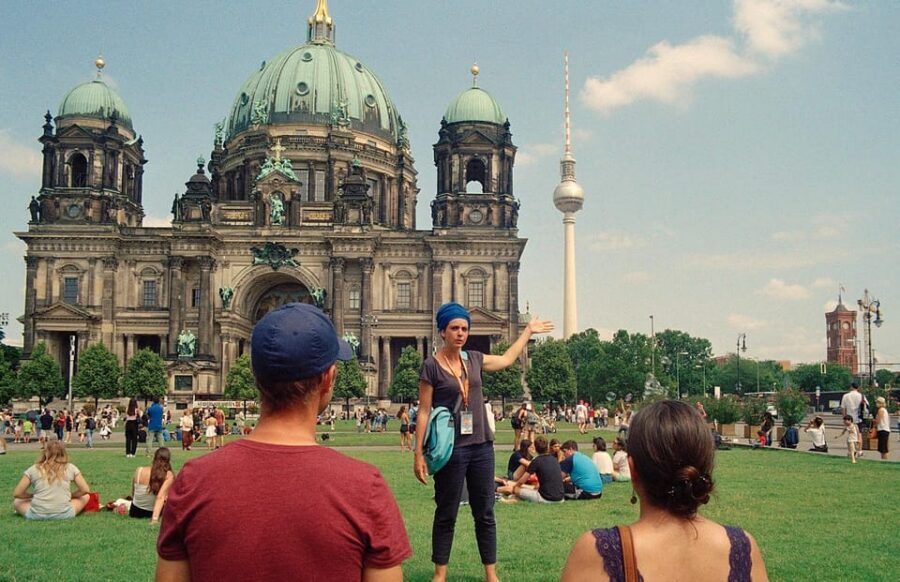
Near the end of the day, you hit Museum Island. Even if you don’t go inside museums, the island is significant in how it represents Berlin’s cultural identity and its focus on institutions. The guide helps you understand why this place became so important—again, not just the buildings, but the idea of Berlin as a center for learning and culture.
Then you finish with Alexanderplatz, which gives you the modern, wide-open “capital energy” feeling. It’s a spot where Berlin feels like Berlin: practical, visible, and full of everyday motion. If earlier stops felt like you were reading history, Alexanderplatz is where you feel like you’re back in the present.
This ending works especially well for travelers who want their last hour to feel less solemn and more lively, without abandoning the day’s historical thread.
Tailored Pace, Local Guide Energy, and Why It Matters
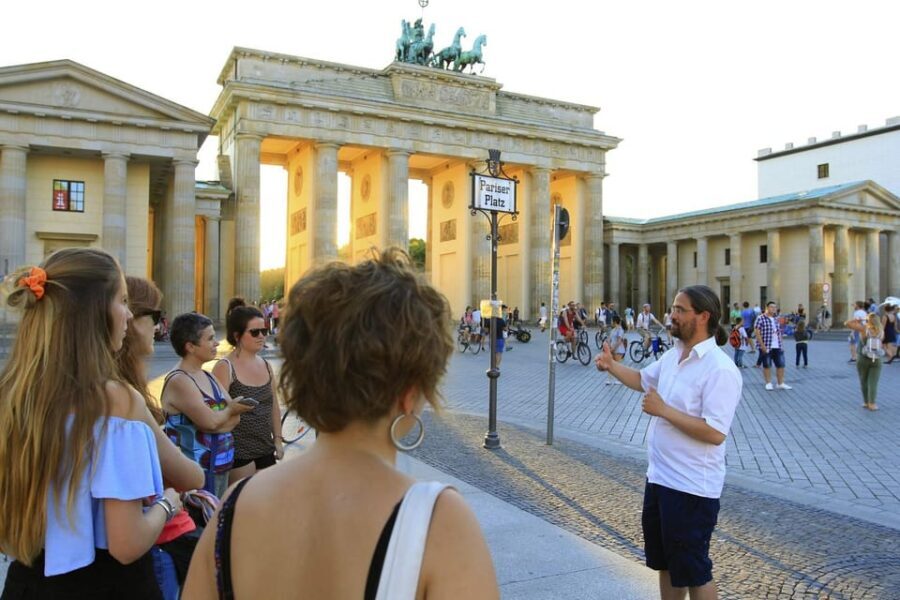
The biggest strength of this tour isn’t just the list of landmarks. It’s the fact that the tour is tailored to match your interests and preferences, and the guide sets pace based on the group.
The reviews point to Luciana’s style as a great example: prepared, informative, and able to show the essentials at a rhythm that feels comfortable. That’s exactly what you want in Berlin, because the city’s story can move fast, and you’ll get more out of the day if your guide adjusts instead of forcing a fixed script.
If you’re a first-timer, this tour helps you get the essentials without missing the meaningful context. If you’ve been before, you’ll still likely appreciate the guided comparisons and the way it threads Old Town, division-era sites, and modern anchors into one connected narrative.
One more thing: the guide is enthusiastic about Berlin. That sounds like fluff, but it’s practical. When a guide cares, they explain with clarity. You spend less time guessing, and more time enjoying the city.
Price and Logistics: What $511 for Up to 6 People Really Means
At $511 per group (up to 6 people) for a 6-hour private tour, the price isn’t “cheap,” but it’s often good value in Berlin because you’re paying for private guiding plus hotel pickup and drop-off.
Here’s how the math usually works when this is a smart buy:
- If you’re traveling as a small group, the per-person cost can drop fast.
- Hotel pickup and drop-off saves time and reduces stress, especially on a day when you’re covering major sights.
- A private guide means you can slow down for questions, switch focus, or adjust pacing.
What’s not included is also clear: food and drinks, and the public transport ticket. So budget for transit fares and keep a snack plan in mind if you know you get hungry during long walks.
The tour includes outdoor time and public transport, so the practical takeaway is simple: dress for weather, bring comfortable shoes, and don’t schedule a second marathon activity right after.
What to Bring and How to Plan Your Day
This is one of those days where small preparation pays off.
Bring:
- Comfortable shoes for steady walking
- Weather-appropriate clothing, since you’ll be outdoors
- A flexible mindset: the guide tailors the pace to you
If you like structure, you’re in luck. If you like to wander freely, you can still do it, but you’ll want to accept that this is a guided route with stops that build a coherent story. You’ll get the most out of it by listening, asking, and giving your guide a chance to connect the dots.
Who This Tour Is Best For
This tour fits well if you want:
- A one-day orientation to Berlin that includes both famous landmarks and meaningful context
- An East-West comparison rather than a random checklist
- A private pace that respects your interests
- A guide who can explain how the city’s past shows up right now
It might be less ideal if you’re the type who needs long museum time at each stop or you prefer to move independently with minimal talking. In those cases, you could still visit the big sights, but you’d miss the guide’s ability to connect centuries into one walking storyline.
Should You Book This Berlin Highlights Tour?
Yes—if you want the day to make sense. This is a strong choice for first-timers and for people returning to Berlin who want the city’s division-era story and its longer 800-year arc explained in a way you can remember.
I’d book it if you value:
- Private guiding for up to 6
- A route that mixes iconic Berlin with thoughtful stops
- Tailored pacing and a guide who can adjust to your interests
I’d think twice only if you’re hoping for a slow, museum-heavy day or you’re not comfortable with emotionally heavy memorial sites. But if you can handle a full, guided day with plenty of meaningful stops, this tour offers a lot of Berlin per hour—and it’s designed so you leave with more than photos. You leave with understanding.
FAQ
How long is the Berlin Highlights in One Day tour?
It lasts 6 hours.
Is this tour private?
Yes. It’s listed as a private group for up to 6 people.
What languages are available for the live guide?
The live guide is available in English, German, and Spanish.
Does the tour include hotel pickup and drop-off?
Yes. Hotel pickup and drop-off are included, and you should wait in the hotel lobby about 10 minutes before pickup.
Is public transportation included?
The tour uses public transportations, but the ticket for public transportation is not included.
What sights are covered during the day?
The tour includes stops such as Memorial Church, Kurfürstendamm, Victory Column, Brandenburg Gate, Memorial to the Murdered Jews of Europe, Potsdamer Platz and the Sony Center, Checkpoint Charlie, Hackescher Markt, remains of the Berlin Wall, Unter den Linden, Museum Island, and Alexanderplatz.
What should I wear or bring?
Wear weather-appropriate clothing and bring comfortable shoes.