REVIEW · BERCHTESGADEN
Berchtesgaden: Via Ferrata Beginner Tour of Schützensteig
Book on GetYourGuide →Operated by Outdoor-Center-Baumgarten · Bookable on GetYourGuide
A rough rock wall beats a museum day every time. This Berchtesgaden via ferrata beginner tour is one part skills lesson and one part mountain wow, with you learning the ropes on the Schützensteig route.
What I like most is that you get real instruction on the basics—belaying, climbing, and resting—not just a guided walk. And I love the way the course lets you feel the mountain up close, from the rock under your fingertips to the big open views over the Berchtesgadener Land.
One thing to consider: it’s not a fit if you’re uncomfortable with heights. Even at beginner level, you’ll be up on the face of the mountain and you need to stay calm and focused.
In This Review
- Key highlights you’ll remember
- First things first: where you go and what this is really like
- What you get for $104: value that feels practical
- The gear check moment: harness, helmet, gloves, and safety habits
- Learning via ferrata the right way: belaying and resting
- Belaying (what you need to understand)
- Climbing and movement
- Resting without losing control
- Schützensteig in Berchtesgaden: what the route feels like
- Your guide makes or breaks the day
- The pace and timing: a focused 4-hour learning loop
- Fitness and comfort: what you should realistically bring to the mountain
- Small-group coaching: why your learning feels faster
- What’s the best view-for-effort ratio?
- Should you book this via ferrata beginner tour?
- FAQ
- How long is the via ferrata beginner tour?
- How much does it cost?
- What’s included with the tour price?
- Do I need to bring food and drinks?
- Do I need hiking shoes?
- What languages are offered?
- What difficulty level should I expect?
- Is the tour suitable for kids or people afraid of heights?
- Are alcohol or drugs allowed?
Key highlights you’ll remember
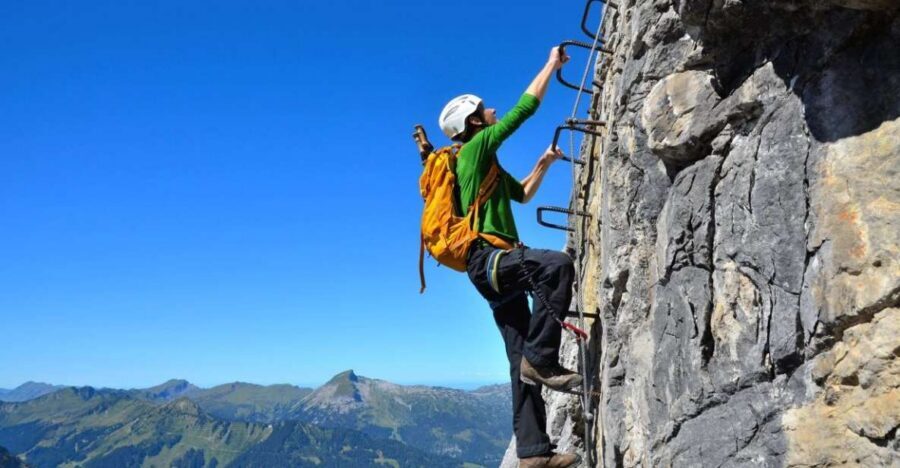
- Beginner-friendly introduction to via ferrata with difficulty roughly A/B to B
- Hands-on safety coaching for belaying and how to rest on the route
- Full kit included: harness, helmet, gloves, and a via ferrata kit
- Small-group feel in the real world (one review called out a group of 5)
- Mountain views from up above over green hills, blue lakes, and snowy peaks
First things first: where you go and what this is really like
Berchtesgaden sits in Bavaria, and the surrounding mountain country is the kind you want to see in person, not just from a roadside viewpoint. On this tour, you’re not doing a long trek or a scenic bus ride. You’re climbing a short, purpose-built route designed to teach you via ferrata fundamentals while you still get wide-open mountain scenery.
You’ll spend about 4 hours in total, and the experience is built around a beginner approach: gear up, learn the system, practice safe movement, then spend time on the Schützensteig course itself. The whole point is that you come away with usable confidence, even if you’ve never clipped into a via ferrata before.
I also appreciate the honesty in the difficulty range. The route is described as beginner-leaning (A/B and sometimes B depending on your experience), which helps set expectations. Still, via ferrata isn’t a stroll—your legs and balance matter, and so does using the safety technique correctly.
You can also read our reviews of more tours and experiences in Berchtesgaden.
What you get for $104: value that feels practical
At $104 per person, you’re paying for more than entry into a mountain. The tour includes the gear and the instruction that makes the difference between a fun challenge and a stressful one.
Here’s what’s included:
- Via ferrata kit
- Helmet
- Gloves
- Harness
- Mountain guide
- Via ferrata course
What’s not included:
- Food and drinks
- Cable car tickets
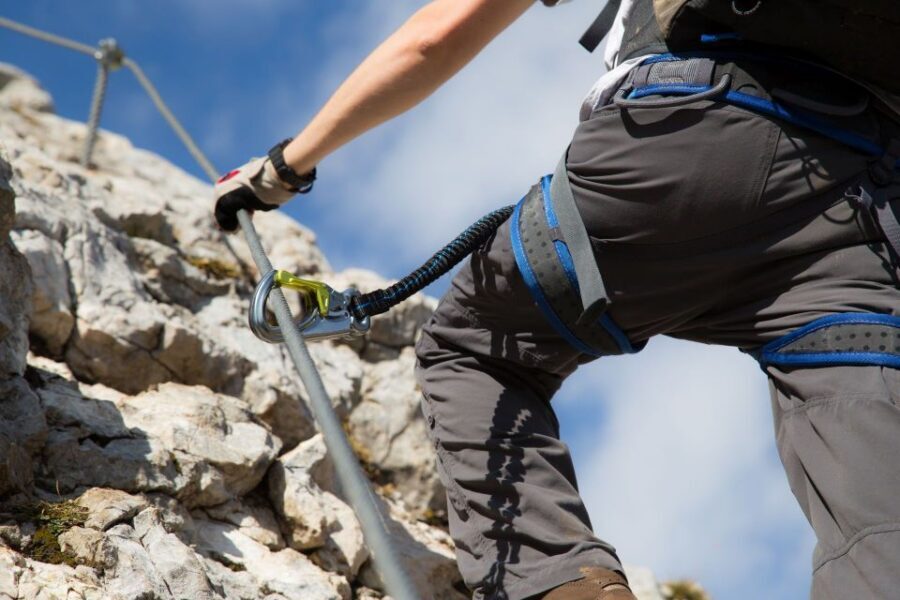
That “included” list matters. If you’ve ever arrived at an outdoor activity needing rentals, you know how quickly stress can eat the fun. Here, you’re covered with the key safety gear—harness, helmet, gloves, and the via ferrata kit—so you can focus on learning the movement.
And the guide time is real value. You’re not just watching someone else climb. You’re learning the how and the why for belaying, how to manage rest moments, and how to move with the system attached. For a first via ferrata, that coaching is worth a lot.
The gear check moment: harness, helmet, gloves, and safety habits
You’ll meet your guide at the beginning of the tour. The tour info also notes a parking fee in the large parking lot, so plan a little extra time if you’re driving in.
Once you’re together, expect a practical gear setup. The tour includes harness, helmet, gloves, and a via ferrata kit, so you don’t need to source that stuff yourself. What you should bring is equally important: hiking shoes plus weather-appropriate clothing, and food and drinks for the day.
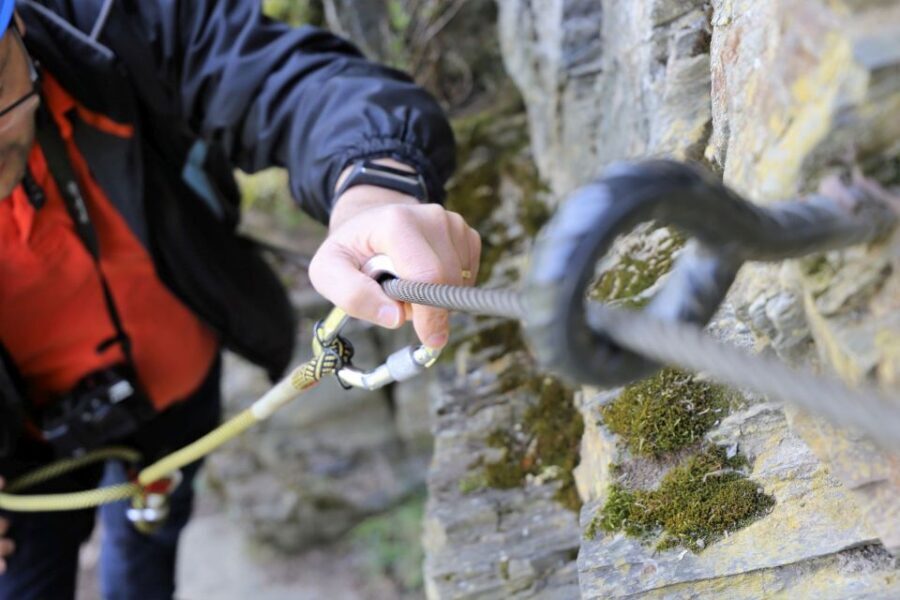
During the safety setup, pay attention to how your guide wants you to clip in and manage the line. This is one of those activities where good habits are learned early, not fixed later. Your fingers really do get involved too—reviews describe feeling the rock at your fingertips as you climb—so good technique and comfort with the movement are part of the outcome.
Learning via ferrata the right way: belaying and resting
Via ferrata has a reputation for looking dramatic in photos. In real life, the “controlled drama” comes from the safety technique. This beginner tour is built around exactly that: you learn the basics of belaying, climbing, and resting with your professional mountain guide.
Belaying (what you need to understand)
You’ll be coached on how the system works and what the guide expects from you while moving. Even if you’re not doing complex rope work, you still need a correct approach to staying secure and moving in a consistent rhythm. For your confidence, it helps to understand what to check and what to do when you pause.
Climbing and movement
Climbing on a via ferrata isn’t about jumping from point to point. It’s about steady progress—using handholds and foot placements while keeping your focus on the line system.
You’ll likely get moments where your brain says, slow down. That’s normal. The beginner challenge is learning how to stay calm, breathe, and trust the process rather than fighting the mountain.
Resting without losing control
Many people fear via ferrata because they imagine it as continuous effort. This course teaches you how to rest safely on the route. That matters a lot on real rock faces. Being able to pause, reset, and continue is often what turns a stressful attempt into a manageable one.
If you want a tour where you feel guided step-by-step, this format is a strong match.
Schützensteig in Berchtesgaden: what the route feels like
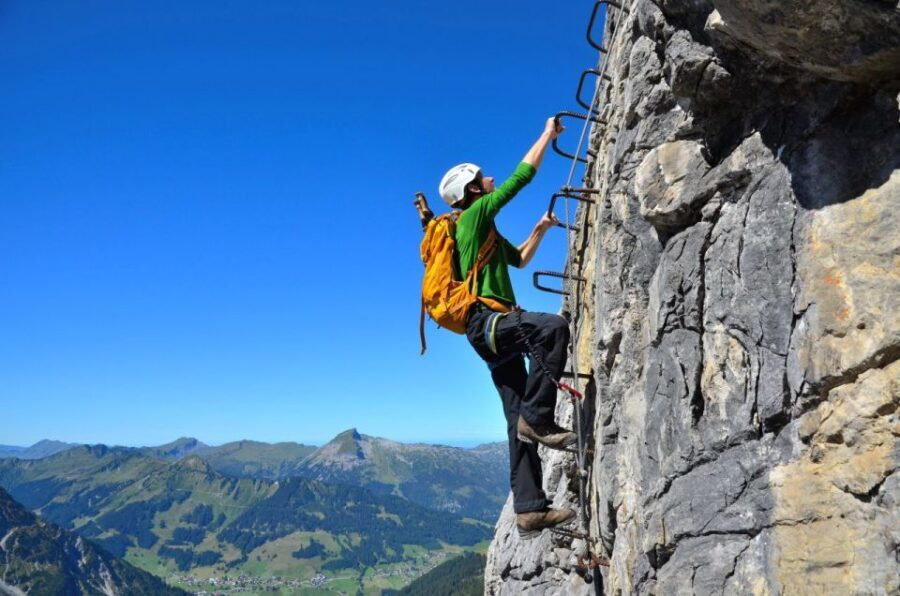
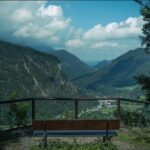
You’ll go up the mountain on the Schützensteig track and look out over Berchtesgadener Land from above. The views are a big part of the payoff: rolling green hills and plains, blue lakes, and snow-capped peaks in the background.
What makes the Schützensteig route especially suitable for beginners is that it’s presented as a training ground. The course difficulty can range between A/B and B, depending on experience. That range gives you room to test your comfort level while still feeling like you’re in a controlled learning environment.
Even so, keep this in mind: via ferrata is still exposed. If you’re afraid of heights, the activity can be uncomfortable or unsafe for you. One review even frames it bluntly as something that’s good as long as you’re klettersteig-comfortable—meaning steady and not panicking when you’re up on the wall.
So yes, you’ll be climbing on metal and rock, but the real lesson is balance, focus, and using the safety system calmly.
Your guide makes or breaks the day
One of the best parts of this tour is the guide quality. You’re not just getting instructions; you’re getting coaching designed to keep you moving safely and with a good mindset.
Several guide names show up in the real experiences people reported:
- Lukas and Christoph
- Helmut
- Willi
What stands out is how they communicate. One review notes that when a participant didn’t understand in German, the guide helped in English. Another review highlights that the guide encouraged the climber not to feel pressured into continuing if they truly couldn’t. That mindset—permission to be honest—can be huge for your first time on a via ferrata.
If you’re wondering what to do if you freeze, here’s the practical approach to take: tell your guide early. A via ferrata isn’t a place to pretend you’re fine. The better you communicate, the better the guide can adjust pacing and comfort.
The pace and timing: a focused 4-hour learning loop
The total duration is 4 hours, and the timing depends on starting availability. That’s a sweet spot. Long enough to learn fundamentals and complete meaningful time on the route, but not so long that it turns into a full-day endurance event.
Because you’re learning, expect the day to have three phases:
- Gear and safety basics
- Movement practice and route instruction
- Climb time plus the guided flow of resting and continuing
You don’t need to be an athlete, but you do need to be comfortable hiking and steady on your feet. Reviews also suggest the tour works well if you have decent conditioning and some mountain hiking experience, even if you’re new to ferrata.
Fitness and comfort: what you should realistically bring to the mountain
This is for active vacation days. The tour description openly frames it as a chance to learn a new skill or sharpen one. That’s good news if you like challenges where you can see progress in a single afternoon.
But you should also match the activity to your comfort levels:
- Not suitable for children under 10
- Not suitable for people afraid of heights
If you can handle exposed mountain scenery, this tour will likely feel like a solid first step. If you can’t, it’s better to choose a different kind of mountain outing.
Also bring:
- Food and drinks
- Hiking shoes
- Weather-appropriate clothing
That food and drink part isn’t an afterthought. Four hours on rock plus mental concentration takes energy. Having something with you helps you stay steady during the route and afterward.
Small-group coaching: why your learning feels faster
The course runs with a mountain guide and includes a course experience, and at least one participant specifically mentioned a group of 5. If the group size stays small, that typically means you get more individual attention—especially during safety checks and instruction.
For a beginner, personal feedback is everything:
- Correcting how you clip
- Reinforcing safe habits
- Helping you calm down if you feel unsure
- Adjusting pacing so you don’t rush or overthink
If you want confidence built in real time, a smaller group setup helps a lot.
What’s the best view-for-effort ratio?
This is one reason I’d recommend the tour. The learning and the climbing are concentrated, and the views are immediate. Instead of spending hours hiking to a viewpoint and only then getting photos, you’re already outside and moving while the scenery opens up.
You’ll see:
- green plains and rolling hills
- blue lakes
- snow-capped peaks in the distance
And you’ll see it from a higher angle than most casual hikes in the area. That matters because it turns the day into something more memorable than another scenic stop.
The best part is that you’re actively earning it—your effort is tied to your line of sight.
Should you book this via ferrata beginner tour?
Book it if:
- You want a first via ferrata experience with safety coaching built in
- You like hands-on learning—belaying, climbing, and resting—rather than just watching
- You’re comfortable with heights and want a challenge with big mountain payoff
- You’d rather spend money on guided instruction than juggling gear rentals
Skip it if:
- You’re afraid of heights
- You’re looking for something purely walking-based or low-exposure
- You’re traveling with limited flexibility on weather, since the tour calls for weather-appropriate clothing and you’ll be outdoors the whole time
My take: as an entry point to klettersteig culture in the Berchtesgaden region, this tour makes sense. You come away with a learned skill set and a better understanding of what via ferrata feels like on real rock—guided by professionals like Lukas, Christoph, Helmut, and Willi, who seem to keep communication clear and comfort in mind.
FAQ
How long is the via ferrata beginner tour?
It lasts 4 hours.
How much does it cost?
The price is $104 per person.
What’s included with the tour price?
You get the via ferrata kit, helmet, gloves, harness, plus a mountain guide and the via ferrata course.
Do I need to bring food and drinks?
Yes. Food and drinks are not included, so you should bring your own.
Do I need hiking shoes?
You should bring hiking shoes. The tour also calls for weather-appropriate clothing.
What languages are offered?
The instructor and guide provide German and English.
What difficulty level should I expect?
The course difficulty ranges between A/B and B, depending on your level of experience.
Is the tour suitable for kids or people afraid of heights?
It’s not suitable for children under 10, and it’s also not suitable for people afraid of heights.
Are alcohol or drugs allowed?
No. Alcohol and drugs are not allowed.