REVIEW · BERCHTESGADEN
Eagle’s Nest Hiking Tour
Book on Viator →Operated by Monkey Business Tours · Bookable on Viator
Hiking beats the bus ride. This Eagle’s Nest Hiking Tour turns the journey into part of the story, with a guide-led walk to WWII-era sites around Berchtesgaden and the summit experience at Kehlsteinhaus. I love that you’re not just looking up at the famous viewpoint—you’re walking through the mountain’s context and seeing the terrain and remnants up close. I also love the small group size, which makes pacing easier and keeps your questions from getting lost.
Do note the one real catch: this is uphill work. You’ll be on gravel/paved paths with meaningful elevation gain, and the day lasts about 5–6 hours with time for visits and the return. If you’re not comfortable with steep grades, plan your pace carefully (and consider the optional bus down).
In This Review
- Key Things You’ll Care About On This Hike
- Eagle’s Nest on Foot: Why This Tour Feels Like the Real Deal
- Starting Point at Berggasthof Obersalzberg: Get Your Bearings Fast
- Stop 1: Kehlsteinhaus (Eagle’s Nest) With the Summit Experience
- A reality check on views vs. comfort
- Stop 2: Obersalzberg Sites and Nazi-Era Ruins—Seeing the Place Around the Landmark
- What the hike feels like in real life
- Trekking poles are a smart call
- Pacing Matters: Why the Guide’s Style Changes the Whole Day
- Duration, Distance, and What 5–6 Hours Means for Your Day
- What’s Included vs. What You’ll Need to Sort Yourself
- How I’d plan food and breaks
- Getting There From Salzburg and Moving Within the Region
- Weather and Trail Conditions: The Day Depends on What the Alps Give You
- Is It Worth $240.66? The Value Math That Matters
- Who This Tour Is Best For (And Who Might Want Another Option)
- Should You Book This Eagle’s Nest Hiking Tour?
- FAQ
- How long is the Eagle’s Nest hiking tour?
- Where does the tour start and end?
- Is the tour offered in English?
- Is there a limit on group size?
- What’s included in the price?
- Is lunch included?
- Do I need hiking poles or can I rent/borrow them?
- Is the bus down the mountain included?
- What fitness level do I need?
- What if the weather is poor?
Key Things You’ll Care About On This Hike
- Small group (max 8) means more attention and a better pace match.
- Early summit timing can get you to the Eagle’s Nest before the bigger tour buses.
- Guided WWII storytelling connects the buildings, bunkers, and ruins to what happened here.
- Good hiking paths, steady uphill: it’s manageable with the right shoes, but it’s still a climb.
- Pack smart: no lunch included, so bring snacks/water for breaks.
Eagle’s Nest on Foot: Why This Tour Feels Like the Real Deal
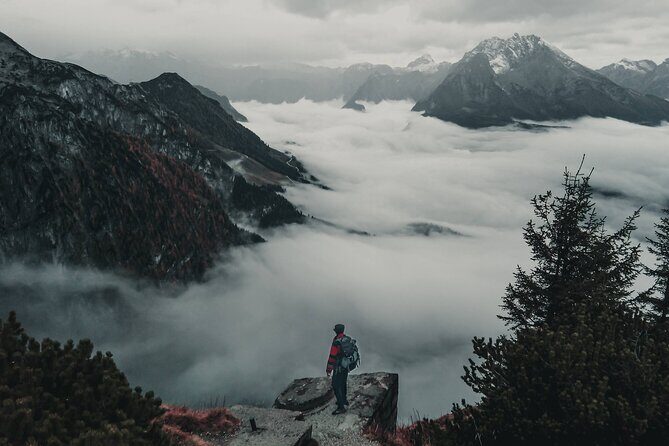
Most people arrive at Eagle’s Nest by bus, look around, and leave. This route flips that. You hike up through the Obersalzberg area with a guide who explains what you’re seeing and why it mattered, then you reach Kehlsteinhaus with the mountain views as your reward.
The big win for me is that the walking isn’t just exercise. It’s how you build a mental map of the sites—crumpled structures, bunkers, and the remains tied to the Nazi mountain-town complex. Once you’ve been shown where things stood and how the area functioned, Eagle’s Nest makes more sense. It isn’t just a dramatic photo stop.
And because the tour caps out at 8 travelers, you don’t feel like you’re being herded. Guides (including Claudio and, on some dates, Pauline) adjust tempo so people can keep moving without falling apart.
You can also read our reviews of more tours and experiences in Berchtesgaden.

Starting Point at Berggasthof Obersalzberg: Get Your Bearings Fast
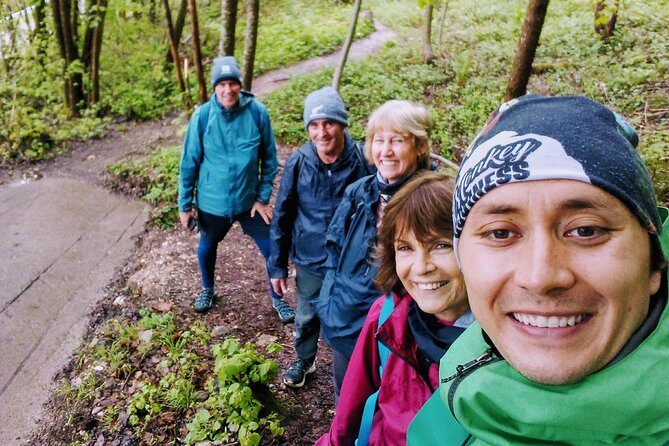
The tour meets at Berggasthof Obersalzberg on Salzbergstraße 43 in Berchtesgaden. It’s also described as near public transportation, which matters because many people are nervous about how to connect from elsewhere (especially if you’re coming in from Salzburg).
Plan to arrive a bit early so you can sort your footing and water. Even on a “moderate fitness” level day, it helps if you aren’t rushing at the start. You’ll also want to confirm you can use your mobile ticket, since the tour uses a mobile format.
One more small practical note: you’ll end back at the meeting point. That keeps the day simple—no complicated independent navigation at the finish.
Stop 1: Kehlsteinhaus (Eagle’s Nest) With the Summit Experience
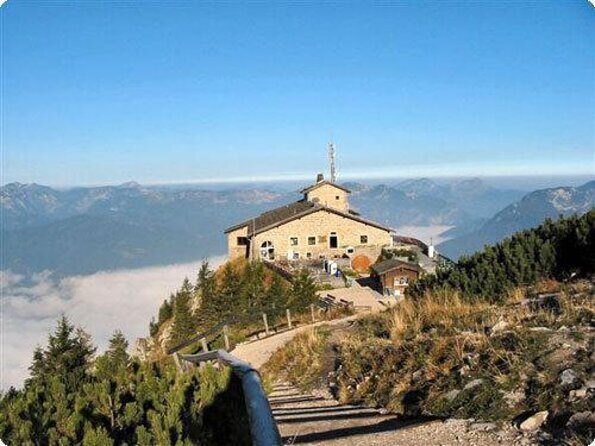
At the first stop, you visit Kehlsteinhaus, the Eagle’s Nest building carved into the Kehlstein summit. The tour includes entrance to Eagle’s Nest, and you’ll spend around 2 hours here.
What I like about this portion is that it comes with explanation, not just access. You learn the background behind the construction and the role it plays today in the wider conversation about the past. You’re not just stepping into a landmark—you’re seeing it with context.
Also, you’re likely to feel the “timing advantage.” Multiple reviews point out that the tour route can have you at the summit before the bus crowds arrive. That can mean a calmer window for the elevator experience and easier time absorbing the views and the meaning of the place.
A reality check on views vs. comfort
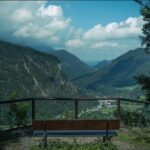
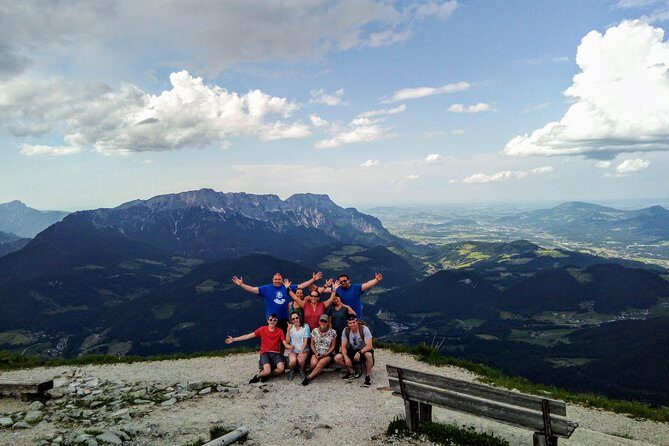
At the top, you do get that classic panorama feeling—the views are a highlight. But remember: you’ll still be moving from the hike. Bring a layer you can tolerate while you’re standing still for explanations and photo breaks.
And yes, you might hear people mention the elevator access. The general idea is that the hike ultimately leads you to a tunnel/elevator route up to the nest, rather than just hiking the entire way to the building. Either way, the walking-to-summit payoff is still there.
Stop 2: Obersalzberg Sites and Nazi-Era Ruins—Seeing the Place Around the Landmark
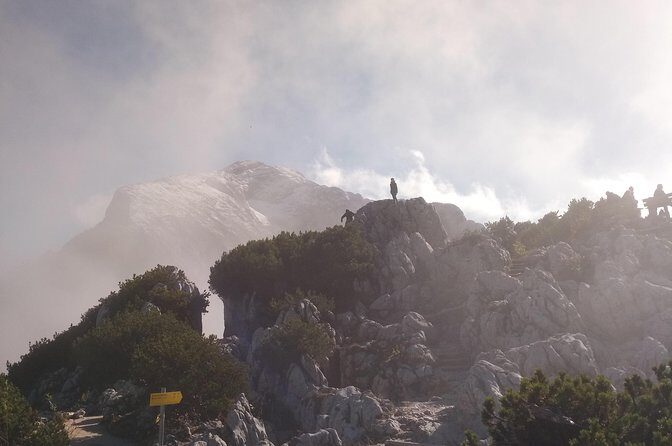
The heart of the day is the hike around Obersalzberg, starting near the Parkplatz Obersalzberg / Dokumentationszentrum area. This part is where the tour becomes more than a viewpoint visit.
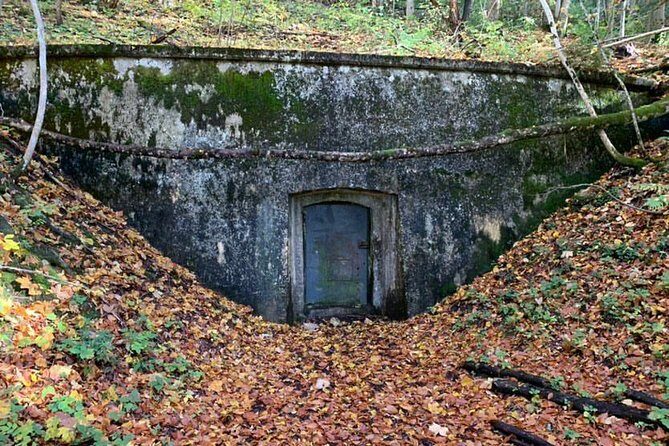
You’ll walk through the surroundings of Hitler and other high-ranking officials’ residences and learn how the area was transformed into a Nazi town. The tour emphasizes seeing features that most visitors don’t get to access, including ruins of Hitler’s mountain house, crumpled remnants, and bunkers you can spot in the forested terrain when you know where to look.
This is also where guides really show their value. Claudio (and Pauline on some dates) are repeatedly described as energetic and capable of answering questions, switching between German and English as needed, and—most importantly—connecting “what you see” to “why it happened.”
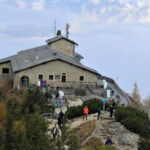
What the hike feels like in real life
Based on the details you’ll likely notice on your own feet:
- Expect gravel and paved paths
- The hike is all uphill on the way up
- One review measured around 5.7 km with about 710 meters of elevation gain
- Another review described roughly 4 miles and about 2 hours for the ascent, plus time for stops
In short: it’s not a casual stroll. But it also isn’t a scramble. It’s the kind of climb you can manage if you use a steady rhythm and take breaks when needed.
Trekking poles are a smart call
You can borrow trekking poles if you request them. Even if you’re a confident hiker, poles can reduce knee strain on steep stretches and help you keep your pace consistent. If your legs aren’t what they used to be, this is one of those small accessories that pays off.
Pacing Matters: Why the Guide’s Style Changes the Whole Day
Here’s what stood out most across the experiences shared: the best part isn’t just the facts—it’s the pacing and the way the guide manages the group.
Guides repeatedly adjust tempo for:
- people who move slower on inclines
- people who want more explanation as they walk
- hikers who need snack breaks and short rests
That pacing skill is what turns a steep hike into a rewarding one instead of a stressful one. One review even mentions the guide helping someone who was dealing with a cold that later turned into bronchitis by slowing pace and using trekking poles.
For you, that means: if you’re fit but not “training for Everest,” you should still feel comfortable booking. Just be honest about your fitness level, and take advantage of stops when they come.
Duration, Distance, and What 5–6 Hours Means for Your Day
The tour runs about 5 to 6 hours total. That sounds tight on paper until you remember it includes:
- time at Kehlsteinhaus (about 2 hours)
- hiking around Obersalzberg (time varies based on pace and breaks)
- guided explanation throughout
- travel back to the meeting point
In practical terms, set aside a half-day you won’t need to rush. You’ll likely come back tired (in the good way), and you’ll want time to eat after.
Also, plan for varying hike times. Reviews describe ascent windows around 2–3 hours depending on pace and conditions, with the whole experience taking longer once you factor in summit time.
What’s Included vs. What You’ll Need to Sort Yourself
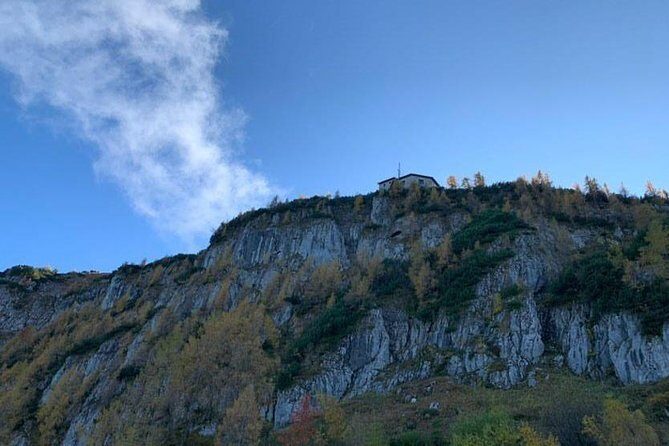
This tour includes the big-ticket items that matter:
- Entrance to Eagle’s Nest
- Exploration of the Obersalzberg area (including stops tied to the residences and mountain complex)
- Historical background and on-the-ground guidance
- Can borrow trekking poles if requested
- Return transport for ease is mentioned, which helps with the logistics feel of the day
Not included:
- Lunch/food (bring snacks for breaks and consider a picnic)
- A bus down the mountain to the Obersalzberg area is not included, listed at 25.10€ cash or card
How I’d plan food and breaks
No lunch included doesn’t mean you’ll go hungry—it means you should do your part.
- Bring water and a small snack for the climb.
- If you want something at the top, there’s a restaurant and snack shop at Eagle’s Nest where you can buy food.
If the weather is warm or you’re slower than average uphill, snacks are not optional. They prevent the “late-day crash” that can happen on steep ascents.
Getting There From Salzburg and Moving Within the Region
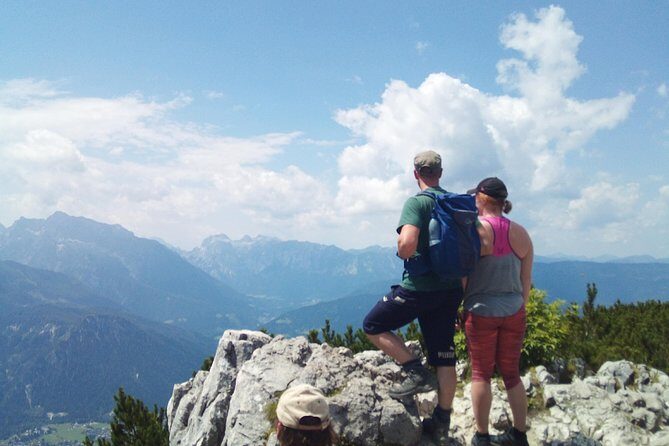
The tour is positioned for people using regional transit, and it’s described as near public transportation. Some reviews specifically mention concern about bus connections from Salzburg, and the guide helped navigate bus use for at least part of the route.
Here’s the practical advice: arrive with a little buffer. If you’re connecting from Salzburg, give yourself time to handle schedule changes, because you’re dealing with real public transport rather than a private charter.
Also, since Berchtesgaden is a smaller area, you’ll likely find the transport rhythm manageable, but don’t assume it will be perfectly timed like an airport shuttle.
Weather and Trail Conditions: The Day Depends on What the Alps Give You
This experience requires good weather. That’s not a marketing line—it’s a safety and comfort reality. The route is on paths that can get muddy if conditions are wet, and steep climbs feel harder on slick ground.
If it’s cold or clear, the climb is still tough but pleasant. If it’s rainy or damp enough to make footing questionable, you’ll be glad the tour requires good weather and will be adjusted if conditions are poor.
Is It Worth $240.66? The Value Math That Matters
At $240.66 per person, this isn’t a budget hike. But it also isn’t just a ticket to a tower. You’re paying for:
- a guided, on-foot experience (not a quick bus tour)
- access to Eagle’s Nest
- time with an interpretive guide who connects sites, structures, and the broader story
- small group attention (max 8), which affects the quality of the hike experience
- trekking pole support if you need it
If you’re the type who likes to understand what you’re seeing—why a bunker was here, what the mountain complex represented, what remnants still show—you’re likely to feel the cost is justified.
If you mainly want the best photo from the summit and couldn’t care less about context, a simpler option might fit better. But if you’re going to Berchtesgaden, this is the kind of day that turns the landmark into a full, walk-through experience.
Who This Tour Is Best For (And Who Might Want Another Option)
This tour is a great match if:
- you enjoy WWII context tied to what you can see on the ground
- you’re comfortable with an uphill hike on maintained paths
- you want fewer crowds and a more personal guide interaction
- you like routes where the climb is part of the payoff
You might want to think twice if:
- steep uphill walking is a dealbreaker for you
- you’re dealing with mobility limits that make elevation gain difficult
- you want a totally low-effort day with minimal walking
Still, “moderate fitness” is the stated target. Many reviews describe it as doable with decent legs, especially if you pace yourself and take snack breaks.
Should You Book This Eagle’s Nest Hiking Tour?
I’d book it if you want the best version of Eagle’s Nest. The summit access is just the start. What makes the day special is the way you approach the sites from the ground—seeing Obersalzberg remnants along the way, then reaching Kehlsteinhaus with the views already earned.
My only hesitation is the uphill factor. If you’re strong enough for a steep climb, this tour looks like one of the smartest ways to spend your time in Berchtesgaden—especially if you want context, not just crowds.
If you’re wavering, use this rule: if you can handle a serious uphill hike once, this is worth it.
FAQ
How long is the Eagle’s Nest hiking tour?
It runs about 5 to 6 hours total, with around 2 hours at Kehlsteinhaus and about 1 hour on the Obersalzberg hike segment.
Where does the tour start and end?
It starts at Berggasthof Obersalzberg, Salzbergstraße 43, 83471 Berchtesgaden, Germany, and it ends back at the same meeting point.
Is the tour offered in English?
Yes, the tour is offered in English.
Is there a limit on group size?
Yes. The group size is capped at a maximum of 8 travelers.
What’s included in the price?
Entrance to Eagle’s Nest, guided historical background, exploration around Obersalzberg, and the ability to borrow trekking poles if you request them.
Is lunch included?
No. Lunch is not included. You should bring snacks or plan a picnic.
Do I need hiking poles or can I rent/borrow them?
You can borrow trekking poles if you request them.
Is the bus down the mountain included?
No. A bus down to the Obersalzberg area costs 25.10€ and can be paid by cash or card.
What fitness level do I need?
The tour is described as suitable for moderate physical fitness. It includes a hike with uphill elevation gain.
What if the weather is poor?
The tour requires good weather. If it’s canceled due to poor weather, you’ll be offered a different date or a full refund.